Aging-in-Place Bathrooms: Boosting Home Value by 15 Percent by 2026
Aging-in-place bathrooms represent a forward-thinking approach to home design that prioritizes accessibility, safety, and timeless appeal. These modifications allow individuals to remain in their homes comfortably as they age, while simultaneously increasing property value. Experts predict that such upgrades will add up to 15 percent more value to homes by 2026, driven by growing demand for inclusive living spaces.
Homeowners who invest in these features not only enhance daily living but also position their properties favorably in competitive real estate markets. This article explores the essentials of aging-in-place bathrooms, key design elements, and practical steps to implement them effectively.
Understanding Aging-in-Place Design
Aging-in-place refers to creating environments that support independent living throughout various life stages. In bathroom contexts, this means incorporating elements that reduce fall risks, improve mobility, and maintain aesthetic quality. The concept gains traction as populations age and universal design principles become standard in residential architecture.
Traditional bathrooms often present hazards such as high thresholds and slippery surfaces, which can lead to accidents. Aging-in-place designs address these issues proactively, ensuring spaces remain functional for younger users as well. By blending practicality with elegance, these bathrooms appeal to a broad audience, from families to potential buyers seeking long-term usability.
The projected 15 percent value increase stems from market trends favoring adaptable homes. Real estate analysts note that properties with these modifications sell faster and at higher prices, reflecting buyer preferences for low-maintenance, future-proof features.
Essential Features for Safety and Accessibility
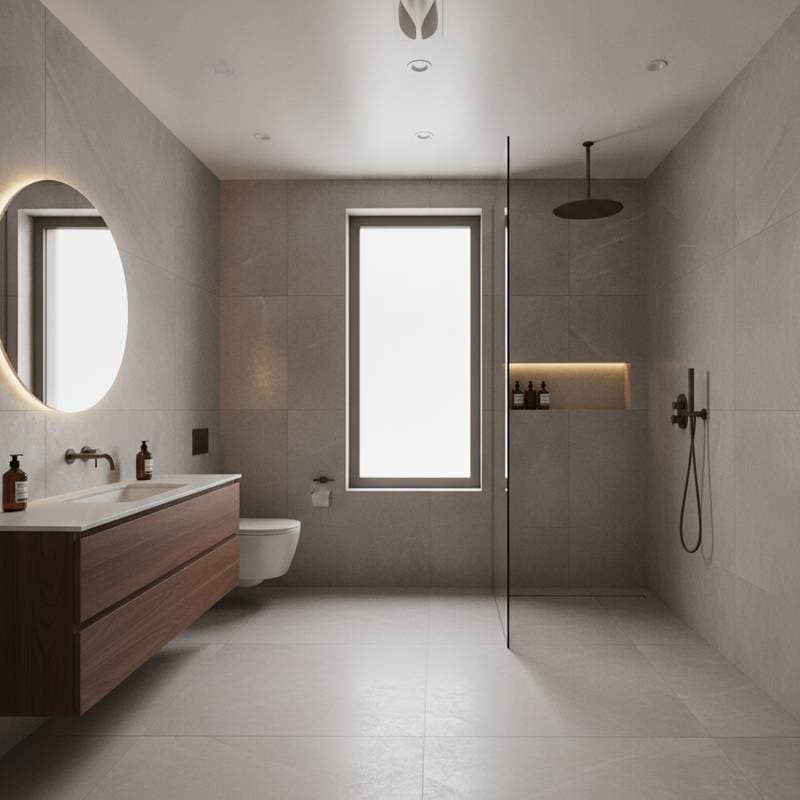
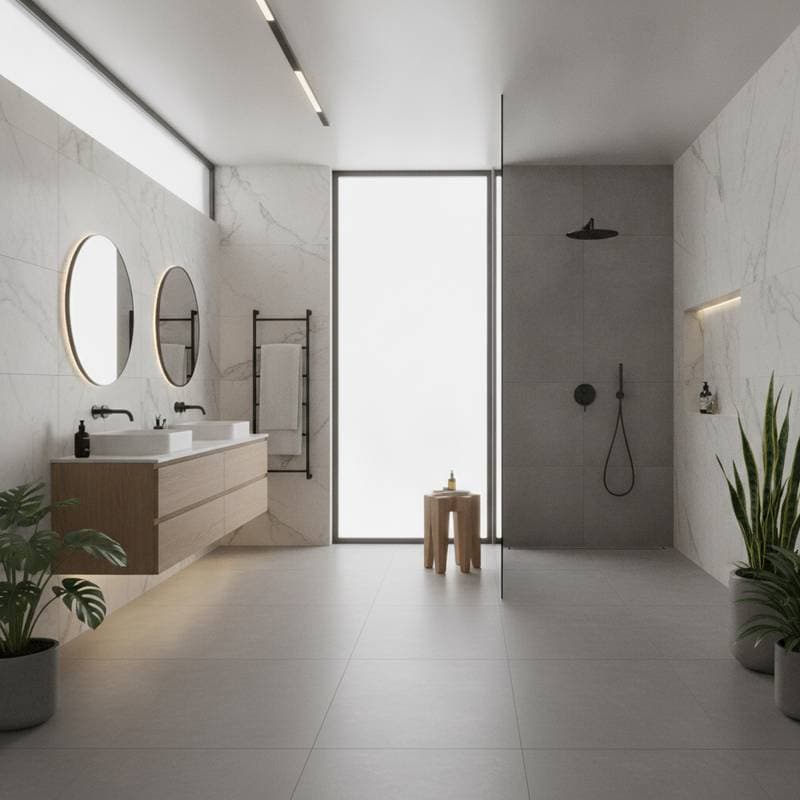
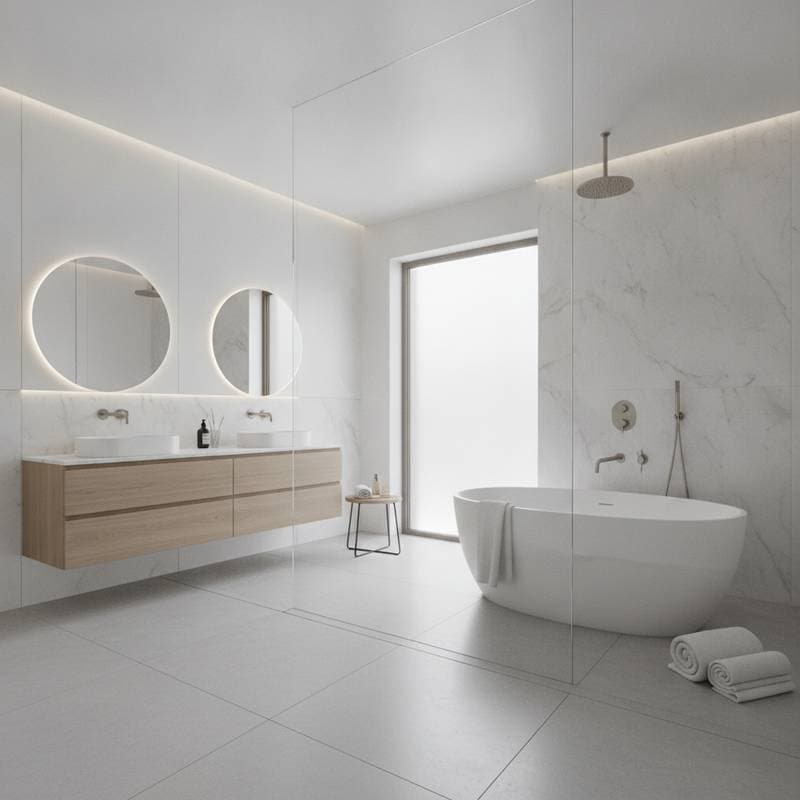
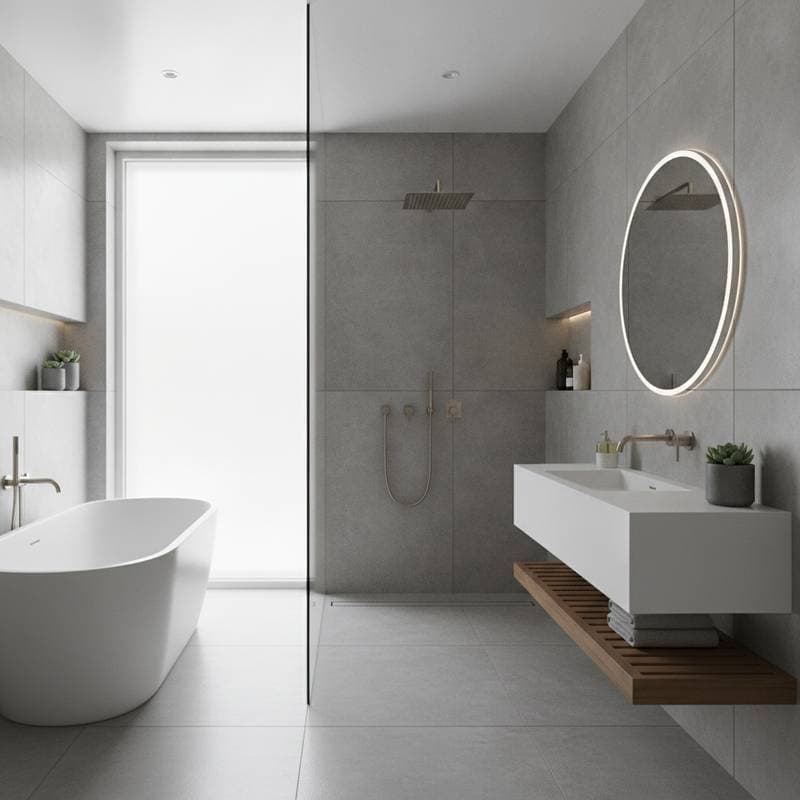
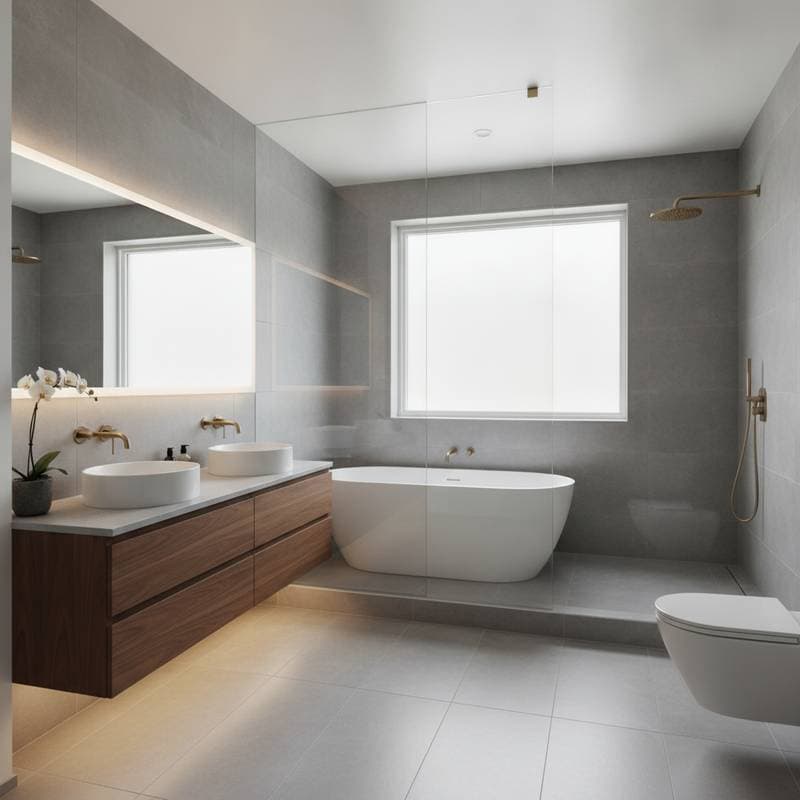
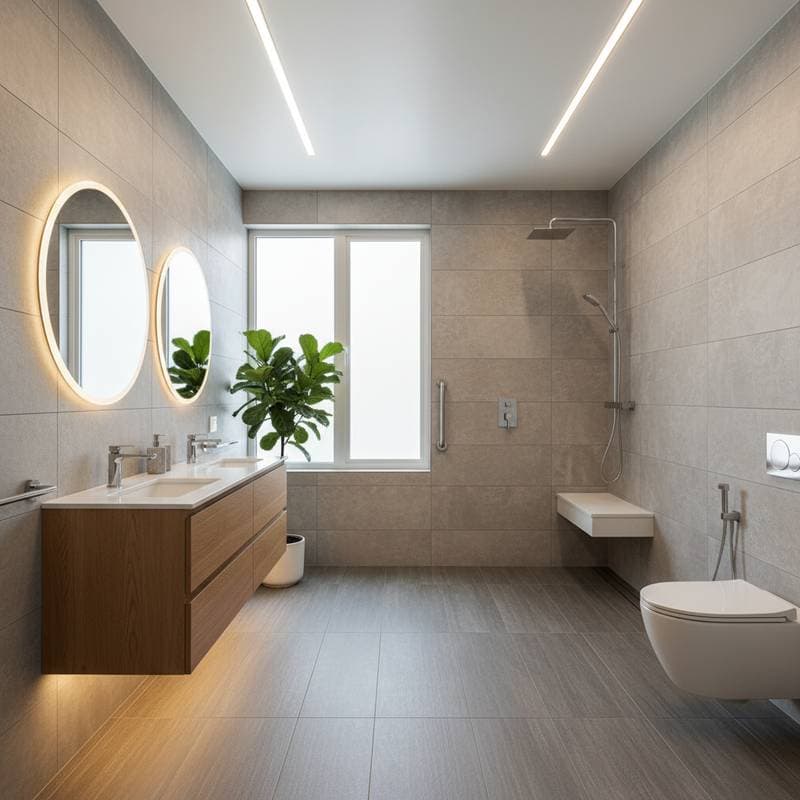
Effective aging-in-place bathrooms incorporate specific elements that enhance safety without sacrificing style. Curbless showers eliminate tripping hazards by creating seamless transitions from floor to shower area. These designs use gentle slopes for drainage, maintaining an open, spacious feel.
Slip-resistant flooring materials, such as textured porcelain tiles or natural stone with non-skid treatments, provide secure footing even when wet. Grab bars installed near toilets, showers, and vanities offer essential support, and modern versions blend into decor with concealed mounting or sleek finishes.
Lever-style faucets and door handles replace twist mechanisms, easing operation for those with limited dexterity. Adjustable-height counters and sinks accommodate wheelchair users or individuals with varying mobility needs. Smart lighting systems with motion sensors ensure well-lit paths, reducing disorientation in low-visibility conditions.
Heated floors and towel racks add comfort, particularly in cooler climates, while anti-scald devices on faucets prevent burns. These features collectively create a secure environment that supports aging residents while remaining inviting for all household members.
Integrating Style and Functionality
Aging-in-place does not require utilitarian aesthetics; rather, it emphasizes harmonious integration of form and function. Neutral color palettes with bold accents allow for personalization, ensuring the space feels contemporary and welcoming. Wall-mounted toilets and vanities free up floor space, facilitating easier cleaning and movement.
Incorporating natural light through frosted glass windows or skylights brightens the area and promotes a sense of openness. Storage solutions like pull-out shelves and reachable cabinets maximize utility without cluttering the design. High-contrast edges on counters and floors aid visibility for those with impaired vision, yet they can be subtle to preserve visual appeal.
Technology plays a growing role, with voice-activated controls for lights and water flow adding convenience. Waterproof, antimicrobial surfaces resist mold and bacteria, contributing to a healthier bathroom environment. These elements ensure the space evolves with user needs while upholding property standards.
The Financial Impact on Home Value
Investing in aging-in-place bathrooms yields measurable returns, with projections indicating a 15 percent uplift in home value by 2026. This boost arises from the increasing emphasis on inclusive housing in real estate valuations. Buyers, particularly millennials planning for parental care or their own futures, prioritize such adaptations.
Renovation costs vary, but targeted updates like installing grab bars or curbless showers often recoup 70 to 90 percent of expenses upon resale. Comprehensive overhauls, including flooring and fixture replacements, enhance curb appeal and interior flow, attracting premium offers. Market data supports this trend, showing adapted homes command higher prices in urban and suburban areas alike.
Beyond monetary gains, these upgrades reduce long-term maintenance costs by preventing accidents and facilitating independent living. Insurance providers may offer discounts for safety features, further offsetting initial investments. As demographic shifts accelerate, the demand for such homes will only intensify, solidifying their value proposition.
Actionable Steps to Upgrade Your Bathroom
Begin by assessing your current bathroom's layout and identifying potential hazards. Measure door widths to ensure they accommodate mobility aids, and evaluate lighting levels for adequate illumination. Consult with a professional designer specializing in universal access to map out modifications.
- Select durable, low-maintenance materials that align with your budget and style preferences.
- Prioritize high-impact changes, such as replacing bathtubs with walk-in showers, to maximize safety gains.
- Install reinforced walls during initial renovations to support future grab bar additions without structural alterations.
- Integrate smart home devices gradually, starting with basic sensors for lights and faucets.
- Test usability by simulating daily routines, ensuring all elements feel intuitive and comfortable.
- Document the upgrades with before-and-after photos to highlight improvements for potential buyers.
Budget wisely by phasing projects: address safety first, then aesthetics. Local building codes may influence choices, so verify compliance early. These steps transform ordinary bathrooms into versatile sanctuaries that endure.
Realizing Long-Term Benefits
Aging-in-place bathrooms extend beyond immediate utility to foster enduring well-being. They empower residents to age gracefully in familiar surroundings, minimizing relocation stress. Families benefit from shared spaces that adapt to changing needs, promoting intergenerational harmony.
In resale scenarios, these enhancements signal thoughtful foresight, differentiating properties in saturated markets. The 15 percent value projection underscores their role as strategic investments. Ultimately, such designs cultivate homes that support life's continuum, blending security with sophistication for generations.