Electric Upgrades That Boost Home Value by 15 Percent
Homeowners often seek ways to increase property value without extensive renovations. Electrical upgrades stand out as a strategic investment, enhancing safety, efficiency, and appeal to modern buyers. These improvements can elevate resale value by up to 15 percent, according to industry assessments for 2026 market trends.
Electrical systems in older homes frequently fall short of current standards, posing risks and limiting functionality. Upgrading addresses these issues while aligning with buyer preferences for energy-efficient, tech-integrated living spaces. The result offers not only financial returns but also long-term usability for occupants.
Essential Electrical Upgrades for Maximum Impact
Start with foundational enhancements that form the backbone of a reliable electrical system. Each upgrade targets specific pain points, from outdated wiring to insufficient capacity, ensuring the home meets contemporary demands.
Upgrade the Electrical Panel
Many homes built before 1990 feature panels rated at 100 amps or less, inadequate for today's appliances and devices. Replacing it with a 200-amp panel supports higher loads and includes modern circuit breakers for better protection.
This change prevents overloads and fires, a key concern for inspectors and buyers. Expect to invest between $2,000 and $4,000, depending on home size and location. The upgrade recoups costs through a 10 to 12 percent value increase, as it signals a safe, future-ready property.
Install Dedicated Circuits for High-Power Appliances
Appliances like electric ranges, dryers, and air conditioners require dedicated circuits to operate efficiently. Older systems often share circuits, leading to tripped breakers and performance issues.
Adding these circuits ensures smooth operation and compliance with building codes. Costs range from $500 to $1,500 per circuit. Buyers appreciate this reliability, contributing to faster sales and a 5 percent uplift in perceived value.
Add EV Charging Stations
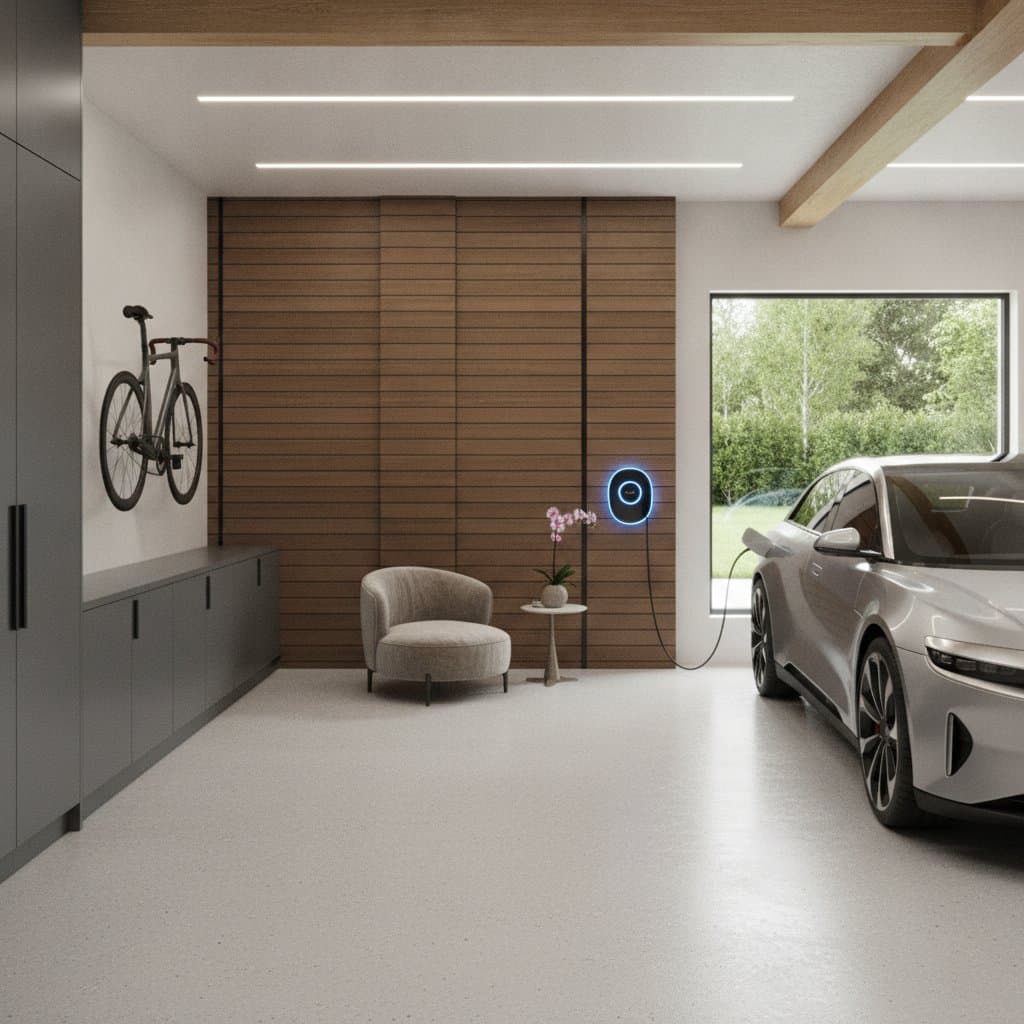
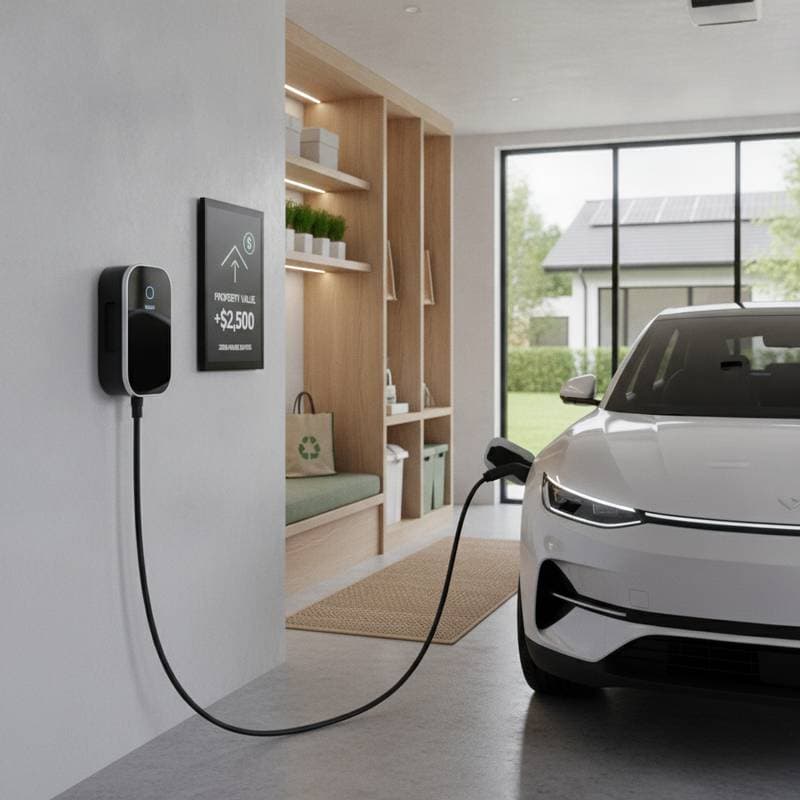
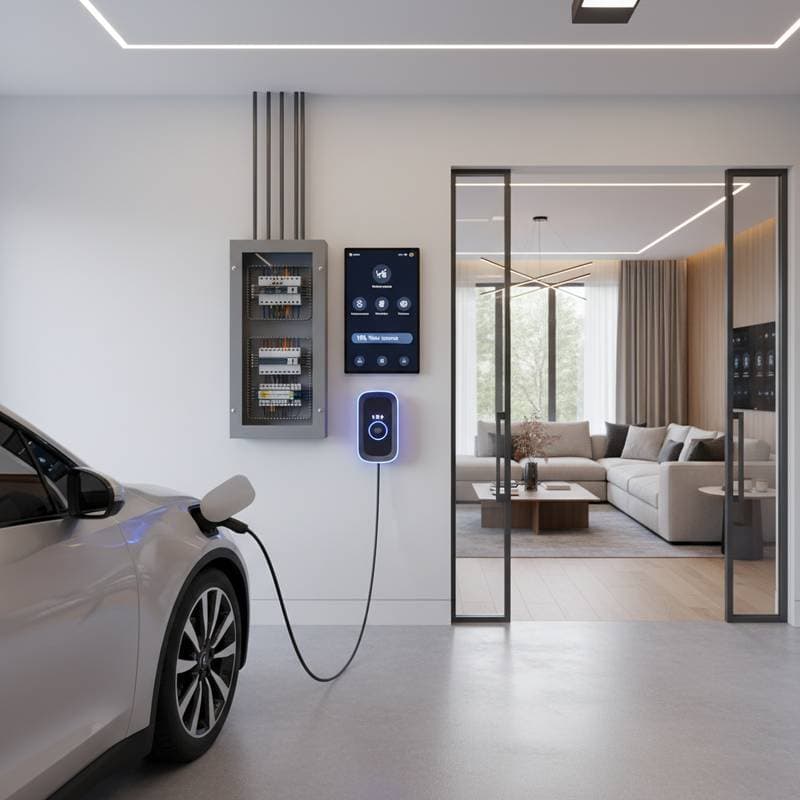
With electric vehicles gaining popularity, homes without charging infrastructure lag behind. Installing a Level 2 charger in the garage accommodates overnight charging for most EVs.
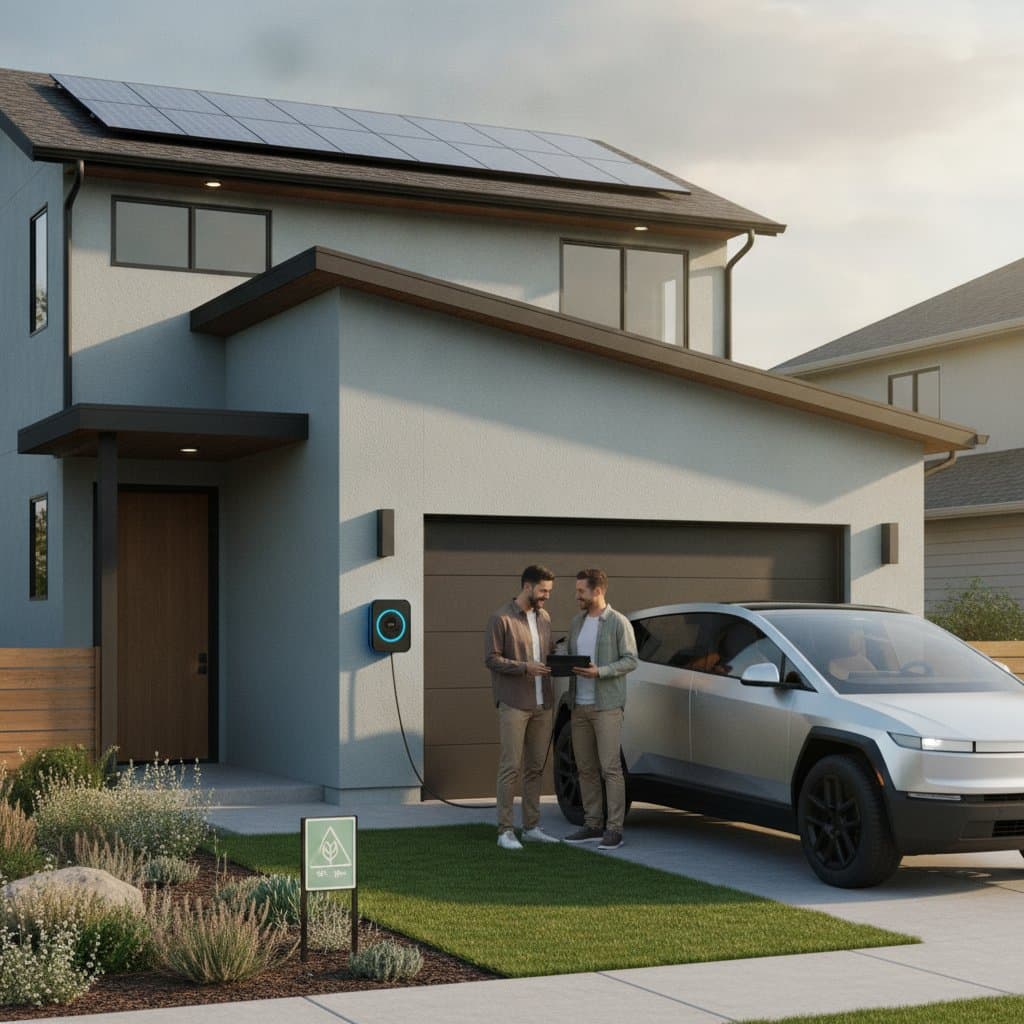
This upgrade appeals to eco-conscious buyers and aligns with green building incentives. Installation costs $500 to $2,000, including wiring and permits. It can boost home value by 7 to 10 percent in urban markets where EV adoption is high.
Integrate Smart Home Electrical Controls
Smart switches, outlets, and lighting systems allow remote control via apps or voice assistants. These features enhance convenience and energy savings through automation.
Wiring for low-voltage smart devices requires minimal disruption. Budget $300 to $1,000 for a basic setup covering key areas. The tech appeal drives a 3 to 5 percent value premium, attracting younger demographics.
Calculating Costs, Returns, and ROI
Budgeting for electrical work involves more than initial outlays; consider long-term savings and market advantages. Professional assessments ensure accurate pricing tailored to your home's needs.
Total costs for a comprehensive upgrade package typically fall between $5,000 and $15,000. Factors include labor rates, material quality, and any unforeseen wiring issues. Financing options, such as home equity loans, make these projects accessible.
Returns materialize through energy bill reductions of 20 to 30 percent via efficient systems. Resale benefits peak in competitive markets, where upgraded homes sell 20 to 30 days faster. Overall ROI reaches 15 percent within two years, factoring in appreciation and utility savings.
Prioritize upgrades based on your home's age and buyer demographics. For instance, EV chargers yield higher returns in coastal regions, while panel upgrades benefit all properties universally.
Actionable Steps to Implement Upgrades Safely
Approach electrical projects with caution to avoid hazards and ensure code compliance. Follow these steps for a seamless process.
-
Hire a licensed electrician for an initial inspection. This identifies deficiencies and provides a customized plan.
-
Obtain necessary permits from local authorities. Compliance avoids fines and supports insurance claims.
-
Schedule work during off-peak seasons to minimize disruption. Coordinate with contractors for efficient timelines.
-
Test all systems post-installation. Verify functionality and safety before full use.
-
Document upgrades with receipts and photos. This paperwork enhances disclosure value during sales.
Consult multiple quotes to secure competitive pricing. Verify credentials through state licensing boards for peace of mind.
Secure Your Home's Future with Strategic Investments
Electrical upgrades transform potential liabilities into assets, positioning your property for sustained appreciation. These enhancements not only safeguard occupants but also align with evolving buyer expectations for smart, sustainable living.
By focusing on high-impact changes, homeowners realize tangible financial gains alongside improved daily functionality. Invest now to capitalize on 2026 market dynamics and enjoy a more efficient home environment.