Understanding Wet Rooms
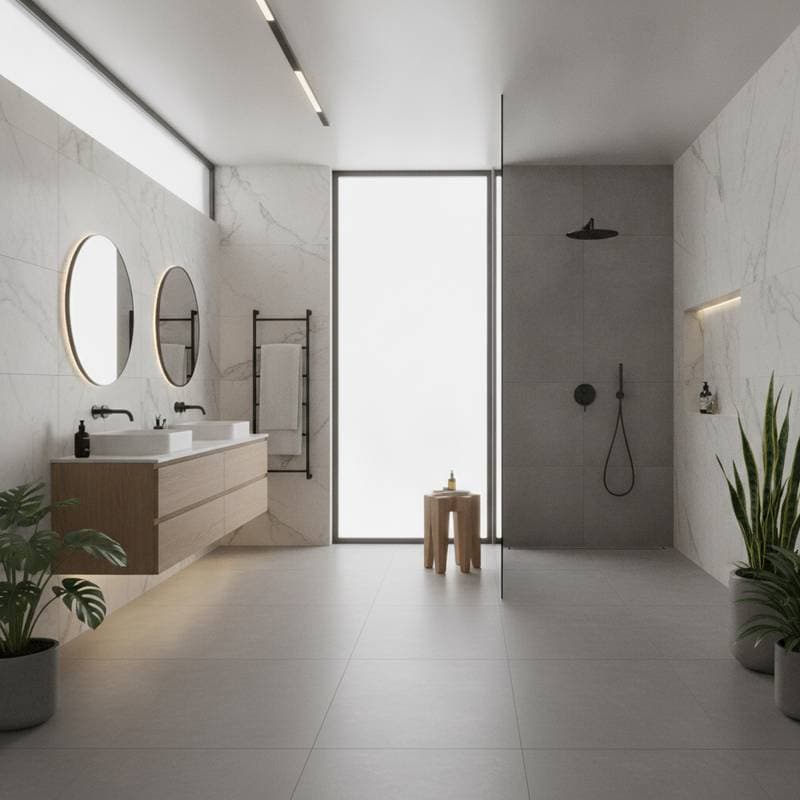
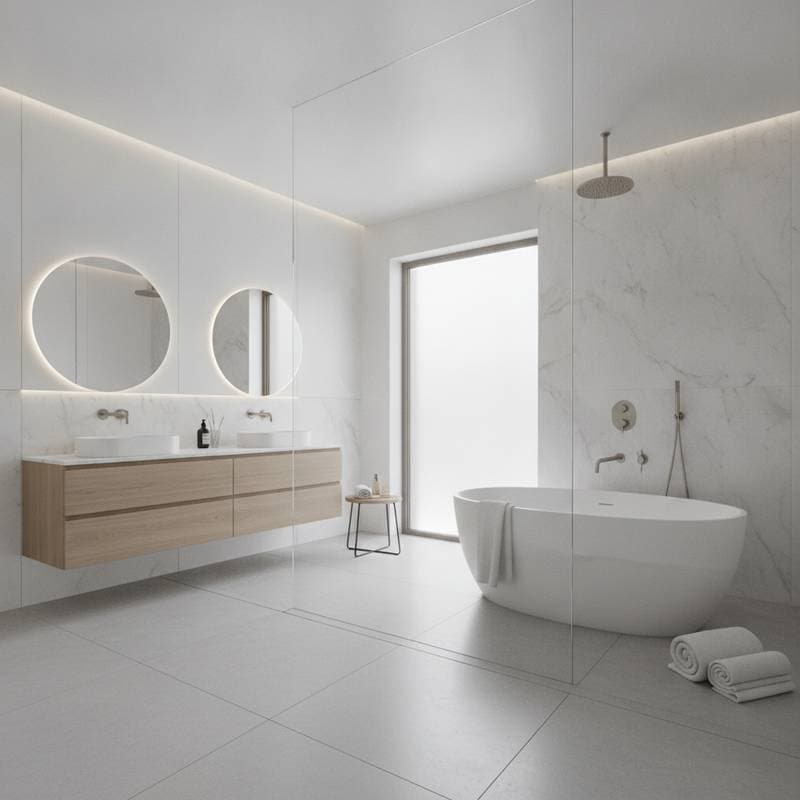
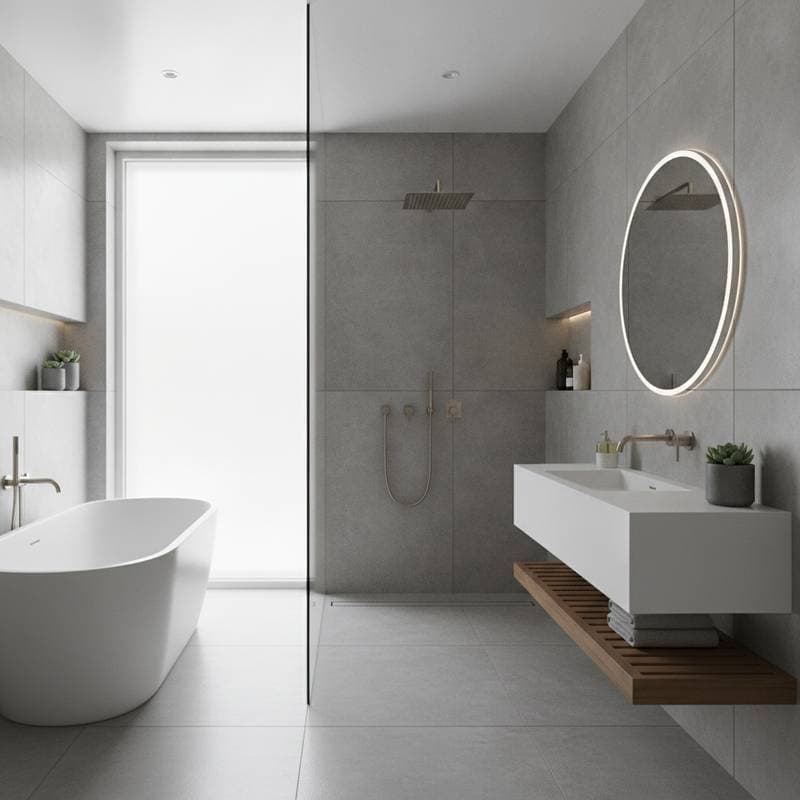
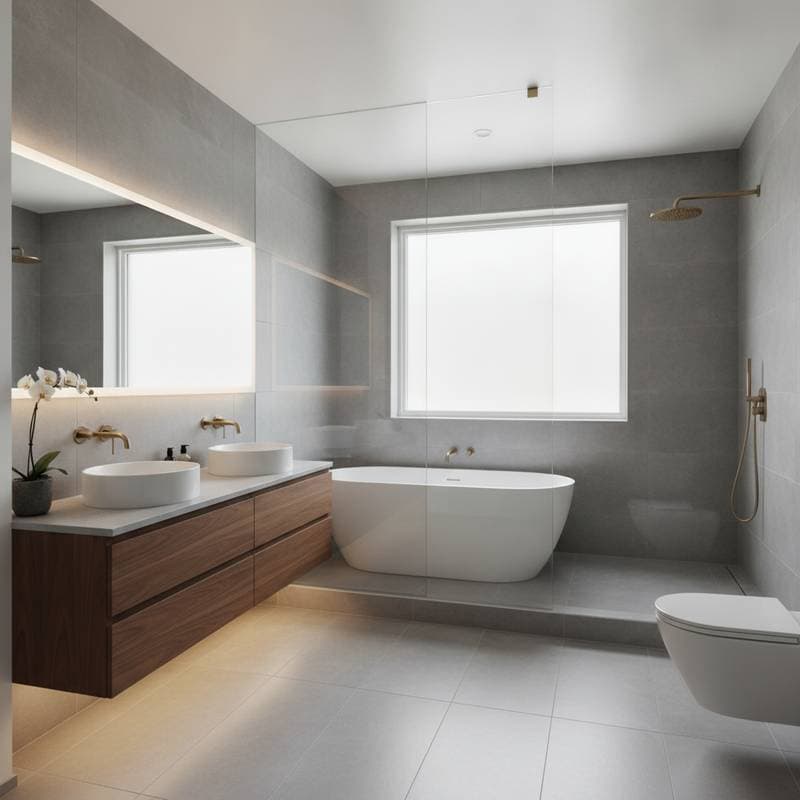
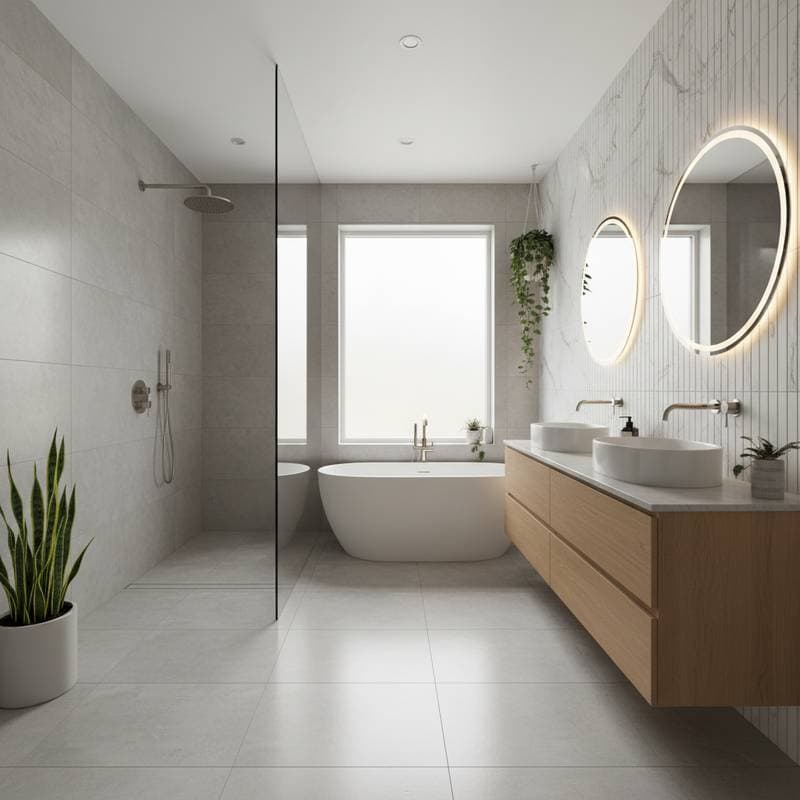
Wet rooms represent a shift in bathroom design toward seamless, barrier-free spaces. Unlike traditional bathrooms with enclosed showers or tubs, wet rooms feature an open layout where the entire floor serves as the shower area. This approach requires comprehensive waterproofing to prevent water damage, creating a spa-like atmosphere that prioritizes both style and safety.
Homeowners appreciate wet rooms for their versatility in various home sizes. These spaces suit modern apartments as well as spacious family residences. The design eliminates tripping hazards, making it ideal for aging in place or accommodating guests with mobility needs.
Key Benefits of Wet Rooms
Wet rooms offer multiple advantages that extend beyond aesthetics. They improve accessibility by removing curbs and doors, which facilitates easier movement for all users. This feature proves particularly valuable in households with elderly members or young children.
Maintenance becomes straightforward in wet rooms. The absence of grout lines and mold-prone corners simplifies cleaning routines. Durable materials like porcelain tiles and sealed drains ensure longevity, reducing long-term repair expenses.
From an environmental perspective, wet rooms promote water efficiency. Low-flow fixtures and targeted drainage systems minimize waste. These elements align with sustainable living trends, appealing to eco-conscious buyers in the real estate market.
The Impact on Home Value
Real estate experts predict that wet rooms will drive an 11 percent increase in home values by 2026. This projection stems from growing demand for accessible, low-maintenance features in urban and suburban properties. Appraisers recognize the premium placed on modernized bathrooms that blend functionality with luxury.
Market data supports this trend. Properties with updated wet rooms sell faster and at higher prices compared to those with outdated layouts. The investment signals to potential buyers a forward-thinking approach to home improvement.
In competitive housing markets, such upgrades differentiate listings. Buyers view wet rooms as a sign of quality construction and thoughtful design. This perception translates directly into stronger offers and quicker closings.
Design Considerations for Wet Rooms
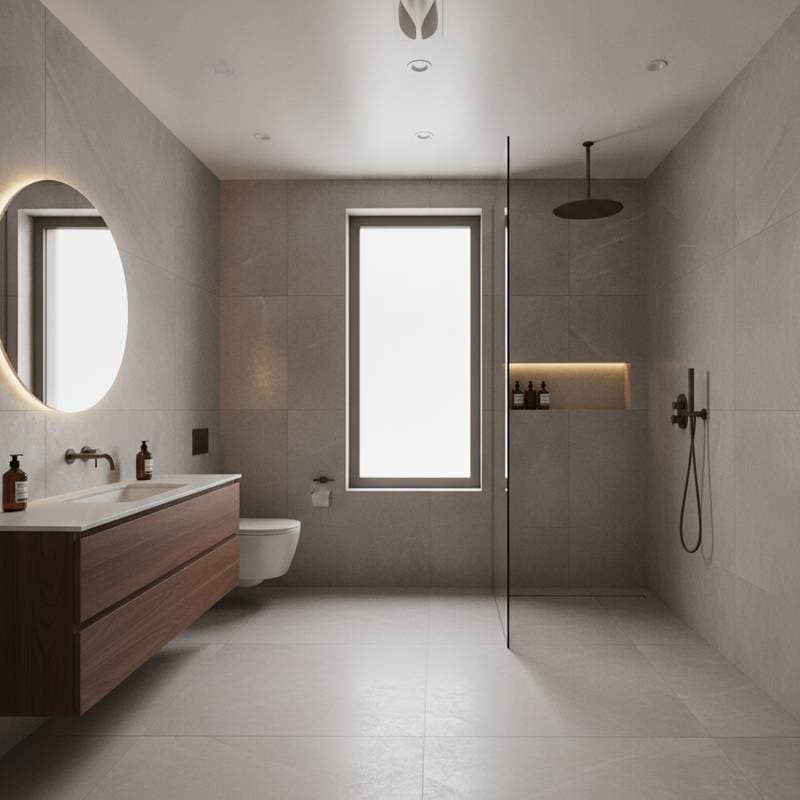
Successful wet room designs start with proper planning. Select non-slip flooring materials that handle constant moisture exposure. Options include large-format tiles or resin-bound surfaces, both of which provide a sleek, uniform appearance.
Incorporate linear drains along walls to direct water flow efficiently. Position them to avoid pooling and ensure quick drying. Adjustable showerheads allow customization for different users, enhancing daily usability.
Lighting plays a crucial role in wet room aesthetics. Recessed LED fixtures create an even glow without harsh shadows. Natural light from frosted glass panels adds warmth while maintaining privacy.
Storage solutions must adapt to the open layout. Wall-mounted shelves or recessed niches keep essentials organized without cluttering the floor. Choose water-resistant materials to preserve the clean lines of the space.
Installation Process and Costs
Installing a wet room involves several steps to guarantee structural integrity. Begin with a professional assessment of the existing bathroom's plumbing and flooring. Waterproofing membranes and tanking systems form the foundation, applied in layers to seal against leaks.
Skilled contractors handle the tiling and fixture installation. Expect the process to take one to two weeks, depending on the room size. Coordination with electricians ensures safe integration of heated floors or ventilation systems.
Costs vary based on materials and complexity. Basic installations start at $9,000 for smaller spaces, covering essential waterproofing and fixtures. Larger or custom designs reach $30,000, incorporating premium elements like underfloor heating or smart controls.
Budget for additional expenses such as permits and potential plumbing rerouting. These factors influence the overall timeline and final price. Consulting local experts provides accurate estimates tailored to specific home conditions.
Maximizing Return on Investment
To achieve the full 11 percent value boost, focus on quality craftsmanship. Use certified installers familiar with building codes to avoid costly revisions. High-end finishes, such as matte black hardware or natural stone accents, elevate the perceived luxury.
Integrate smart technology for added appeal. Motion-sensor lighting and app-controlled showers appeal to tech-savvy buyers. These features position the wet room as a modern hub rather than a basic utility space.
Timing the upgrade aligns with market cycles. Completing the project before listing the home maximizes visibility to seasonal buyers. Professional staging highlights the wet room's features, drawing attention in virtual tours and open houses.
Practical Steps to Get Started
- Evaluate your current bathroom layout to determine feasibility.
- Research local contractors with wet room experience and review portfolios.
- Set a realistic budget that includes a 10 to 15 percent contingency for surprises.
- Select materials that balance durability with your preferred style.
- Schedule the installation during off-peak seasons to secure better rates.
- Plan for temporary relocation of bathroom functions during construction.
Following these steps ensures a smooth transition to your new wet room.
Realizing Long-Term Value
Wet rooms deliver enduring benefits that enhance daily living and property worth. Their design fosters a sense of calm and efficiency, turning routine tasks into enjoyable experiences. As trends evolve toward inclusive and sustainable homes, this upgrade future-proofs your investment.
Homeowners who install wet rooms report higher satisfaction with their living spaces. The combination of practicality and elegance creates environments that adapt to changing needs. Ultimately, this choice supports both personal comfort and financial growth in the years ahead.