
Wet Rooms Emerge as a Strategic Upgrade for Bathroom Flips
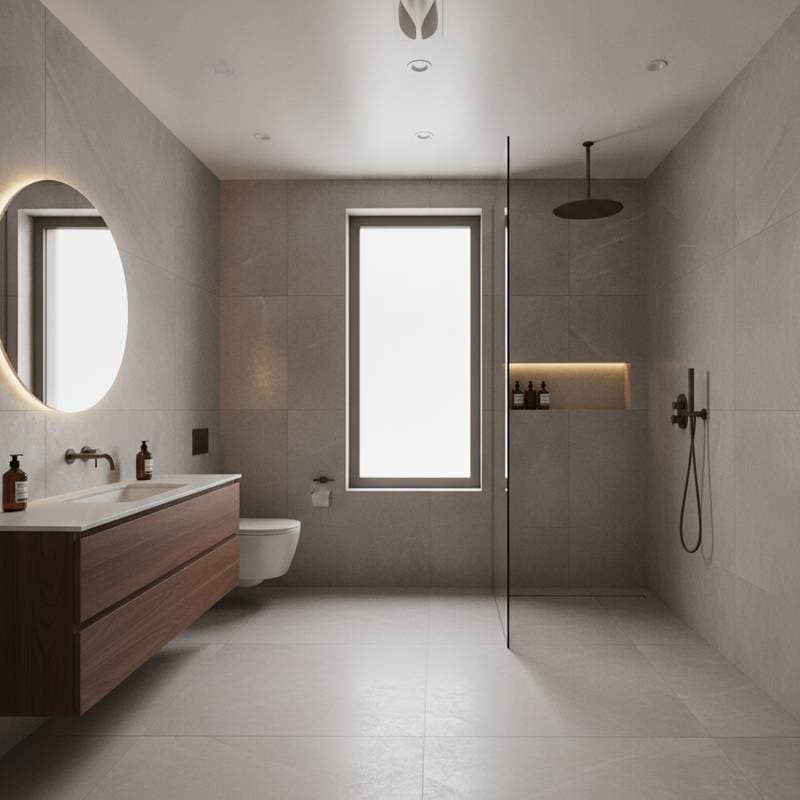
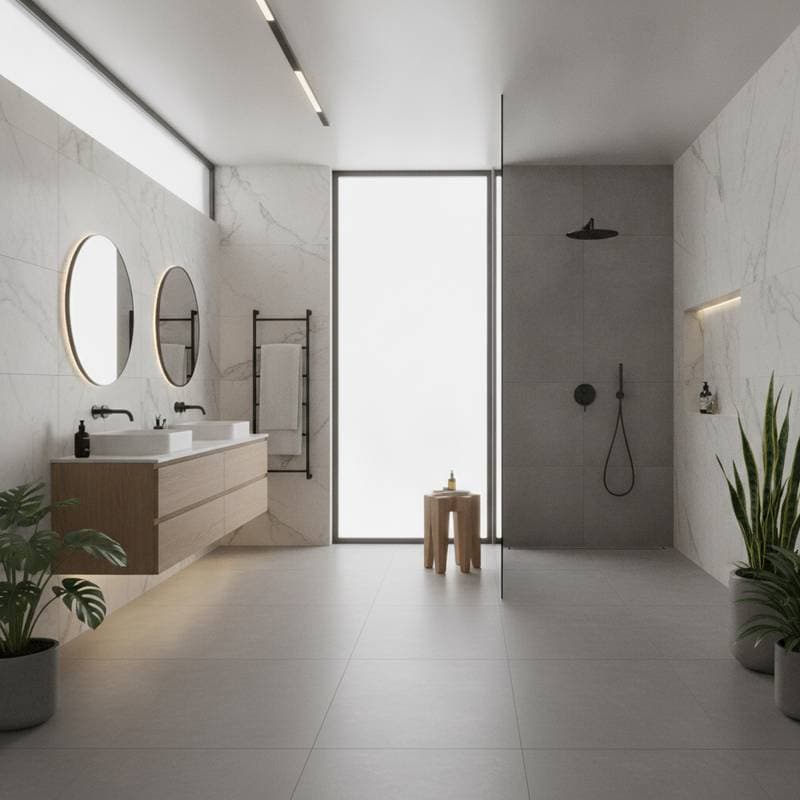
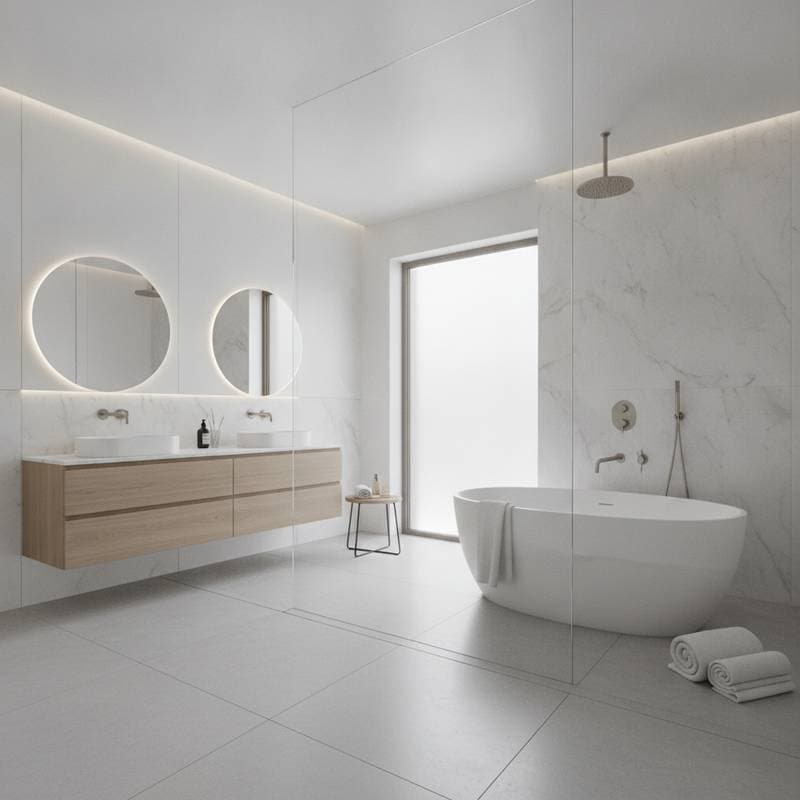
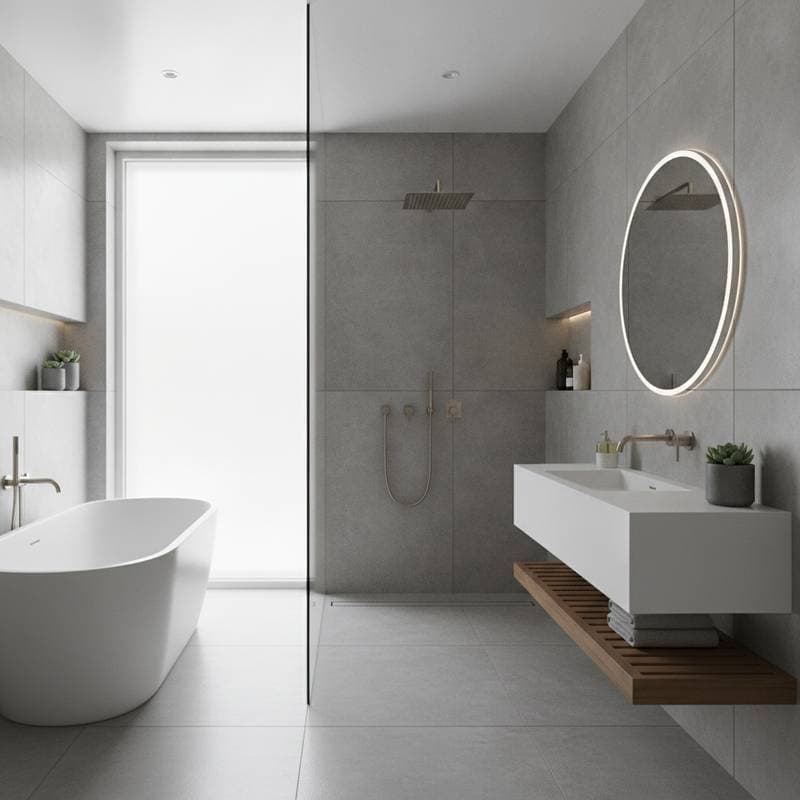
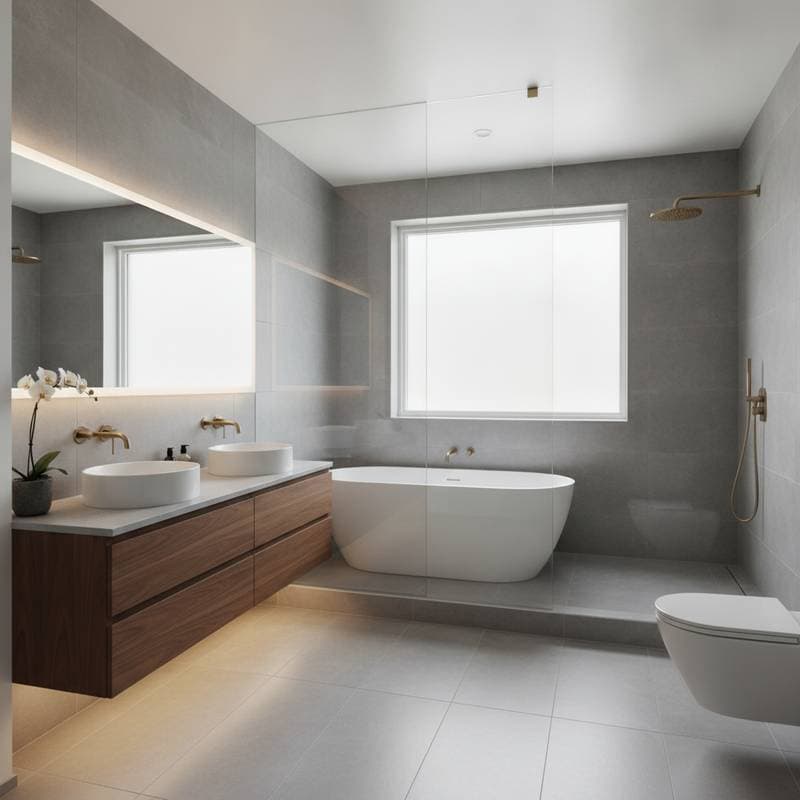
Wet rooms represent fully waterproof bathrooms in which the shower area integrates seamlessly with the surrounding space. Water flows across a gently sloped floor to a central drain, eliminating the need for traditional shower enclosures or trays. This approach aligns with contemporary preferences for minimalist aesthetics and fluid spatial transitions. Homeowners preparing properties for resale find wet rooms particularly appealing, as they convey a sense of modernity and practical efficiency.
Such designs expand the perceived size of compact bathrooms while promoting ease of use. In real estate markets that prioritize streamlined, durable surfaces, wet rooms enhance overall property appeal. They adapt effectively to both upscale renovations and modest updates, contingent on thoughtful material integration and spatial planning.
Advantages and Drawbacks
Advantages
- Expands visual openness and infuses a contemporary aesthetic
- Enhances accessibility for individuals with mobility challenges or aging in place needs
- Simplifies cleaning routines by minimizing seams, edges, and enclosures
- Elevates the sense of sophistication during property showings
- Accommodates diverse bathroom sizes, from cozy powder rooms to expansive suites
Drawbacks
- Involves greater initial investment compared to conventional shower installations
- Demands meticulous waterproofing to avoid moisture intrusion
- May seem overly exposed for those who value enclosed shower privacy
- Increases ambient moisture levels without robust ventilation
- Could limit buyer interest in regions where freestanding tubs remain popular
Professional Installation Versus DIY Approaches
Constructing a wet room involves intricate techniques, including the application of waterproof membranes, precise floor sloping, and integrated drainage systems. Individuals with advanced expertise in tiling and plumbing might attempt a DIY project, but this route suits only seasoned renovators.
Project Difficulty: Advanced
Estimated Timeline: Five to ten days with professional crews; extended durations for solo efforts
Essential Tools: Tile cutter, mixing trowels, specialized waterproofing applicator, precision level, complete drain assembly kit
Potential Hazards: Structural water damage resulting from inadequate sealing
Engage certified professionals for projects requiring drain repositioning, subfloor modifications, or regulatory inspections. Experts ensure the floor achieves the optimal pitch for efficient drainage while securing all junctions against leaks. A qualified specialist often includes a warranty on the waterproofing components, safeguarding the investment and bolstering future marketability.
Upkeep and Longevity
Properly constructed wet rooms require minimal ongoing care. High-quality tiles and grout endure for many years when initially sealed effectively. Schedule grout resealing annually or biennially to preserve integrity. Perform monthly drain maintenance to clear debris, and inspect for subtle moisture indicators near walls or in neighboring areas.
Effective airflow significantly prolongs system durability. Install a powerful exhaust fan equipped with an automatic timer to expel excess vapor promptly. Address any floor incline issues or blockages immediately to avert water pooling. Reputable waterproofing solutions typically feature a ten-year guarantee from authorized installers. Retain all installation records to support property transactions.
Regional Considerations
Environmental conditions and regulatory frameworks influence wet room viability. In areas prone to high humidity or proximity to water bodies, incorporate antimicrobial backer boards and impermeable grout formulations. Regions with colder temperatures benefit from underfloor heating elements to counteract the coolness of expansive wet surfaces.
Municipalities often mandate approvals for alterations involving waterproofing or plumbing reconfiguration. Consult applicable building standards prior to commencement. In legacy structures, evaluate subfloor capacity to support added tile mass and gradient adjustments. Installation expenses fluctuate regionally, with urban coastal zones commanding premiums of 20 to 40 percent over inland or rural equivalents.
Return on Investment and Market Performance
In dynamic real estate environments, wet rooms generate returns ranging from 60 to 80 percent. Prospective buyers associate them with forward-thinking, effortless maintenance features. Properties in metropolitan or style-conscious communities benefit from accelerated closings when bathrooms showcase barrier-free designs and premium surfacing.
For investment flips, emphasize striking visuals paired with uncompromised waterproof assurance. Opt for subdued palettes, satin textures, and sparse grout patterns to attract diverse purchasers. Installation imperfections in a wet room can erode equity, underscoring the necessity of flawless execution.
Ensuring Safety Standards
Deficient waterproofing invites risks such as seepage, structural decay, and microbial growth. Conduct thorough testing of barrier layers prior to surface applications. Select flooring tiles with a friction coefficient of at least 0.42 to mitigate slip hazards, per industry benchmarks.
Incorporate support rails for demographics prioritizing universal access. Position GFCI-protected outlets suitable for moist environments, distant from direct water exposure. For radiant floor systems, retain a licensed electrician to manage thermostat and sensor integrations securely. Prioritize ventilation efficacy to curb vapor accumulation and related deterioration.
Expert Strategies for Optimal Results
- Establish drainage pathways at the outset; post-tiling adjustments incur substantial fees.
- Select oversized porcelain or stone tiles to minimize joint exposure.
- Integrate built-in niches within the wet zone for organized storage solutions.
- Maintain a drainage gradient of approximately one-quarter inch per linear foot, balancing efficacy with user comfort.
- Validate each waterproofing stage through rigorous testing before progression.
A meticulously planned wet room fuses elegance with resilience. It distinguishes a property in competitive listings and instills confidence in the quality of renovations performed.
Implementing Your Wet Room Project
Initiate the process with a detailed schematic and feasible financial outline. Solicit bids from no fewer than three accredited specialists versed in wet room executions. Scrutinize proposed waterproofing methodologies and assurance terms prior to commitment.
Targeting expedited transactions or premium pricing, a wet room investment pays dividends through superior execution. Prioritize operational excellence before aesthetic enhancements. Timeless, unobstructed, and reliably sealed bathrooms endure as enduring assets.