Wet Rooms: Achieving an 11 Percent Value Premium in 2026 Bathroom Trends
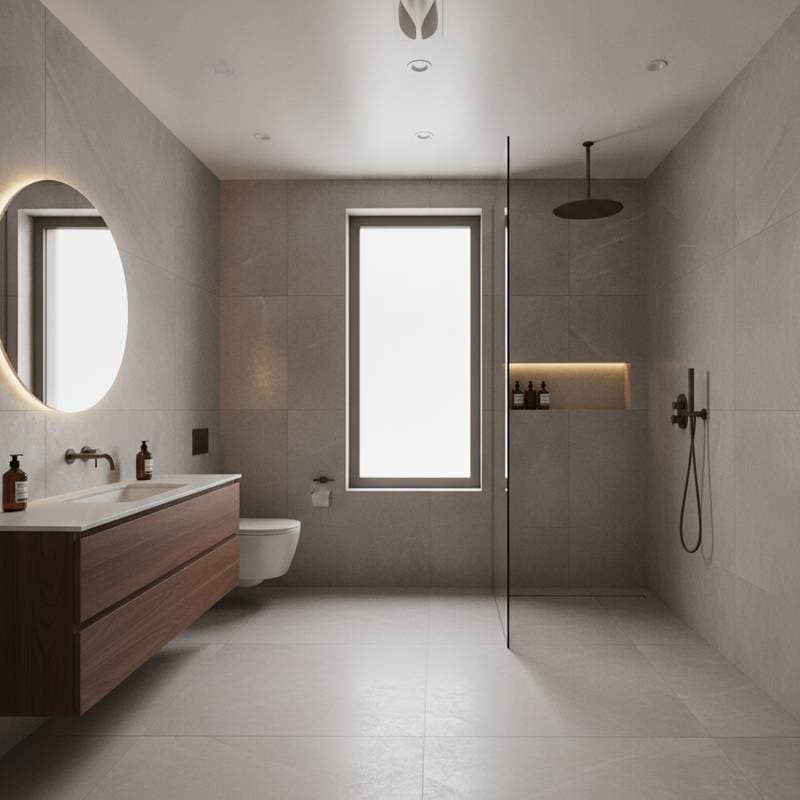
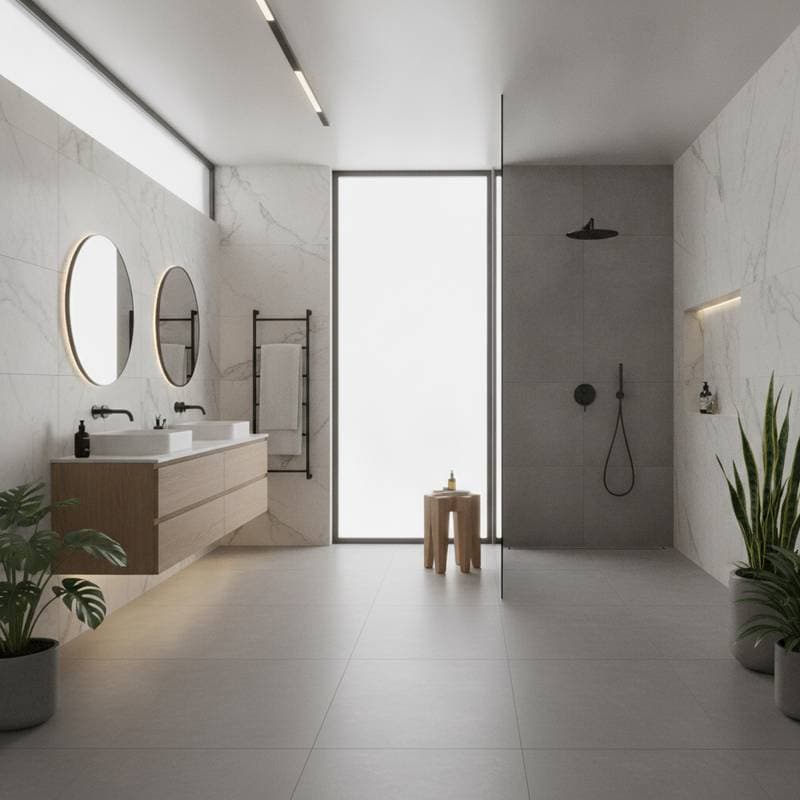
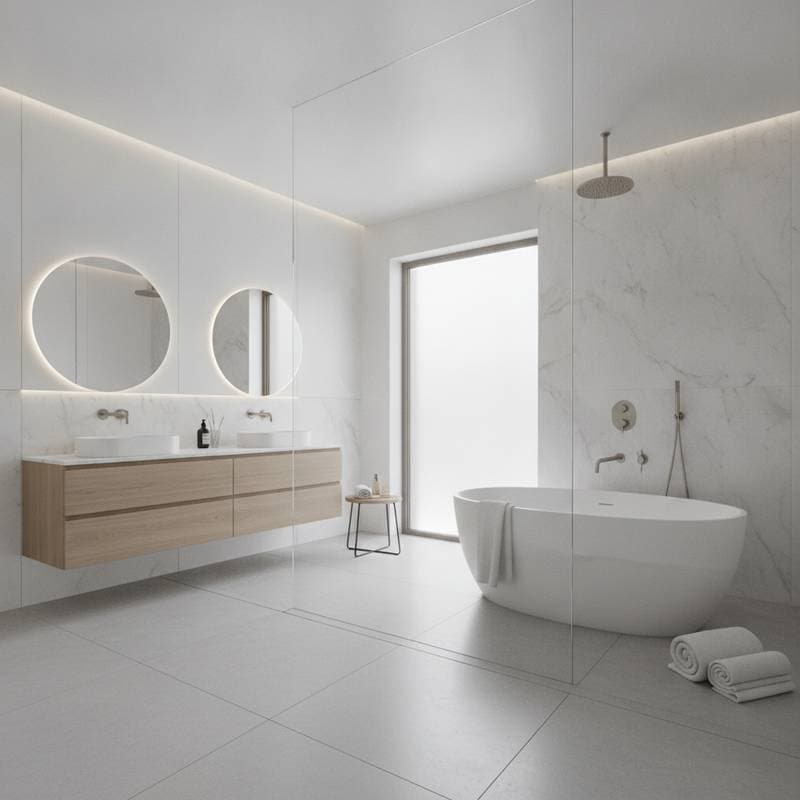
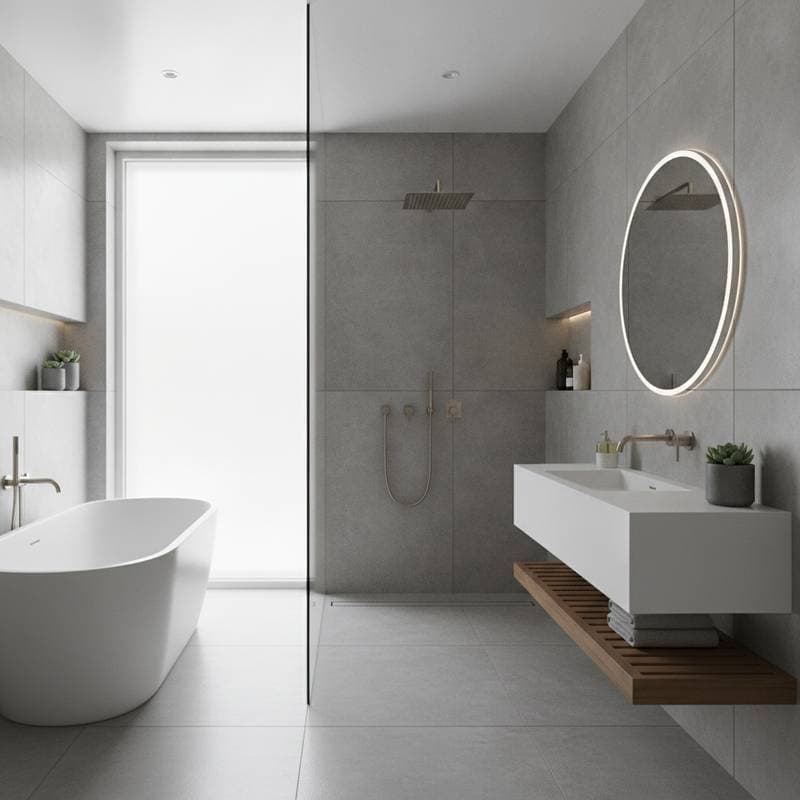
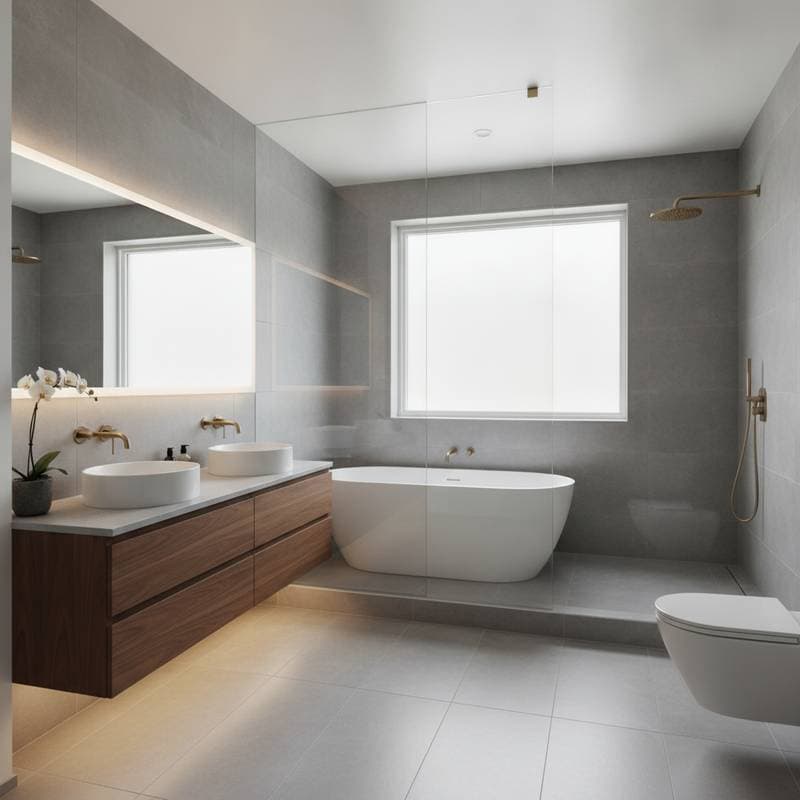
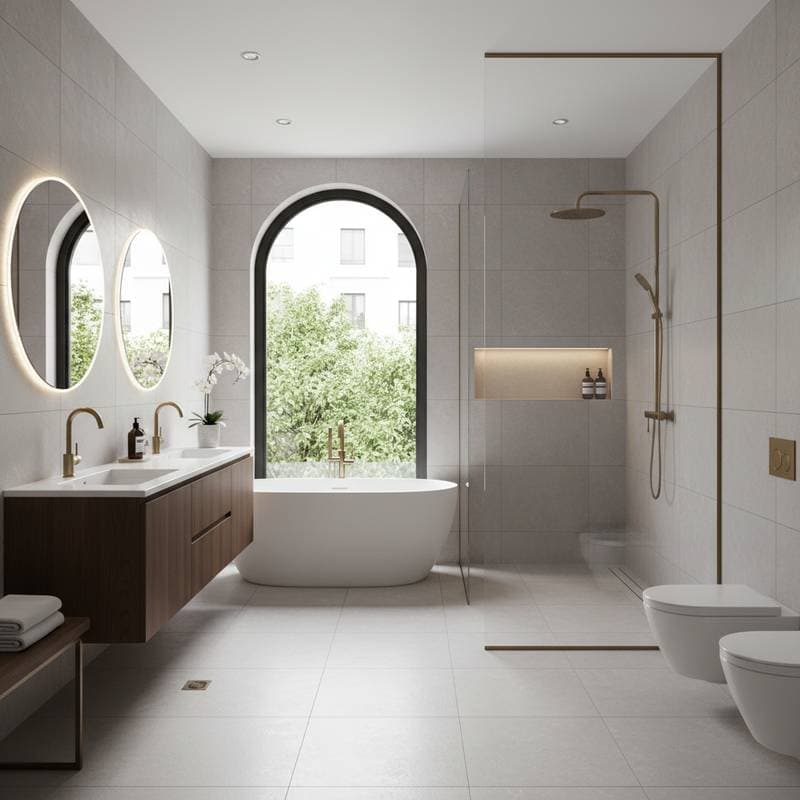
Wet rooms lead bathroom design trends by offering an average 11 percent value increase over traditional bathrooms. Homeowners appreciate the seamless aesthetic, simplified cleaning, and enhanced sense of space. This design eliminates barriers, integrating the shower directly into the open area for a spa-inspired experience and improved accessibility.
Proper waterproofing presents the primary challenge. When executed correctly, it enhances resale value. When mishandled, it risks leaks and mold growth. The following sections outline planning, pricing, and installation strategies to ensure a wet room maintains its value over time.
Reasons Wet Rooms Command an 11 Percent Premium
Prospective buyers and renters view wet rooms as premium upgrades. The streamlined lines, barrier-free access, and spa-oriented layout create the impression of a bespoke bathroom. Real estate professionals consistently observe higher resale values for properties featuring well-installed wet rooms.
Key factors contributing to this premium include:
- Accessibility: Absence of steps or doors facilitates use by individuals of all ages and mobility levels.
- Design Appeal: Uniform tiling and unobstructed sightlines expand the perceived size of compact spaces.
- Cleaning Efficiency: Reduced corners and joints minimize scrubbing efforts.
- Durability: Premium waterproofing materials and tiles outlast conventional plastic shower bases.
Essential Tools and Materials
To construct a wet room, gather these items:
- Waterproof membrane or tanking kit for comprehensive sealing.
- Cement backer board to provide a stable base.
- Tiles and grout specifically rated for wet environments.
- Linear or central shower drain to manage water flow.
- Trowel, level, and mixing bucket for precise application.
- Waterproof tape or corner seals to reinforce joints.
- Silicone sealant for finishing edges.
- Glass screen, if opting for partial enclosure.
Project Timeline
- DIY Construction: Expect 5 to 10 days, factoring in skill level and required curing periods.
- Professional Installation: Typically spans 3 to 6 days, encompassing preparation and waterproofing tests.
Membrane and mortar curing may prolong the overall process to two weeks before the space becomes fully operational.
Safety and Building Code Considerations
- Electrical Requirements: Install lighting and outlets rated for damp locations, with ground fault circuit interrupter (GFCI) protection mandatory.
- Ventilation Standards: Equip the space with a robust exhaust fan to mitigate moisture accumulation.
- Permitting Needs: Local jurisdictions often mandate plumbing permits for drain modifications; consult the municipal code office prior to commencement.
- Slip Prevention: Select floor tiles with elevated slip-resistance ratings, particularly in households with children or elderly residents.
Avoid applying tiles directly over drywall in moisture-exposed zones, as it will degrade over time despite sealing attempts.
Wet Rooms Versus Traditional Bathrooms
| Feature | Wet Room | Standard Bathroom |
|---|---|---|
| Waterproofing | Encompasses the entire room | Confined to shower enclosure |
| Accessibility | Fully step-free | Potentially includes tubs or curbs |
| Cleaning | Simplified, without doors | Involves more seams and edges |
| Design Style | Open and contemporary | Enclosed and conventional |
| Initial Cost | Elevated | More economical |
| Ongoing Maintenance | Minimal with proper sealing | Moderate, requiring frequent caulking |
Although wet rooms involve higher upfront expenses, they lower long-term upkeep demands. Additionally, they enhance the spaciousness of smaller areas, potentially elevating the property's overall market value.
Situations Requiring Professional Assistance
Engage a specialist if:
- Structural issues appear beneath existing flooring.
- The subfloor demands leveling or full replacement.
- Plumbing relocation exceeds minor adjustments.
- A warranty becomes necessary to substantiate resale claims.
Experts manage critical elements such as slope accuracy, membrane adhesion, and regulatory adherence. They frequently offer guidance on selecting tiles and layouts that harmonize with the room's dimensions.
Routine Maintenance Practices
- Wipe tiles weekly to eliminate soap residue.
- Reapply grout sealant annually to preserve waterproof integrity.
- Inspect and renew caulk around glass panels and drains biannually.
- Clear linear drains periodically to avoid drainage issues.
In regions with harsh winters, verify underfloor heating functionality prior to the season for consistent warmth distribution.
Expert Recommendations for Optimal Results
- Determine the slope gradient before purchasing tiles, as it affects pattern arrangements.
- Source all waterproofing components from a single manufacturer to ensure compatibility.
- Conduct a flood test pre-tiling by filling the area with water to detect potential leaks.
- Position the drain initially, then tailor the slope and tile configuration accordingly.
- Employ bright, focused lighting during tiling to reveal any irregularities in shadows.
Attention to details like drain positioning and grout line consistency significantly elevates the final aesthetic.
Factors Influencing Resale Value
Industry experts highlight that wet rooms demonstrate superior craftsmanship. Buyers anticipate sophisticated waterproofing, high-quality tiles, and impeccable finishes. Properties equipped with resilient wet rooms often attract quicker offers in saturated markets.
This 11 percent premium stems from both aesthetic luxury and tangible robustness. Purchasers value reduced maintenance surfaces and fewer replacement needs in the future.
To maximize sustained value:
- Secure a transferable warranty on the waterproofing system.
- Ensure thorough sealing of tiles and grout.
- Incorporate effective ventilation and illumination.
- Align the design with the residence's prevailing architectural theme.
Planning Your Wet Room Upgrade
Evaluate your current bathroom's dimensions, plumbing configuration, and subfloor integrity as the initial step. Consider whether a completely open layout or a screened partition suits your preferences. Allocate a budget that incorporates at least a 20 percent contingency for waterproofing materials and verification processes.
A wet room transcends mere aesthetics; it represents a strategic enhancement that integrates beauty, utility, and enduring worth.