Wet Rooms Replacing Tubs: An 11% Value Boost Projected for 2026
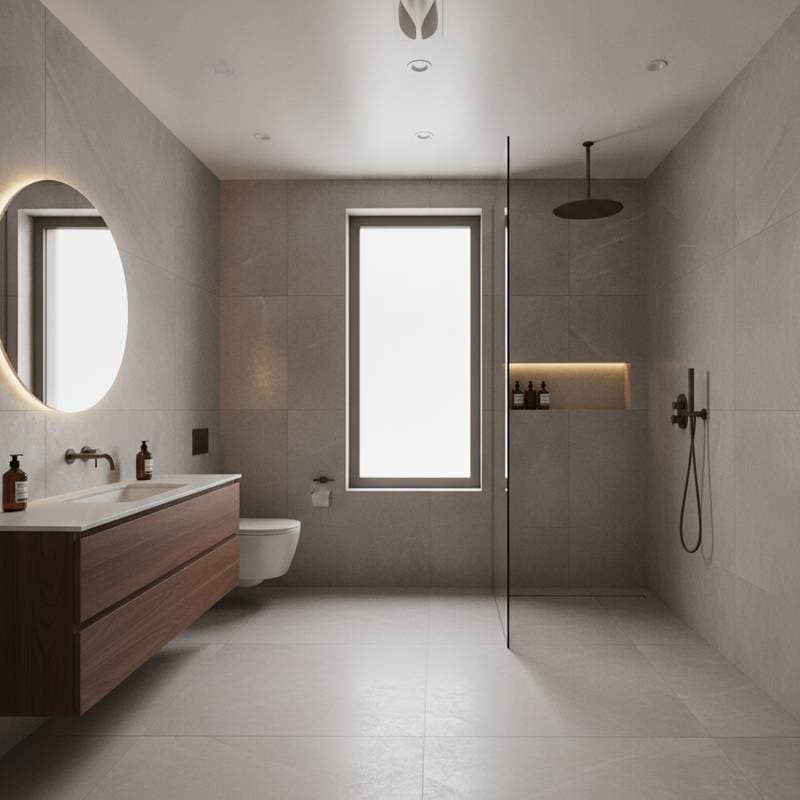
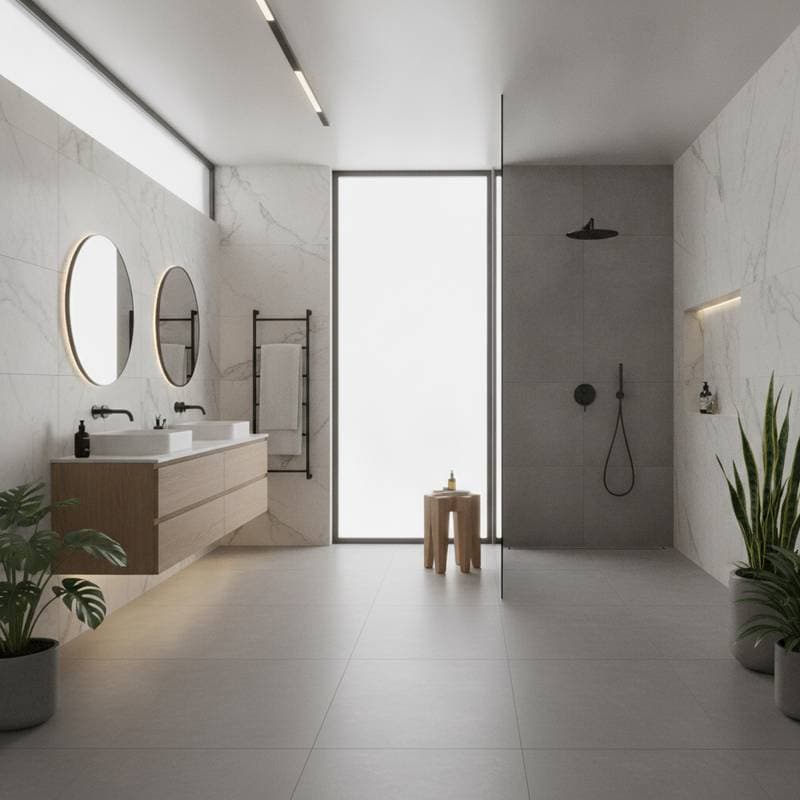
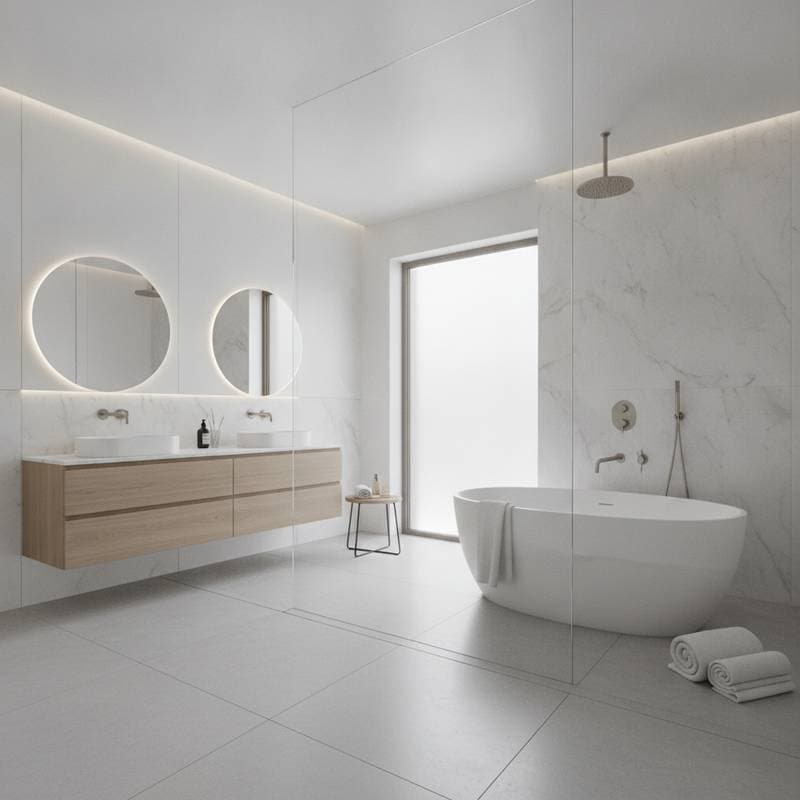
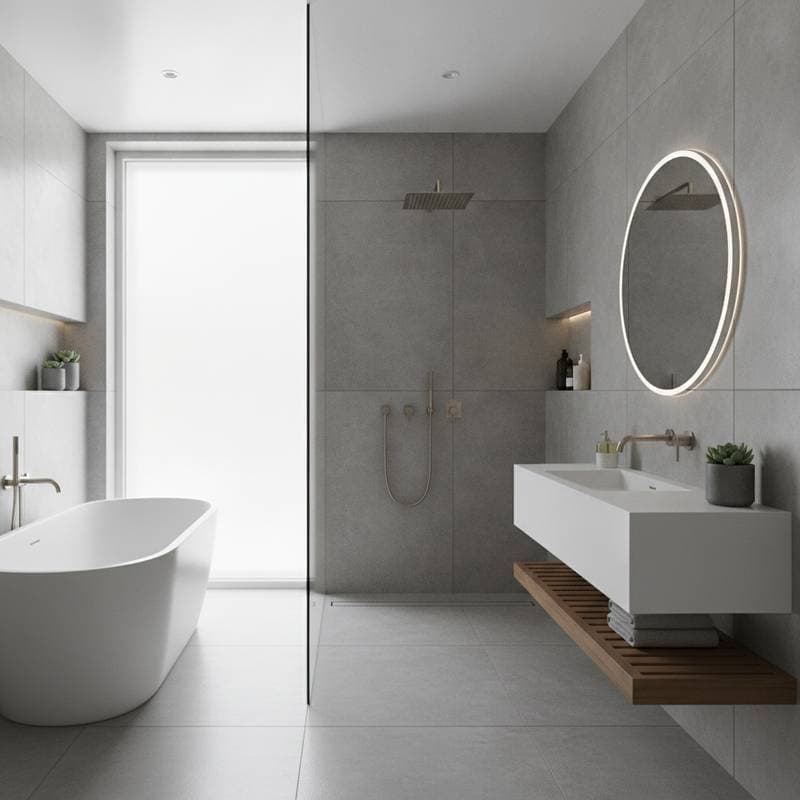
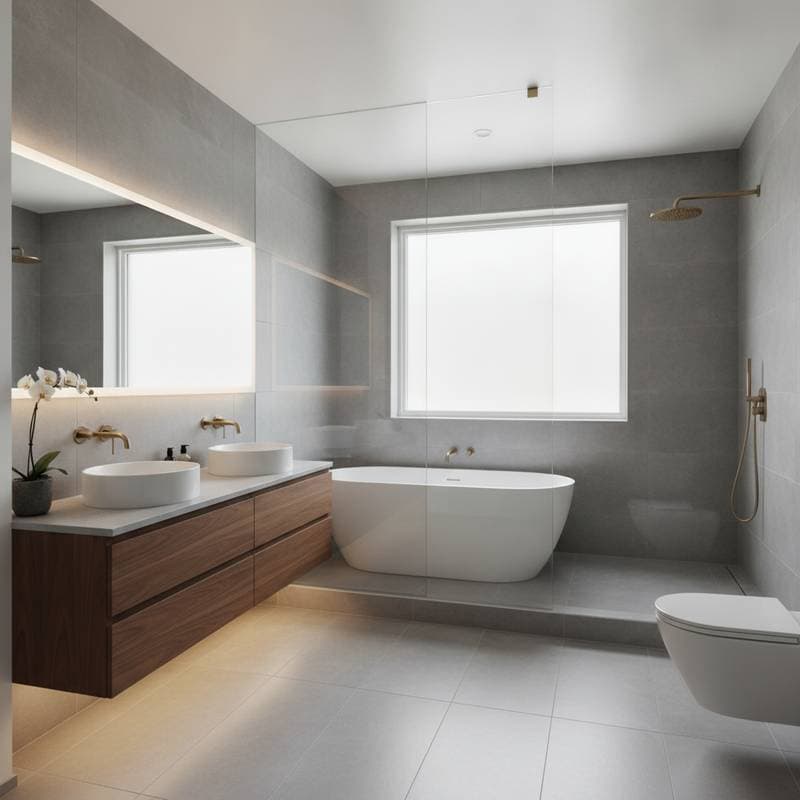
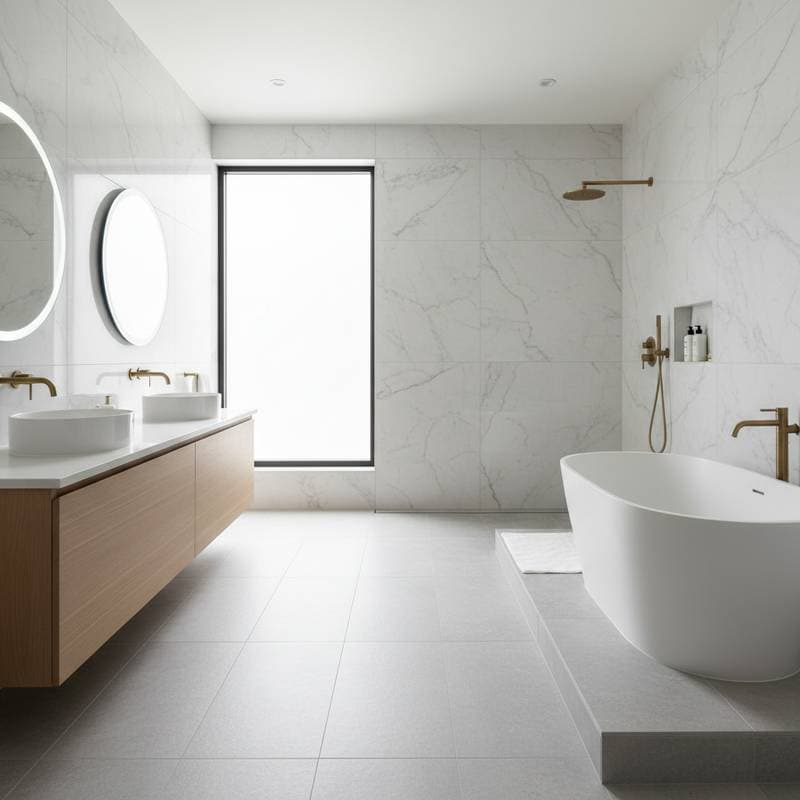
Wet rooms represent fully waterproof bathrooms featuring open, doorless showers. These designs eliminate traditional tubs or enclosed stalls in favor of a seamless, level surface that facilitates efficient drainage. Such configurations align well with contemporary home aesthetics, adaptations for aging in place, and optimizations for compact areas that benefit from a streamlined, expansive appearance. Market analyses indicate that properties incorporating wet rooms may experience value increases of up to 11 percent within upcoming real estate cycles, particularly in premium renovation projects.
Cost Overview
The average expense for installing a wet room ranges from $8,000 to $18,000. Many homeowners allocate between $10,000 and $14,000 for a standard mid-level installation. Projects incorporating bespoke elements, such as intricate tile patterns, linear drainage systems, or radiant floor heating, often exceed $25,000.
Key factors influencing expenses include the dimensions and configuration of the current bathroom space, the selected waterproofing methods and materials, the variety and intricacy of tiling choices, the specifications for drainage and floor sloping, as well as prevailing labor rates and regional construction standards.
Advantages and Disadvantages
Advantages
- Enhances spatial flow in compact bathrooms by removing barriers
- Elevates resale appeal through contemporary, inclusive designs
- Simplifies cleaning compared to traditional showers or bathtubs
- Supports barrier-free access, including accommodations for wheelchairs
- Demonstrates longevity when equipped with comprehensive waterproofing
Disadvantages
- Involves higher upfront costs relative to basic shower conversions
- Demands specialized waterproofing expertise to avoid moisture intrusion
- Potentially requires modifications to the subfloor for accurate sloping
- Might impart a cooler ambiance in the absence of enclosing elements
- Certain prospective buyers favor bathtubs for household practicality
Variations and Configurations
Full Wet Room
This approach waterproofs the entire bathroom area, making it suitable for compact layouts or designs emphasizing minimalism.
Partial Wet Zone
Waterproofing and sloping concentrate solely on the shower section, which proves advantageous in spacious bathrooms where containment of water proves straightforward.
Curbless Shower Wet Room
The absence of steps or curbs between the shower and the main floor supports seamless transitions, ideal for renovations prioritizing mobility and aging-in-place features.
Luxury Wet Room
Premium installations incorporate elements like radiant underfloor heating, bespoke illumination, and expansive tile formats, catering to high-end residential settings.
Professional Installation Versus DIY Efforts
Wet room projects do not suit novice undertakings. They necessitate thorough waterproofing, tailored drainage solutions, and meticulous slope adjustments. Professional crews typically complete installations in three to seven days, contingent upon the complexity of the layout and tiling requirements.
- DIY Difficulty Level: High
- Essential Tools: Tile cutting saw, application trowels, waterproofing membrane kits, drainage components, precision leveling devices
- Primary Hazards: Water leakage, inadequate sloping, potential mold development, non-compliance with building codes
Engage certified plumbers and tiling specialists to guarantee precise sloping, aligned drainage, and complete waterproofing. Errors during these phases can lead to expensive structural issues over time.
Essential Installation Steps
- Design the Layout and Drainage System. Verify the optimal drain positioning and sloping specifications to ensure effective water flow.
- Demolish Existing Tub and Surfaces. Strip away fixtures down to the subfloor and framing elements.
- Reinforce or Flatten the Subfloor. Establish a firm foundation capable of supporting the waterproofing layer.
- Position the Drain and Prepare the Slope. Form a uniform gradient directing water toward the drain assembly.
- Deploy the Waterproof Membrane. Apply coverage across the floor, walls, and joints without omissions.
- Execute Tile Placement. Commence with the floor tiles, followed by wall applications, incorporating necessary expansion joints.
- Apply Grout and Sealants. Select waterproof or epoxy-based grouts for enhanced durability.
- Mount Fixtures and Accessories. Integrate options such as adjustable showerheads or wall-affixed controls for user convenience.
- Verify Functionality and Finalize. Test water flow to assess drainage efficiency and membrane integrity, then perform thorough cleaning.
Upkeep and Durability
Properly constructed wet rooms endure for 20 to 30 years. Inspect grout lines and seals annually to detect early wear. Reapply sealants to tiles every three to five years to maintain protection. Regularly clear drains of debris like hair and soap residue to prevent clogs. Reputable waterproofing systems often include 10-year warranties when installed according to manufacturer guidelines.
Comparable Options
Walk-in Shower with Glass Enclosure
This alternative installs with relative ease and at reduced cost, though it offers less openness than a full wet room.
Combined Tub-Shower Unit
Such setups provide versatility for family needs, yet they lack the modernity of open-concept designs.
Enclosed Steam Shower
This addition introduces spa-like amenities but requires robust ventilation and incurs elevated expenses.
Roll-in Accessible Shower
Resembling a wet room in accessibility, it employs targeted waterproofing rather than comprehensive coverage.
Regional Considerations
Local climate influences installation timelines and moisture management. In humid or coastal environments, incorporate mold-resistant backing materials and fans designed for prolonged use. Colder regions gain from heated flooring to counteract the chill of exposed surfaces. Municipalities with rigorous plumbing regulations might mandate certified sloping by professionals or mandatory inspections. Certain jurisdictions enforce ADA standards for drain locations and non-slip flooring in curb-free setups.
Return on Investment and Market Appeal
Real estate evaluations suggest wet rooms can enhance property values by as much as 11 percent, varying by geographic area and quality of execution. Prospective buyers perceive these as sophisticated, low-effort enhancements. Optimal returns arise from renovations in medium-sized bathrooms, where tub removal maximizes spatial efficiency and inclusivity. In luxury properties, integrating these with contemporary finishes and efficient fixtures amplifies the benefits further.
Essential Safety Measures
Comprehensive waterproofing remains non-negotiable; employ seamless membrane systems beneath all tiling. Select flooring with at least an R10 slip-resistance rating to minimize accident risks. Adhere to local codes regarding drain configurations and airflow provisions. Position electrical outlets away from water exposure areas. For radiant heating additions, choose systems certified by UL with integrated fault protection. Confirm slope orientation prior to tiling to eliminate water pooling.
Advancing Your Renovation Project
A well-executed wet room delivers enhanced comfort, inclusive access, and tangible value appreciation. Obtain quotes from at least three licensed remodelers experienced in curbless and waterproof installations. Solicit client references and inspect completed worksites. Familiarize yourself with permitting requirements prior to commencing demolition. Through diligent preparation and skilled execution, this upgrade modernizes your space while positioning it for substantial future gains.