Wet Rooms: Projected 11 Percent Market Growth for Barrier-Free Bathrooms by 2026
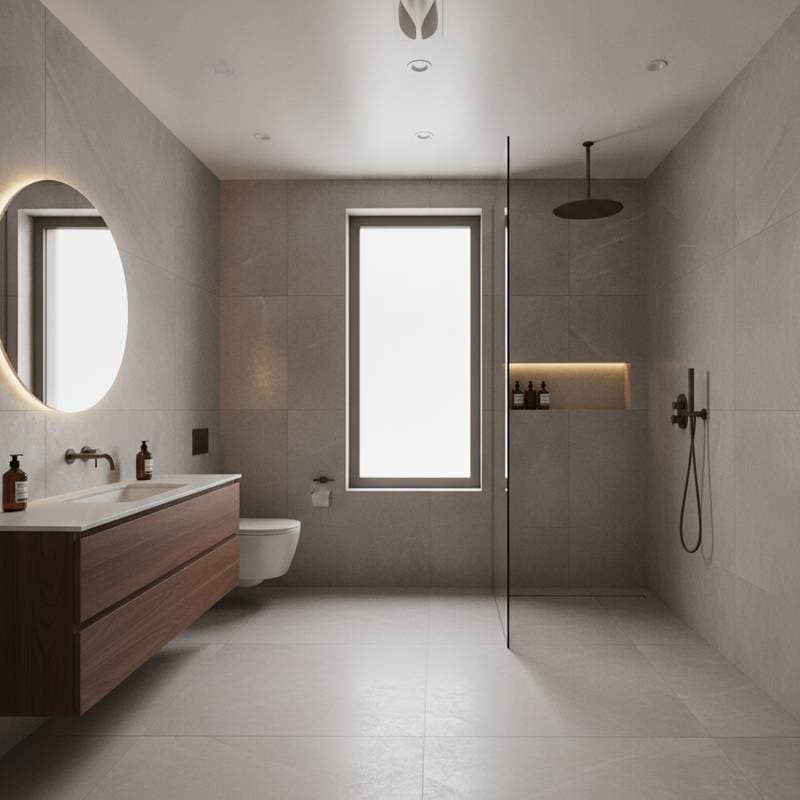
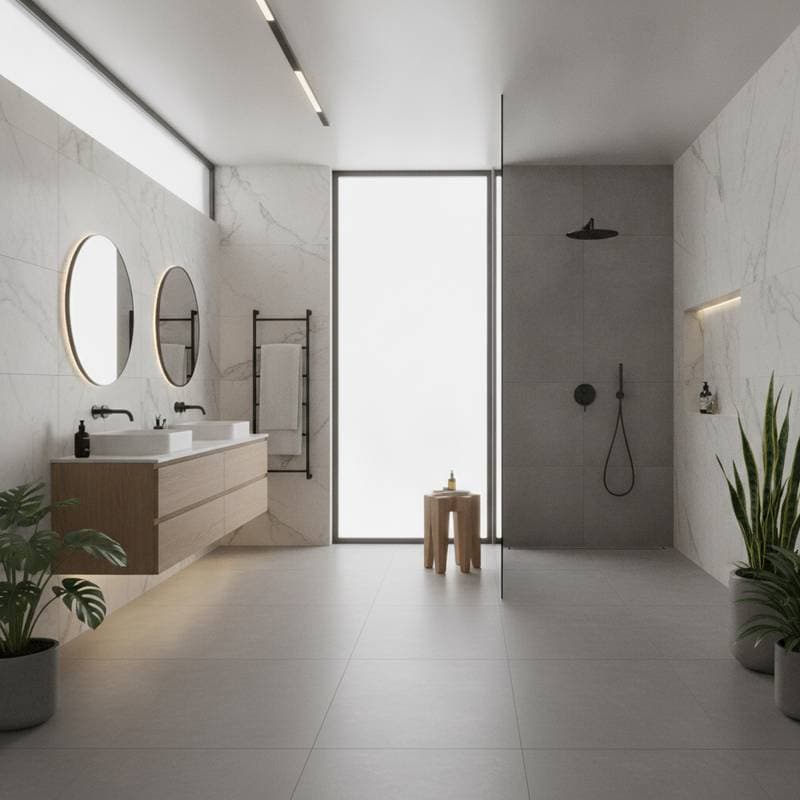
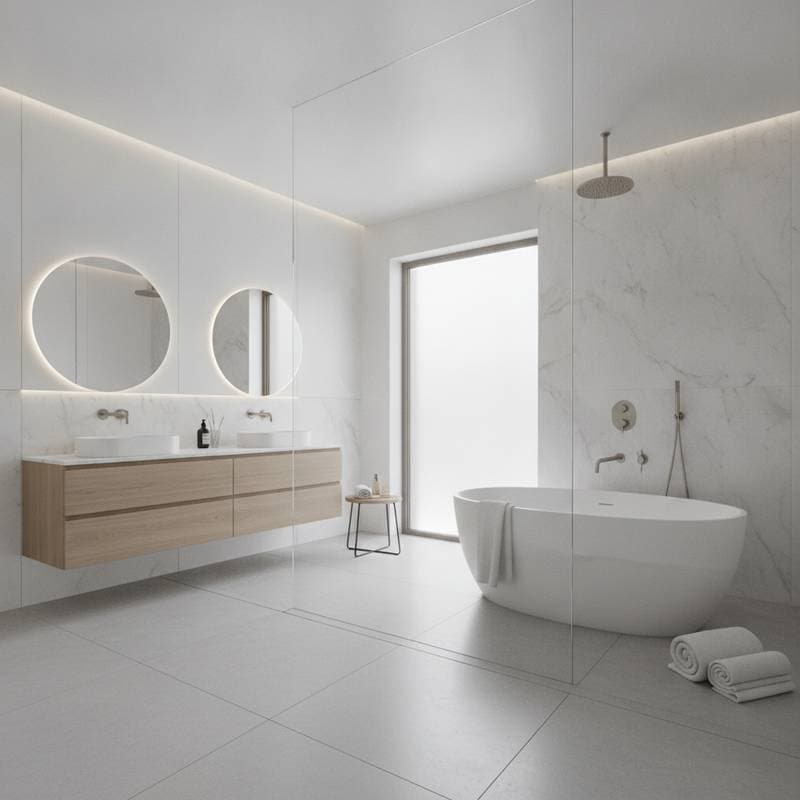
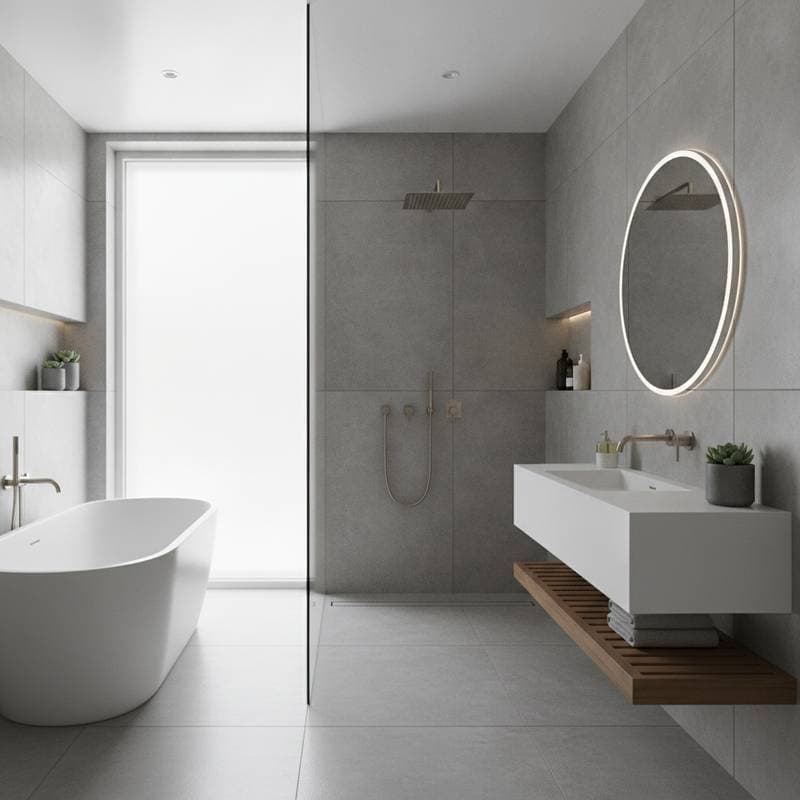
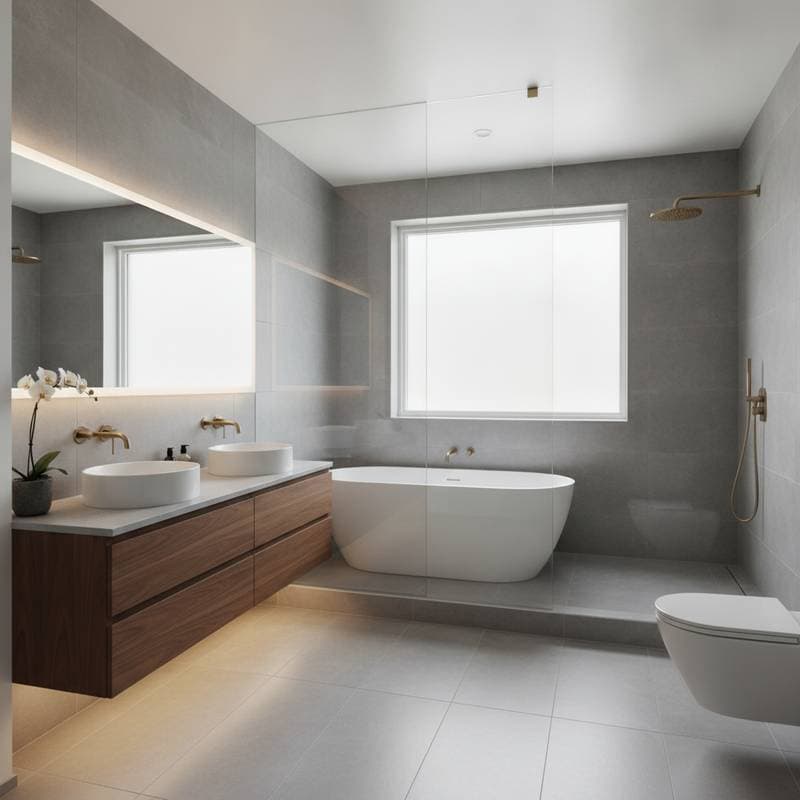
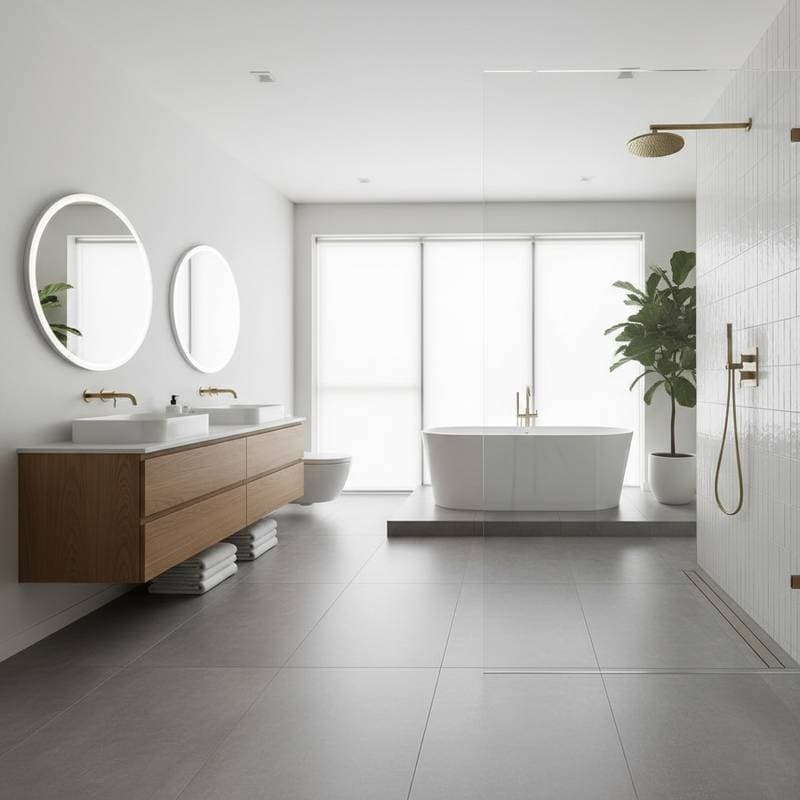
Wet rooms represent fully waterproofed bathroom spaces where the shower area integrates seamlessly at floor level, eliminating the need for a shower tray or raised threshold. This design appeals to homeowners pursuing contemporary, accessible, and low-maintenance environments. Industry projections indicate an 11 percent increase in sales for barrier-free bathrooms by 2026, driven by demand in new constructions and renovations alike.
Such installations prove ideal for individuals desiring an uncluttered aesthetic or requiring enhanced mobility support. They harmonize aesthetic appeal with functional safety, particularly in households prioritizing both elements.
Advantages and Disadvantages
Advantages
- Enhances accessibility and safety across all age groups
- Delivers a cohesive, contemporary appearance with simplified cleaning routines
- Increases property value and attracts a wider range of potential buyers
- Accommodates versatile layouts in compact or expansive areas
- Integrates effectively with underfloor heating systems
Disadvantages
- Involves elevated upfront expenses compared to conventional showers
- Necessitates meticulous waterproofing to avoid moisture infiltration
- May convey a chilly sensation absent adequate heating or airflow solutions
- Risks water dispersion if the floor gradient or drainage configuration falters
- Potentially compromises seclusion in multi-user bathroom settings
Professional Installation Versus Do-It-Yourself Approaches
Constructing a wet room constitutes a complex endeavor unsuitable for novice do-it-yourself efforts. It requires expertise in waterproofing techniques, plumbing adjustments, and precise floor preparation.
Do-It-Yourself Assessment
Complexity Level: Advanced
Projected Duration: Five to ten days, assuming a skilled team
Essential Equipment: Tile cutter, application trowels, tools for waterproof membrane installation, precision level, and specialized drain assembly
Potential Do-It-Yourself Hazards
- Moisture breaches that compromise subfloor integrity or structural framing
- Improper gradients resulting in pooled water accumulation
- Inadequate drainage leading to persistent odors or backups
Professionals with licensing in relevant trades should handle core tasks such as waterproofing application, tiling, and drain setup. Do-it-yourself contributions remain feasible for superficial elements, including surface painting or trim adjustments.
Upkeep and Durability
Properly constructed wet rooms endure for 20 to 30 years.
Daily and Periodic Maintenance
- Dry surfaces promptly after use to minimize mold development
- Inspect grout lines and sealants annually for wear
- Clear drain screens monthly to avert obstructions
- Apply fresh sealant to tile joints every three to five years
Reputable installations incorporate manufacturer-backed warranties on waterproof membranes, typically spanning 10 to 15 years. Compliance with building regulations often mandates slip-resistant flooring materials and designated drain specifications; verification of these standards precedes any work.
Regional Considerations
Variations in local labor costs, regulatory frameworks, and environmental conditions influence both expenses and practicality.
Environmental Influences
- In cooler climates, incorporation of underfloor heating proves advantageous for comfort
- Humid regions demand robust ventilation systems to inhibit mold proliferation
Regulatory Requirements
- Certain municipalities enforce inspections for floor slopes or conduct flood testing
- Coastal locations may stipulate drains resistant to corrosion from saline exposure
Labor and Material Availability
- Metropolitan areas with elevated construction activity often incur 10 to 20 percent higher costs
- Rural settings might encounter delays in sourcing specialized components
Securing necessary permits forms a critical initial step. Authorities in some areas categorize wet room projects as extensive plumbing modifications subject to oversight.
Essential Safety Measures
Failure in waterproofing poses the primary hazard. Select membranes and drains certified to rigorous standards, such as ANSI A118.10 for shear strength and waterproof performance.
Critical Safety Protocols
- Install floor tiles with non-slip ratings suitable for perpetually damp environments
- Position grab bars strategically adjacent to the shower region
- Equip all electrical outlets with ground-fault circuit interrupter protection
- Provide sufficient ventilation to curb mold growth
- Verify that flooring substrates withstand prolonged moisture exposure
Conduct a comprehensive flood test prior to tiling completion. Even minor leaks can escalate into significant structural impairments over time.
Installation Costs and Planning
Wet room projects typically range from $13,000 to $18,000, encompassing materials, labor, and compliance measures. Factors such as room size, material selections, and regional premiums dictate the final figure. Budget allocation should prioritize waterproofing integrity and drainage efficiency to safeguard long-term performance.
Frequently Asked Questions
What distinguishes a wet room from a traditional bathroom?
A wet room features a level floor throughout, with integrated drainage, whereas traditional setups rely on enclosed showers or trays to contain water.
How does one ensure proper waterproofing?
Apply a certified liquid membrane over the substrate, followed by reinforcement fabric at joints and drains, then perform a 24-hour flood test.
Are wet rooms suitable for all home sizes?
Yes, scalable designs adapt to small powder rooms via compact fixtures or larger suites with zoned layouts.
What materials work best for wet room floors?
Porcelain or natural stone tiles with textured surfaces provide durability and slip resistance; avoid overly smooth options.
Can underfloor heating integrate with wet rooms?
Absolutely; electric or hydronic systems install beneath the waterproof membrane, enhancing comfort without compromising waterproofing.
Achieving a Successful Wet Room Upgrade
Wet rooms fuse practicality with elegance, aligning with evolving preferences for inclusive, streamlined living spaces. This rising trend underscores a shift toward bathrooms that prioritize ease of use alongside visual sophistication. For minor refreshes or comprehensive overhauls, emphasize flawless waterproofing, intuitive spatial planning, and resilient components.
Solicit bids from at least three certified specialists experienced in wet room executions. Evaluate their portfolios, waterproofing protocols, and adherence to codes. Address ventilation and heating needs upfront. Through thoughtful preparation and expert execution, this barrier-free solution delivers enduring utility and aesthetic enhancement with straightforward maintenance.