Introduction to Mudroom Value
Homeowners seek upgrades that enhance functionality while increasing property worth. Mudrooms stand out as a strategic addition, particularly for 2026 projections. These spaces transform chaotic entryways into organized hubs, yielding a remarkable 92% return on investment according to industry analyses.
The appeal lies in their versatility. Families benefit from dedicated areas for shoes, coats, and gear, reducing clutter throughout the home. Resale markets favor such practical features, signaling thoughtful design to potential buyers.
Understanding the 92% ROI Projection
Return on investment calculations for home improvements consider both cost recovery and added value at sale. For mudrooms, experts predict 92% ROI by 2026 due to rising demand for organized, low-maintenance living spaces. This figure surpasses many cosmetic updates, as mudrooms address everyday needs while enhancing curb appeal.
Factors driving this projection include evolving buyer preferences. Urban and suburban dwellers prioritize homes with built-in storage to accommodate busy lifestyles. Durable mudrooms also minimize wear on main living areas, preserving overall home condition.
Market data supports this trend. Recent surveys indicate that properties with functional entry solutions sell 15% faster. As remote work persists, versatile home layouts gain premium pricing, positioning mudrooms as a wise financial choice.
Key Benefits of Installing a Mudroom
Mudrooms provide immediate practical advantages. They serve as a buffer zone, containing dirt, moisture, and outdoor elements before they enter the home. This setup protects flooring and furnishings, extending their lifespan.
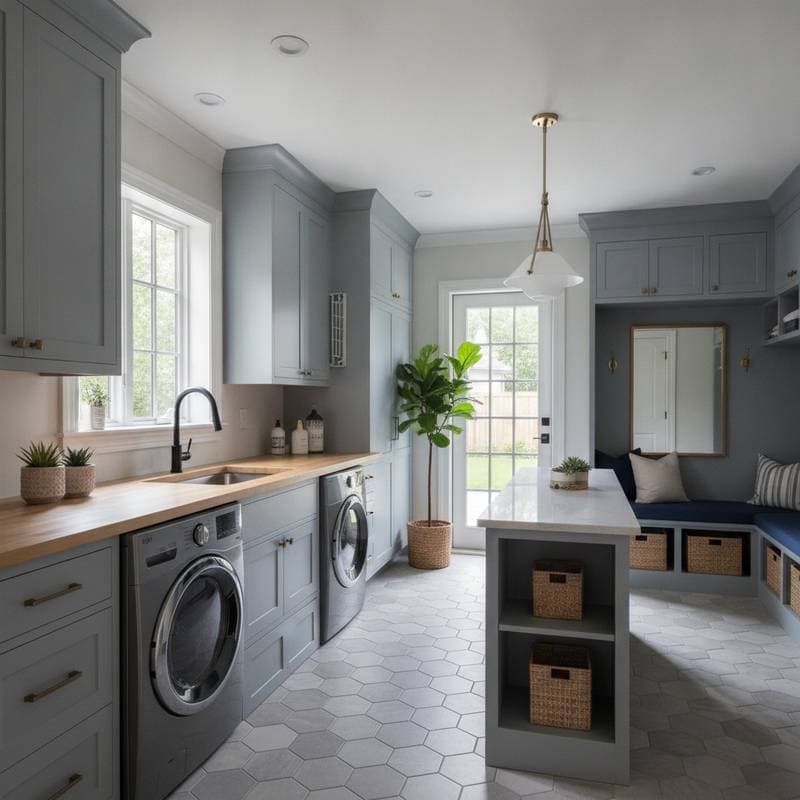
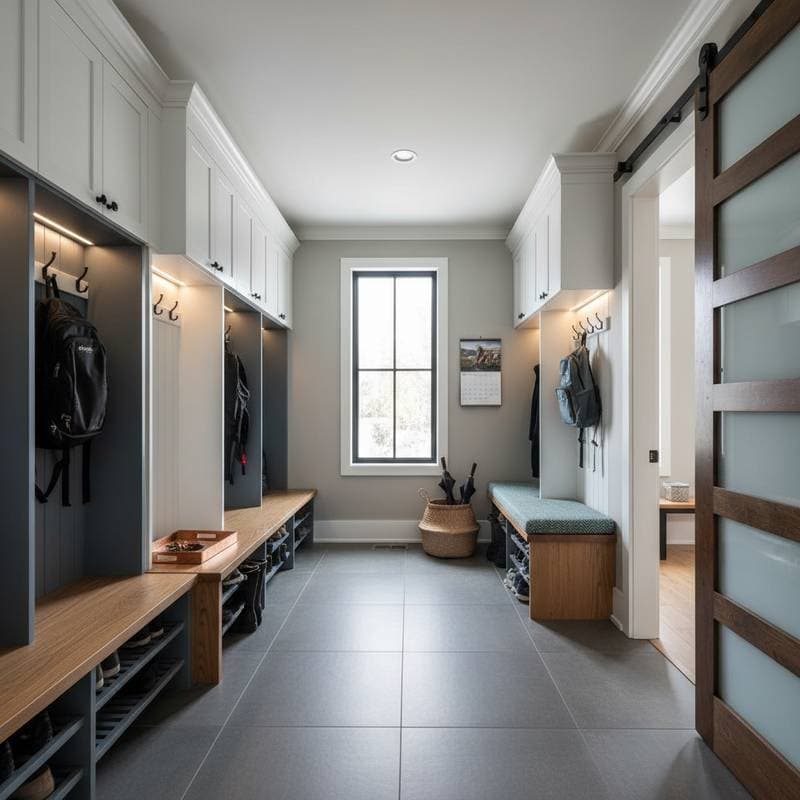
Organization emerges as a core strength. Custom cabinetry, hooks, and benches create dedicated spots for family items. Such systems streamline routines, saving time on tidying and reducing household stress.
Beyond utility, mudrooms elevate aesthetic quality. Thoughtful designs integrate with home architecture, creating welcoming transitions. Enhanced flow improves perceived space, contributing to a cohesive interior narrative.
Essential Design Considerations
Effective mudroom design begins with spatial assessment. Measure entry points and traffic patterns to determine size and layout. Aim for at least 50 square feet to accommodate multiple users without congestion.
Material selection ensures longevity. Opt for moisture-resistant options like vinyl plank flooring and sealed wood cabinetry. These choices withstand heavy use and humidity, maintaining appearance over time.
Incorporate multifunctional elements. Install built-in benches with under-seat storage for seating and concealment. Wall-mounted hooks and cubbies maximize vertical space, ideal for smaller areas.
Lighting and ventilation play crucial roles. Recessed LEDs provide ample illumination for sorting items. Exhaust fans or windows prevent dampness buildup, promoting a fresh environment.
Cost Breakdown and Budgeting Strategies
Mudroom installations vary in expense based on scope and materials. Basic setups range from $5,000 to $10,000, covering essential storage and flooring. Custom designs with premium finishes can reach $20,000 or more.
Break down costs into categories. Structural modifications account for 30% of the budget, including framing and electrical work. Fixtures and finishes comprise 50%, while labor adds the remainder.
To manage expenses, prioritize high-impact features. Focus on durable essentials before luxury add-ons. Consult local contractors for accurate quotes, factoring in regional material prices.
Financing options ease upfront burdens. Home equity loans or improvement grants offer accessible funding. Plan for seasonal discounts, as off-peak installations often reduce labor rates.
Timeline for Mudroom Projects
Project duration depends on complexity and home access. Simple retrofits complete in 2 to 4 weeks, minimizing disruption. Extensive builds may extend to 6 to 8 weeks, requiring phased construction.
Preparation phases include design and permitting. Allocate 1 to 2 weeks for planning and approvals. Construction follows, with demolition, installation, and finishing stages.
Coordinate with professionals to streamline schedules. Clear communication prevents delays from supply issues or weather. Post-installation adjustments ensure seamless integration with existing systems.
Step-by-Step Implementation Guide
-
Assess your needs: Evaluate family size, entry usage, and storage requirements to define project goals.
-
Sketch initial designs: Use graph paper or software to outline layouts, considering flow and aesthetics.
-
Select materials: Choose weather-resistant, easy-to-clean options that align with home style.
-
Hire qualified experts: Vet contractors for experience in entryway renovations and obtain multiple bids.
-
Oversee construction: Monitor progress to ensure quality and adherence to timeline.
-
Finalize and maintain: Inspect completed work and establish cleaning routines for sustained performance.
Maximizing Long-Term Returns
A well-executed mudroom transcends temporary trends, delivering enduring value. It fosters efficient home operations and appeals to diverse buyers. Invest thoughtfully to realize the full 92% ROI potential.
Regular upkeep preserves investment gains. Clean surfaces weekly and inspect for wear annually. Adapt storage as family needs evolve, ensuring continued relevance.
Ultimately, mudrooms represent smart foresight in home enhancement. They blend practicality with profitability, positioning properties for success in 2026 and beyond.