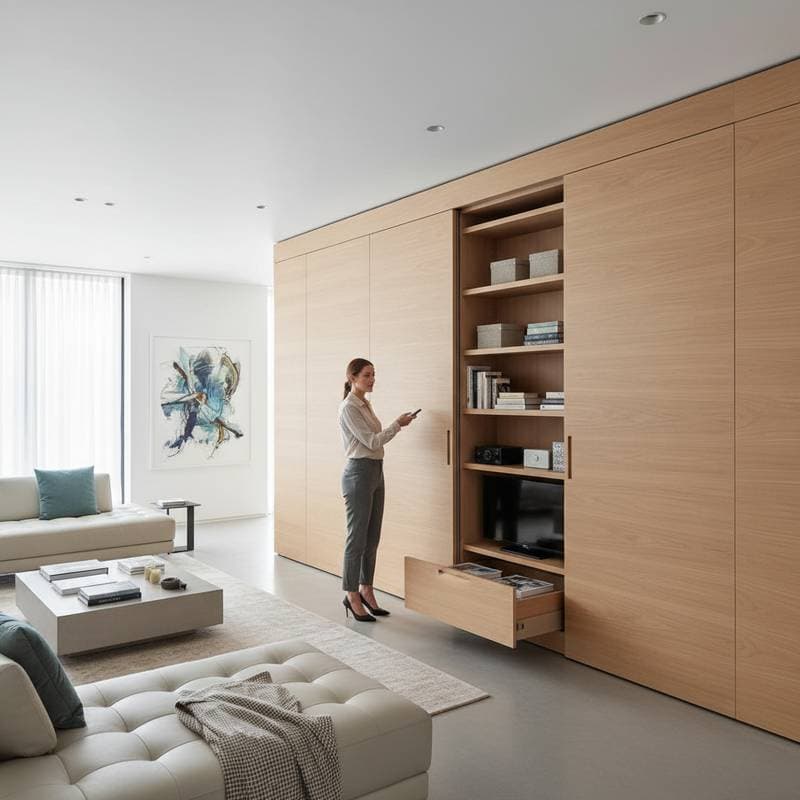
Hidden Storage Walls: Increasing Home Value by 6 Percent
Key Insight: Homes equipped with hidden storage walls command approximately 6 percent higher sale prices, frequently offsetting installation expenses while enhancing organizational efficiency.
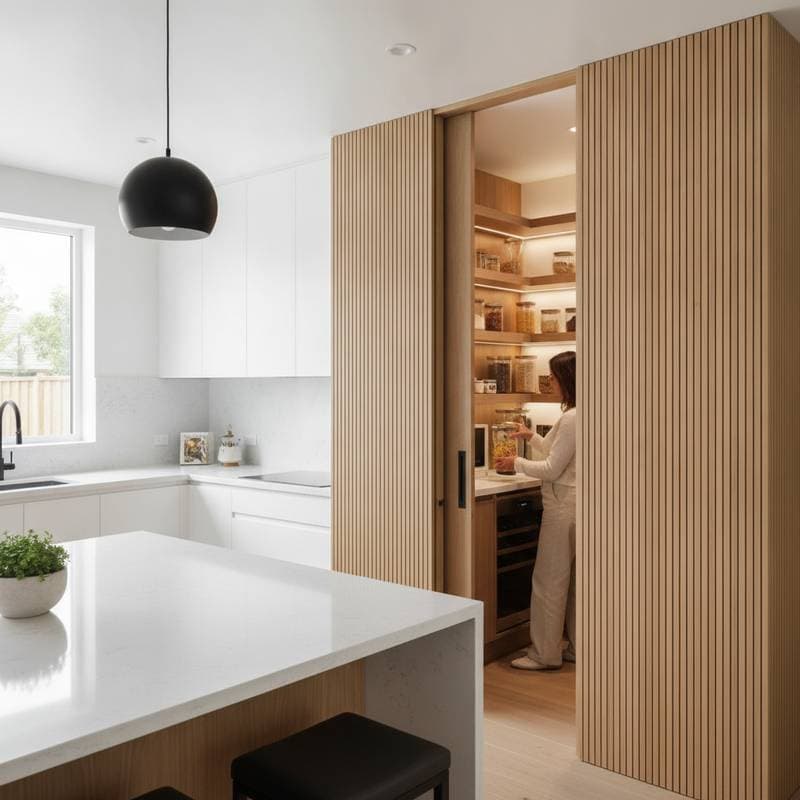
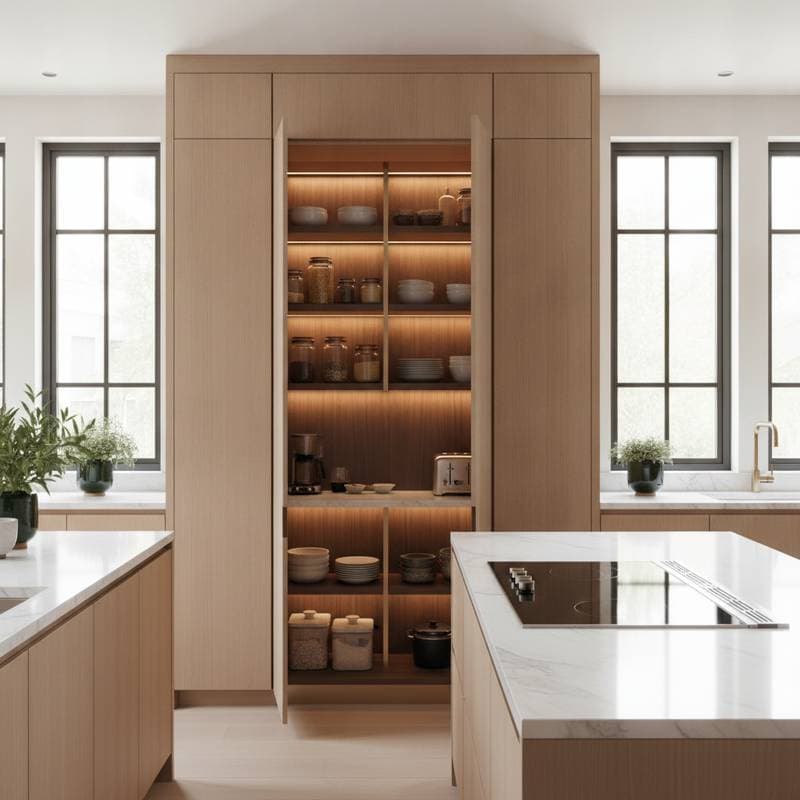
Hidden storage walls transform underutilized areas into functional storage solutions that maintain a streamlined room appearance. Prospective buyers value this integration of practicality, aesthetics, and subtle innovation. For homeowners, these installations reduce visual clutter and optimize floor space without altering the overall home footprint.
Installation Options
Entry-Level: Painted MDF Panels
- Estimated Cost: $1,200 to $2,000 per wall
- Appearance: Smooth, painted surface featuring push-to-open mechanisms for discreet access
- Recommended Locations: Bedrooms, home offices, or hallways where simplicity suffices
- Upkeep: Refresh the paint finish every three to five years to preserve a fresh look
This option suits budget-conscious projects, providing reliable storage without complex features.
Intermediate: Veneered or Laminate Configurations
- Estimated Cost: $2,500 to $4,000 per wall
- Appearance: Realistic woodgrain or durable laminate with concealed handles
- Recommended Locations: Living rooms or dining spaces emphasizing visual harmony
- Upkeep: Clean surfaces using a soft, damp cloth; steer clear of harsh abrasives to protect the finish
These systems balance affordability with elevated style, ideal for homes seeking a polished yet practical upgrade.
High-End: Bespoke Concealed Cabinetry
- Estimated Cost: $4,500 to $6,000 or more per wall
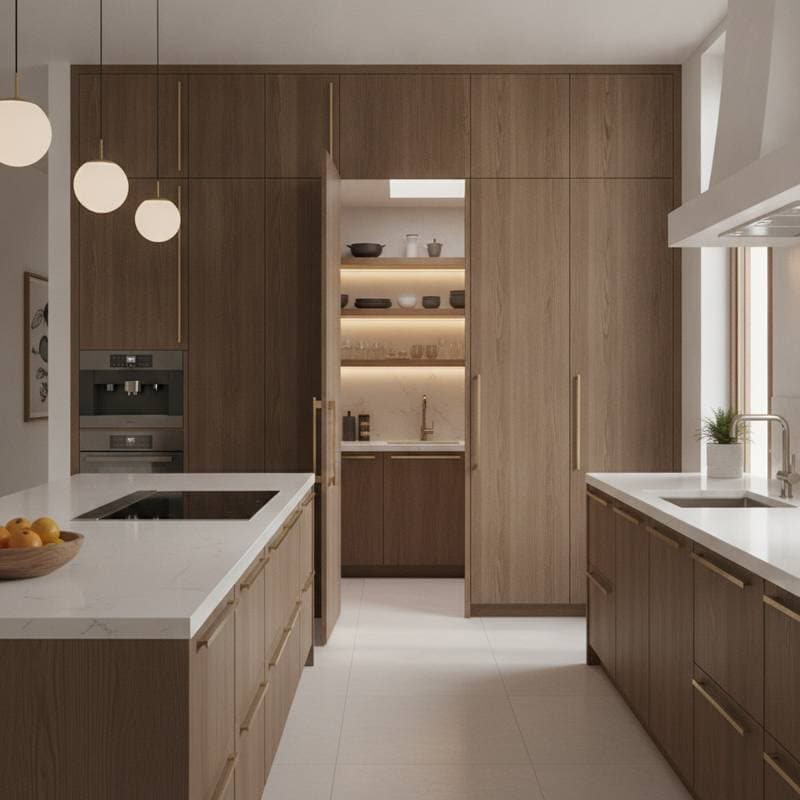
- Appearance: Precision-crafted panels that seamlessly integrate with existing baseboards, crown molding, or decorative wall elements
- Recommended Locations: Luxury residences or spaces pursuing minimalist elegance
- Upkeep: Perform periodic adjustments to hinges and gentle cleaning of surfaces to ensure smooth operation
Custom designs offer unparalleled customization, elevating both form and function in sophisticated settings.
Project Timeline and Cost-Saving Strategies
Managing Lead Times
Custom-fabricated doors and panels typically require two to three weeks for production, depending on material availability. Hardware components, such as push latches or concealed hinges, may encounter delays during high-demand periods like spring renovations. Engaging finish carpenters well in advance, particularly outside peak summer months, can reduce labor costs by up to 10 percent.
Seasonal Considerations
Schedule installations during drier seasons to prevent material expansion or warping from moisture. Refrain from applying paints or sealants in high-humidity environments, as this risks uneven finishes or bubbling.
Potential Incentives
While hidden storage installations rarely qualify for direct rebates, combining them with energy-efficient upgrades, such as LED lighting or added insulation, may unlock local tax credits or utility incentives. Consult municipal guidelines to identify eligible pairings.
Factors Driving the 6 Percent Premium
Enhanced Visual Serenity
Prospective buyers gravitate toward decluttered environments that promote a sense of calm. Hidden storage walls conceal everyday essentials, including cleaning supplies, seasonal decorations, or entertainment devices, resulting in rooms that appear more expansive and inviting. This uncluttered aesthetic enhances photographic appeal during listings and creates an immediate impression of spaciousness.
Market data indicates that well-executed built-in organization correlates with a 6 percent uplift in perceived value. For instance, a $600,000 property could justify a listing price of $636,000 when featuring thoughtfully integrated hidden storage solutions.
Practical Utility
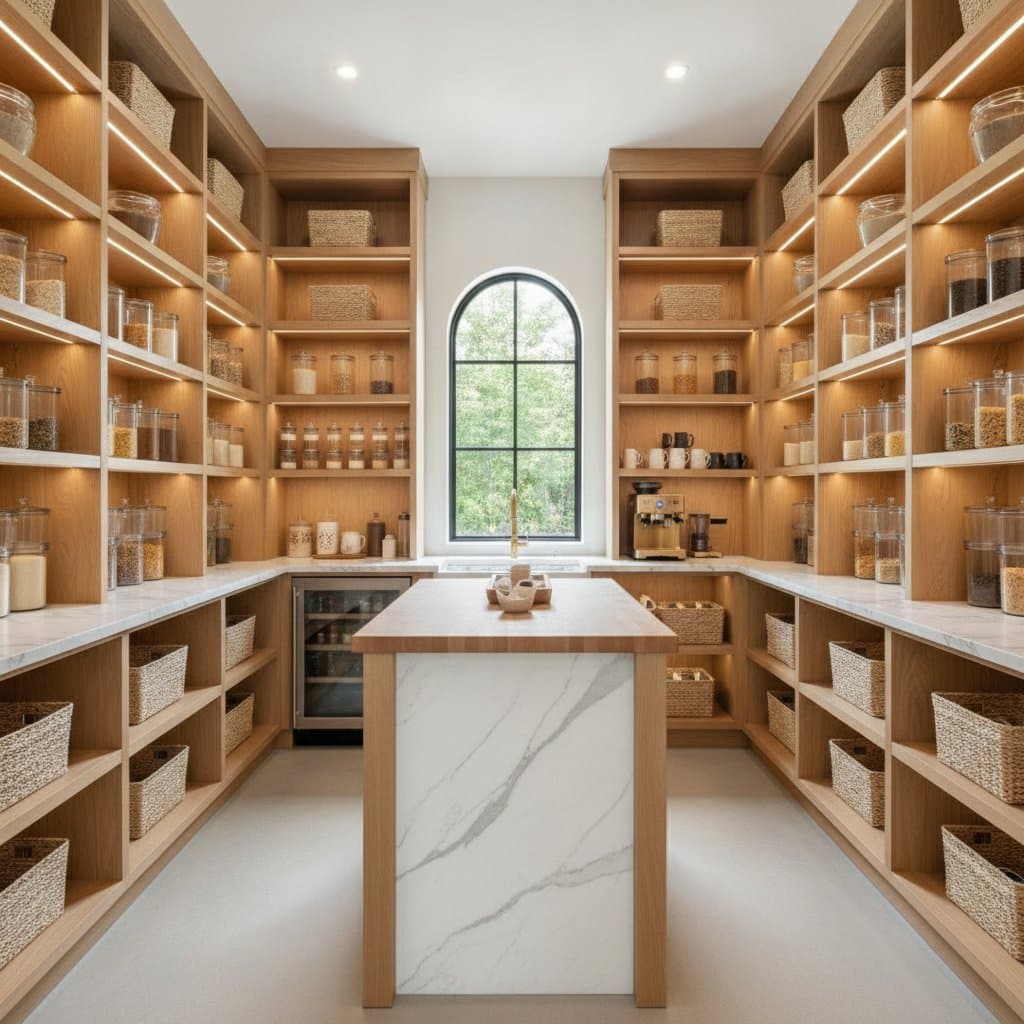
These walls repurpose otherwise idle spaces into substantial storage volumes. A standard 10-foot wall section might accommodate 60 to 100 cubic feet, comparable to the capacity of three conventional closets. By minimizing the need for bulky freestanding units, rooms gain improved traffic flow, simplifying navigation and professional staging for open houses.
Enduring Design Appeal
Contemporary trends in minimalism and intelligent home design prioritize seamless, concealed features. Buyers anticipate residences that manage clutter discreetly while preserving architectural continuity. Hidden storage walls align with these preferences and require only occasional hardware refreshes to remain relevant over time.
Safety Protocols and Regulatory Compliance
Preparation Essentials
Before commencing work, disconnect electrical power in the vicinity if the wall conceals outlets or wiring to avoid hazards. Equip yourself with eye protection, a dust mask, and hearing safeguards during any cutting or assembly tasks. Inspect the wall for embedded wiring, plumbing lines, or ventilation ducts prior to securing panels; address any discoveries promptly.
If evidence of moisture intrusion or mold appears, halt operations and remediate the issue before proceeding with enclosure to safeguard structural integrity and health.
When Permits Apply
Obtain necessary approvals for projects involving electrical modifications, such as relocating outlets or installing new ones. Structural alterations, including changes to framing, demand oversight. Integrations with heating, ventilation, or fire-rated systems also trigger permitting requirements.
Failure to comply may invalidate homeowner insurance policies or complicate future sales if building inspectors identify non-conforming modifications.
Material and Feature Comparisons
| Tier | Primary Materials | Key Features | Projected Durability | Additional Considerations |
|---|---|---|---|---|
| Entry-Level | MDF with paint finish | Simple push-latch access | 10 to 15 years | Economical choice with moderate resistance to wear |
| Intermediate | Plywood with veneer overlay | Concealed pulls and soft-close mechanisms | 15 to 20 years | Optimal blend of expense and aesthetic refinement |
| Premium | Solid wood or advanced composites | Built-in lighting and precise trim integration | 20 to 25 years | Maximizes return on investment through superior endurance |
Advancing to higher tiers enhances resilience and customization possibilities, though it extends preparation timelines.
Sustainability and Performance Benefits
Strategic placement of hidden walls along exterior boundaries incorporates insulation to mitigate drafts and improve thermal efficiency. Enclosed compartments help regulate indoor temperatures, shielding contents from direct sunlight and airborne particles.
Opt for low-volatile organic compound paints and responsibly sourced plywood to promote healthier indoor environments. Incorporate salvaged framing or recycled cabinet components where feasible to minimize environmental impact and construction waste.
Complementary Enhancements
- Motion-Activated Lighting: Integrate LED strips triggered by door sensors for $100 to $200 per segment, illuminating contents effortlessly.
- Soft-Close Mechanisms: Add $20 to $40 per door to eliminate slamming and extend hardware lifespan.
- Sound-Absorbing Liners: Incorporate acoustic materials behind media-focused walls for approximately $300, reducing noise transmission.
- Magnetic Locking Systems: Install for $50 to $100 per unit to secure areas, particularly in households with young children or valuables.
These additions amplify convenience and align with modern smart-home integrations.
Implementing Your Hidden Storage Upgrade
Assess your space to identify prime locations for hidden storage, prioritizing high-traffic areas prone to clutter. Consult a professional installer early to align with timelines and budgets, ensuring compliance with local codes. This investment not only streamlines daily living but also positions your home favorably in competitive markets, delivering lasting organizational and financial returns.