Hidden Pantries: 2026's Top Trend for Kitchen Value
Hidden pantries are becoming the must-have kitchen feature for homeowners who want more storage, cleaner lines, and a higher resale value. These concealed spaces combine the practicality of a walk-in pantry with the elegance of a seamless kitchen design. Homeowners gain more function without added clutter, and buyers respond positively to the result.
What a Hidden Pantry Is
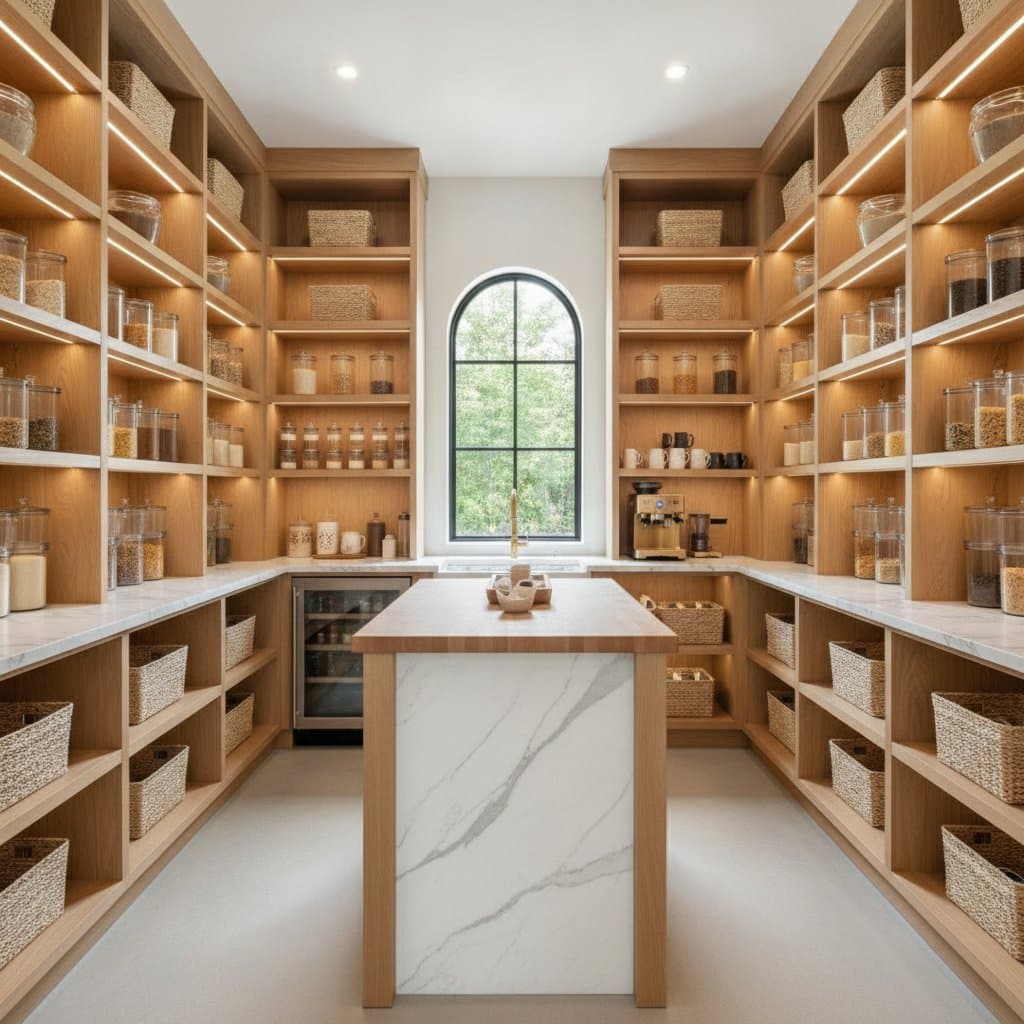
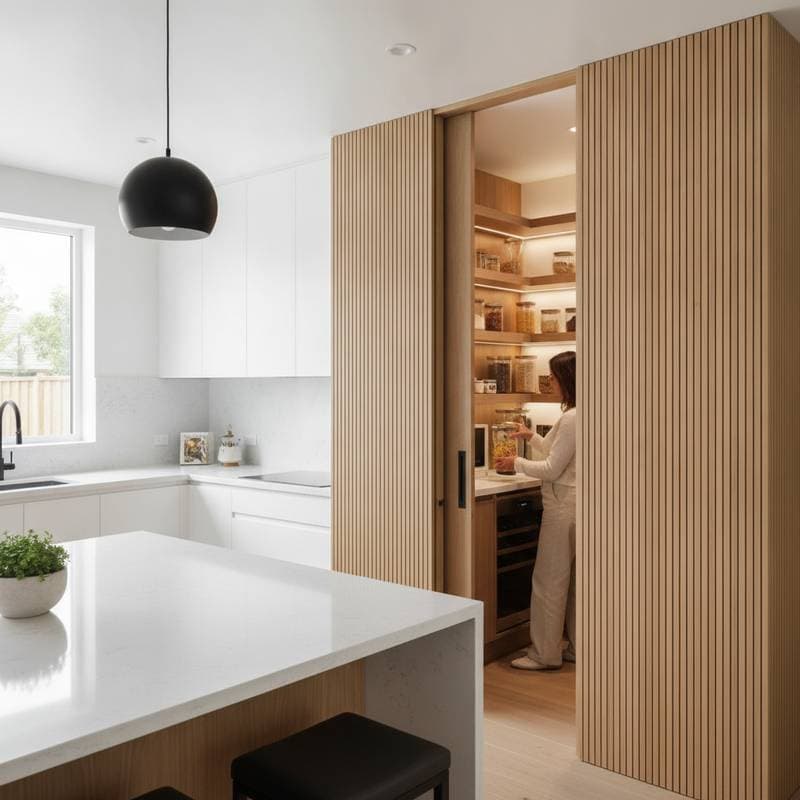
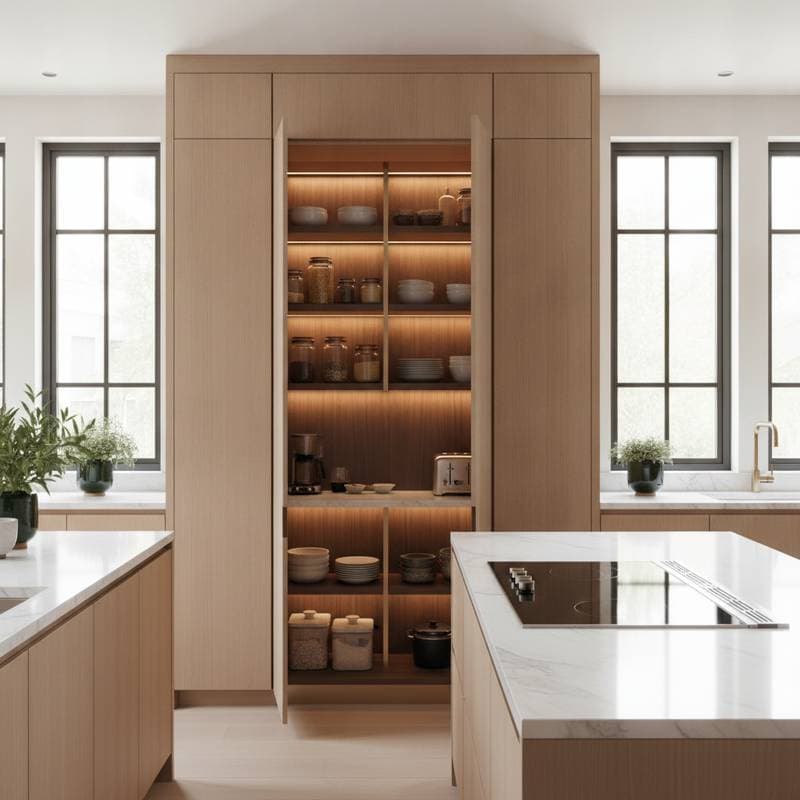
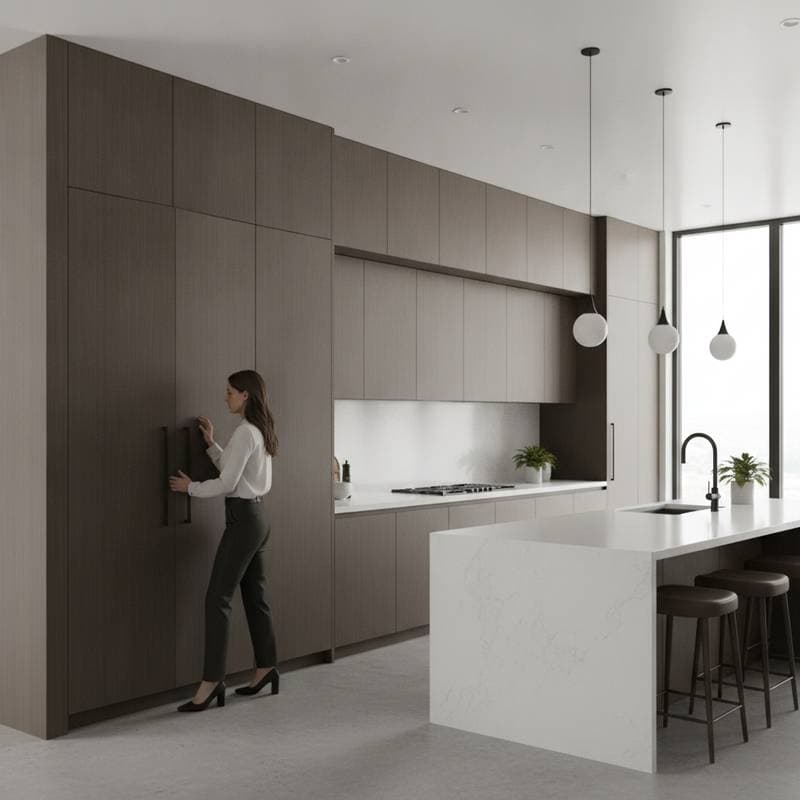
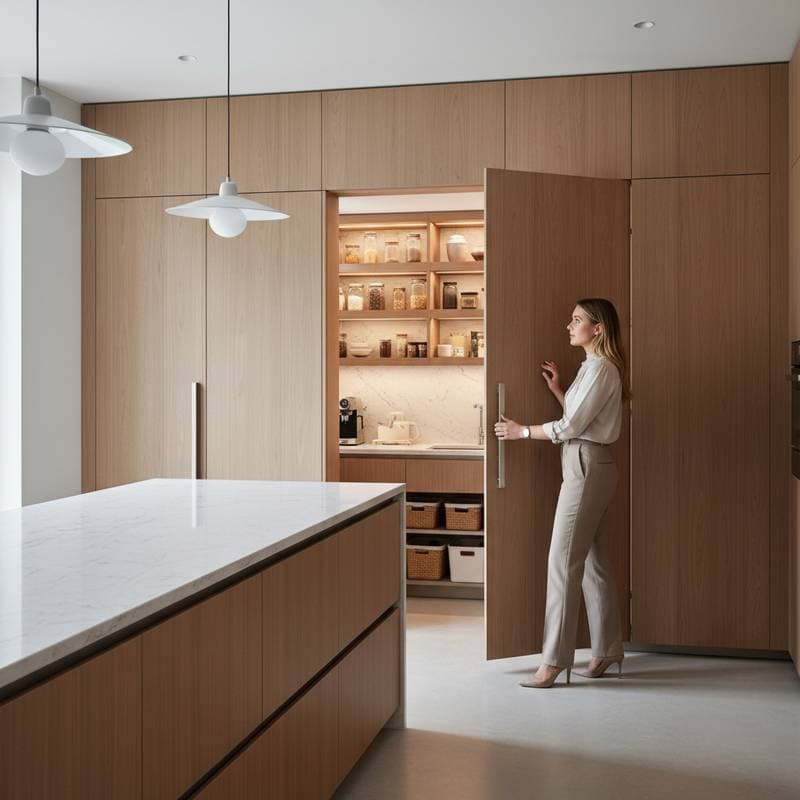
A hidden pantry appears as part of the cabinetry. The door blends with cabinet panels, sometimes positioned behind a tall cabinet or sliding wall. Inside, it opens to a full walk-in or butler's pantry equipped with shelves, countertops, and outlets. It conceals food, small appliances, and even prep sinks. The result is a kitchen that feels calm and organized.
Why It Adds Value
Buyers pay for usable space and clean design. A hidden pantry delivers both. It can make a mid-range kitchen feel custom-built. Real estate agents report that kitchens with concealed storage stand out during showings. The return on investment often matches or exceeds other kitchen upgrades like islands or luxury appliances.
Steps to Add a Hidden Pantry
- Plan the layout. Decide where the pantry door will sit. Common spots are beside the fridge or behind tall cabinetry. At least 4 by 5 feet of space is needed for a walk-in layout.
- Choose the door style. Cabinet-matched panels and pivot doors are popular. Sliding or bi-fold doors work in smaller kitchens.
- Add built-in shelving. Use adjustable shelves or open racks for flexible storage. Include deep shelves for bulk items and narrow ones for spices.
- Add lighting and outlets. LED strips and recessed lights keep the space bright. Install outlets for small appliances if the area will serve prep needs.
- Match finishes. Use the same hardware, paint, and trim as the main kitchen to keep the hidden look seamless.
- Check permits and codes. Some cities require permits for structural or electrical changes. Confirm requirements before work begins.
Cost Breakdown
| Task | Typical cost | What affects price |
|---|---|---|
| Basic hidden pantry door install | $1,500 - $3,000 | Door type, cabinet matching |
| Full walk-in pantry build | $4,000 - $9,000 | Size, shelving, lighting |
| Butler's pantry with sink and outlets | $8,000 - $15,000 | Plumbing, wiring, custom cabinetry |
Prices vary by region. Labor rates, materials, and local codes influence the total. Custom cabinetry adds cost but also resale appeal.
Time to Complete
A simple hidden door can take a few days. A full walk-in or butler's pantry usually takes two to four weeks. Planning and cabinetry lead times often drive the schedule. Ordering doors early keeps the project on track.
DIY vs Pro
DIY if:
- A small pantry already exists and only needs a disguised door.
- Basic carpentry and trim work can be handled independently.
Hire a pro if:
- Electrical, plumbing, or structural changes are required.
- The finish must match existing cabinetry perfectly.
A professional carpenter or kitchen designer can ensure the door lines up and opens cleanly. They also know how to integrate ventilation, lighting, and code requirements.
Tools and Materials
- Tape measure and level
- Stud finder
- Circular saw or jigsaw
- Cabinet panels or custom door
- Hinges or sliding track kit
- Paint or finish to match cabinets
- LED lighting strips
- Electrical and plumbing supplies if adding outlets or sinks
Safety and Code Notes
Always turn off electricity before wiring. If the plan includes a sink, use a licensed plumber. In some cities, any structural wall work requires a permit. Venting and lighting must meet kitchen code. Never block access to shutoff valves or outlets. If the home warranty covers kitchen systems, confirm that modifications will not void it.
Regional and Climate Factors
In humid climates, use moisture-resistant materials and ventilation fans to prevent mold. In wildfire or storm-prone areas, choose fire-rated door cores. Cold regions might need insulated walls if the pantry backs to an exterior wall. Local building codes may also dictate minimum clearances for outlets or plumbing.
Pro Tips for Success
- Keep air moving. Add a vent or small fan to control humidity.
- Plan lighting early. Wiring is easier before shelves go in.
- Use neutral finishes. They appeal to future buyers and keep the hidden design subtle.
- Label zones. Group dry goods, appliances, and serving pieces to stay organized.
- Think resale. A hidden pantry that feels part of the original design boosts perceived home value.
Maintaining Your Investment
A hidden pantry needs the same care as kitchen cabinets. Wipe doors regularly, check hinges, and keep lighting dust-free. If small appliances are stored inside, inspect cords and outlets periodically. Clean spills quickly to prevent warping or mold. A well-kept pantry keeps the kitchen looking new and helps retain resale value.
FAQ
What is the difference between a hidden pantry and a butler's pantry?
A hidden pantry is disguised behind cabinetry. A butler's pantry is a visible prep area between the kitchen and dining room.
Can a small kitchen have a hidden pantry?
Yes. A shallow cabinet wall with pocket or sliding doors can create a mini hidden pantry.
Do hidden pantries need ventilation?
Yes. Basic airflow prevents mold and keeps food fresh, especially in humid areas.