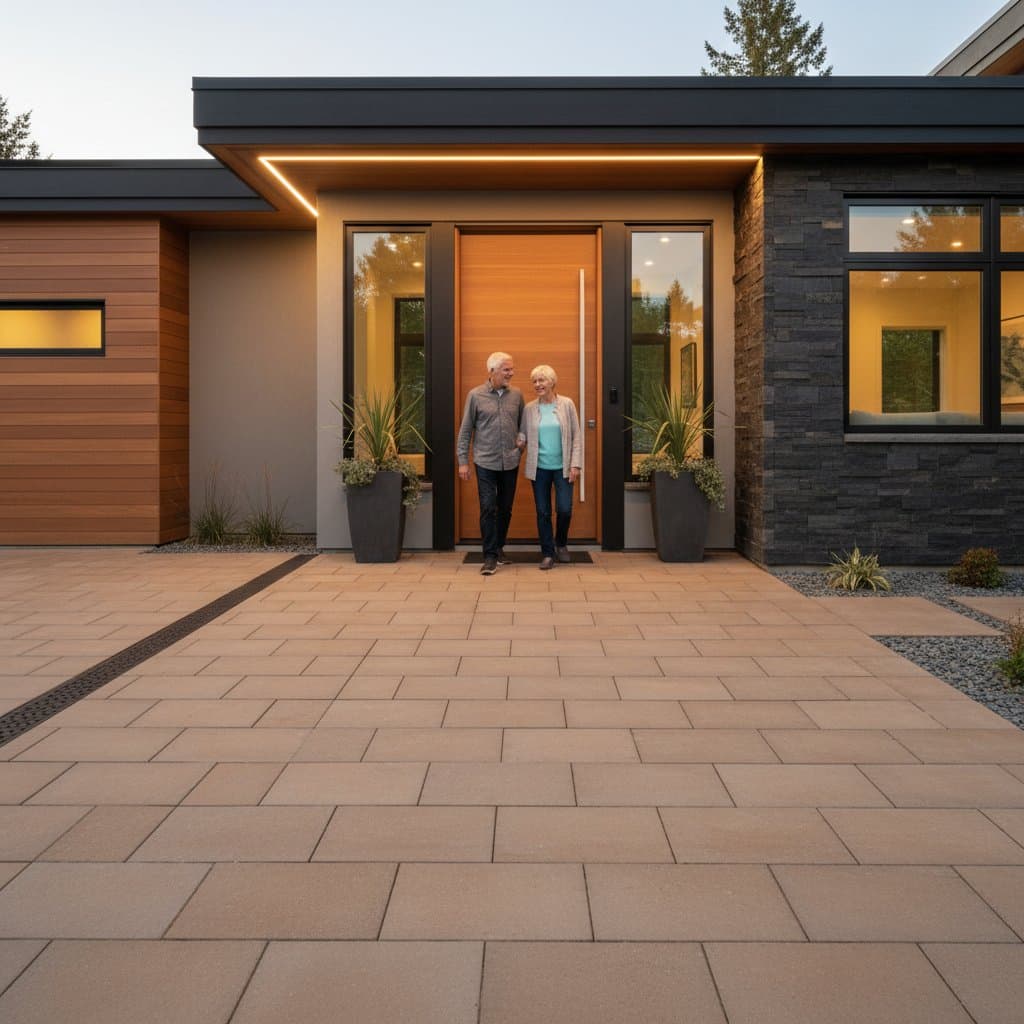
Enhancing Home Value Through Zero-Step Entries
Zero-step entries transform the front door area by eliminating elevation changes, creating seamless access from the outdoors to the indoors. This design choice promotes safety, accessibility, and a welcoming aesthetic that appeals to diverse buyers. Homeowners who incorporate these features often report increased interest from potential purchasers seeking inclusive living spaces.
These entries align with universal design principles, benefiting families with young children, individuals with mobility challenges, and those planning for long-term residency. Builders increasingly integrate zero-step entries as a core element in new constructions and renovations, recognizing their role in modern home standards.
Benefits and Drawbacks
Key Advantages
- Facilitates easier navigation for people of all ages and physical abilities
- Elevates exterior appearance with a sleek, contemporary profile
- Minimizes risks of stumbles at the primary access point
- Increases marketability to buyers prioritizing adaptable homes
- Streamlines transport of large items like furniture or wheeled equipment
Potential Challenges
- Necessitates adjustments to foundations or site grading in established properties
- Poses drainage complications without meticulous planning
- Escalates expenses when involving masonry or elevated bases
- Demands municipal approvals and evaluations for modifications affecting structure
Handling the Project: DIY or Professional Assistance
Project Overview
Complexity Level: Moderate to advanced.
Duration: From two days for basic adjustments to one week for comprehensive installations.
Essential Equipment: Concrete mixing and finishing tools, soil compactors, lumber for forms, and laser levels for accuracy.
Potential Pitfalls: Significant issues arise from errors in water management or load-bearing elements.
Individuals experienced in concrete work might manage simple site regrading or compact threshold replacements. However, projects involving structural alterations or moisture barriers adjacent to entrances require expert intervention. Professionals guarantee appropriate inclines, effective water diversion, and adherence to building regulations. A flawed gradient risks accumulating moisture, which can erode foundations over time.
Longevity and Upkeep
Constructed zero-step entries endure for 20 to 40 years, influenced by material selection and environmental exposure. Durable options like poured concrete or interlocking pavers demonstrate superior resilience. Alternatives such as composite materials or timber demand periodic surface treatments to maintain integrity.
Routine Care Guidelines
- Conduct visual assessments biannually to detect fissures or subsidence
- Clear debris from nearby drainage channels and roof outflows
- Apply protective sealants to concrete surfaces every five years
- Update weatherstripping or expansion joints promptly upon wear
Entry door producers typically provide warranties spanning 10 to 20 years for systems featuring minimal thresholds. Local ordinances mandate slopes no steeper than 1:20 for pathways designated as accessible; confirmation with authorities ensures ongoing suitability.
Considering Regional Influences
Environmental Considerations
In areas prone to freezing temperatures, select textured surfaces to combat ice buildup and integrate robust drainage to manage meltwater. Regions with heavy rainfall benefit from steeper inclines paired with impermeable liners to safeguard against seepage.
Regulatory Aspects
Municipalities may mandate permits for alterations to concrete pads or threshold assemblies. Review zoning distances from property lines and accessibility mandates prior to commencement.
Cost Variations by Location
Wage rates for construction fluctuate significantly. Metropolitan zones with intense demand impose premiums of 20 to 40 percent above baseline figures. In contrast, countryside settings might limit access to contractors versed in inclusive design practices.
Ground Stability Factors
Expansive clay or loose sand compositions influence foundational steadiness. Experts often incorporate layers of crushed stone for compaction or metal grids for reinforcement to avert uneven shifting.
Prioritizing Security Measures
By leveling the entry plane, zero-step designs substantially lower incidences of trips and falls, particularly among older adults and young family members. Nevertheless, precise engineering remains essential to avert secondary dangers.
Essential Verification Steps
- Maintain inclines under one inch rise per foot traveled to support stable walking
- Apply textured coatings to concrete or wood surfaces for enhanced grip
- Add supportive railings where gradients surpass jurisdictional thresholds
- Caulk expansion gaps thoroughly to block moisture penetration at the door base
- Verify that adjacent power sources and illumination fixtures meet exterior durability standards
The primary concern involves water infiltration, which can compromise structural elements. Implement diversion strategies, such as French drains or perimeter channels, to route excess away from the threshold. Substandard construction invites foundational deterioration or dampness within living areas.
Implementing Your Zero-Step Entry
Begin with a thorough evaluation of current threshold elevation and surrounding hydrology. Properties where the door aligns nearly with ground level may only require minor earthwork or a fresh concrete pour. Elevated stoops demand extended ramps or alternative access routes on the side.
Collaborate with a contractor specializing in universal design approaches. Request portfolios of completed installations and client testimonials to gauge reliability. Solicit bids from no fewer than three sources, scrutinizing inclusions for materials, timelines, and guarantees.
Beyond mere functionality, a zero-step entry embodies forward-thinking adaptability. Thoughtful execution delivers enduring security, ease of use, and a premium on property worth, supporting residents through evolving life phases.