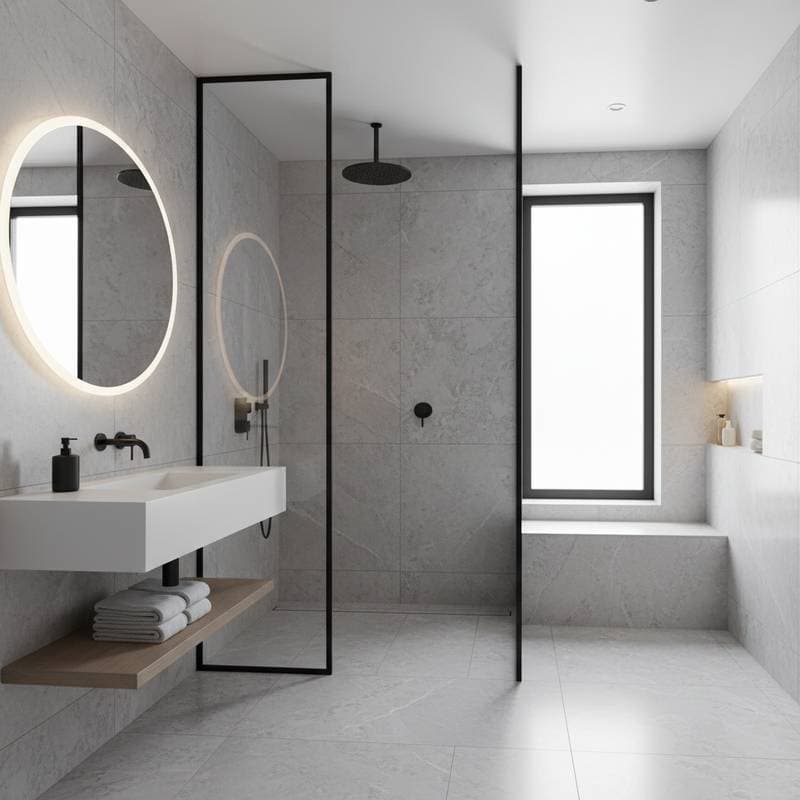
Transforming Tubs into Wet Rooms: An 11 Percent Value Increase by 2026
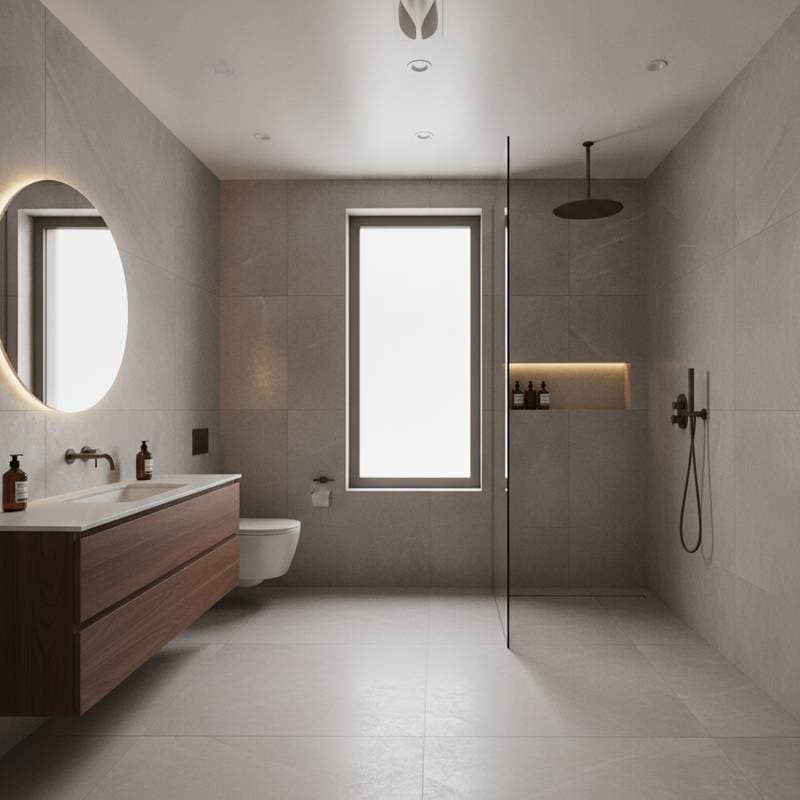
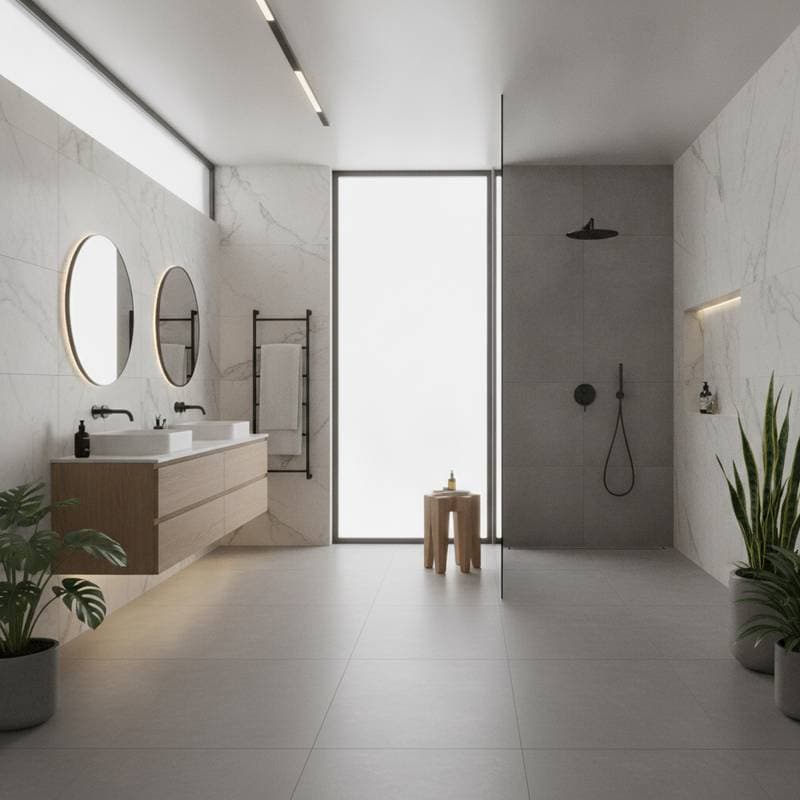
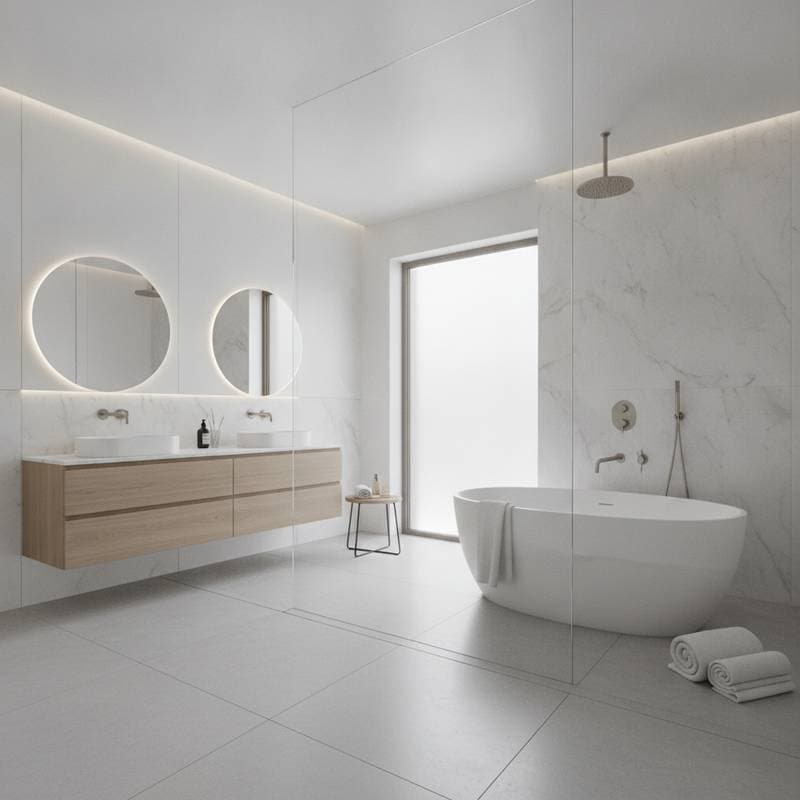
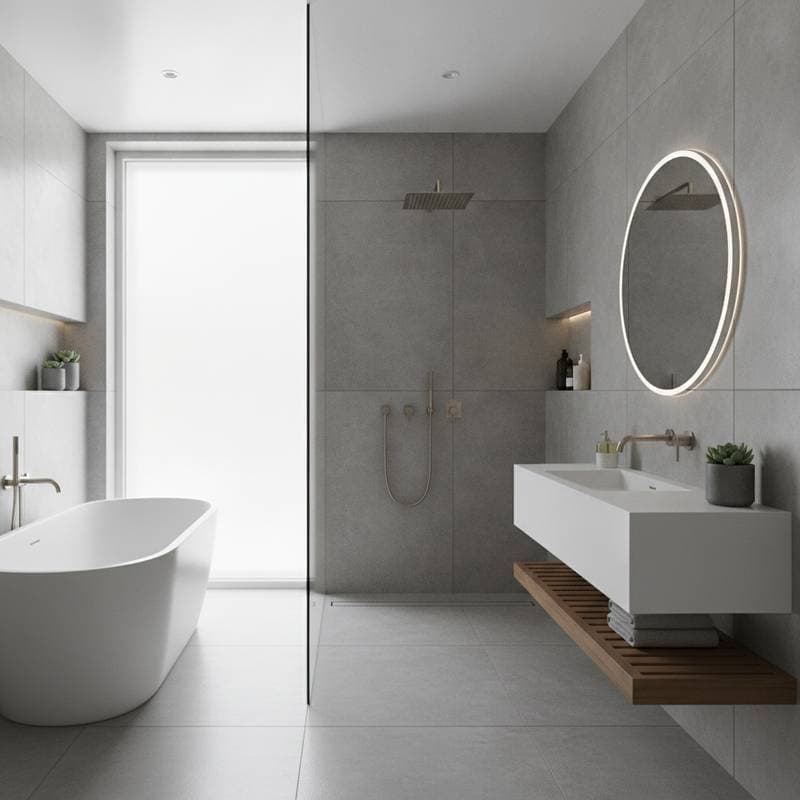
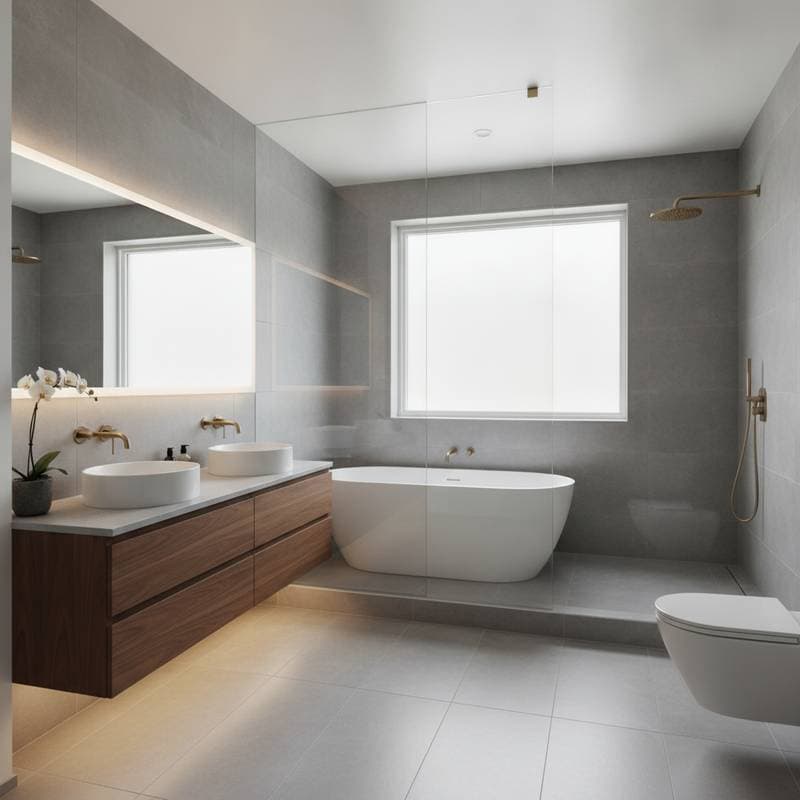
Replacing an outdated bathtub with a modern wet room stands to increase home value by approximately 11 percent by 2026. This upgrade enhances accessibility, streamlines cleaning routines, and elevates resale potential. Homeowners benefit from a spacious, contemporary bathroom that appeals to a broad range of buyers.
Wet rooms represent a shift from traditional enclosed showers to open, seamless designs. These spaces eliminate barriers, making them ideal for aging in place or accommodating guests with mobility needs. As real estate trends favor functional and stylish bathrooms, this renovation emerges as a strategic investment.
Key Cost Considerations
The expense of installing a wet room varies based on several factors, including room size, material selections, and installation complexities. Understanding these elements allows homeowners to budget effectively and avoid surprises.
- Bathroom dimensions: Smaller areas, such as 40 square feet, require less waterproofing material than larger master bathrooms exceeding 90 square feet. Waterproofing typically ranges from $8 to $15 per square foot.
- Tile selections: Basic porcelain or ceramic options begin at $3 per square foot, whereas premium stone or intricate mosaic designs exceed $20 per square foot.
- Drainage systems: Sleek linear drains, which integrate seamlessly into the floor, cost between $400 and $900 installed. Conventional center drains prove more economical at half that price.
- Waterproofing methods: Sheet membranes offer quicker application but higher costs compared to liquid alternatives. Materials for these systems generally fall between $400 and $1,000.
- Glass enclosures and fixtures: Frameless glass panels paired with luxurious rainfall showerheads add $1,200 to $3,000. Standard chrome fixtures reduce this outlay by approximately 50 percent.
- Labor and preparation: Creating custom floor slopes and ensuring comprehensive waterproofing elevates labor costs to $6,000 through $12,000, influenced by regional rates and contractor expertise.
Homeowners should allocate an additional 10 to 15 percent of the budget for unforeseen issues, such as plumbing adjustments or subfloor reinforcements uncovered during demolition.
Weighing DIY Options Against Professional Installation
Certain aspects of a wet room project suit DIY efforts, particularly for those with basic skills. However, complex elements demand professional intervention to ensure safety and longevity.
Suitable DIY Tasks
- Designing the layout and selecting finishes.
- Demolishing existing fixtures and clearing debris.
- Applying paint to walls or building recessed storage shelves.
Essential Professional Services
- Implementing waterproofing layers and precise drainage slopes.
- Laying tiles across floors and walls for even adhesion.
- Handling electrical work for features like underfloor heating or ambient lighting.
Improper waterproofing leads to leaks that compromise structural integrity. Professionals verify slope precision and membrane adhesion, minimizing risks. For partial DIY attempts, essential tools include a wet saw, spirit level, mixing paddle, trowel, membrane roller, and protective equipment. Rental costs for these items total $250 to $400.
Ongoing Maintenance and Warranty Insights
Properly constructed wet rooms require minimal upkeep, focusing on preventive measures to preserve functionality. Regular attention to seals and drains extends the lifespan of the installation.
Recommended maintenance routine:
- Reapply grout sealant every two to three years.
- Clear drains on a monthly basis.
- Inspect silicone seals annually for signs of deterioration.
- Operate exhaust fans during and post-shower to control moisture buildup.
Common early failure points include grout lines that crack from dryness, drain seals clogged by debris, and silicone around glass that wears over time. To mitigate these, employ gentle cleaning agents, steer clear of abrasive chemicals, and prioritize adequate ventilation.
Warranties provide reassurance for quality installations:
- Tile and grout products often include coverage for 10 to 15 years.
- Certified waterproofing systems extend lifetime protection when professionally applied.
- Labor guarantees typically span one to three years, varying by contractor.
Evaluating Repairs Versus Full Replacement
Assessing the current bathroom condition guides whether a complete wet room conversion justifies the investment. This decision balances cost, functionality, and long-term benefits.
| Bathroom Condition | Recommended Action | Rationale |
|---|---|---|
| Cracked tub or persistent leaks | Proceed with wet room replacement | Avoids ongoing repair expenses and water damage |
| Compact space with limited access | Opt for full replacement | Maximizes floor area and enhances mobility |
| Recently renovated shower | Focus on targeted repairs | Prolongs usability through simple resealing |
| Subfloor water damage beneath tiles | Initiate replacement | Signals underlying waterproofing failure |
| Market with modest resale potential | Consider partial conversion | Manages costs while introducing wet zone benefits |
A comprehensive wet room upgrade proves most valuable when existing waterproofing fails or accessibility improvements take precedence.
Emerging Trends Shaping Bathroom Renovations in 2025
The real estate landscape increasingly values bathrooms that prioritize openness and efficiency. Prospective buyers seek features that align with modern lifestyles and sustainability goals.
Key preferences include:
- Barrier-free entrances supporting lifelong home use.
- Fixtures designed for water conservation, lowering utility bills.
- Contemporary materials that enhance visual appeal in property photos.
Industry professionals note that wet rooms contribute up to an 11 percent premium to resale prices over properties retaining obsolete tubs. This advantage shines in urban settings and compact dwellings, where space optimization drives buyer interest.
Supply chain stabilization has moderated material costs, though tiles and membranes remain vulnerable to logistics fluctuations. Contractor availability remains constrained in high-demand areas, underscoring the importance of advance booking to sidestep timeline disruptions.
Steps to Execute Your Wet Room Project
Embarking on a wet room renovation requires methodical planning to achieve seamless results. Follow these structured actions to navigate the process efficiently.
- Measure the bathroom precisely to determine compatibility with a barrier-free design.
- Obtain estimates from at least three licensed remodeling specialists.
- Choose waterproofing solutions supported by robust warranty terms.
- Procure tiles and fixtures in advance to prevent supply interruptions.
- Conduct a thorough examination of drainage and subfloor conditions prior to finalizing selections.
- Incorporate a 10 to 15 percent buffer into the overall budget for contingencies.
This renovation yields enhanced daily comfort, heightened safety, and a tangible uplift in property worth. It redefines bathroom utility, removes obstacles, and fortifies your home's market position for future sales.