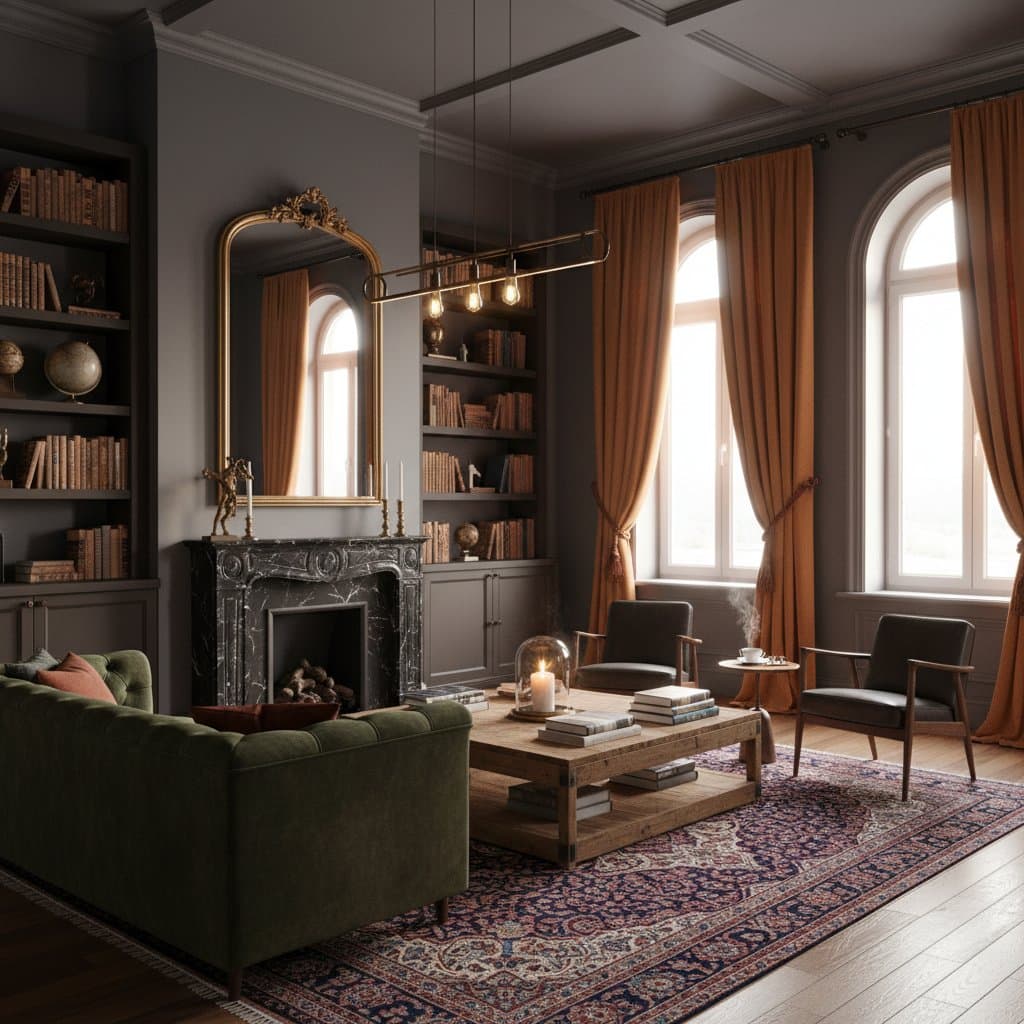
Dark Academia Elevates Home Values by 10 Percent in 2026
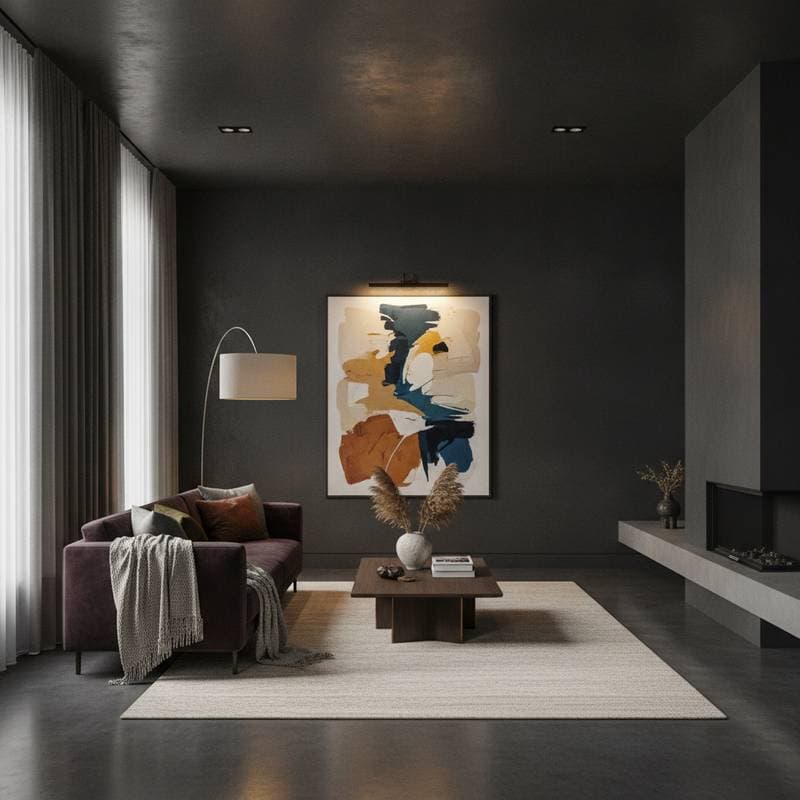
Homes incorporating dark academia interiors sell for up to 10 percent more than similar properties with neutral palettes. Buyers gravitate toward the introspective, scholarly atmosphere that fuses antique elements with opulent details. This aesthetic delivers drama, functionality, and financial returns.
Property owners benefit from thoughtfully integrating profound hues, tactile surfaces, and illumination. When executed effectively, these choices enhance both subjective appeal and objective worth. Improper application risks a sense of oppressiveness or obsolescence. The following guidance outlines effective implementation.
Reasons for Increased Property Value
Buyers invest premiums in residences that exude distinction and completion. Dark academia designs capture compelling images, distinguishing listings in competitive markets. These interiors suggest superior craftsmanship and deliberate planning. Updates aligned with this style impart layers of sophistication and skill, impacting valuations and purchaser perceptions.
Three primary factors contribute to value appreciation:
- Striking Visual Impact. Pronounced contrasts and lavish surfaces draw immediate interest in digital presentations.
- Durable Premium Components. Elements like solid hardwoods, polished brass, and sculpted plaster convey enduring luxury.
- Evocative Resonance. Prospects envision narratives of ease and heritage, extending beyond mere dimensions.
Real estate professionals observe accelerated sales for such properties in metropolitan areas, where clients prioritize narrative over uniformity. Gains stem from execution excellence rather than superficial alterations.
Investment Breakdown
Expenses range widely based on selected components and area size. The table presents common expenditures for typical projects.
| Task | Typical Cost | Influencing Factors |
|---|---|---|
| Wall and Trim Painting | $2 to $5 per square foot | Paint grade, surface preparation |
| Lighting Enhancements | $150 to $800 per fixture | Material quality, installation labor |
| Furniture and Accents | $2,000 to $10,000 per room | Sourcing authenticity, fabric choices |
| Floor Surface Renewal | $4 to $8 per square foot | Timber variety, existing state |
| Integrated Shelving | $1,000 to $4,000 | Bespoke fabrication, lumber selection |
Regional labor variations and supplier choices affect totals. Opting for genuine elements amplifies market desirability, though initial outlays increase accordingly.
Essential Tools and Materials
Required Tools
- Paint rollers and brushes for even application
- Step ladder for accessing elevated surfaces
- Stud finder to locate secure mounting points
- Screwdriver set for hardware installation
- Level to ensure alignments remain precise
Key Materials
- High-quality interior paint and primer for adhesion
- Painter's tape to protect adjacent areas
- Warm-toned LED bulbs to foster inviting glows
- Wood polish and brass cleaner for maintenance
- Vintage-inspired or authentic decorative pieces
Maintain uniform sheen across spaces. Opt for matte or satin finishes, which conceal minor flaws more effectively than high-gloss options.
Safety and Compliance Considerations
Disconnect electricity prior to modifying any lighting elements. Ensure adequate airflow during painting or finishing applications. Review municipal regulations for structural additions or permanent fixtures. Refrain from obstructing airflow systems or safety devices with textiles or ornaments.
Deep tones absorb thermal energy, so select low-VOC formulations in hotter regions to prevent discoloration. In cooler locales, substantial window treatments enhance thermal retention.
Adapting to Regional and Environmental Factors
Select mold-resistant coatings and protected timber for moisture-heavy or seaside locations. Introduce humidity controls in arid or elevated settings to safeguard antique furnishings. In fire-risk or weather-vulnerable areas, confirm that paneling satisfies jurisdictional flame-retardant or water-resistant criteria. Regulations vary, necessitating verification prior to extensive modifications.
Illumination warmth adjusts by geography. Residences in northern latitudes gain from amber undertones to counteract dim conditions. Southern properties accommodate deeper shades, as abundant natural light provides equilibrium.
Market Dynamics
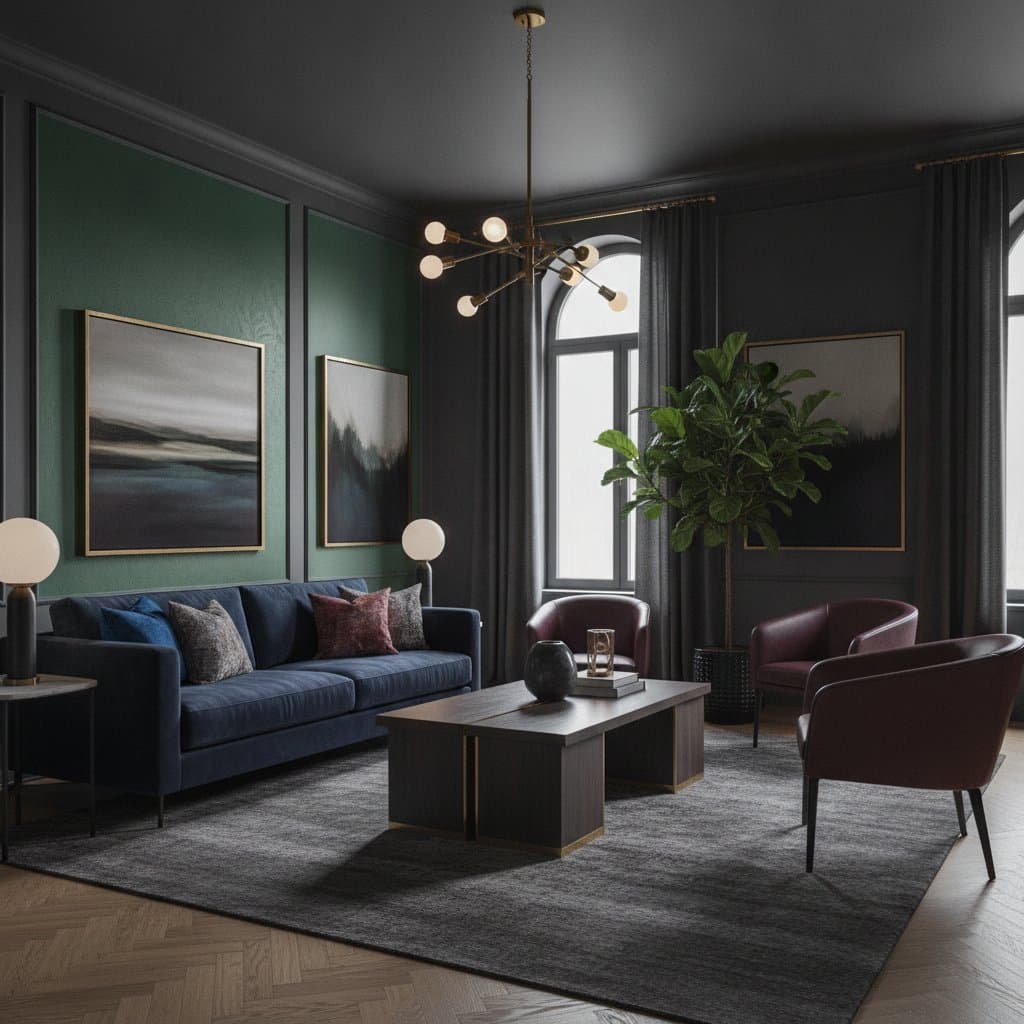
Industry observers connect the dark academia surge to a collective yearning for intimacy and significance. Disillusioned with impersonal presentations, purchasers seek environments rich in identity. A forest-green library or crimson-accented salon renders strikingly in visuals and invites personal engagement on-site.
Properties highlighting one or two such rooms surpass fully subdued competitors. Balance proves essential; excessive shadow can diminish compact areas, so employ pale ceilings and moldings to preserve spatial harmony.
Subtle enhancements, including gilded fittings or a contemplative feature wall, evoke affluence. When warmth, depth, and artistry align, expectations of elevated pricing follow naturally.
Engaging Professional Expertise
Consult an interior specialist for guidance on harmonizing ambiance with luminosity. Professionals develop tailored schemes compatible with structural features. Engage qualified builders for wiring or bespoke woodwork. Mandate certified electricians for circuit alterations or repositioning.
For historic structures, inspect plaster integrity and electrical systems before surface treatments. Legacy layers may conceal hazards like lead residues or unstable substrates, compromising adhesion and well-being.
Timing Your Updates
Target spring or autumn for color and fixture refreshes, benefiting from temperate conditions and optimal airflow. Elevated summer temperatures prolong drying, while winter dampness induces inconsistencies. In prolonged wet periods, prioritize damp-proof paints and allocate interior zones for textile curing.
Strategies for Optimal Results
Sample colors under both daylight and lamplight to confirm suitability. Install adjustable controls for ambiance modulation and efficiency. Coordinate metallic accents judiciously; aged gold and wrought iron complement seamlessly, whereas modern silver may disrupt cohesion.
Curate displays purposefully; excess items appear disorganized rather than refined. Capture primary spaces using diffused, even illumination for marketing images.
Minor adjustments elevate the scheme from contrived to contemplative. Clients favor enduring elegance over exaggerated spectacle.
Common Questions
By what margin does a dark academia transformation enhance value?
Typically 8 to 10 percent, contingent on execution and local interest.
Realizing Lasting Returns
Implementing dark academia principles positions properties for premium outcomes in evolving markets. Focus on quality integration to foster enduring appeal. Buyers respond to authenticity, translating design investment into sustained financial advantage.