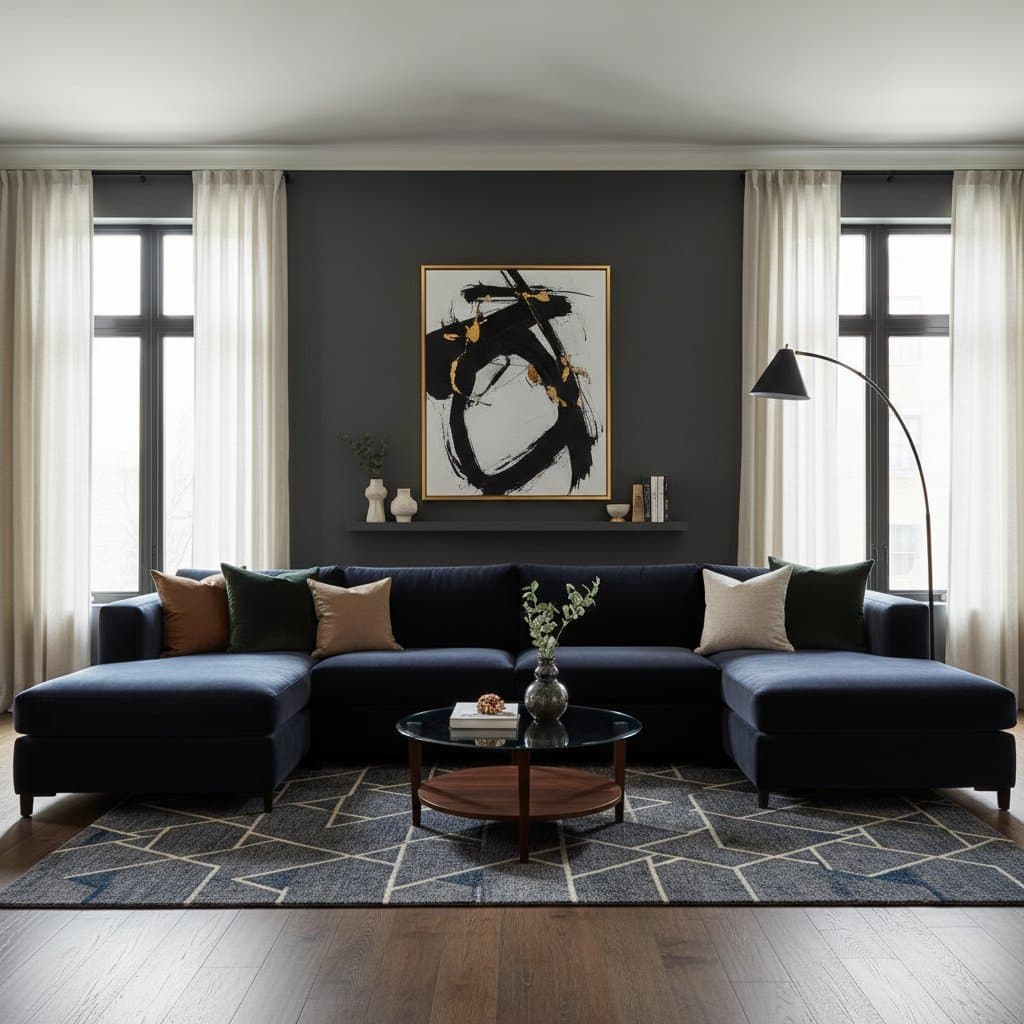
Moody Paints: Dark Interiors Sell Homes 15% Faster
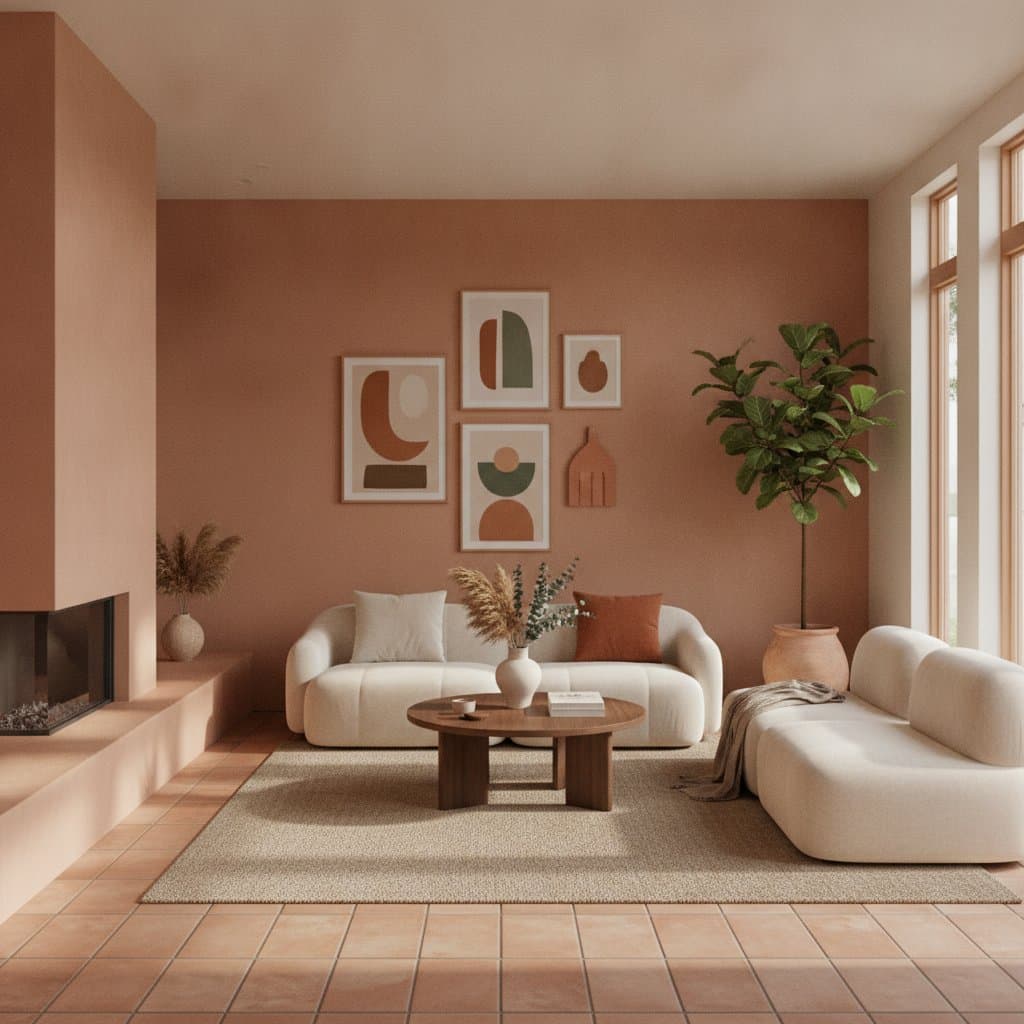
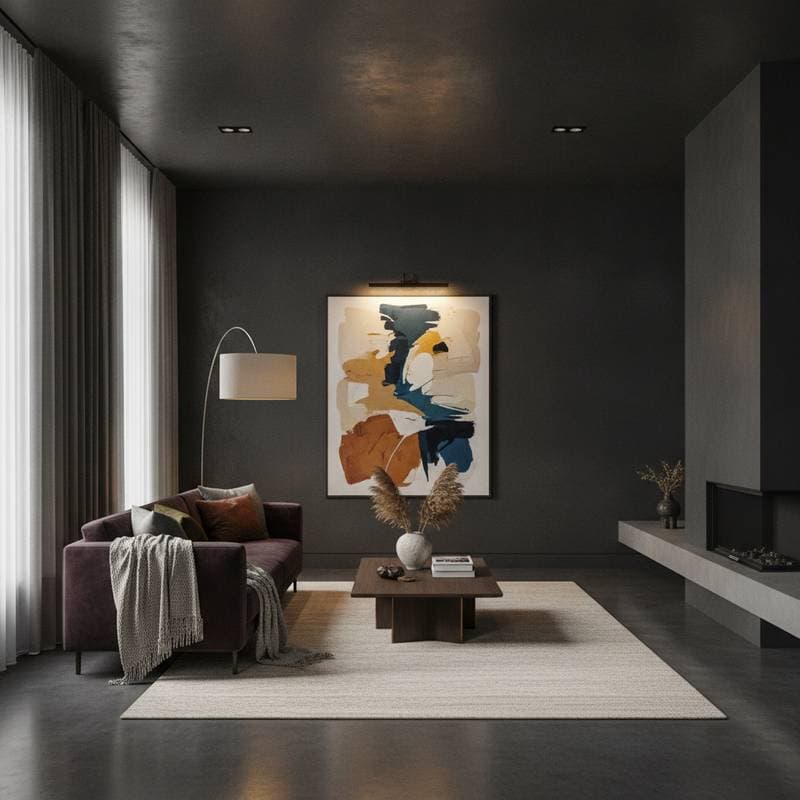
Dark wall colors once deterred potential buyers. Current real estate trends indicate that homes featuring deep, moody interiors sell approximately 15% faster than those with entirely white walls. These spaces project a sense of modernity, completion, and memorability that appeals to contemporary tastes.
This guide delves into the reasons behind the effectiveness of moody paints, associated costs, application methods, and scenarios where professional assistance proves beneficial. It examines primary color categories, preparation procedures, and maintenance strategies. Homeowners seeking to distinguish their property in photographs and during viewings will find these tones particularly advantageous.
Cost Snapshot
The expense of painting interiors in dark shades typically ranges from $2.50 to $6.00 per square foot, encompassing labor and materials.
- National average: $3,000 to $6,000 for a complete interior repaint in a medium-sized home
- Typical range: $1,200 to $3,000 for several rooms
- Outliers: $8,000 to $12,000 for expansive areas, custom finishes, or elevated ceilings
Several factors influence these costs. Premium paint quality and specialized finishes increase expenses. The requirement for multiple coats, thorough surface preparation, room dimensions including ceiling height, intricate trim work, local labor rates, and inclusion of ceilings or cabinets all contribute to the final price.
Options and Types
Charcoal and Graphite
These shades suit living rooms and home offices effectively. They provide a neutral yet assertive tone that complements both warm and cool accent elements, such as furniture and textiles.
Deep Navy
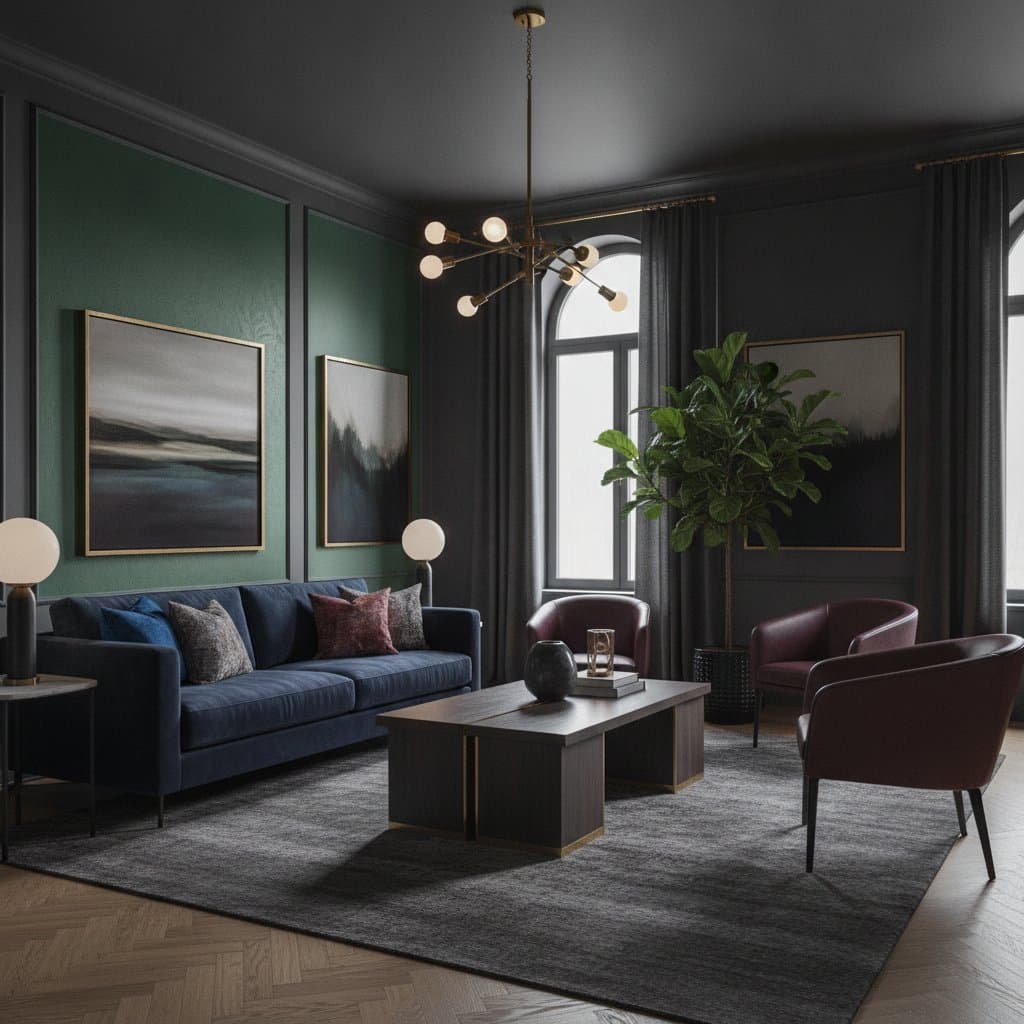
This option excels in bedrooms and dining areas. It conveys richness and serenity, enhancing the atmosphere. Pair it with brass hardware or crisp white trim to achieve striking contrast and visual balance.
Forest Green
Ideal for traditional or rustic-style residences, this color harmonizes with wooden flooring and organic fabrics like linen or wool. It evokes a grounded, natural ambiance without overwhelming the space.
Burgundy or Merlot
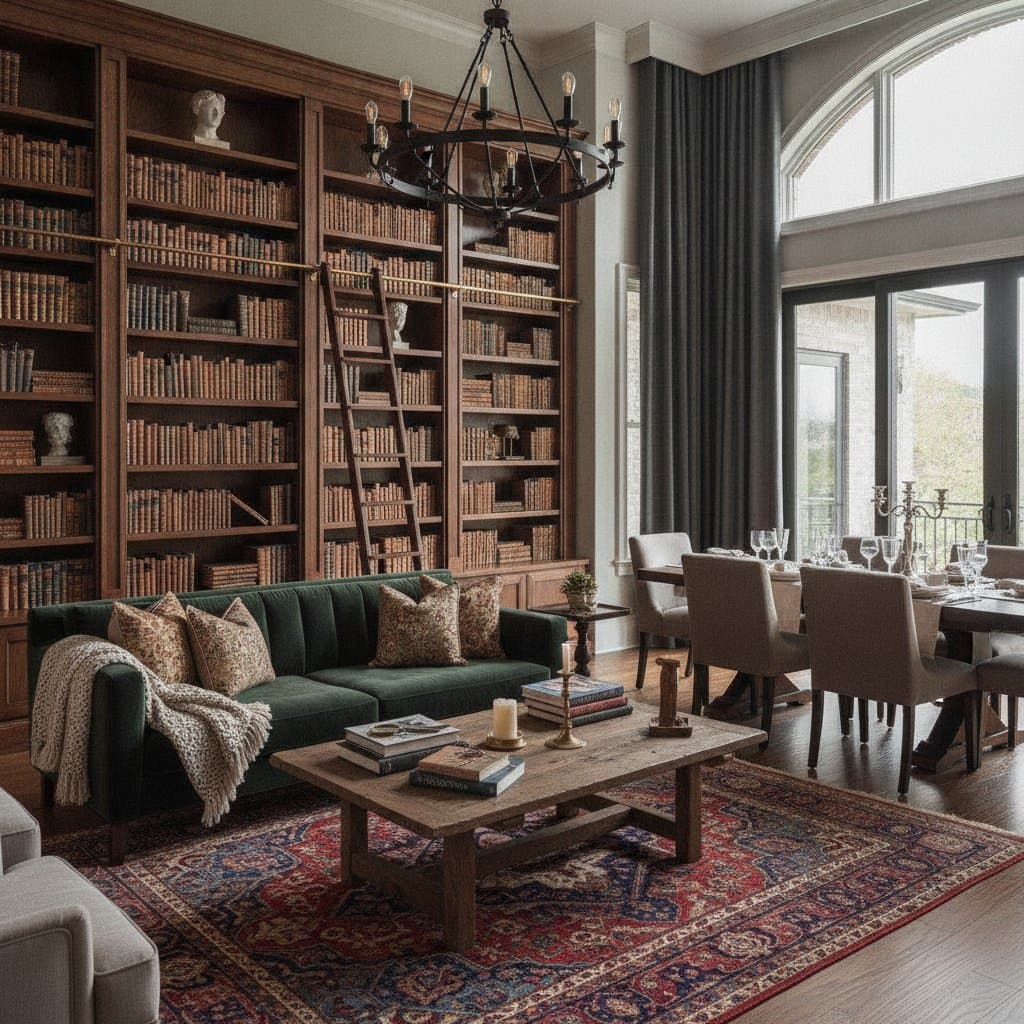
These hues introduce drama to formal rooms, such as libraries or sitting areas. Apply them judiciously in smaller spaces to prevent a sense of enclosure; focus on larger walls for maximum impact.
Slate or Pewter Gray
As a subtler dark variant, these grays work well in hallways or open-concept layouts. They impart depth and sophistication while maintaining an airy feel, especially when layered with metallic accents.
Step-By-Step Basics
Follow these steps to achieve professional results when applying dark paints.
- Clear the space. Relocate furniture to another area or cover it securely with drop cloths to protect against drips and dust.
- Clean walls. Wipe surfaces with a mild detergent solution to eliminate dust, grease, and residues that could affect adhesion.
- Patch and sand. Repair imperfections like holes or cracks with spackle, then sand smooth for a seamless base.
- Prime. Select a tinted primer that closely matches the intended color to ensure even coverage and reduce the number of topcoats needed.
- Cut in edges. Use a high-quality angled brush to apply paint precisely along corners, ceilings, and trim for clean lines.
- Roll the main walls. Employ a roller with an extension pole to distribute two uniform coats, working in sections to avoid lap marks.
- Inspect coverage. Allow drying time, then examine for inconsistencies and apply touch-ups as necessary.
- Remove tape. Peel away painter's tape at a 45-degree angle while the paint remains slightly tacky to prevent peeling.
- Clean tools and air out. Rinse brushes and rollers immediately; ventilate the room by opening windows and using fans to disperse fumes.
Alternatives
For those hesitant about fully committing to deep tones, consider these moderated approaches.
Midtone Neutrals
Colors such as greige, mushroom, or subdued olive offer warmth and subtlety without intense darkness. These selections appeal to a broader audience, facilitating smoother resale for buyers preferring traditional palettes.
Accent Walls
Designate a single wall for a dark shade while maintaining lighter tones on adjacent surfaces. This technique draws attention to architectural features or artwork, providing impact with minimal alteration.
Wallpaper
Opt for textured or patterned varieties that simulate depth and shadow play. Although initial costs exceed paint, many options prove removable, preserving flexibility for future changes.
Limewash or Venetian Plaster
These finishes introduce organic texture and subtle color variations, mimicking the depth of dark paint. They align well with luxury or heritage-inspired interiors, offering durability and aesthetic intrigue.
ROI and Resale
Properties incorporating dark interior accents frequently achieve quicker sales and negotiate closer to the listed price. The bold visual appeal of these rooms enhances online listings, capturing attention amid competitive markets.
Estimated resale effect
- Up to 15% reduction in days on market relative to all-white interiors
- Up to 2% increase in perceived value based on buyer feedback surveys
Prospective buyers associate dark-painted rooms with intentional, polished design. This perception minimizes the impression of required updates, encouraging more competitive bids. Target rooms like the dining area, primary bedroom, and home office for optimal results. Exercise caution in compact bathrooms or dimly lit corridors, where darker shades might amplify a sense of confinement.
Safety Considerations
Painting poses minimal hazards when proper precautions are observed, with ventilation serving as the primary concern.
- Maintain open windows during application and curing to circulate fresh air.
- Choose low-VOC or zero-VOC formulations to minimize indoor air quality impacts.
- Don protective gloves and a respirator mask during sanding or primer application.
- Extinguish pilot lights or open flames to avoid ignition from volatile organic compounds.
- Secure ladders firmly and maintain balanced posture to prevent falls while accessing high areas.
In pre-1978 homes, test for lead-based paint beneath existing layers prior to disturbance. Adhere to Environmental Protection Agency guidelines for renovation, repair, and painting if lead is detected, including certified contractor involvement.
Frequently Asked Questions
What makes dark paint sell homes faster?
Buyers gravitate toward properties with distinctive character. Dark interiors demonstrate thoughtful design intent and confidence. Photographs of these spaces garner more views online, fostering immediate engagement and shortening market time.
Will dark paint make my rooms look smaller?
Poor lighting can accentuate a compact feel. Counter this with strategic illumination and pale trim elements to preserve spatial illusion. In sunlit rooms, dark walls often enhance perceived height by creating dynamic contrasts that draw the eye upward.
How many coats do dark colors need?
Two complete coats over a tinted primer suffice in most cases. Untinted primers risk patchy results with dark hues. A color-matched base layer streamlines the process and optimizes material use.
What finishes work best for moody walls?
Eggshell or satin varieties strike an ideal balance between washability and subtle luster. Matte finishes conceal surface flaws but resist cleaning less effectively. Reserve gloss for trim or focal accents to avoid glare.
Should ceilings stay white with dark walls?
White ceilings reflect light, expanding the room's perceived volume. Coordinating the ceiling with wall color fosters intimacy in larger spaces. Select according to the area's scale and intended mood.
Implementing Moody Interiors for Lasting Appeal
Moody paint colors extend beyond editorial features into practical home enhancement strategies. They accelerate sales while elevating daily living experiences. Balance remains essential: select one or two rooms for dark treatment, ensure ample lighting, and incorporate crisp white or natural-material trims for definition.
Prioritize spaces that translate well to digital imagery when preparing for sale. A charcoal-toned dining room or navy-accented study invites inquiries and tours. Finishes with gentle sheen facilitate light diffusion, amplifying allure.
Test samples on walls under varying conditions before final selection. Observe shifts from morning sunlight to evening lamps. Precision in preparation yields superior outcomes with dark paints; inadequate priming or inconsistent application becomes evident quickly.
Engage a licensed professional if expertise or time constraints arise. Their involvement often yields returns via expedited transactions and diminished staging expenses. Post-application, preserve the surface through routine dusting and humidity control to extend longevity.
This approach costs far less than comprehensive renovations yet transforms buyer perceptions profoundly. With thoughtful color selection, appropriate finishes, and integrated lighting, dark walls elevate ordinary rooms into captivating environments that command premium interest. Secure samples, evaluate illumination, and obtain estimates from qualified painters to initiate the process confidently.