Estimated Duration: One to three days for a single room.
Essential Equipment: Specialized limewash brush, trowel, protective drop cloths, mixing container, stable ladder, and personal protective equipment.
Potential Pitfalls: Inconsistent coverage, inadequate adhesion, or flawed curing processes.
DIY installation suits scenarios where:
- Existing masonry or plaster walls remain in sound condition.
- A modest, rustic effect aligns with preferences, accommodating natural variations.
- Confidence exists in preparing mixtures and executing several thin applications.
Professional services become advisable when:
- Wall repairs or preparatory priming prove necessary.
- A multifaceted or hue-blended outcome is desired.
- Coverage extends to expansive areas or outdoor facades.
- Consistent quality contributes to resale enhancement.
Experts master techniques for managing substrate absorption, coat layering, and controlled drying to eliminate streaks or uneven patches. They also apply mineral-based primers on drywall when compatibility demands it.
Upkeep and Longevity
Limewash endures up to 20 years on interior walls and five to ten years on exteriors. The material develops a graceful patina over time, though hues gradually mellow.
Recommended Maintenance Routine:
- Biennially or triennially: Address wear in high-traffic edges or corners with targeted touch-ups.
- Every five to ten years: Refresh sections subjected to persistent moisture or ultraviolet exposure.
- Post-cleaning procedures: Steer clear of abrasive chemicals; opt for a solution of mild soap diluted in water.
Monitor for chalky residues or irregular patches, indicators that recoating approaches. Outdoor applications necessitate more regular attention owing to elemental influences.
Certain formulations carry manufacturer warranties spanning five to 15 years, contingent on brand specifications and regional conditions. Verify alignment with prevailing building regulations for external implementations.
Regional Considerations
Climatic Influences:
In areas of high humidity, extended curing periods may occur, potentially resulting in a lighter final tone. Arid environments accelerate drying, risking streaks; pre-moisten walls to promote even uptake. Coastal properties gain from limewash's inherent defense against saline corrosion and fungal growth.
Regulatory Compliance:
Certain locales mandate mineral-based coatings for heritage structures. Limewash satisfies these stipulations. Consult municipal authorities prior to undertaking substantial endeavors.
Workforce Availability and Costs:
Pricing for labor fluctuates significantly. Metropolitan zones emphasizing aesthetic enhancements command premium rates for ornamental applications. Less urban settings often feature reduced specialist fees.
Sourcing Materials:
European-sourced limewash elevates expenses due to importation. Domestically produced alternatives deliver comparable efficacy at lower costs.
Safety Protocols
The alkaline nature of limewash irritates skin and ocular tissues. Don gloves, safety goggles, and protective clothing. Restrict access for children and pets during preparation and execution phases.
Precautionary Measures:
- Refrain from inhaling dust generated during mixing.
- Neutralize spills promptly with copious water rinses.
- Adhere to community guidelines for disposing of residual materials and containers.
For outdoor projects, secure ladders and scaffolding properly. Should limewash contact drainage systems, irrigate thoroughly to avert mineral deposits.
When preparing traditional mixtures, introduce lime gradually into water to minimize splatter risks. Review product safety data sheets thoroughly before commencing work.
Emerging Trends and Design Integration
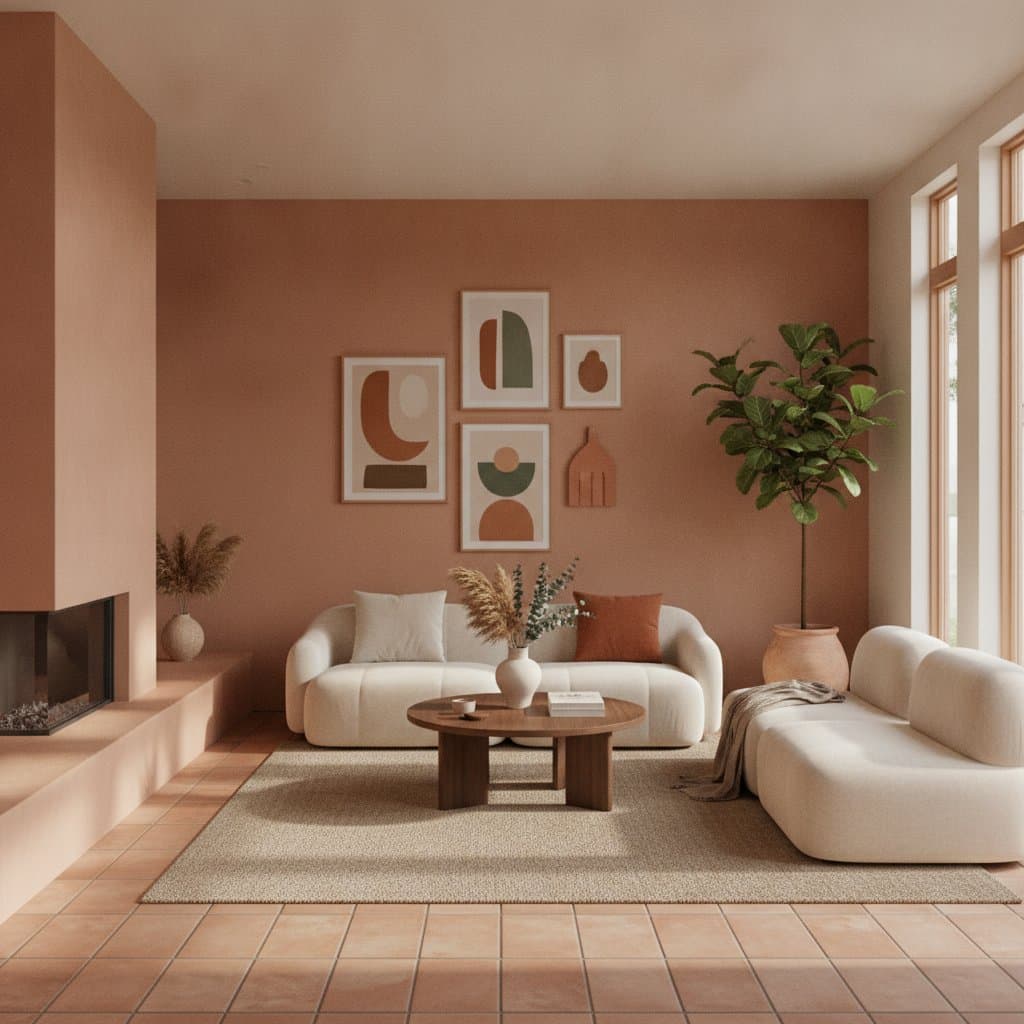
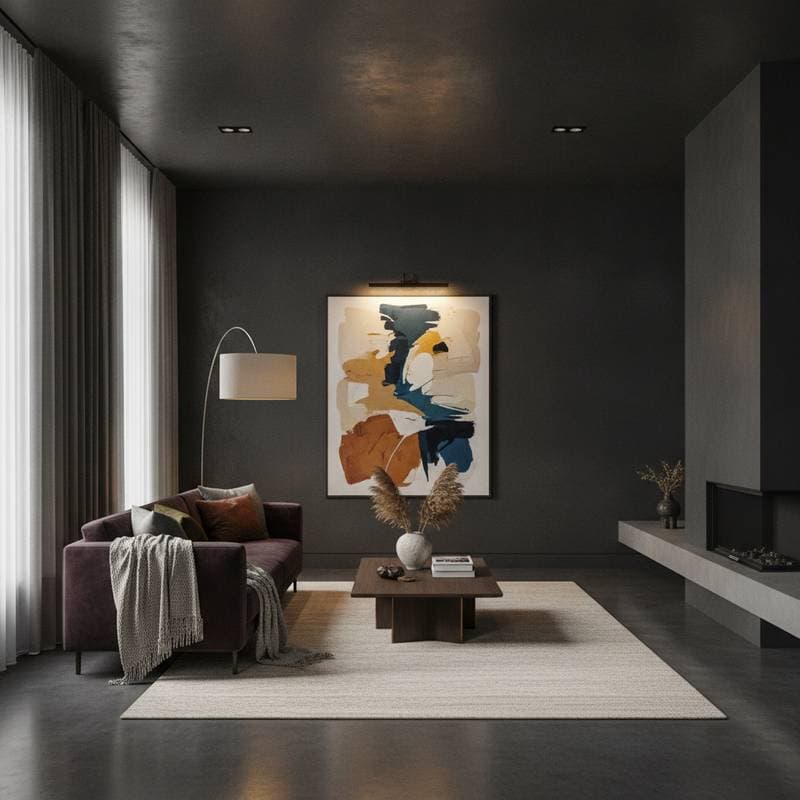
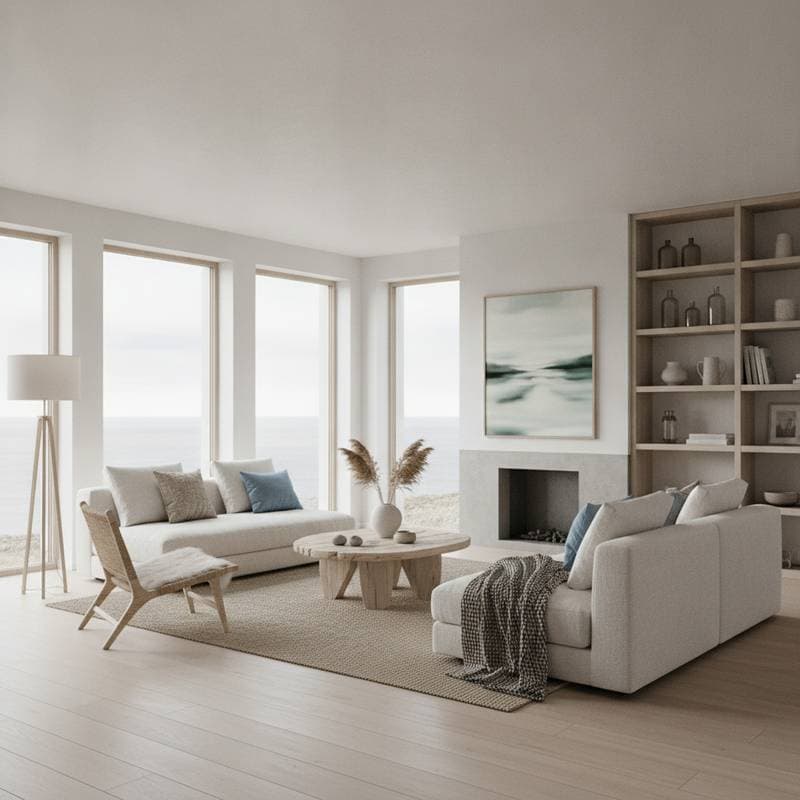
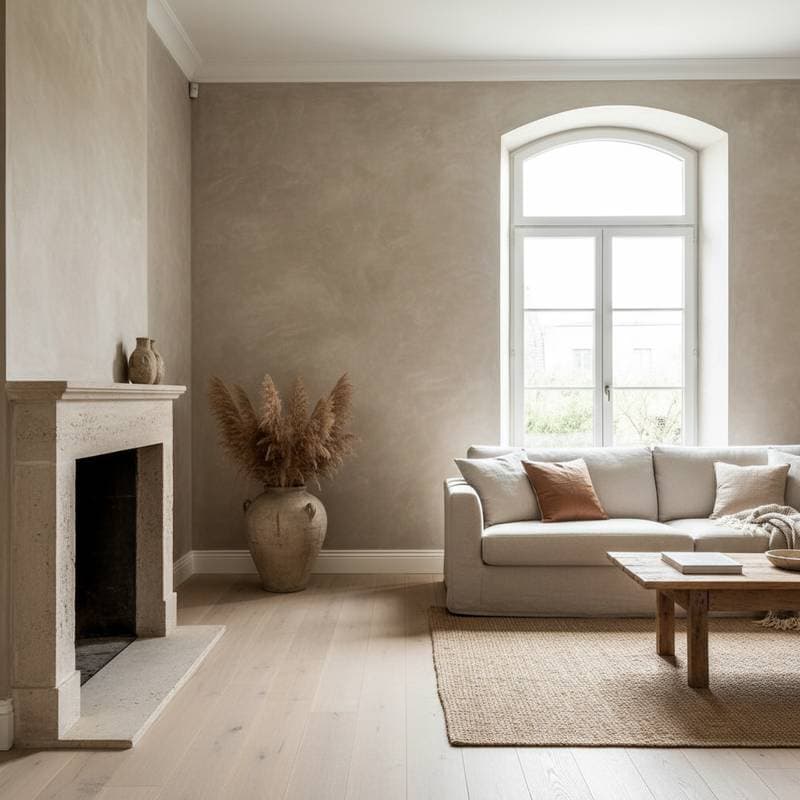
Limewash aligns with the surge in demand for tactile, nature-inspired interiors. Interior designers employ it to temper stark lines and infuse coziness absent excessive ornamentation. The finish complements minimalist, countryside, and Old World motifs seamlessly.
It advances green construction objectives by sequestering carbon dioxide during the curing phase, thereby offsetting emissions. Environmentally minded consumers prize this quality, favoring substances that mature elegantly over time.
The undulating surface fulfills contemporary cravings for sensory elements in decor. Flat expanses often appear sterile in expansive rooms; limewash introduces nuanced shading and tonal shifts, fostering an inhabited ambiance. In preparation for sales or viewings, it distinguishes listings authentically.
Expert Recommendations for Optimal Results
- Initiate modestly. Experiment on a single surface to gauge suitability before broader commitment.
- Apply under daylight conditions. Natural illumination reveals drying inconsistencies that indoor lighting may obscure.
- Maintain uniform stippling. Employ irregular crosshatch strokes with the brush to prevent directional lines.
- Regulate ambient moisture. Lightly mist walls to ensure balanced absorption.
- Incorporate subtle layering. Overlap shades of analogous colors for enhanced visual intrigue.
- Safeguard adjacent areas. Drips from limewash etch indelibly into stone or ceramic flooring.
Exterior endeavors require temperate conditions; evade peak solar intensity or precipitation during setting. Indoors, promote airflow without accelerating evaporation via fans.
Implementing Limewash for Lasting Impact
Limewash presents an efficient strategy to augment property appeal through aesthetic refinement rather than lavish expenditures. It combines tactile interest, chromatic subtlety, and ecological merits in a straightforward process. Whether pursuing self-installation or engaging specialists, meticulous preparation ensures success.
Commence with contained initiatives, such as highlighting a feature wall or encasing a hearth. Observe the interplay of light on the finish to assess broader applicability.
Solicit estimates from certified contractors for extensive indoor or facade transformations. Inquire regarding formulation specifics, coat quantities, and projected durability. Insist on authentic mineral compositions over synthetic variants. Affirm regulatory adherence for outdoor applications.
Frequently Asked Questions
Does limewash adhere to drywall?
Affirmative, provided a mineral primer or dedicated undercoat precedes application. Optimal bonding occurs with porous substrates like plaster, brick, or stone.
Is limewash resistant to water?
Negative. While it withstands superficial dampness, its permeable design avoids full sealing. Select variants certified for external durability.