Moody Dark Interiors: The 2026 Trend Accelerating Home Sales
One-line takeaway: Deep moody interiors enable homes to sell more quickly, with standard upgrades ranging from $3,000 to $8,000 based on room dimensions and material quality.
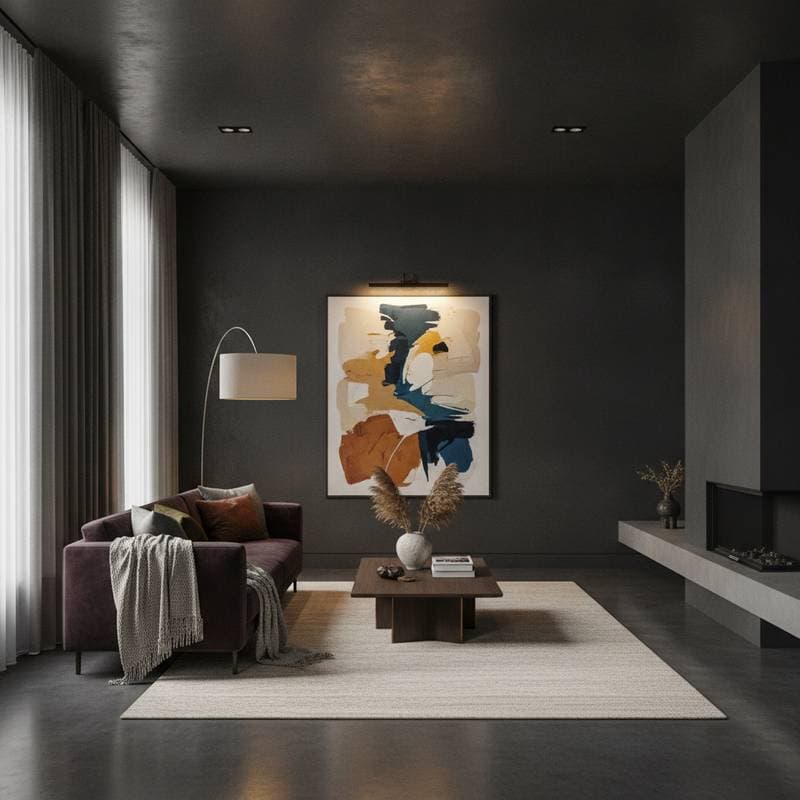
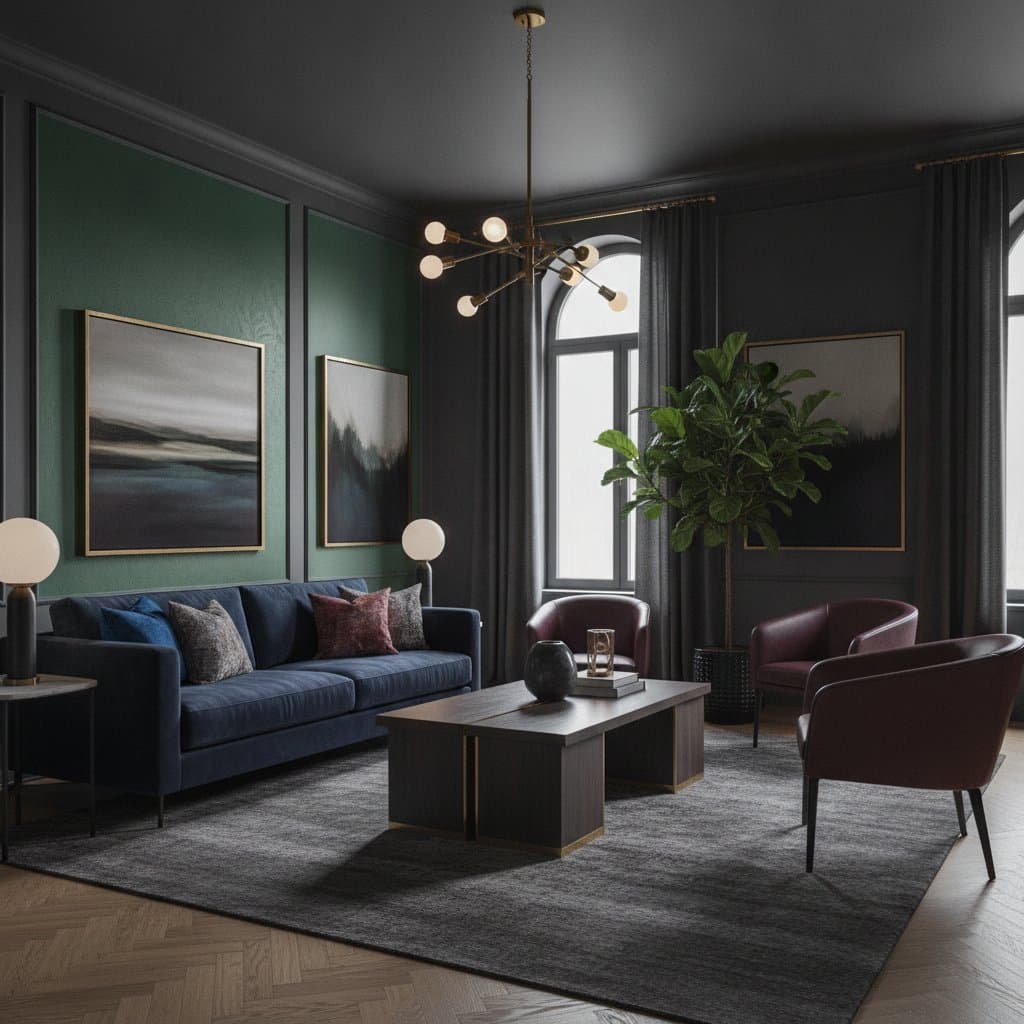
Moody dark interiors represent a significant shift in home design, particularly for staging properties in competitive real estate markets. These schemes employ rich, subdued colors to evoke sophistication and intimacy, drawing buyers who seek distinctive spaces. In 2026, this approach proves especially effective, as it differentiates listings and enhances visual impact in photographs.
Homeowners and agents observe that such transformations not only shorten time on market but also command higher offers. The key lies in balancing depth with functionality, ensuring rooms feel inviting rather than oppressive. This section outlines the essential elements driving this trend's success.
Cost Factors
Multiple components influence the expense of implementing moody dark interiors. Budget for $5 to $10 per square foot on paint and fundamental lighting adjustments, with additional costs for custom elements like built-ins or specialized wall coverings.
1. Paint and Finish
Matte or eggshell finishes exceed the price of conventional satin options, typically $45 to $70 per gallon. Darker pigments demand multiple coats, increasing labor by 20 to 30 percent. Priming becomes essential when transitioning from light-colored walls to prevent uneven absorption.
Select high-quality paints formulated for low sheen to minimize glare and highlight textures. Professionals recommend testing samples on multiple wall sections to assess true color under varying light conditions. This preparation avoids costly repaints and ensures a seamless application.
2. Lighting and Fixtures
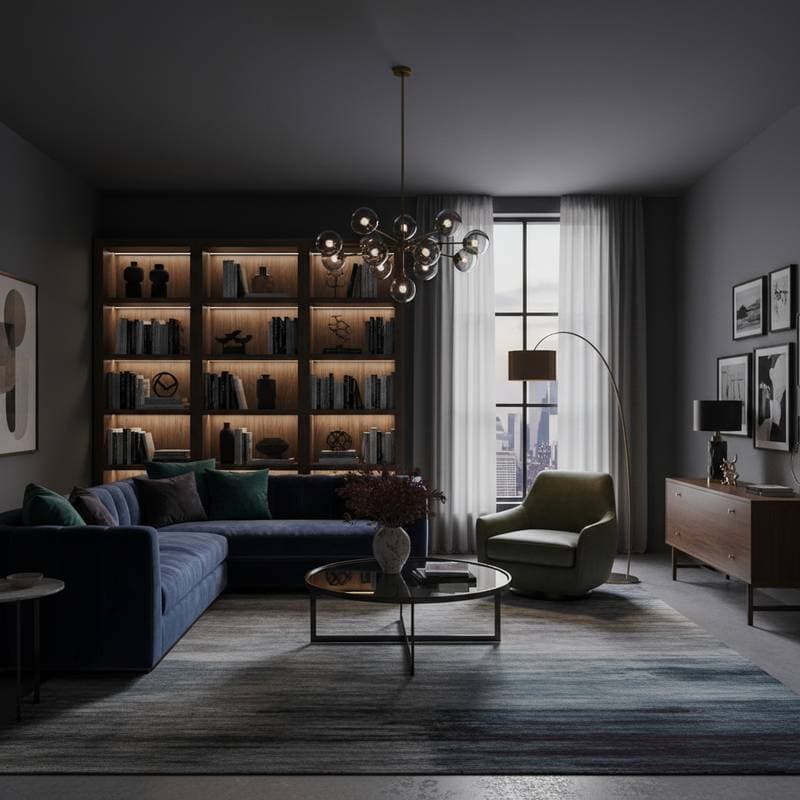
Layered illumination establishes the desired ambiance in moody spaces. Allocate $300 to $1,200 per room for new fixtures such as sconces or pendants. Dimmers combined with warm LED bulbs contribute another $100 to $200.
Complex installations, including rewiring or ceiling modifications, elevate expenses if structural access proves challenging. Opt for fixtures that allow adjustable color temperatures, from 2700K for cozy evenings to 3000K for daytime versatility. Proper placement prevents shadows and maintains spatial openness.
3. Millwork and Built-ins
Custom painted trim or integrated shelving in dark hues costs $1,500 to $4,000, scaled by design intricacy. Veneer or medium-density fiberboard (MDF) options reduce expenses by approximately 20 percent relative to solid hardwoods.
These elements add architectural interest and storage without overwhelming the palette. Consider modular built-ins for flexibility in resale staging, allowing future owners to adapt the space. Finishes like lacquer enhance durability while preserving the matte aesthetic.
4. Furniture and Textiles
Updating upholstery or replacing pale furnishings with deeper shades spans $500 to $2,000 per room. Materials such as velvet, wool, and brushed cotton retain pigmentation effectively and perform well in images.
Focus on pieces that introduce texture and scale appropriately to the room. For instance, a low-profile sofa in charcoal velvet anchors a living area without dominating it. Layer rugs and throws to soften edges and promote a tactile experience for potential buyers.
5. Professional Design Help
A targeted color consultation or spatial planning session ranges from $250 to $600. Comprehensive services for an entire level may exceed $3,000, though such investments mitigate errors and optimize outcomes.
Engage designers familiar with real estate photography to align choices with listing goals. Their expertise ensures cohesion across elements, from color flow to accessory placement. Early involvement streamlines the process and aligns with tight selling timelines.
Midrange Upgrade
This package incorporates layered surfaces and thoughtful detailing to deliver a premium sensation that resonates with discerning buyers.
Cost: $5,000 to $7,000 per room
What to Do:
- Apply matte dark paint to all walls for uniform depth.
- Incorporate dimmable sconces or pendant lights featuring adjustable warm tones.
- Integrate moody artwork or framed prints accented by brass or black frames.
- Substitute light hardware with aged bronze or brushed black alternatives.
- Position a dark-stained console or coffee table to foster visual continuity.
Best For: Living rooms, primary bedrooms, or open-concept areas benefiting from ample natural light. These spaces leverage the trend's dramatic potential while accommodating daily use.
DIY vs Professional Installation
When to Pursue DIY
Opt for self-directed efforts when repainting one or two rooms. This approach suits individuals with strong preparation and finishing abilities, access to tools like ladders, rollers, and premium brushes, and walls free from moisture damage or repairs.
Such projects allow customization at lower immediate costs. However, dark applications amplify imperfections, making thorough sanding and even coating critical. Test lighting arrangements meticulously to avoid diminishing perceived room size.
When to Hire Professionals
Engage experts for ceiling applications, built-in painting, electrical modifications, or recessed lighting additions. They prove invaluable for comprehensive color consultations or when preparing a property for imminent listing to secure optimal photography.
Professionals utilize airless sprayers and lighting calibration tools for superior results. Their methods ensure precise trim and corner preparation, yielding a luxurious, uniform finish. Although labor fees add to the budget, they reduce the need for corrections and preserve project momentum.
Maintenance and Warranties
Cleaning and Upkeep
Maintain matte walls with a soft microfiber cloth or cleaner safe for low-sheen surfaces. Steer clear of glossy repair products that disrupt light reflection. Schedule repaints every 7 to 10 years, or earlier if fading or abrasions appear.
Regular care preserves the palette's richness and prevents buildup that alters appearance. In high-traffic areas, consider protective sealants compatible with matte finishes to extend longevity without compromising aesthetics.
Lighting Maintenance
Replace bulbs collectively to sustain consistent color temperatures. Dust fixtures biannually to eliminate spots that dull the ambiance.
Monitor dimmer functionality annually, as wear can affect performance. Stock spares in matching specifications to facilitate quick swaps during showings.
Furniture Care
Vacuum velvet and wool textiles weekly using a brush attachment. Employ coasters on dark wood surfaces to avert water marks.
Address spills promptly with fabric-specific treatments to safeguard against stains. Professional cleaning every 12 to 18 months rejuvenates textures and maintains vibrancy.
Warranty Notes
Premium paints generally provide 5 to 10 years of protection against adhesion failure and color shift. Retain receipts and formulation codes for straightforward matching in future applications.
Consult manufacturer guidelines for specific coverage details, including environmental factors that may influence durability. This documentation supports claims and informs ongoing care decisions.
Color and Material Choices
Best Dark Paint Colors
- Charcoal Gray: Offers versatility, ideal for novices seeking a neutral base.
- Deep Navy: Pairs seamlessly with brass accents, leather upholstery, and walnut elements.
- Forest Green: Adapts to rustic or contemporary aesthetics with equal finesse.
- Aubergine or Plum: Infuses warmth into bedrooms and dining areas.
- Blackened Teal: Captures light elegantly, enhancing photographic appeal.
Employ low-sheen matte for walls and satin for trim accents. Evaluate samples in both daylight and artificial settings to confirm suitability across daily cycles.
Supporting Materials
- Wood: Dark walnut or smoked oak provides grounding stability.
- Stone: Honed granite, soapstone, or dark quartz integrates kitchens harmoniously.
- Metal: Brushed bronze or gunmetal hardware introduces depth sans excessive shine.
- Fabric: Velvet, wool, and linen combinations deliver softening texture.
- Glass: Smoked or frosted variants preserve illumination while amplifying mood.
These selections create layered interest, ensuring the design feels cohesive and lived-in. Prioritize sustainable sourcing where possible to appeal to eco-conscious buyers.
Market Insights for 2025 and 2026
Design preferences evolve rapidly, yet moody dark interiors endure due to their fusion of theatricality and utility. As fatigue sets in with minimalist white schemes, deeper tones emerge as a revitalizing alternative. Real estate imagery in these palettes distinguishes properties amid saturated online listings.
Professionals note consistent requests for moody kitchens, libraries, and primary suites in mid-tier to luxury segments. Paint manufacturers respond by broadening dark shade offerings, underscoring the trend's longevity.
Tradeoff: Intense palettes may visually contract smaller areas. Mitigate this through pale flooring or reflective mirrors to sustain perceived spaciousness. Buyers appreciate the atmosphere yet prioritize ventilation and flow.
Key Market Insight: Properties featuring two or more moody accent rooms outperform those with pervasive darkness. Strategic balance broadens appeal and accelerates transactions.
Safety and Compliance
Prioritize ventilation during painting to disperse fumes, using fans and open windows for optimal airflow. Select low-VOC paints to minimize health risks, especially in occupied homes. For electrical work, ensure licensed professionals handle installations to meet building codes and prevent hazards.
Test lighting for heat output to avoid fire risks with textiles nearby. Comply with local regulations on material finishes, particularly in rental or commercial conversions. These measures safeguard occupants and uphold property standards.
Steps to Implement Your Moody Transformation
- Select a Starting Room. Choose a living room or bedroom with manageable lighting control.
- Test Color Samples. Apply three deep shades under natural and artificial illumination.
- Establish a Budget. Anticipate $5,000 on average for comprehensive room renewal.
- Secure Skilled Labor. Book painters and electricians well in advance, especially during peak seasons.
- Coordinate Photography. Time listing sessions immediately post-completion to capture peak vibrancy.
These actions position your property for swift market success. Moody dark interiors not only captivate but also deliver enduring value, aligning with buyer preferences for personalized, immersive spaces.