
Wet Rooms Add 11% Value When Replacing Tubs
Replacing a traditional bathtub with a modern wet room represents a strategic upgrade for homeowners seeking enhanced functionality and increased property value. This transformation creates a fully waterproof, open-concept bathroom space that prioritizes accessibility, luxury, and contemporary aesthetics. Industry experts project that such renovations will yield an 11% boost in home resale value by 2026, driven by growing demand for barrier-free designs.
Understanding Wet Rooms
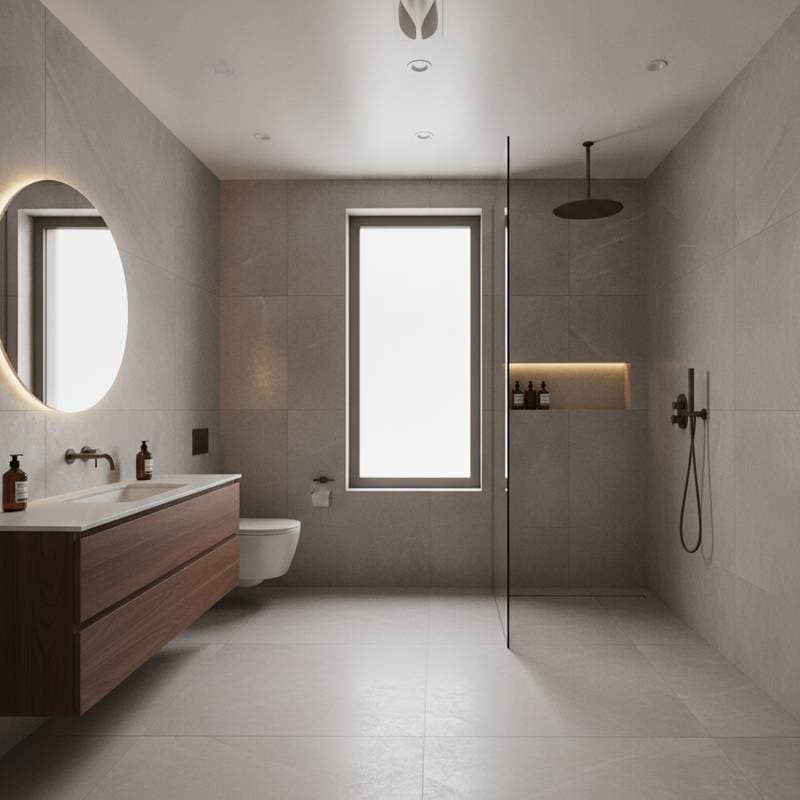
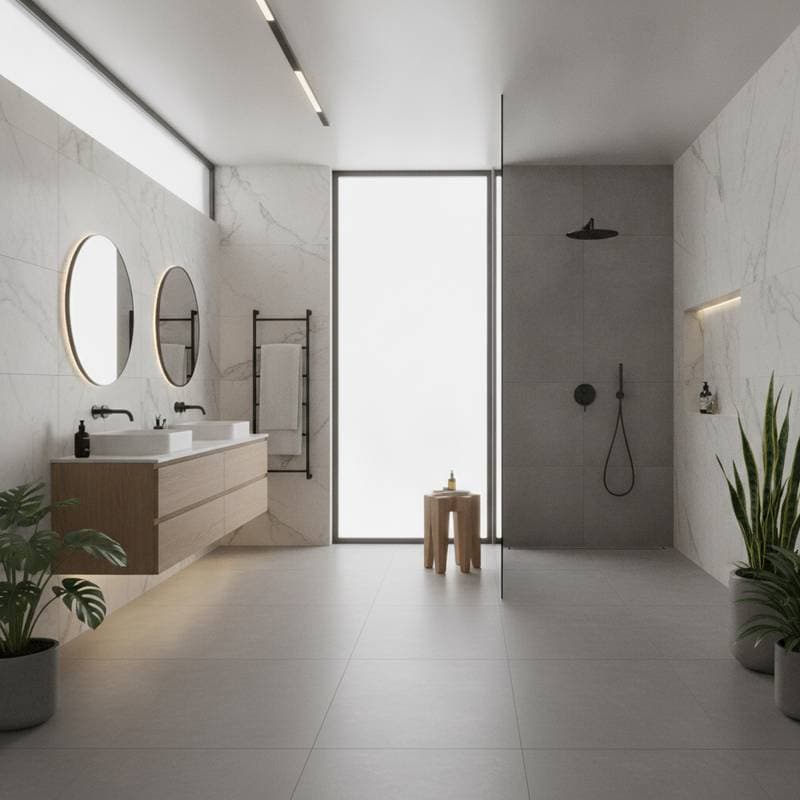
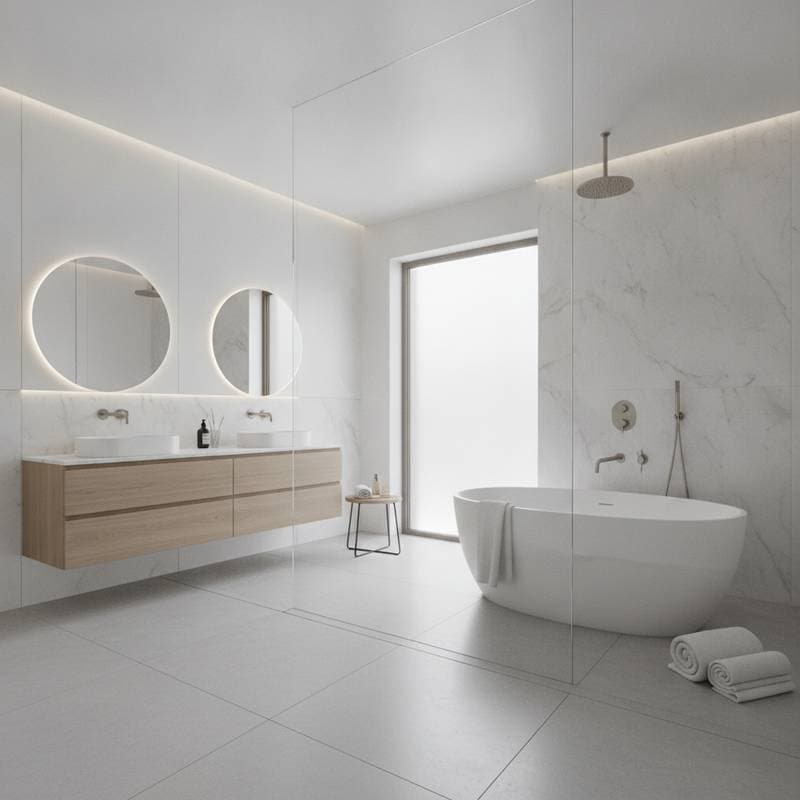
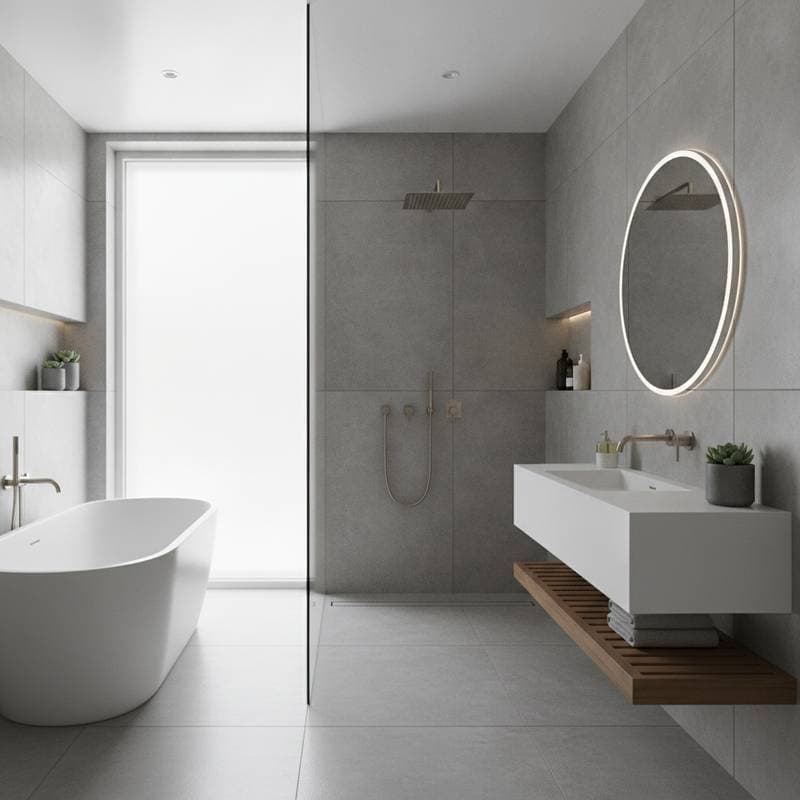
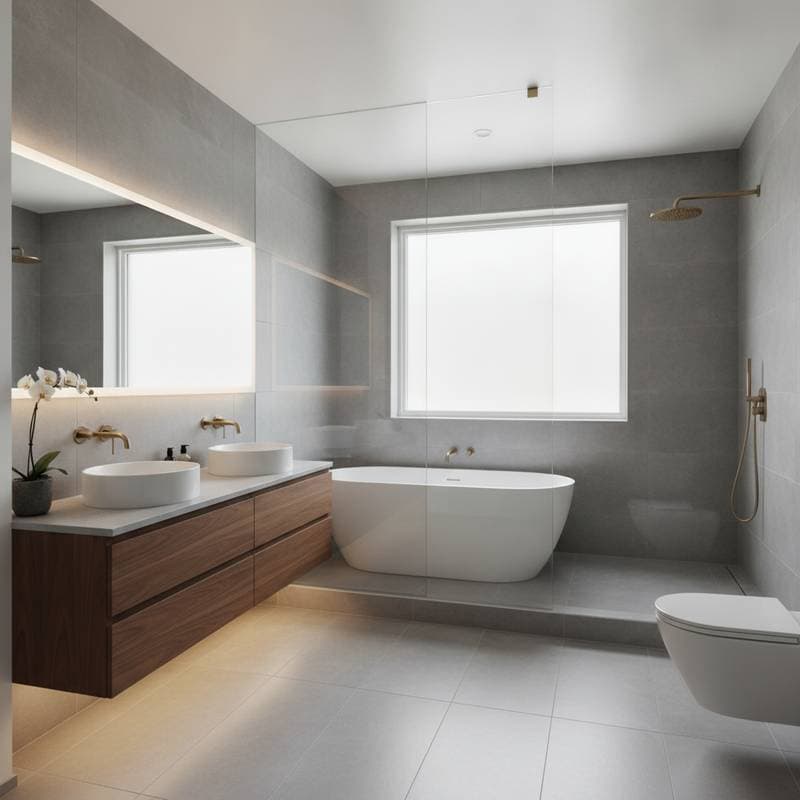
Wet rooms eliminate the need for shower trays or curbs, allowing water to flow freely across the entire floor while advanced drainage systems manage runoff efficiently. These spaces feature wall-mounted fixtures, seamless tiling, and non-slip flooring to ensure safety and ease of maintenance. Unlike conventional bathrooms, wet rooms integrate the shower area into the overall layout, fostering a spa-like atmosphere that appeals to a broad range of buyers.
Homeowners often choose wet rooms for their versatility in small or aging bathrooms, where space constraints limit traditional setups. The design accommodates various user needs, from families requiring quick access to individuals with mobility challenges. Professional installers emphasize the importance of proper waterproofing to prevent leaks and mold, which forms the foundation of a durable remodel.
The Value Proposition: 11% Resale Boost
Market analyses indicate that wet room conversions outperform standard bathroom updates in return on investment. By 2026, properties with these features could see valuations rise by 11%, particularly in urban areas like Los Angeles where modern living spaces command premiums. This uplift stems from the perceived luxury and practicality, attracting buyers who prioritize low-maintenance, inclusive designs.
Real estate professionals note that wet rooms align with aging-in-place trends, making homes more marketable to diverse demographics. The open layout reduces physical barriers, enhancing appeal for multigenerational households. Investors benefit from faster sale times and higher offers, as these upgrades signal thoughtful, forward-looking renovations.
Costs and Budgeting Essentials
The average cost to convert a tub to a wet room ranges from $15,000 to $30,000, depending on materials, size, and location-specific labor rates. Basic installations use porcelain tiles and standard fixtures, while premium options incorporate heated floors, digital showers, and custom glass partitions, pushing expenses higher. Homeowners should allocate 10-15% of the budget for unforeseen issues like plumbing adjustments or structural reinforcements.
To manage costs effectively, obtain multiple quotes from certified contractors and prioritize energy-efficient elements that qualify for rebates. Detailed planning prevents overruns; for instance, selecting pre-fabricated components can shorten timelines and reduce labor fees. Long-term savings arise from decreased water usage and minimal cleaning requirements, offsetting initial outlays over time.
Design Tips for Maximum Impact
Select durable, water-resistant materials such as large-format porcelain tiles that minimize grout lines and simplify upkeep. Incorporate matte finishes to reduce glare and enhance safety, paired with strategically placed grab bars for subtle support. Lighting plays a crucial role; recessed LEDs create an inviting ambiance while task-oriented fixtures ensure functionality around vanities and showers.
Customize the layout to fit the room's dimensions, using foldable screens or niches for storage without compromising the open feel. Color schemes in neutral tones with bold accents promote a timeless look that resonates with potential buyers. Consult with designers early to balance aesthetics and practicality, ensuring the space feels expansive yet secure.
Installation Process Step by Step
Begin with a thorough assessment of the existing bathroom, identifying plumbing, electrical, and structural needs. Demolition removes the tub and surrounding enclosure, followed by installing a linear drain and sloped flooring to direct water flow. Waterproof membranes seal walls and floors, preventing moisture intrusion into substructures.
Next, position fixtures like rain showers and vanities, integrating smart controls for temperature and flow. Tiling and grouting complete the surfaces, with final touches including silicone caulking and accessibility features. The entire process typically spans 5-10 days, requiring temporary relocation of bathroom use to avoid disruptions.
Professional oversight ensures compliance with building codes, particularly for ventilation and drainage. Post-installation testing verifies leak-proof performance, allowing for adjustments before full use. This methodical approach guarantees a seamless integration that enhances daily living.
Pros and Cons of Wet Room Conversions
Advantages
- Enhanced Accessibility: Level-entry designs accommodate wheelchairs and reduce fall risks, promoting independence for all users.
- Aesthetic Appeal: The minimalist style elevates the bathroom's sophistication, creating a resort-inspired retreat.
- Space Efficiency: Open layouts maximize floor area, ideal for compact homes or powder rooms.
- Value Addition: The projected 11% resale increase justifies the investment for long-term homeowners.
Disadvantages
- Higher Upfront Costs: Premium materials and specialized labor exceed basic shower replacements.
- Water Management Challenges: Improper installation risks overspray or humidity buildup if ventilation falters.
- Privacy Concerns: The exposed design may not suit households preferring enclosed showers.
- Resale Variability: Not all markets value wet rooms equally, depending on regional preferences.
Weighing these factors helps determine suitability; for many, the benefits outweigh the drawbacks in modernizing older properties.
Ensuring Safety and Longevity
Prioritize slip-resistant flooring with a coefficient of friction above 0.6 to mitigate accident risks in wet environments. Install anti-scald valves and temperature regulators on showers to protect vulnerable users. Regular maintenance, such as annual sealant inspections, preserves waterproof integrity and extends the remodel's lifespan.
Ventilation systems with humidity sensors prevent mold growth, maintaining air quality. Educate household members on usage protocols to avoid common pitfalls like excessive water volume. These measures not only safeguard health but also uphold the investment's value over decades.
Realizing Benefits for Resale and Daily Use
Wet rooms transform routine routines into luxurious experiences, fostering relaxation amid busy schedules. For resale, highlight features through professional staging and documentation of quality craftsmanship. This upgrade positions the home as a desirable, adaptable sanctuary that meets evolving lifestyle demands.
Homeowners report improved satisfaction from the seamless flow and effortless cleaning, contributing to overall well-being. The 11% value increase reflects broader market shifts toward inclusive, efficient spaces. Embrace this renovation to unlock both immediate enjoyment and future financial gains.