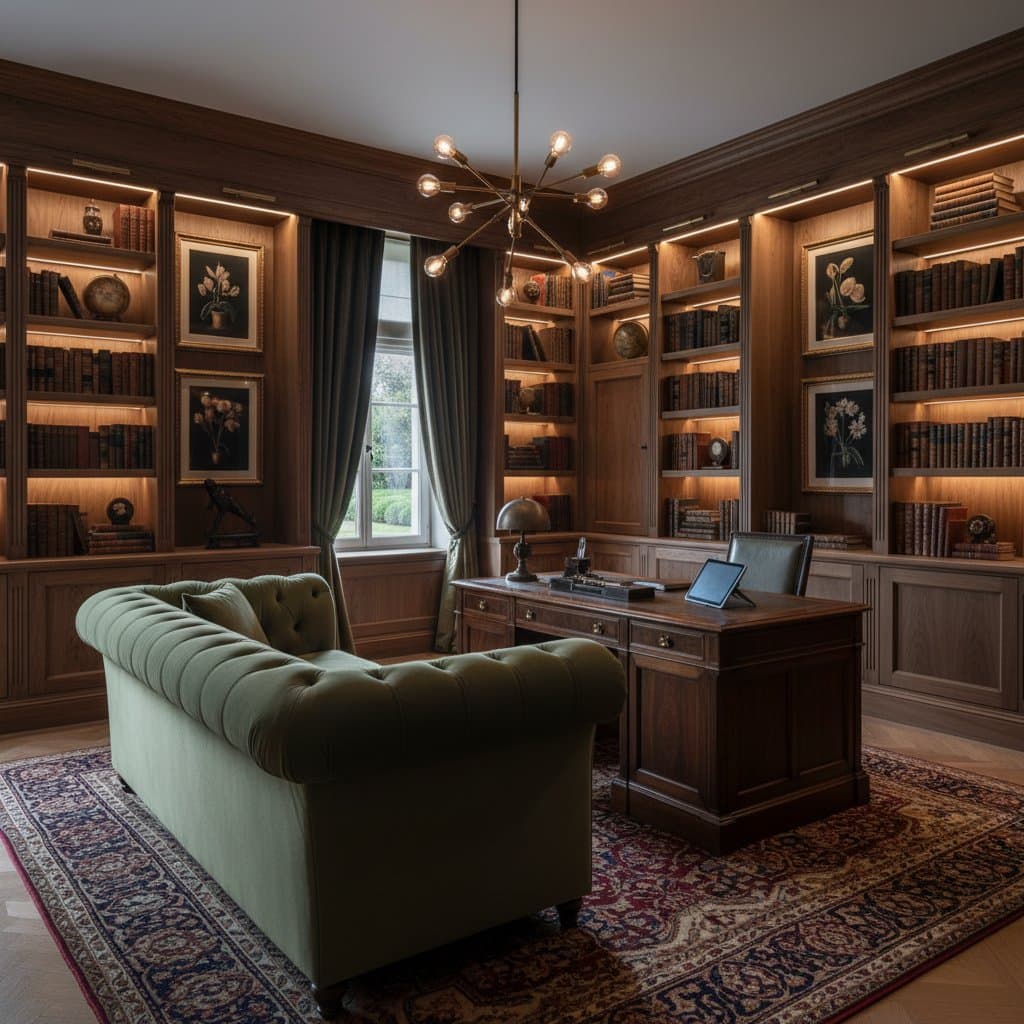
Dark Academia Drives the 2026 Luxury Home Market
Dark Academia has transitioned from aesthetic inspiration to a key feature in high-end property listings. Rich color schemes, antique elements, and a sense of scholarly retreat now define premium interiors. Prospective buyers seek residences that evoke intimate study spaces rather than expansive, impersonal structures. Market reports from prominent urban areas indicate a clear preference for subdued lighting and tactile surfaces, positioning these designs as markers of elite status.
The Appeal of Dark Academia in Premium Residences
Affluent purchasers prioritize unique expressions of style. While light, streamlined interiors dominated recent decades, their ubiquity diminished their exclusivity. Dark Academia offers a distinctive alternative, merging classical elegance with subtle erudition. Essential components include polished timber furnishings, classical artwork, substantial window treatments, and multifaceted illumination sources. Such environments convey affluence through understated assurance rather than overt display.
This approach endures beyond fleeting fashions due to its foundation in heritage and skilled artistry. It provides enduring solace, inviting warmth, and an element of intrigue, aligning with the preferences of those committing to substantial investments.
Core Elements of Dark Academia Interiors
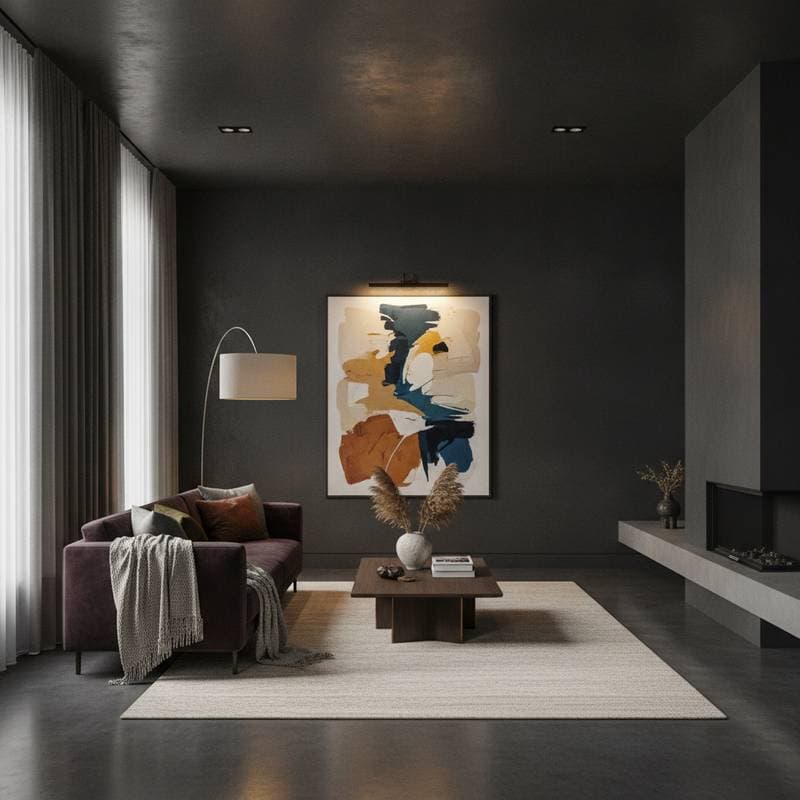
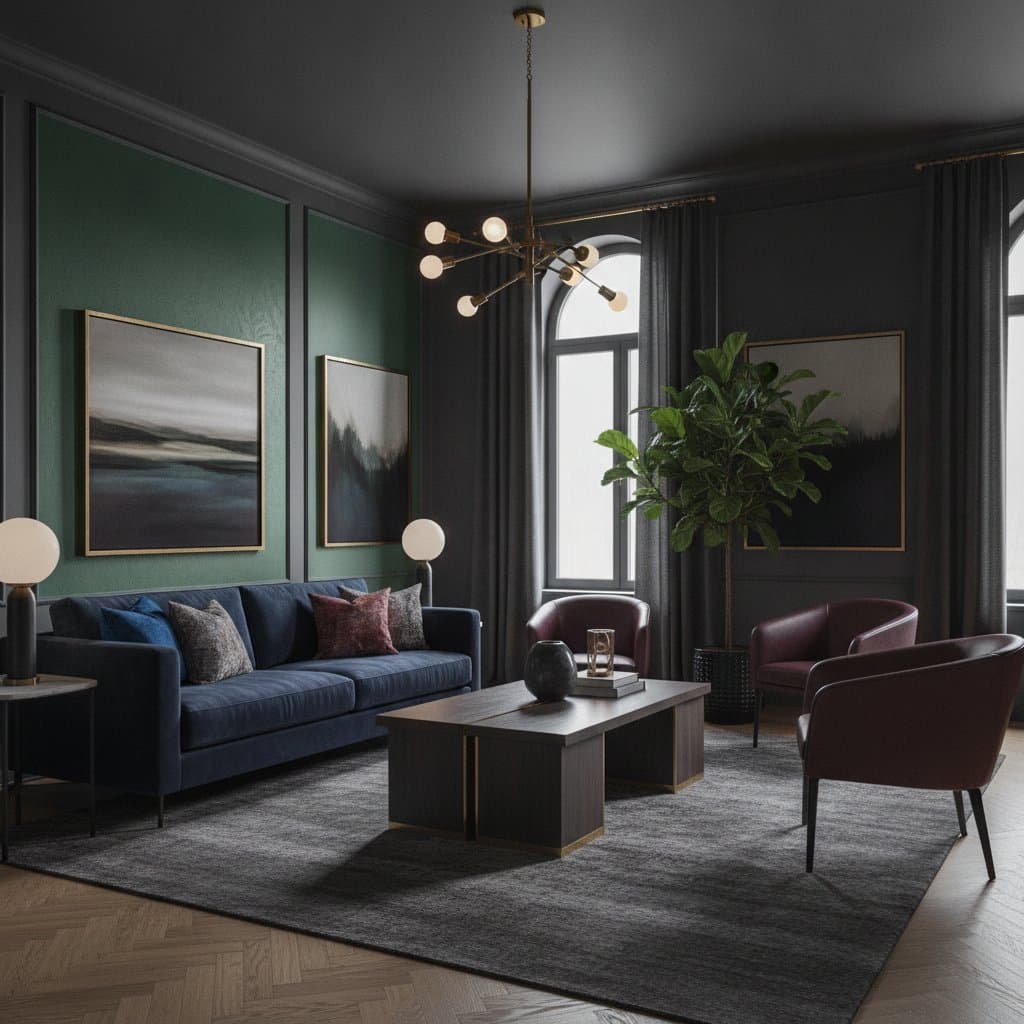
The aesthetic emphasizes substance and subtlety over gloss. Envision a dimly lit reading room or a mist-covered university quad. Defining features encompass:
- Color Palette: Intense shades like mahogany browns, emerald greens, burgundy reds, midnight blues, and slate grays.
- Material Choices: Patinated leather, plush velvets, coarse linens, and ebony-toned hardwoods.
- Illumination Techniques: Multi-tiered fixtures, wall-mounted lights, and diffused shades to temper harsh glare.
- Decorative Accents: Canvas portraits, stone sculptures, herbal illustrations, and densely filled bookcases with leather-bound volumes.
- Structural Details: Vaulted ceilings, ornate trim, and ornate hearth surrounds.
Though inspired by the past, contemporary interpretations incorporate discreet innovations. Concealed automation for illumination, environmental regulation, and protective measures preserve the visual harmony while delivering practical functionality.
Guide to Implementing Dark Academia in Your Home
- Prepare the Surfaces. Select flat-finish coatings in profound, vivid shades. Incorporate raised paneling or decorative borders where feasible.
- Incorporate Varied Textures. Combine elements that exhibit patina and dimension, such as silk drapes, thick floor coverings, and upholstered seating.
- Manage Illumination Levels. Replace stark sources with amber-toned alternatives. Introduce floor-standing and wall lights featuring translucent covers.
- Select Signature Items. Integrate period-appropriate writing tables, aged shelving units, or salvaged dining surfaces.
- Curate Display Areas. Arrange literature, navigational instruments, wax tapers, and encased illustrations. Favor organic arrangements over rigid alignments.
- Enhance with Aromas. Employ wax melts or vaporizers featuring notes of timber, herbs, or incense.
These actions cultivate an immersive ambiance. Focus on intentional selection to prevent disarray; each piece contributes to a cohesive backstory.
Estimated Expenses for a Dark Academia Transformation
| Component | Average Expense Range | Influencing Factors |
|---|---|---|
| Surface Finishes and Coatings | $4 to $8 per square foot | Custom applications or structural additions |
| Furnishings and Heirlooms | $10,000 to $100,000 or more | Provenance, craftsmanship, and scarcity |
| Illumination Enhancements | $2,000 to $10,000 | Bespoke installations or system integrations |
| Accessories and Visuals | $3,000 to $25,000 | Authenticity levels or fabrication methods |
| Comprehensive Design Services | $30,000 to $200,000 or more | Project scale, geographic position, and resource standards |
Regional differences and supply chains impact totals. Overseas artifacts or specialist labor elevate budgets. Opt for regional vendors to moderate expenditures.
Project Timeline and Scale Considerations
Refreshing a solitary space typically requires two to four weeks. Overhauling an entire property might extend to three through six months. Surface preparations and basic setups proceed swiftly. Bespoke woodworking, illumination planning, and artifact procurement introduce delays. Anticipate extended waits for specialized supplies or artisanal creations.
Independent Efforts Versus Expert Assistance
Pursue independently when:
- Targeting a single area.
- Relishing the hunt for pre-owned treasures.
- Possessing ample time for manual applications and arrangements.
Engage specialists when:
- Envisioning a property-wide overhaul.
- Desiring integrated cabinetry or tailored surfaces.
- Owning assets where imprecise choices incur significant financial repercussions.
Experts guarantee unified aesthetics. They oversee equilibrium in light distribution, spatial harmony, and transitional elements. Their involvement safeguards market viability, crucial for elite properties.
Essential Supplies and Equipment
- Application tools for coatings
- Adhesive barriers and protective sheets
- Fastening implements for fixture adjustments
- Material prototypes and surface tests
- Elevated platforms and wall detectors for mounting
- Dimension tools and alignment devices
- Gentle fabrics for heritage preservation
Assemble resources in advance. Designs reliant on atmosphere demand meticulous execution and deliberation.
Current Demand Among High-End Buyers
Two primary factors propel this shift: aesthetic exhaustion and the pursuit of solace. Following prolonged exposure to unadorned simplicity, residents desire inviting depth. They favor environments that reflect personal narratives, complexity, and refinement. Heightened emphasis on domestic retreats during recent global events amplified this inclination. Individuals now seek venues that embody significance alongside utility.
Property specialists observe accelerated transactions for features showcasing subdued atmospheres. Clients perceive them as polished and secluded. Within premium sectors, seclusion equates to distinction. A dwelling illuminated gently through heavy fabrics projects an air of selectivity.
Adaptations for Location and Environment
In sun-drenched, warm areas, shadowed schemes temper intensity and foster tranquility. Select permeable textiles and pale timbers to mitigate thermal buildup. In overcast or frigid zones, these setups impart comfort and opulence. Incorporate reflective surfaces and metallic highlights to counter dimness.
Municipal regulations seldom constrain this palette. However, additions like renewed hearths or embedded storage may require approvals. Verify local guidelines prior to invasive alterations or utility modifications.
Eco-Conscious Practices and Provenance
The style excels through repurposing. Pre-loved pieces and salvaged resources minimize environmental impact. Acquiring used goods infuses authenticity. Prioritize low-emission coatings and upcycled textiles. For timber elements, seek verified renewable origins. Discerning clients inquire about traceability, enhancing enduring worth through responsible choices.
Enhancing Property Worth Through Design
Purchasers associate Dark Academia with superior execution. This association elevates market desirability. Residences featuring elaborate details capture attention in visual presentations, generating broader inquiries. In saturated arenas, sensory appeal closes deals. A shadowed retreat or ornamented workspace often serves as the focal image.
Valuation professionals recognize that integrated styling bolsters assessments. A deliberate layout implies meticulous stewardship and excellence. Even targeted implementations, like a featured chamber, amplify attractiveness.
Pitfalls to Sidestep
- Excess Accumulation: An overload of relics burdens spaces. Maintain open areas for balance.
- Inadequate Illumination: Unmitigated shade appears lackluster rather than evocative. Employ graduated sources.
- Incoherent Blends: Adhere to a unified scheme. Exclude contemporary metallics or vivid highlights.
- Neglecting Upkeep: Shadowed planes reveal residues readily. Choose durable, cleanable options.
Address these promptly through preliminary trials. Experiment in limited zones before broader commitments.
Scenarios for Professional Input
Seek design counsel when merging historical frameworks with contemporary infrastructure. Utility rerouting, veiled fixtures, and revival tasks demand certified expertise. Consult appraisers for significant artworks or figures. Retain qualified builders for foundational or wiring adjustments. Professionals sustain the interplay of form and function.
Practical Ways Forward
Initiate modestly. Apply a profound shade to a single plane. Introduce a contemplative seat and subdued light. If the effect resonates, proceed incrementally. The aesthetic flourishes with gradual accretion. Develop it progressively instead of acquiring complete sets immediately.
Executed thoughtfully, Dark Academia crafts a residence as a compelling tale. Every surface, shade, and artifact contributes to its essence. Prospective owners discern this richness at once, fueling the ascent of more evocative, substantial luxury dwellings.
Essential Questions Answered
What characterizes Dark Academia in residential design? An approach drawing from archival archives, scholarly pursuits, and subdued tonal schemes.
Does implementing Dark Academia involve high costs? Potentially, yet combining heirlooms with economical alternatives allows adaptability.
Is it suitable for compact areas? Affirmative. Employ softer shadows and generous light to prevent constriction.
Might it diminish market value? Unlikely. Skillful application draws seekers of unique sophistication.
Which spaces align best? Work areas, reading nooks, formal eating zones, and sleeping quarters complement the essence ideally.