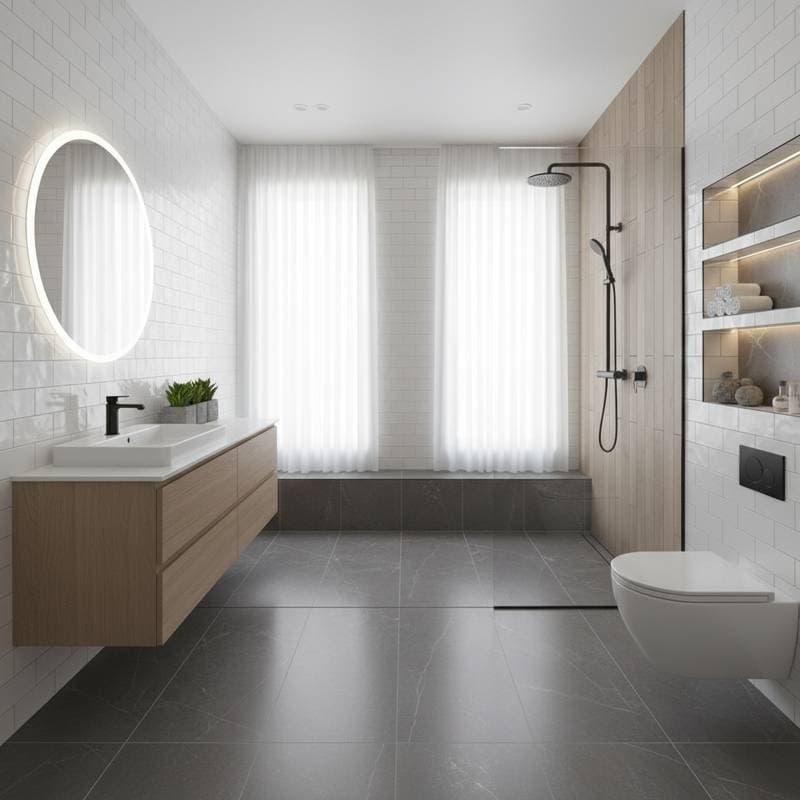
Wet Rooms Versus Conventional Tubs: An 11 Percent Value Increase by 2026
Key Insight: Completing a comprehensive wet room renovation elevates home resale value by approximately 11 percent, with overall expenses generally falling between $14,000 and $28,000 based on room configuration, material selections, and plumbing accessibility.
The Shift Toward Wet Rooms Over Tubs
Home design trends favor accessible, barrier-free showers that support aging in place and enhance market appeal. Prospective buyers seek contemporary bathrooms that appear spacious, dry quickly, and comply with accessibility standards. A thoughtfully executed wet room achieves these qualities while minimizing ongoing maintenance demands.
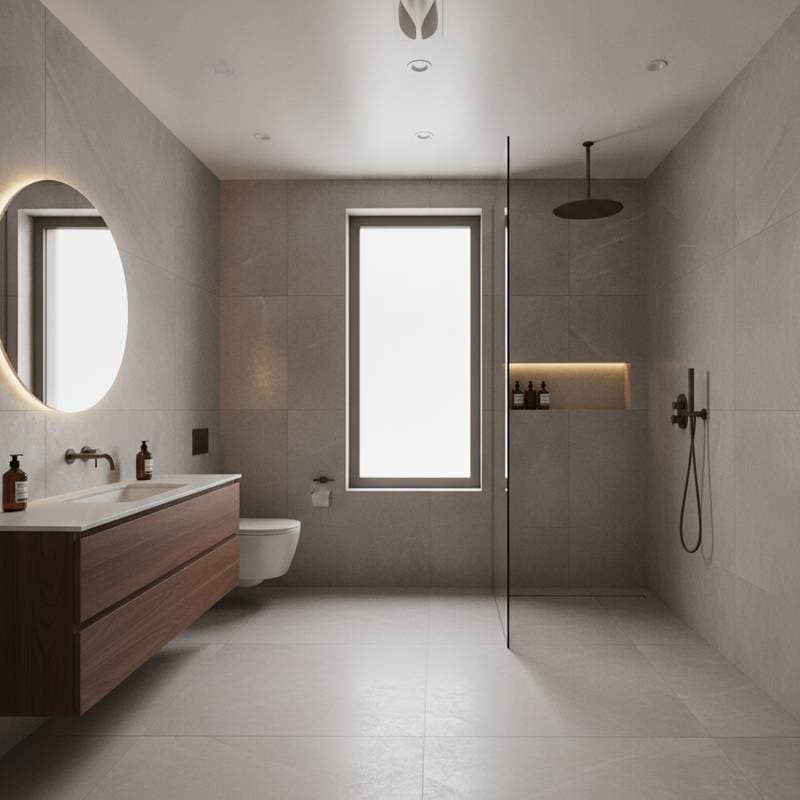
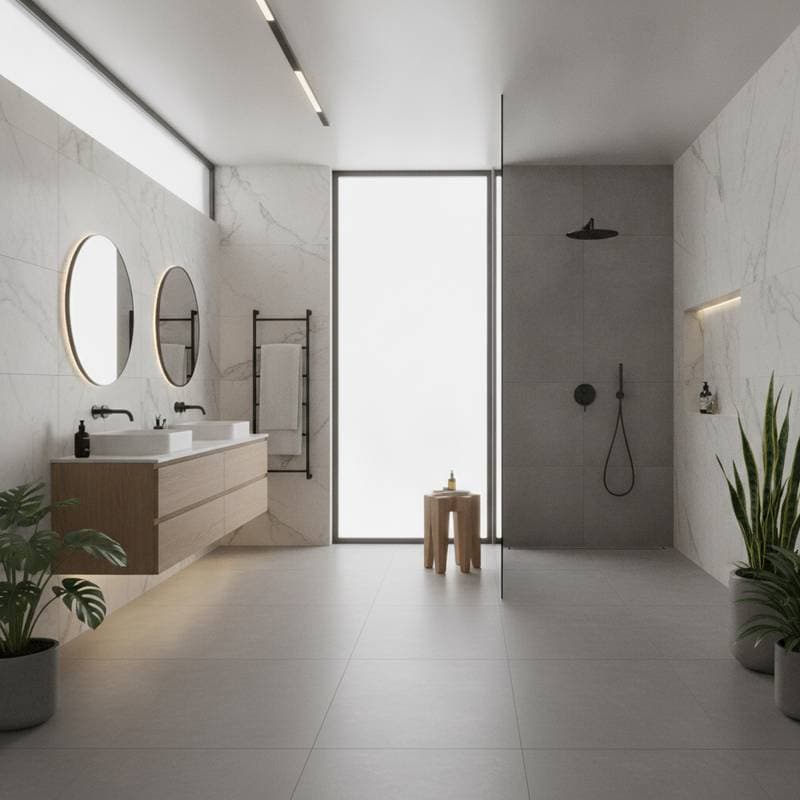
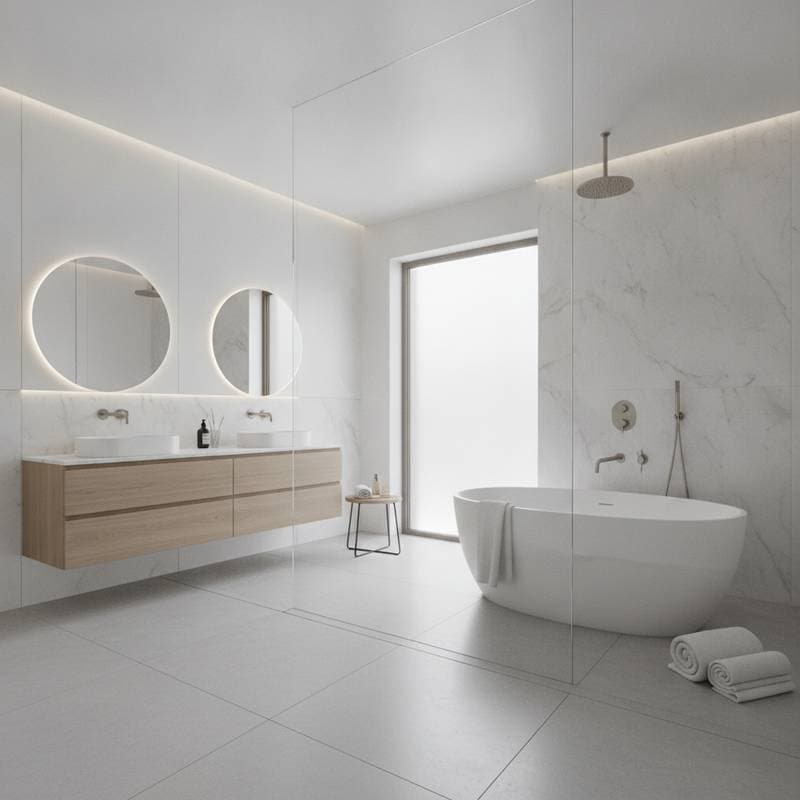
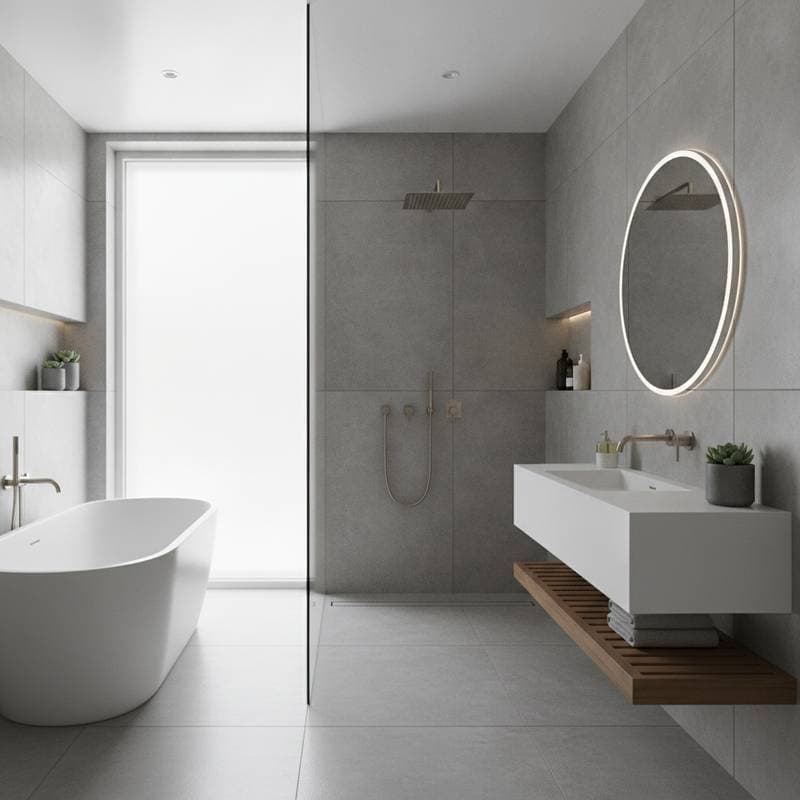
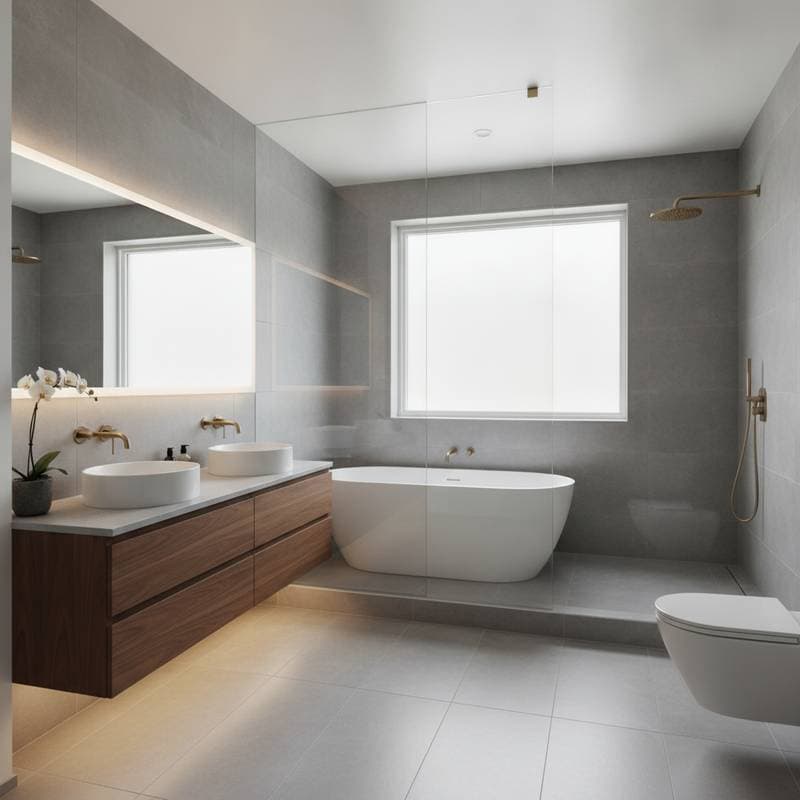
Conventional tubs occupy significant floor space and present potential slipping hazards. Wet rooms incorporate curbless entry showers and uniform tiled flooring, forming a cohesive, straightforward-to-maintain expanse. This open layout also distributes natural light more effectively in compact areas, rendering dated bathrooms more expansive and up-to-date.
Budget-Specific Wet Room Configurations
Basic Wet Room Conversion
- Substitute the tub with a gently sloped shower base and a partial glass partition.
- Select standard porcelain tiles and a basic overhead shower fixture.
- Expense Range: $10,000 to $14,000
- Ideal For: Expedited updates aimed at resale preparation or property rentals.
Midrange Wet Room Design
- Install a seamless tiled floor featuring a linear drainage system and comprehensive waterproof lining.
- Incorporate a frameless glass divider, a rain-style showerhead, and an adjustable handheld unit.
- Expense Range: $16,000 to $22,000
- Ideal For: Property owners balancing enhanced daily usability with solid value appreciation.
Premium Wet Room Installation
- Feature bespoke tile arrangements, an integrated seating area, radiant underfloor heating, and a complete glass surround.
- Include separate showering areas and embedded illumination.
- Expense Range: $24,000 to $35,000
- Ideal For: Long-term residents pursuing high-end transformations or opulent renovations.
Essential Safety Measures and Compliance Reviews
Prior to commencing any demolition, address these critical safety protocols:
- Disconnect the water supply at the primary shutoff valve.
- Examine existing piping for outdated lead or galvanized components requiring upgrades.
- Verify that electrical receptacles within proximity to the shower area include ground-fault circuit interrupter safeguards.
- Utilize protective gloves, knee supports, safety eyewear, and a dust respirator during the removal of legacy tiles or grout.
- Assess the subfloor structure to confirm it supports the added load from new tiling.
Local jurisdictions typically mandate a building permit for waterproofing applications, plumbing modifications, or the addition of electric heating elements. Engage a certified professional to prepare and file schematic drawings along with drainage slope specifications for regulatory approval.
Strategies for Cost Optimization and Scheduling
- Opt for off-peak timing: Projects undertaken during winter months often incur 5 to 10 percent reductions in fees as professionals seek to maintain steady workloads.
- Integrate related renovations: Pair the wet room work with adjacent tasks such as flooring renewal or cabinetry replacement to minimize redundant labor charges.
- Pursue incentives: Certain local governments provide financial rebates for installing water-efficient shower components; investigate available initiatives prior to finalizing purchases.
- Retain current elements: Preserving the original valve positioning avoids $1,000 to $2,000 in additional labor expenses.
Durability and Routine Upkeep
A properly constructed wet room endures for 20 years or longer with basic care. Essential maintenance routines include:
- Clean glass surfaces immediately following use to prevent accumulation of water minerals.
- Apply a grout sealant every 12 to 18 months using a penetrating formula.
- Examine drainage openings every three months to clear debris like hair or residue.
- Monitor sealant along borders yearly and refresh as necessary.
When incorporating radiant flooring, maintain the control setting below 90 degrees Fahrenheit to safeguard grout integrity and underlying barriers.
Utility Efficiency and Resource Conservation
Contemporary wet rooms contribute to reduced operational costs alongside improved user experience.
- Water-conserving showerheads operate at 1.5 gallons per minute, achieving approximately 30 percent savings in water consumption.
- Radiant floor systems consume around 0.25 kilowatt-hours per hour, translating to about $0.05 daily under typical operation.
- Light-emitting diode fixtures impose negligible energy demands yet improve illumination and hazard prevention.
Enhancing thermal barriers or adopting instantaneous water heating units positions the wet room within a broader, energy-optimized household framework that bolsters market valuation.
Enhancing Resale Appeal and Property Worth
Purchasers demonstrate growing preference for barrier-free showers and inclusive spatial arrangements. Real estate professionals observe that properties featuring updated wet rooms attract quicker offers and command premium pricing. This 11 percent value uplift stems from both aesthetic allure and diminished prospective repair needs.
Professional appraisers assign additional worth when installations demonstrate:
- Conformance to accessibility standards akin to those from the Americans with Disabilities Act.
- Utilization of recently sourced, durable materials promising extended service life.
- Integration of advanced airflow and lighting solutions.
For properties entering the market soon, a midrange wet room configuration provides optimal return on investment. While luxury variants recoup a smaller proportion of costs upon sale, they afford superior livability for extended habitation.
Planning Your Wet Room Project
- Define objectives. Prioritize midrange options if accessibility and market enhancement represent primary concerns.
- Establish financial parameters. Allocate $16,000 to $22,000 to achieve reliable outcomes with premium-grade components.
- Evaluate service providers. Request visual documentation of prior waterproofing implementations beyond surface finishes.
- Procure supplies in advance. Specialized drains and oversized tiles frequently involve extended delivery periods.
- Arrange oversight. Secure permit clearances ahead of any structural alterations to prevent setbacks.
Beyond mere aesthetic enhancement, a wet room constitutes a strategic asset that promotes safety, usability, and tangible equity growth. Thoughtful execution yields a bathroom environment that remains inviting, resilient over generations, and compelling to discerning acquirers seeking timeless sophistication.