The Rise of Light-Luxury Design in 2026: Achieving an 11 Percent Increase in Home Resale Value
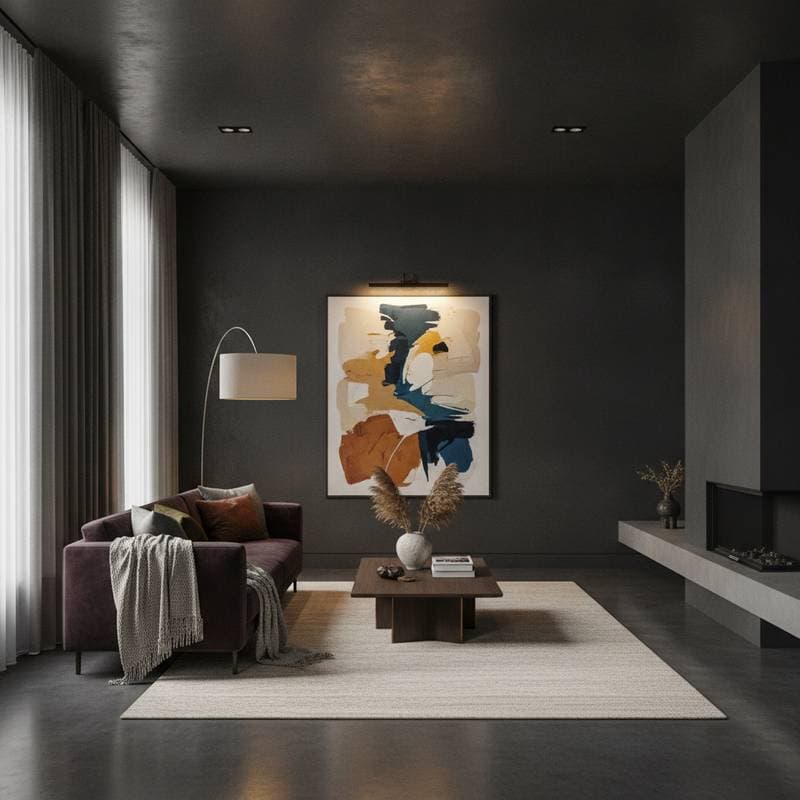
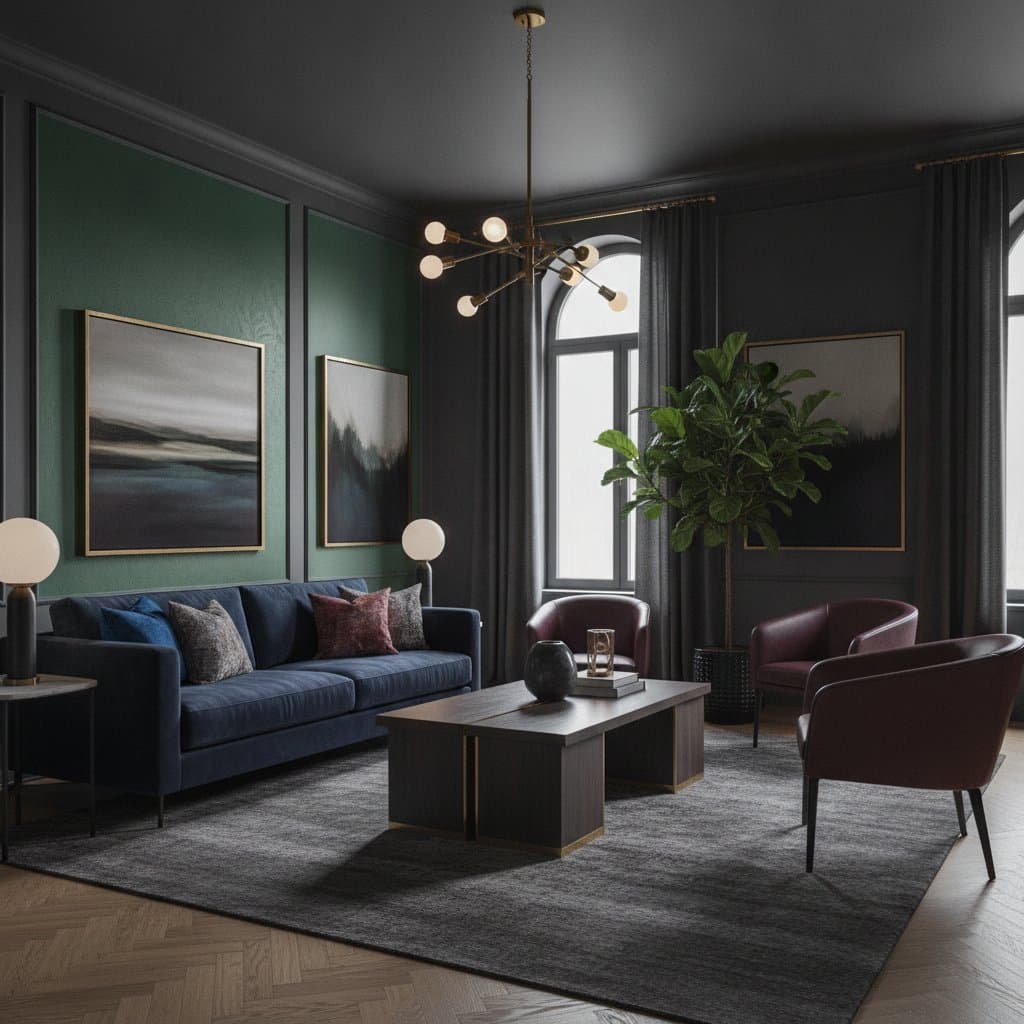
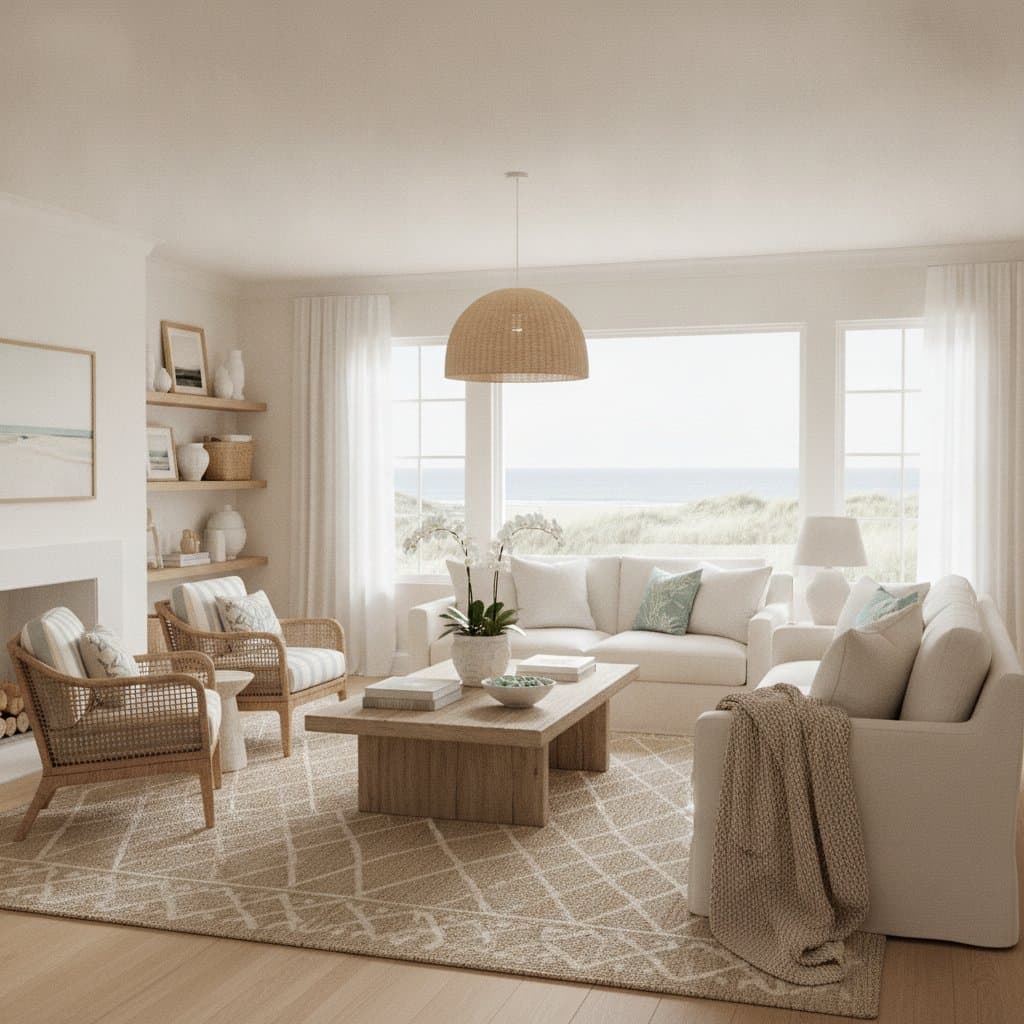
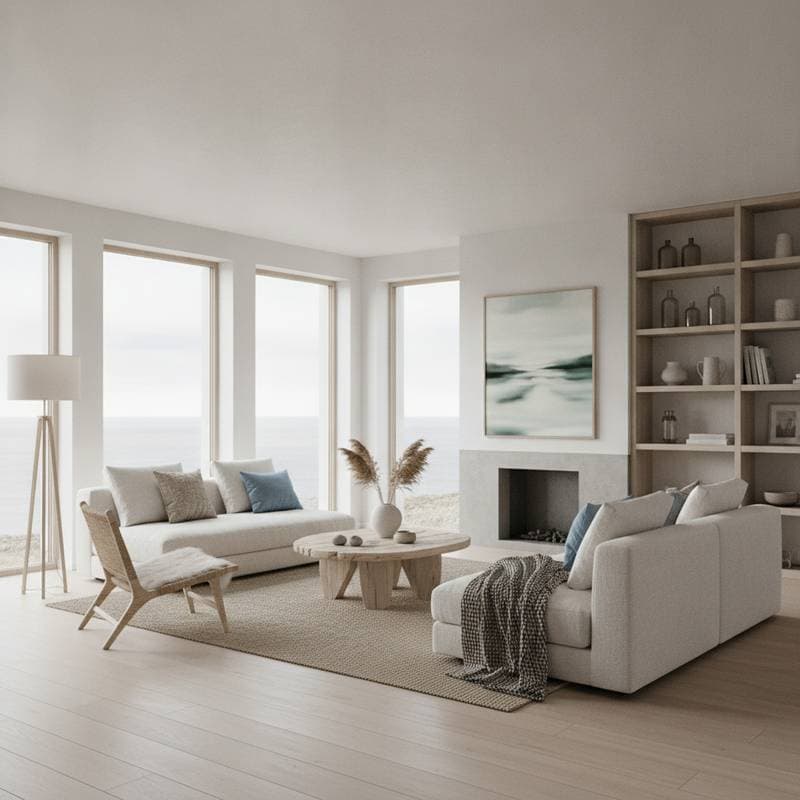
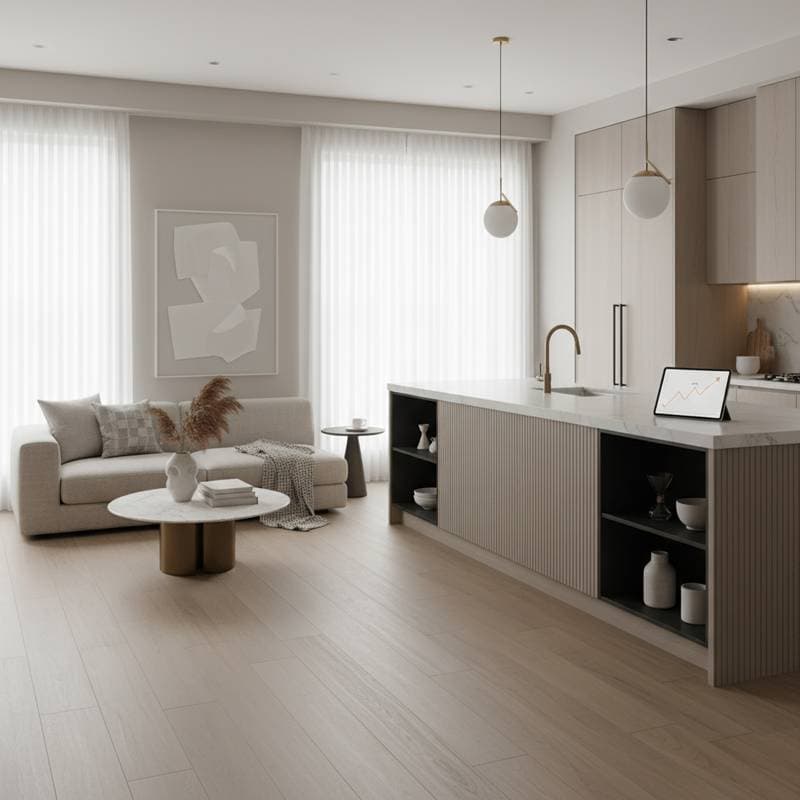
Light-luxury design emerges as the optimal strategy for enhancing property worth with minimal financial outlay. This style integrates subtle neutral palettes, subdued metallic elements, and streamlined architectural forms to foster serene, upscale environments. Homeowners benefit from an average 11 percent uplift in resale value, derived from recent market analyses of updated properties, without incurring the expenses associated with opulent materials.
The appeal lies in its versatility across various home layouts, from compact urban apartments to spacious suburban residences. Buyers perceive these refinements as indicators of thoughtful maintenance and modern taste, which directly influences bidding enthusiasm. As real estate trends evolve toward sustainable and understated elegance, light-luxury positions properties favorably in competitive markets.
Key Cost Considerations for Light-Luxury Upgrades
Implementing light-luxury elements requires careful budgeting to maximize returns. Costs vary based on material selections, project scope, and regional labor rates, but strategic choices keep expenses manageable.
Material Expenses
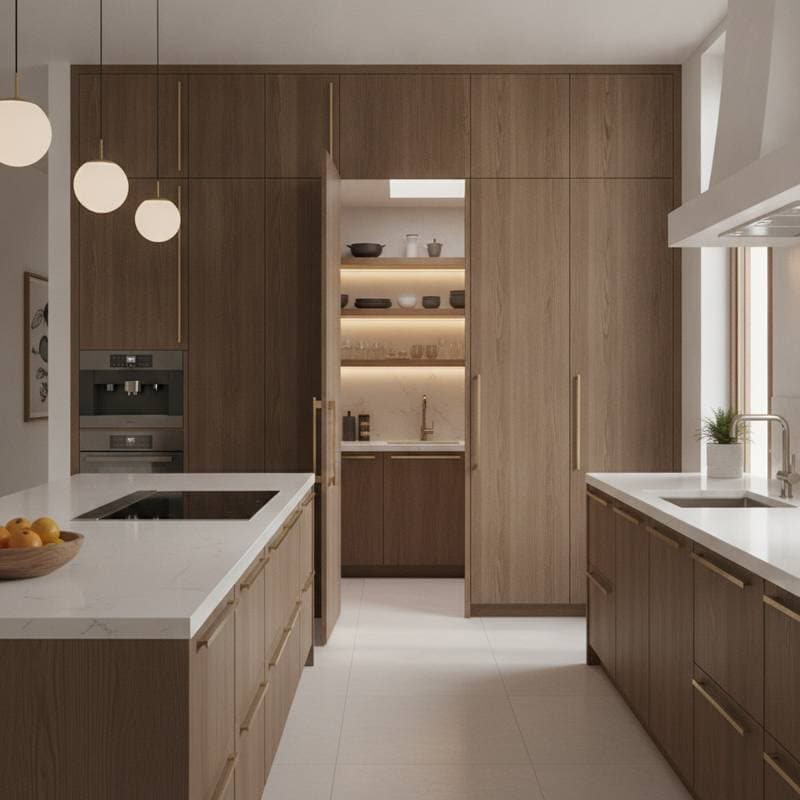
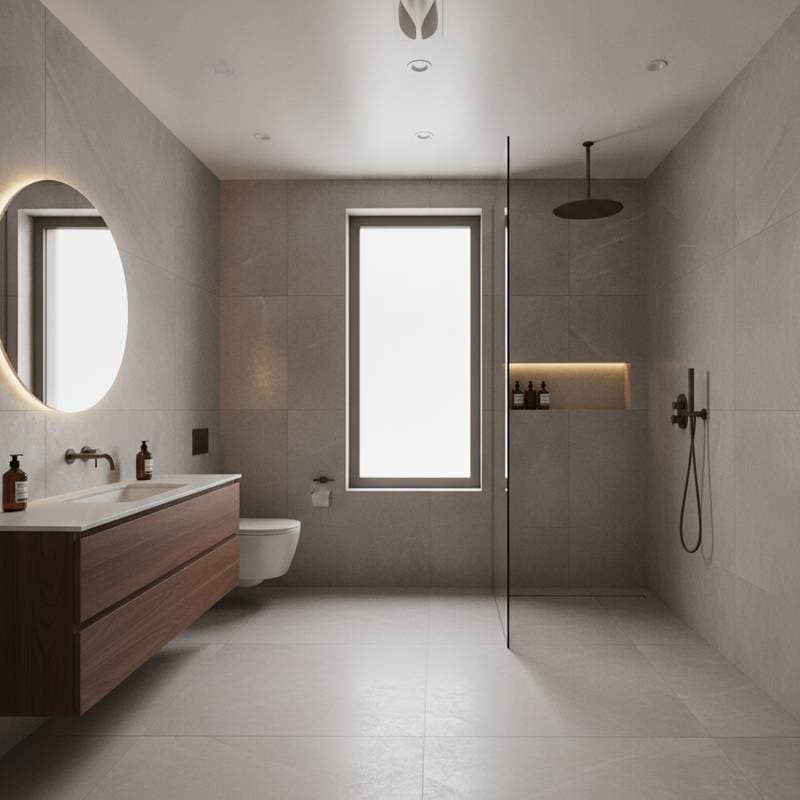
Engineered quartz or composite stone serves as a durable alternative to natural marble, offering similar visual depth at lower prices. Matte-finish porcelain tiles provide a sophisticated floor or wall covering, resistant to scratches and easy to maintain. Brushed brass hardware, such as cabinet pulls or faucet accents, introduces warmth without the patina concerns of polished variants. Allocate 25 to 60 dollars per square foot for these surface materials, depending on quality and supplier.
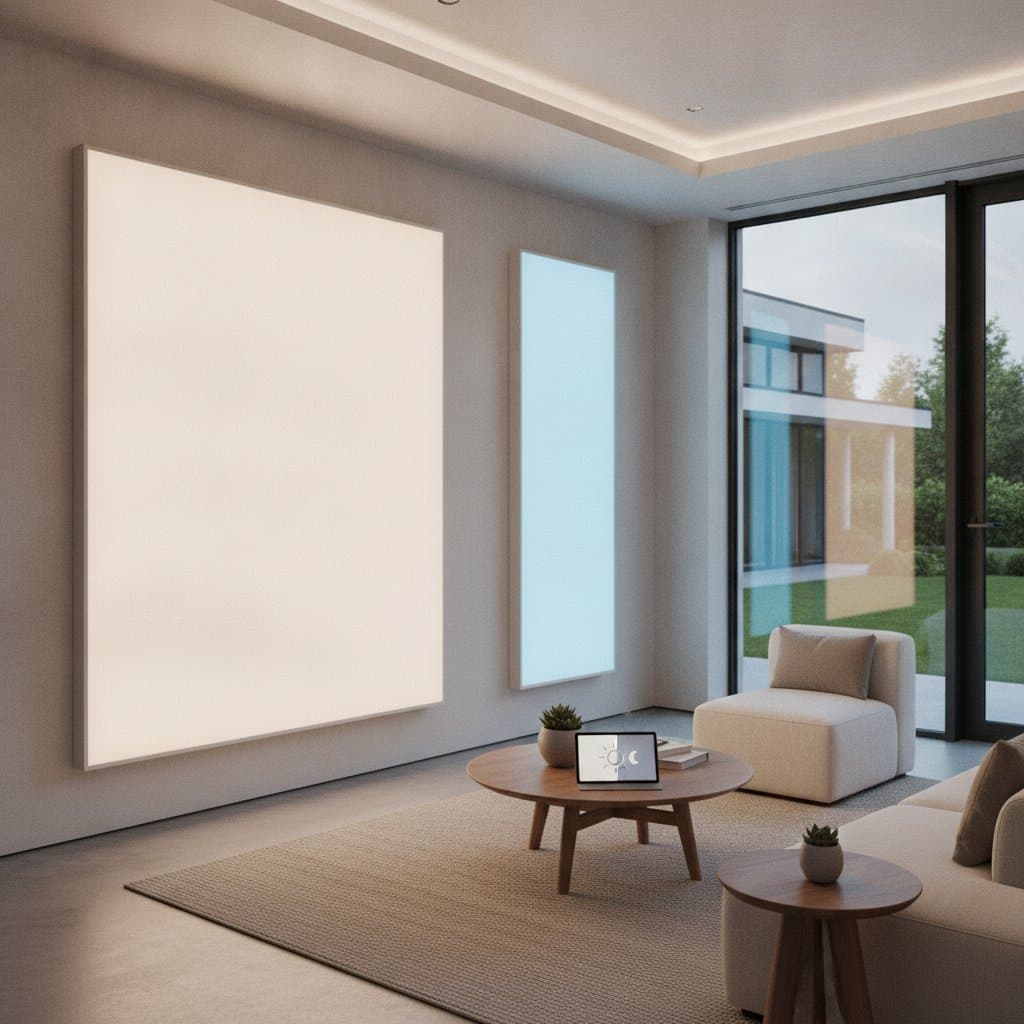
Lighting enhancements contribute significantly to ambiance. Recessed LED fixtures embed seamlessly into ceilings, while linear sconces along walls cast even illumination. These installations typically range from 400 to 1,200 dollars per room, inclusive of fixtures and basic wiring adjustments. Opt for warm-toned bulbs to complement neutral schemes and enhance perceived space.
Labor and Installation Costs
Professional labor for precise finishing tasks, like aligning tiles or installing hardware, averages 60 to 120 dollars per hour. Homeowners realize substantial savings by handling preparatory steps, such as surface cleaning or minor demolition, independently. In regions with high demand, secure quotes from multiple contractors to identify competitive rates.
Larger projects in open-concept areas demand greater accuracy due to expansive surfaces and sightlines. Conversely, targeted updates in smaller spaces, like powder rooms or galley kitchens, often deliver the highest value per invested dollar. Factor in travel fees for remote locations, which can add 10 to 20 percent to totals.
Regulatory and Ancillary Fees
Most aesthetic modifications evade permitting requirements, streamlining the process. However, alterations involving electrical outlets or plumbing lines necessitate approvals to ensure safety compliance. Reserve 250 to 600 dollars for potential inspections, waste disposal, or temporary storage solutions during renovations.
Supplementary features amplify appeal without proportional cost increases. Soft-close mechanisms on drawers prevent slamming and convey premium quality. Integrated shelving units maximize utility while maintaining a clutter-free aesthetic. These additions typically elevate overall expenses by 10 to 20 percent yet boost buyer perceptions of functionality.
Balancing DIY Efforts with Professional Expertise
Homeowners must evaluate their capabilities when planning light-luxury projects to optimize outcomes and safety.
Suitable DIY Tasks
Repainting walls in soft taupes or greiges requires only basic tools and steady hands. Swapping out dated hardware for contemporary matte pieces involves simple unscrewing and alignment. Assembling plug-in lighting kits allows customization without invasive work. Always prioritize safety by wearing protective eyewear, respirators for dust, and verifying electrical grounding before handling fixtures.
These self-managed elements build confidence and cut costs by up to 40 percent. Begin with sample swatches to confirm color harmony under natural and artificial light. Document progress with photographs to assess transformations objectively.
When to Engage Professionals
Complex installations, such as rewiring for under-cabinet illumination or laying large-format tiles, demand licensed specialists. Professionals guarantee adherence to building codes, preventing future liabilities during home sales. Seek experts experienced in light-luxury aesthetics to achieve flawless seams and balanced proportions.
Engage pros particularly in homes with structural challenges, like irregular drywall or outdated circuits. Moisture-prone areas, such as bathrooms, require waterproofing knowledge to avoid mold risks. A well-executed professional job signals superior craftsmanship to appraisers and prospective owners, justifying the investment.
Project Timelines and Strategies for Cost Efficiency
Effective planning ensures light-luxury upgrades proceed smoothly and economically. Most projects span 3 to 8 weeks, influenced by material procurement and installation phases.
Anticipate delays from supplier backlogs, especially for custom-ordered brass fittings or stone slabs. Place orders 4 to 6 weeks in advance to mitigate risks of discontinued shades or extended shipping. Coordinate with contractors during initial consultations to align schedules and avoid seasonal rushes.
Savings opportunities abound through timing and incentives. Off-peak periods, typically winter months, yield 5 to 10 percent reductions in labor fees due to lighter workloads. Utility companies often provide rebates for energy-efficient LEDs or water-conserving fixtures, offsetting 100 to 300 dollars per installation.
Incorporate a 10 to 15 percent contingency fund, particularly for pre-1970s homes prone to hidden issues like asbestos in adhesives or corroded pipes. Regular site visits during the process help catch discrepancies early, preserving timelines and budgets.
Long-Term Care for Enduring Light-Luxury Finishes
Light-luxury materials withstand daily use when maintained properly, preserving their contribution to property value.
Routine cleaning with pH-neutral solutions safeguards stone countertops and porcelain surfaces from etching. Damp microfiber cloths suffice for matte metals, avoiding abrasive pads that dull finishes. Schedule deep cleans quarterly to remove buildup from high-traffic zones.
Refrain from excessive buffing on non-shiny elements to retain their intended texture. Lighting components benefit from annual inspections; replace faulty dimmers or LED drivers promptly to sustain even glow. Manufacturers commonly offer 3 to 5 year warranties on fixtures, so retain documentation for claims.
Grout lines and composite edges require resealing every 2 to 3 years using silicone-based products. This preventive measure halts moisture penetration and color fading, ensuring surfaces remain vibrant. Consistent upkeep not only extends material lifespan but also reinforces the home's market-ready condition.
Implementing Light-Luxury Upgrades for Maximum Impact
Commence with a single space, such as an entryway or kitchen backsplash, to refine selections and gauge satisfaction. Calculate expenses per square foot to inform scalable expansions, targeting high-visibility areas first. Prioritize illumination and tactile textures, as they deliver immediate perceptual elevation with modest inputs.
Light-luxury succeeds through its emphasis on tranquility, practicality, and longevity. These deliberate enhancements cultivate buyer confidence, translating to stronger offers and smoother transactions. Invest thoughtfully now to secure substantial returns upon selling, all while enjoying an refined living environment in the interim.