Understanding Aging-in-Place Bathroom Upgrades
Homeowners increasingly recognize the value of bathrooms designed for long-term usability. These upgrades focus on accessibility features that support aging residents without sacrificing style or functionality. By incorporating elements like grab bars, walk-in showers, and lever-handled faucets, such remodels address immediate needs while preparing for future mobility challenges.
The trend toward aging in place reflects a broader shift in housing preferences. Older adults prefer to remain in familiar surroundings, and multigenerational households benefit from versatile spaces. Universal design principles ensure these bathrooms serve people of all ages and abilities, making them a smart investment for resale.
Market data indicates that properties with accessible bathrooms sell faster and at higher prices. Buyers, particularly those planning for retirement, seek homes that minimize modifications later. This preparation not only enhances livability but also positions the property competitively in a growing segment of the real estate market.
Benefits and Drawbacks of Accessible Remodels
Accessible bathroom upgrades offer clear advantages for safety and convenience. They reduce the likelihood of slips and falls, which account for a significant portion of injuries among seniors. Features such as non-slip flooring and elevated toilets promote easier movement and greater independence.
These modifications also appeal to a wider audience during resale. Families with young children or members with temporary injuries find value in the thoughtful design. Moreover, certain installations qualify for tax deductions or rebates through health-related programs, offsetting initial expenses.
However, challenges exist. The upfront costs exceed those of standard renovations due to specialized materials and labor. Structural adjustments, like removing bathtub surrounds for curbless entries, may require professional expertise to avoid complications. In compact bathrooms, integrating features without overwhelming the space demands careful planning. Aesthetic integration remains key; poorly blended elements might deter buyers who prioritize traditional looks.
Comparing DIY Approaches and Professional Services
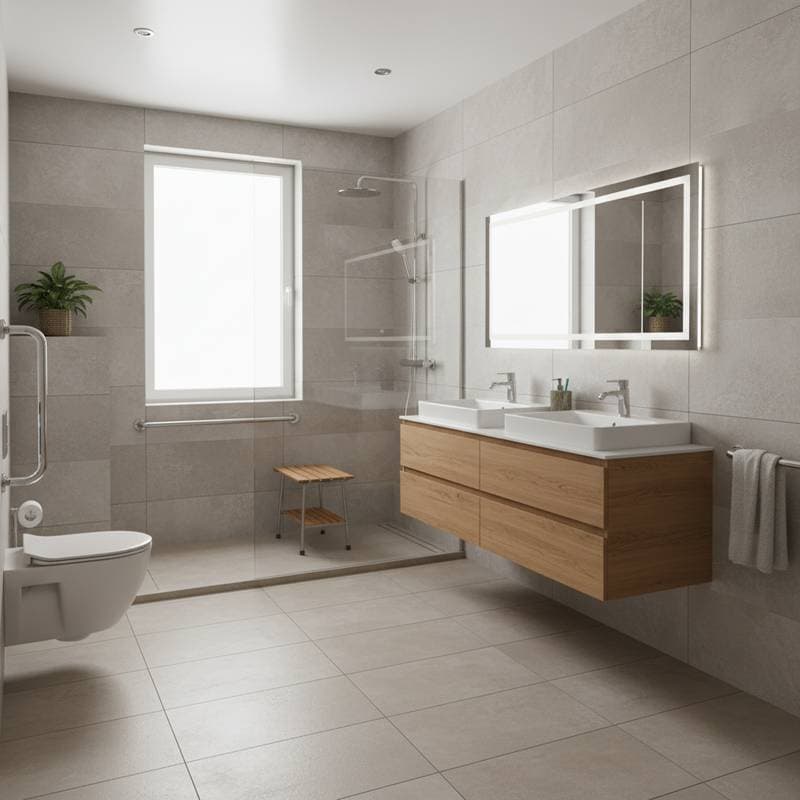
The complexity of aging-in-place projects varies by scope. Simple additions, such as installing grab bars or adding a shower bench, suit DIY efforts. More involved tasks, including rerouting plumbing for a roll-in shower, demand professional intervention to meet safety standards.
For DIY options, begin with assessments of existing fixtures. Grab bars require secure anchoring into wall studs using a stud finder and heavy-duty screws. Handheld showerheads install easily with basic adapters, allowing seated bathing without major alterations. Non-slip mats or textured tiles provide immediate traction upgrades. These changes typically complete in a weekend, using tools like a drill, level, and silicone sealant.
Professional services prove essential for comprehensive remodels. Contractors handle waterproofing membranes, proper sloping for drains, and compliance with Americans with Disabilities Act guidelines. Expect timelines of three to ten days for full projects, depending on customization. Licensed experts prevent issues like water damage from improper sealing, ensuring the space endures daily use.
Costs for professional work range from $8,000 for basic updates to $25,000 for luxury features like heated floors or therapeutic tubs. Always verify credentials and review portfolios focused on accessibility to select reliable partners.
Ensuring Longevity Through Maintenance
Well-maintained accessible bathrooms maintain functionality for 15 to 25 years, comparable to conventional designs. Quality materials, such as corrosion-resistant metals and durable composites, withstand humidity and frequent cleaning.
Establish a routine to preserve these investments. Monthly inspections involve examining caulk and grout lines for gaps that could allow moisture intrusion. Apply fresh sealant as needed to protect against mold growth.
Quarterly checks focus on hardware integrity. Tighten grab bars and towel racks to prevent wobbling, which compromises safety. Test shower valves for smooth operation and address any stiffness promptly.
Annual tasks include flushing jets in walk-in tubs to remove buildup and clearing drains of debris. Professional servicing every few years verifies electrical components, like heated towel racks, operate safely. Warranties on fixtures typically span one to ten years, covering defects but not wear from neglect.
Considering Regional Influences on Design
Local environmental conditions shape accessible bathroom strategies. In humid coastal areas, prioritize enhanced ventilation and mildew-resistant surfaces to combat excess moisture. Select stainless steel or brass hardware to resist corrosion from salt air.
Colder climates benefit from supplementary features like radiant floor heating, which eases bare feet on tile during winter. Insulated pipes prevent freezing, maintaining reliable water flow.
Regulatory landscapes differ across regions. Urban centers often enforce strict permitting for electrical or plumbing shifts, requiring inspections to confirm accessibility compliance. Rural areas may offer flexibility but still mandate basic safety codes.
Labor rates fluctuate with market size; expect premiums in high-demand cities. Consult local building departments early to understand slope specifications for shower pans, typically one-quarter inch per foot, and barrier-free entry requirements. These steps ensure projects align with community standards and avoid costly revisions.
Calculating Return on Investment and Resale Impact
Investing in an aging-in-place bathroom yields up to a 15 percent increase in home value by 2026, according to emerging real estate trends. High-quality implementations, blending accessibility with modern aesthetics, attract discerning buyers seeking low-maintenance properties.
The expanded buyer pool includes retirees, empty-nesters, and adaptive reuse enthusiasts. Homes with these features often spend less time on the market, sometimes reducing listing periods by weeks. Appraisers factor in the cost recovery rate, which approaches 70 to 90 percent for well-executed remodels.
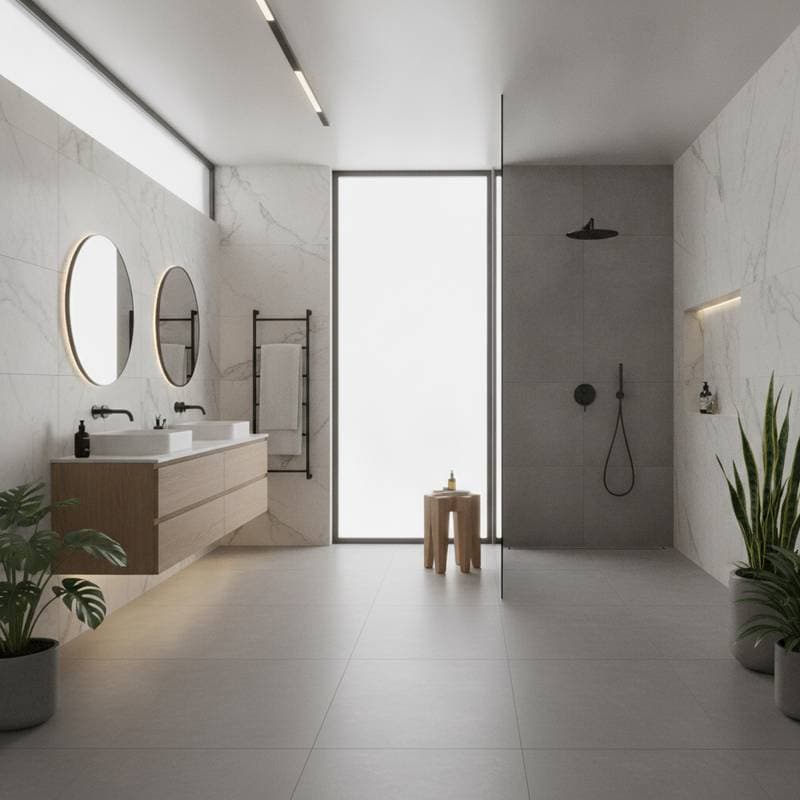
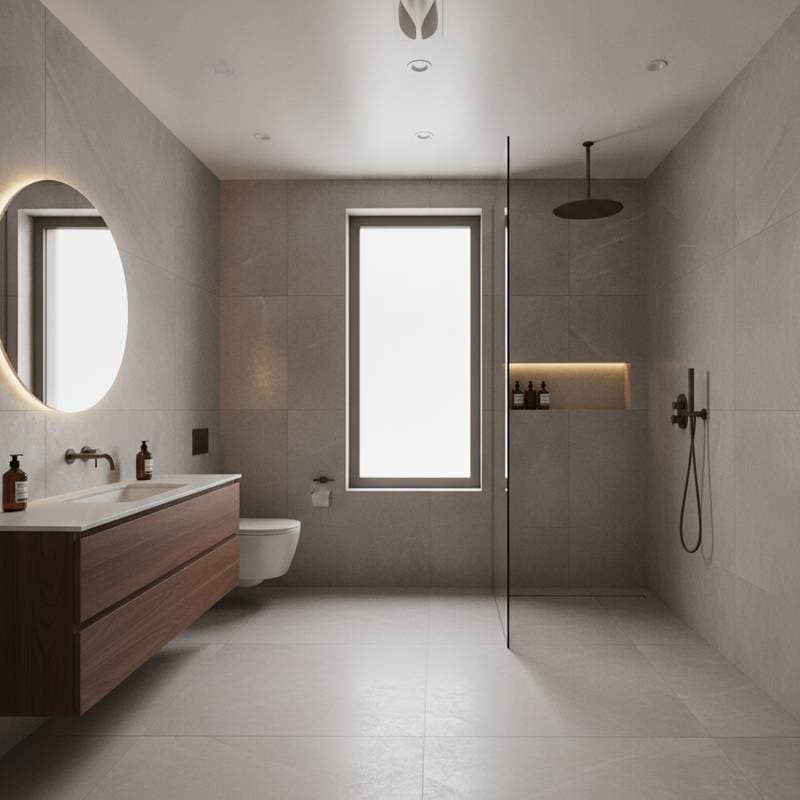
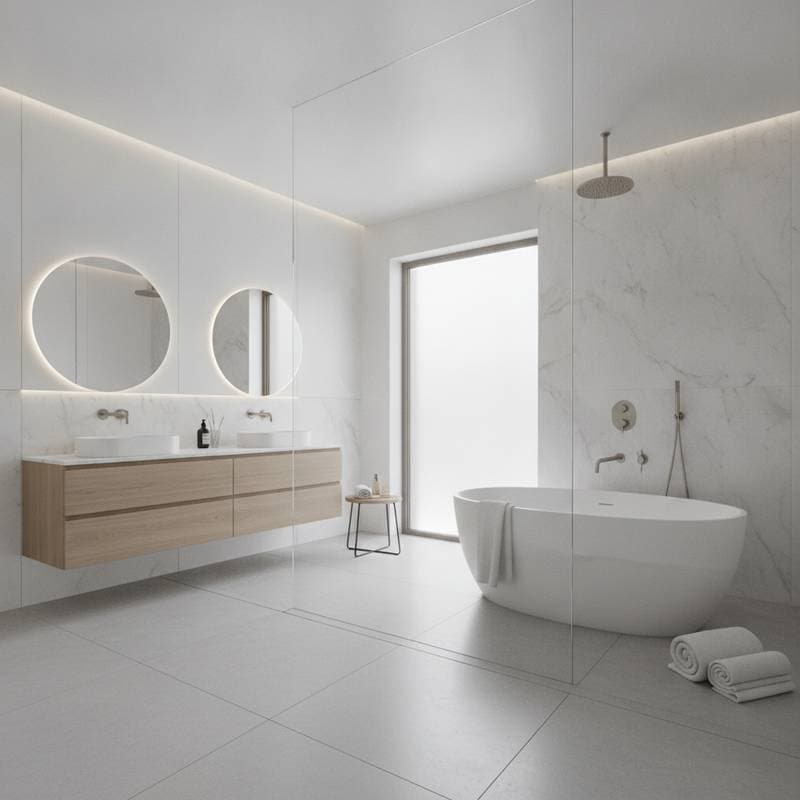
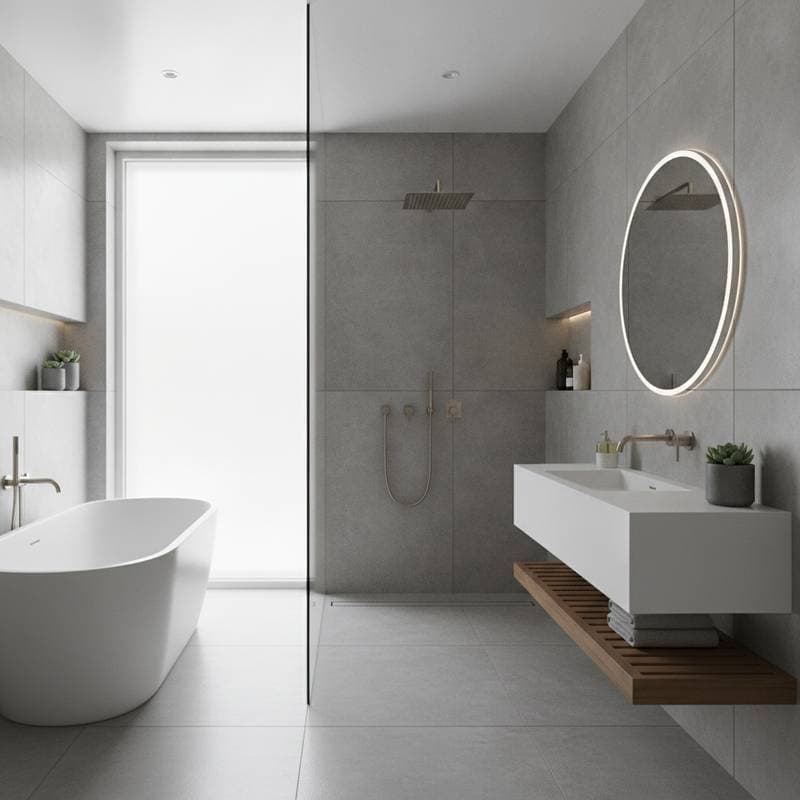
To maximize ROI, focus on versatile elements like zero-threshold showers that double as stylish wet rooms. Pair them with timeless finishes to avoid dated appearances. Track local sales data to gauge premium pricing in your neighborhood, informing budget decisions.
Prioritizing Safety in Every Upgrade
Safety forms the foundation of accessible bathroom design. Before commencing work, shut off water supply valves and electricity to the area, preventing accidents during modifications.
Incorporate slip-resistant materials throughout, such as porcelain tiles with high friction ratings. Install ground-fault circuit interrupter outlets within six feet of water sources to mitigate shock risks.
Secure grab bars at strategic heights, typically 33 to 36 inches from the floor, using toggle bolts for hollow walls if studs are unavailable. For advanced setups, integrate fold-down benches and adjustable-height vanities.
Engage certified professionals for intricate elements like low-profile drains or therapeutic features. Post-installation, verify all components meet local codes through final walkthroughs. These precautions safeguard users and preserve the remodel's effectiveness over time.
Steps to Implement Your Accessible Bathroom Project
Initiate the process with a thorough evaluation of your current space. Measure dimensions, note pain points like high tubs or narrow doorways, and prioritize needs based on household dynamics.
Consult resources like aging-in-place checklists to identify essential features. Budget allocation should cover 60 percent for materials, 30 percent for labor, and 10 percent for contingencies.
Solicit bids from at least three vetted contractors specializing in universal design. Review contracts for timelines, warranties, and change order policies. Phased approaches allow starting with quick wins, like lighting upgrades, before tackling major overhauls.
Monitor progress to ensure alignment with vision. Upon completion, conduct a functionality test with all users to confirm ease of use.
Realizing Lasting Comfort and Financial Gains
Accessible bathroom upgrades transform daily routines into seamless experiences, fostering independence and peace of mind. They safeguard against common hazards while elevating the home's overall appeal.
For those eyeing resale, these enhancements signal proactive ownership, drawing offers that reflect the added value. Homeowners who invest thoughtfully enjoy both immediate benefits and enduring equity growth, securing a more adaptable living environment for years ahead.