Dark Academia Design Increases Home Value by 11 Percent by 2026
Homes incorporating dark academia interiors sell for up to 11 percent more than similar properties. Buyers seek the depth, texture, and inherent character that this style provides, creating spaces that appear timeless and authentically lived-in. For properties that currently lack dimension or feel overly bright, adopting this moody aesthetic offers substantial returns on interior investments.
Understanding Dark Academia Design
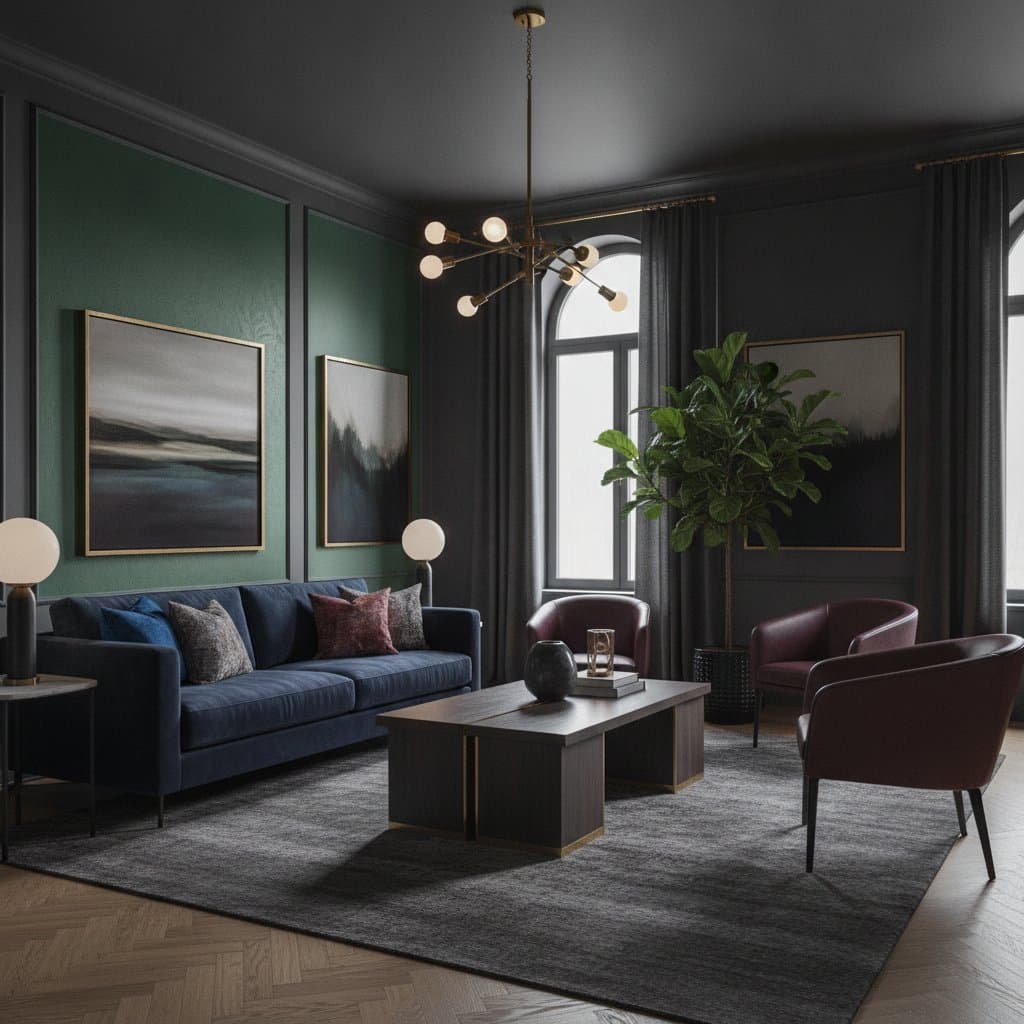
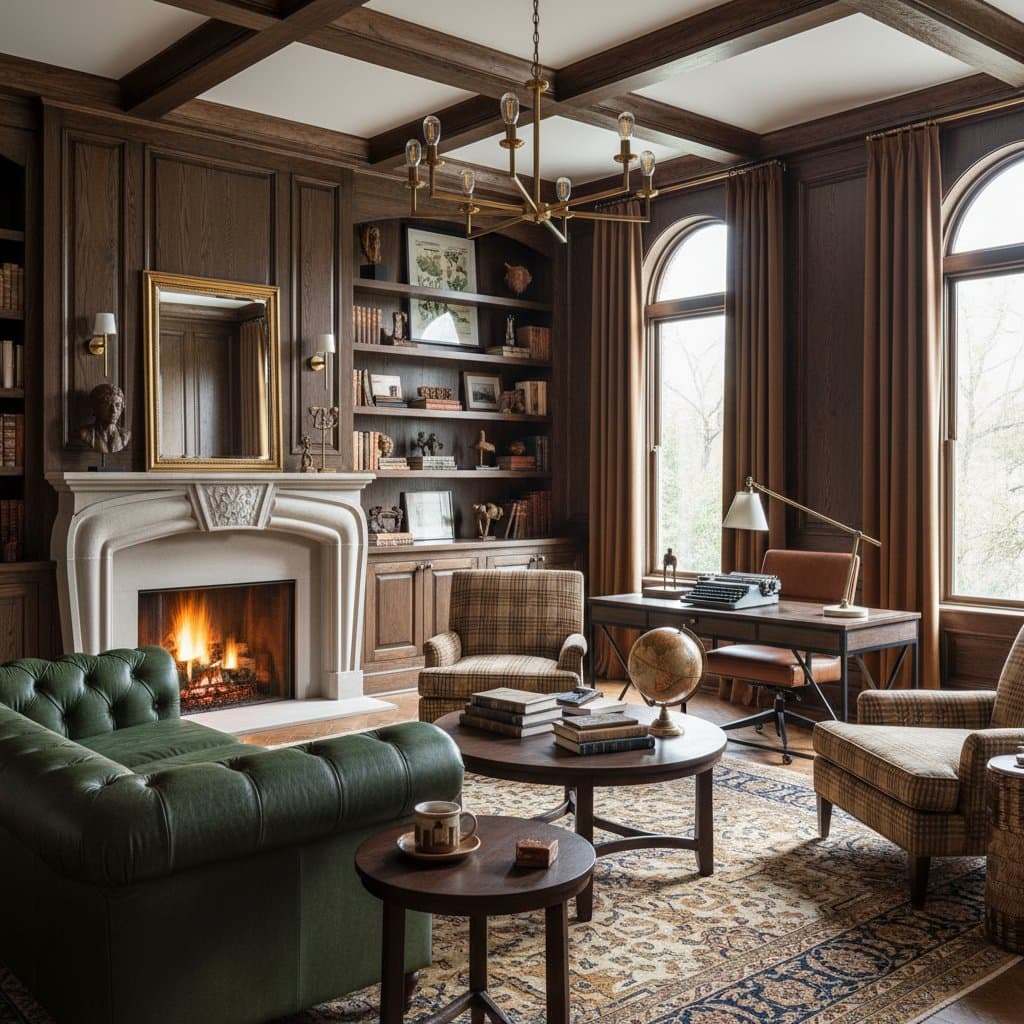
Dark academia design merges classical architectural elements with opulent materials and multifaceted lighting. Core colors include deep browns, forest greens, oxblood reds, and aged brass accents. The style evokes images of historic libraries illuminated by candlelight, infused with an air of intellectual allure. Serious in tone yet inviting, it transforms a quiet study into a desirable living space.
This approach marks a shift from minimalist white-dominated interiors. Individuals increasingly desire environments that project intelligence, stability, and individuality. Such emotional resonance directly contributes to elevated resale values.
Reasons Dark Academia Enhances Property Worth
Prospective buyers perceive dark academia-styled rooms as complete and exempt from further renovations. The deliberate application of this design suggests refined luxury. Natural woods, tactile fabrics, and vintage-inspired fixtures communicate superior craftsmanship. Properties in this vein capture compelling photographs for real estate listings, thereby increasing digital visibility and in-person viewings.
Dark academia interiors frequently secure premium bids due to several factors:
- The overall impression of bespoke construction.
- Materials that develop a luxurious patina over time.
- An innate ability to forge emotional bonds, as buyers associate subdued tones with profound comfort and sophistication.
Implementing Dark Academia Elements
Approach the transformation incrementally or comprehensively, emphasizing depth, contrast, and narrative-driven materials.
1. Select a foundational color scheme.
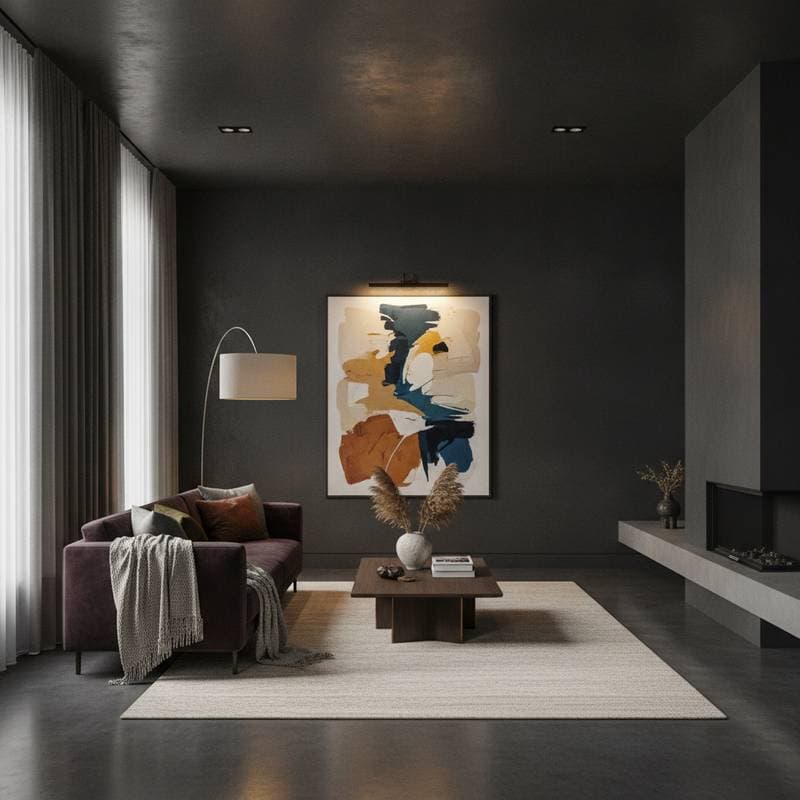
Begin with shades such as charcoal gray, espresso brown, olive green, or navy blue. These hues foster an enveloping atmosphere that enhances artwork and furnishings.
2. Incorporate layered illumination.
Opt for warm-toned bulbs to maintain intimacy. Integrate a mix of floor lamps, wall sconces, and table fixtures. Steer clear of harsh overhead lighting that diminishes the ambiance.
3. Introduce varied textures.
Combine velvet upholstery, leather accents, and wooden surfaces. Incorporate woolen throws or linen drapery to temper stark contrasts and add softness.
4. Curate books and artwork displays.
Install bookshelves filled with volumes, alongside framed illustrations and antique maps. Maintain order to preserve elegance while infusing personal narrative.
5. Integrate subdued metallic finishes.
Matte black or patinated brass hardware complements the palette seamlessly. Replace polished chrome with weathered alternatives for authenticity.
6. Maintain tonal harmony.
Adhere to a unified rich color family. For instance, pair a deep green wall with walnut moldings and brass details to achieve cohesion.
Investment Overview
| Task | Estimated Cost Range | Influencing Factors |
|---|---|---|
| Painting and supplies | $300 - $1,200 | Room dimensions, paint grade |
| Lighting modifications | $400 - $2,000 | Fixture style, electrical demands |
| Furnishings and accents | $1,000 - $6,000 | Item sourcing, authenticity level |
| Expert consultation | $1,500 - $5,000 | Project scale, fee structure |
Costs fluctuate based on geographic location and market conditions. Lighting and furniture represent the primary expenses. Sourcing vintage items may reduce outlays but requires additional effort.
Timeline and Complexity
Refreshing a single room requires only a weekend. A whole-home overhaul spans multiple weeks. Wall painting yields the quickest results, while procuring custom furniture or fixtures extends the process.
Complexity aligns with proficiency in painting and arrangement. The aesthetic accommodates minor flaws, enhancing its lived-in appeal. Basic handyman abilities suffice for modest undertakings.
Self-Directed Versus Professional Assistance
Pursue DIY for projects where:
- Personal interest in interior styling prevails, coupled with precision in application.
- Furniture relocation poses no risk, and simple electrical tasks, such as installing plug-in lights, remain manageable.
Engage professionals when:
- Custom elements like integrated shelving or ornate paneling are desired.
- Electrical updates, including wall-mounted or ceiling fixtures, necessitate compliance.
- Multi-room coordination demands expert oversight on materials and flow.
Design specialists ensure the scheme radiates richness without oppressiveness. They also navigate illumination standards and regulatory stipulations for installations.
Essential Tools and Supplies
- Rollers and fine-tipped brushes for painting
- Masking tape and protective sheeting
- Stable ladder and protective eyewear
- Assorted screwdrivers and lighting installation kits
- Material samples and mood boards
- Polishing cloths for metals and woods
Prioritize low-volatile organic compound paints. Ensure adequate ventilation during indoor applications.
Considerations for Location and Environment
In moisture-prone areas, select mold-resistant coatings. Colder regions benefit from amplified warm lighting to counteract potential dreariness. Properties with expansive windows accommodate darker walls while retaining luminosity. City dwellers often prioritize this style over those in sprawling suburbs, though its value proposition expands nationwide.
Permitting proves unnecessary for most updates, barring new electrical runs or structural alterations. Consult local regulations prior to invasive work.
Safety Protocols and Upkeep
Secure ladders firmly and don masks during sanding or painting. Deactivate electricity at the main panel before handling wired components. Position textiles distant from ignition sources, particularly if employing candles.
Preserve the aesthetic through routine dusting, as dark tones reveal particles readily. Treat leather biannually and apply wax to woods to sustain their luster.
Scenarios Requiring Expert Intervention
Summon a certified electrician for permanent fixture integrations. Consult carpenters for bespoke cabinetry or wainscoting. For sale preparations, enlist stagers versed in atmospheric designs to optimize lighting and visual presentations.
Practical Implementation Guide
Initiate with a focal area, such as a home office or sleeping quarters. Apply a profound neutral coat and introduce ambient lighting. Experience the transformative impact before extending throughout. Consistent application captivates buyers. Emphasize artisanal details and durable selections in marketing materials. Long-term residents will appreciate the serene, contemplative environment dark academia fosters.
Frequently Asked Questions
Do dark paints diminish room scale?
They may subtly contract space, yet they enhance intimacy and sophistication.
Is it possible to merge dark academia with contemporary pieces?
Certainly, offset modern lines with traditional textures like timber and hide.