Understanding Coastal Grandma Style and Its Impact on Home Value
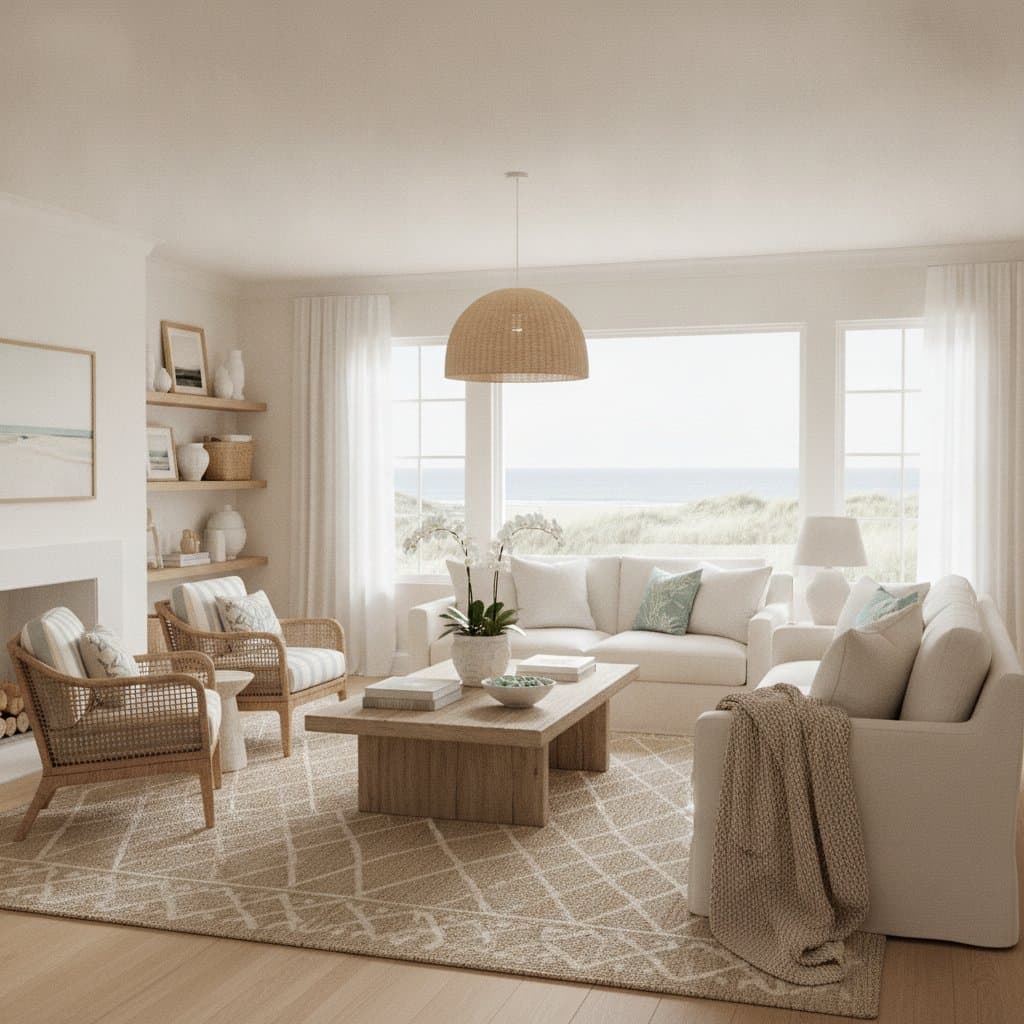
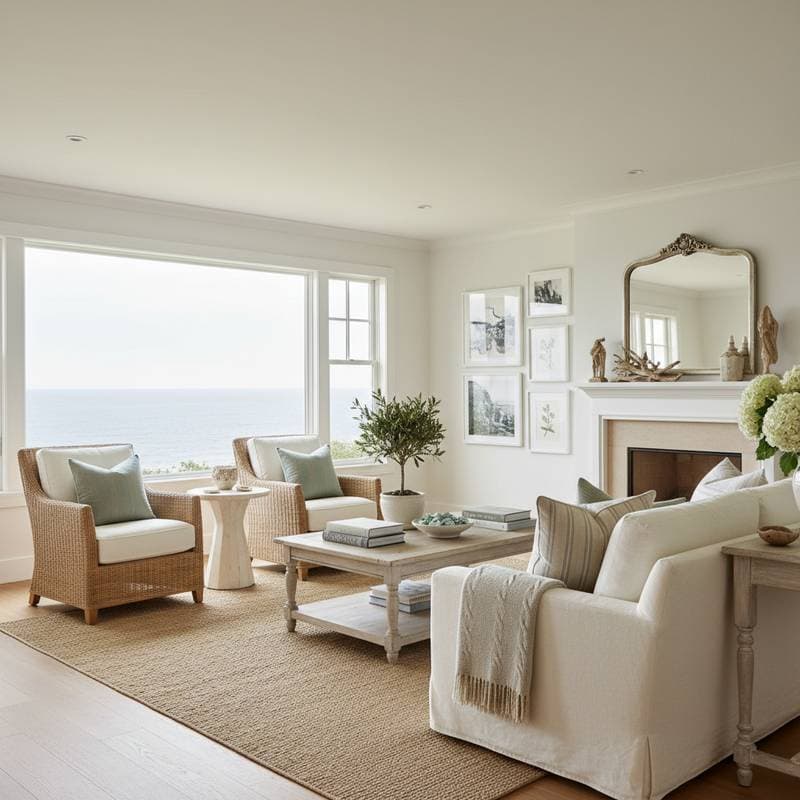
Coastal Grandma represents a residential design movement centered on tranquility, ease, and subtle maritime ties. This aesthetic combines pale blues, sandy neutrals, and creamy whites with plush linens, rattan accents, and heirloom-quality pieces. Homeowners drawn to this style seek environments that promote relaxation through organic layers, avoiding the artificial polish of overly curated spaces. Although rooted in seaside locales, the design adapts seamlessly to urban or rural settings by infusing warmth and approachability.
Originally a wardrobe concept, Coastal Grandma has evolved into a dominant interior paradigm. Real estate professionals frequently highlight coastal-inspired elements in listings to underscore premium lifestyle benefits. Prospective buyers associate the style with effortless sophistication and reduced daily stress. Properties embodying these traits typically sell more quickly and secure elevated bids, as the ambiance conveys authenticity without neglect. This equilibrium of accessibility and refinement appeals across demographics.
Breaking Down the Costs
Implementing a complete Coastal Grandma transformation in a typical three-bedroom residence spans $20,000 to $90,000. Simpler cosmetic enhancements, such as repainting and upholstery swaps, generally cost $5,000 to $25,000. Premium transformations incorporating bespoke joinery or artisanal furnishings may exceed $120,000.
Several elements influence these figures:
- Project scale, from targeted room refreshes to comprehensive structural alterations
- Selections in materials, including organic cottons, sustainable hardwoods, or vintage textiles
- Regional labor expenses, particularly elevated in waterfront or affluent districts
- Procurement methods for furnishings, balancing antique finds with contemporary equivalents
- Surface treatments aligned with the signature subdued spectrum
These investments prioritize durable, eco-conscious components like diffused illumination and breathable weaves. The philosophy favors intentional minimalism over extravagant replication, ensuring expenditures align with long-term satisfaction.
Advantages and Drawbacks
Advantages
- Enhances market value in regions where lifestyle features dominate buyer decisions
- Fosters a soothing, evergreen atmosphere resistant to fleeting trends
- Integrates effortlessly with varied architectural foundations and subdued bases
- Incorporates eco-friendly options, such as upcycled elements and low-impact sourcing
- Minimizes visual overload, promoting sustained mental clarity
Drawbacks
- Risks appearing monotonous without strategic tonal variations
- Organic textiles demand vigilant care against spills and wear
- Acquiring period pieces can inflate budgets or extend timelines
- Sustains crisp aesthetics through regular attention to details
- Clashes with stark contemporary or rugged industrial motifs
Variations in Coastal Grandma Design
This versatile style accommodates diverse interpretations, each calibrated to specific spatial needs, budgets, and upkeep preferences.
Classic Coastal Grandma
Features include ivory-draped seating, seagrass floor coverings, and subtle wood grains evoking beach flotsam, paired with ample ventilation. This variant thrives in waterfront properties or sunlit interiors where natural glow amplifies the palette.
Modern Coastal Grandma
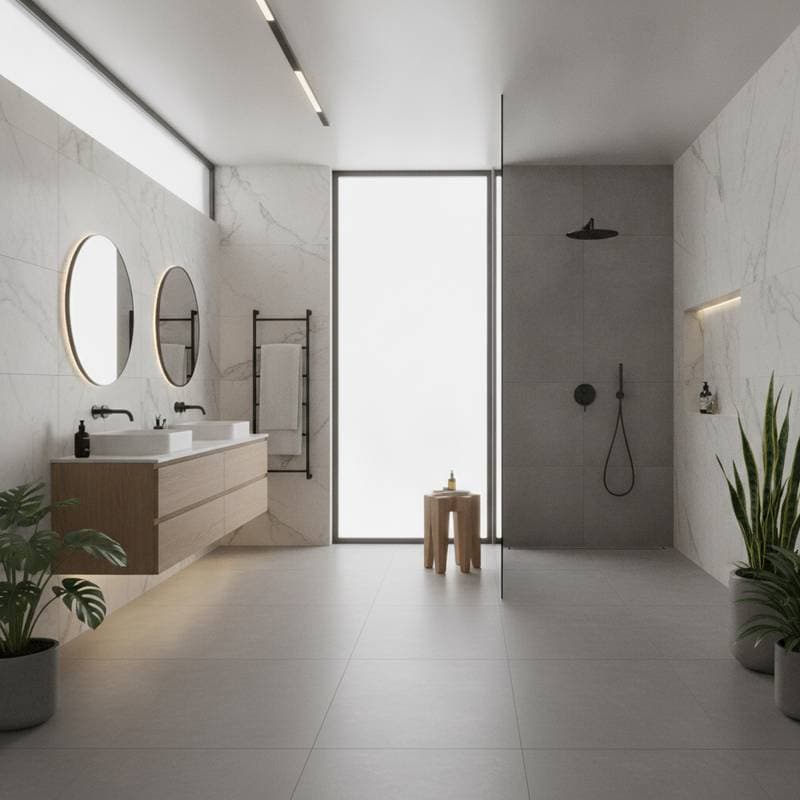
Incorporates sleek profiles and metallic hardware for contemporary edge. It suits newer constructions or metropolitan dwellings, tempering traditional seaside cues with urban restraint.
Cottage Coastal Grandma
Emphasizes whimsy through paneled surfaces, botanical motifs, and curated relics. Compact cottages or single-story homes gain depth from these tactile additions.
Luxury Coastal Grandma
Employs bespoke linens, precision-tailored seating, and integrated storage solutions. Lavish estates or exclusive enclaves benefit from this elevated execution, meeting discerning clientele expectations.
Minimal Coastal Grandma
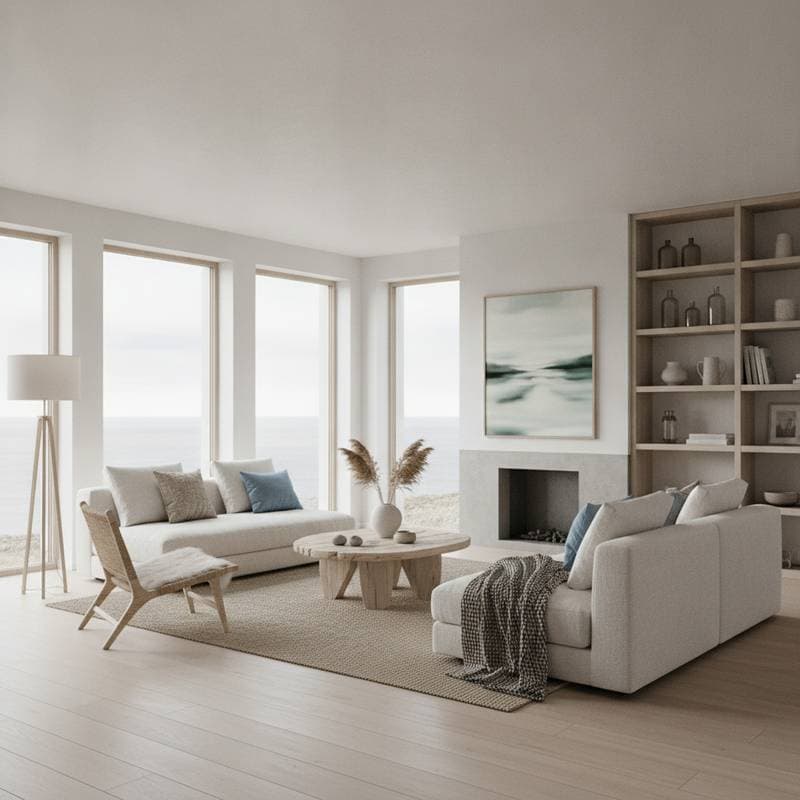
Prioritizes expanse, sparse adornments, and whisper-soft hues. Compact urban units or streamlined lofts accommodate this pared-back iteration.
DIY Approaches Versus Professional Assistance
Skill Level
Moderate for superficial changes like accessorizing; advanced for installations involving frameworks or custom elements.
Timeline
Ranges from two weeks for surface-level tasks to three months for expansive endeavors.
Essential Equipment
Includes painting supplies, basic hand implements, power drill, spirit level, and orbital sander.
Potential Hazards
Minimal for repositioning decor; significant for embedded features or subfloor modifications.
Engage certified experts for endeavors touching infrastructure, electrical systems, or specialized woodworking. Professionals ensure compliance with regulations and address environmental challenges like elevated moisture. Homeowners manage textiles, coatings, and ornaments effectively with thorough planning.
Essential Implementation Steps
- Outline the project parameters, distinguishing between aesthetic tweaks and thorough reconstructions.
- Establish the color foundation with off-whites, beiges, pale aquas, and taupe shades.
- Prepare surfaces by repairing imperfections, smoothing textures, and applying low-sheen coatings.
- Revamp illumination with fabric diffusers and ambient warm-spectrum sources.
- Curate seating and tables blending loose covers with patinated timber.
- Introduce fabrics via quilted overlays, gauzy panels, and pliable mats.
- Integrate organic motifs through greenery, coastal artifacts, or interlaced containers.
- Arrange open storage with understated pottery, literature, and subtle visuals.
- Refine the composition by eliminating excess and verifying seamless transitions.
Upkeep and Durability
Well-tended Coastal Grandma spaces endure gracefully, with components lasting five to fifteen years based on intensity of use.
Routine Care Protocol
- Dust and reposition floor coverings each month.
- Launder removable fabric elements biannually or quarterly.
- Apply protective oils to timber annually against arid conditions.
- Examine glazing integrity in moisture-prone regions.
- Refresh exposed walls every three to five years.
Sunlight accelerates fading in plant-based materials; mitigate with light-blocking films or translucent barriers. In saline environments, polish hardware seasonally to avert oxidation. While no unique ordinances target this aesthetic, littoral regulations often mandate vapor-permeable barriers or fortified moldings.
Comparable Design Alternatives
Modern Farmhouse
Overlaps in coziness and earth tones yet introduces bolder contrasts and iron accents. It offers superior durability but dilutes oceanic essence.
Scandinavian Minimalism
Delivers clarity and luminosity with analogous brights, though it skimps on tactile depth. Budgets remain modest, warmth slightly diminished.
Bohemian Coastal
Infuses vibrancy and motifs for relaxed vibrancy. Personality abounds, though it may deter traditional purchasers.
Traditional Beach House
Relies on maritime icons and vivid ceruleans. Direct and evocative, yet less versatile beyond shorelines.
These alternatives vary in care demands, financial outlay, and market reception. Coastal Grandma bridges raw and polished, granting adaptability.
Regional Considerations
Environmental Influences
Damp coastal zones necessitate antifungal coatings and impermeable timbers. Arid interiors might employ moisture enhancers to safeguard fibers.
Regulatory Aspects
Certain jurisdictions mandate protective layers or vapor shields in marine vicinities. Consult municipal authorities prior to culinary or sanitary modifications.
Workforce Expenses
Seaside metropolises and vacation hubs impose 20 to 40 percent premiums on creative services. Interior locales provide affordability, albeit with constrained specialty availability.
Locale-Specific Adaptations
Tropical regions favor airy weaves and fluid plans. Temperate climates lean toward insulating layers and graduated lights. Tailor selections to climatic comforts over rigid adherence.
Investment Return and Market Performance
Residences in Coastal Grandma style frequently garner five to 15 percent uplifts in competitive arenas. Universal allure stems from its composed, pristine, and cohesive presentation.
Consistency across chambers amplifies gains, with communal zones yielding prime returns. Incremental shifts like fabric panels, impartial hues, and fibrous details elevate impressions sans substantial capital.
For imminent transactions, maintain subtlety. Eschew overt marine symbols or dense thematic displays. Optimal executions appear organic and integrated.
Essential Safety Measures
Electrical Precautions
Deactivate circuits prior to fixture adjustments.
Structural Guidelines
Secure approvals for partitions or fixtures.
Material Choices
Select minimal-emission formulations to limit vapors.
Humidity Controls
Equip steamy spaces with adequate airflow against fungal growth.
Worksite Practices
Operate from secure platforms and don safety apparel.
Vigilance proves crucial in aged or marine structures prone to concealed deterioration from dampness or circuits. Summon qualified inspectors for pre-project evaluations on significant interventions.
Frequently Asked Questions
What Serves as the Simplest Entry to Coastal Grandma?
Commence with fabrics and tones. Coat surfaces in gentle neutrals, install breathable drapery, and deploy interlaced vessels for organization. These establish ambiance affordably.
Is This Aesthetic Restricted to Shoreline Properties?
Not at all. The scheme and components translate inland. Emphasize illumination, impartial shades, and usability over explicit wave references.
How to Adapt for Family Use?
Opt for machine-washable loose covers and dense-pile mats. Simplify ornaments and position them securely.
Optimal Surface Coverings?
Pale hardwoods, limed finishes, or satin ceramics. Steer clear of reflective surfaces prone to grit accumulation.
Integrating Contemporary Items?
Certainly. Select streamlined additions to avert obsolescence. Maintain palette uniformity.
Realizing the Vision
Coastal Grandma succeeds through choices that nurture serenity and poise. Prioritize discernment over flawlessness. Retain viable elements, renew fatigued ones, and invest in superior substances. To enhance property worth, this paradigm delivers tranquility that prompts competitive proposals.
Initiate with coatings and linens prior to expansive commitments. Monitor expenditures and solicit estimates from credentialed specialists for foundational or surfacing tasks. Returns manifest in enhanced daily enjoyment and commercial viability. Executed thoughtfully, the design elevates dwellings to perennial havens, poised and attuned for future phases.