Curved Walls: A 2026 Trend Elevating Suburban Home Values
Typical cost: $8,000 to $25,000 for a curved wall addition that increases resale value by 3 to 6 percent.
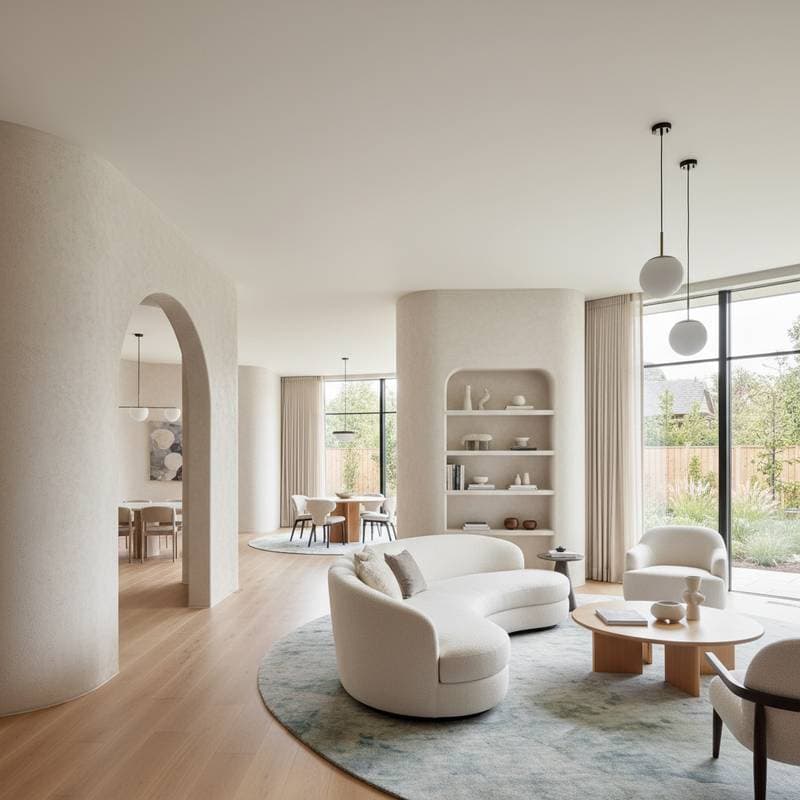
Curved walls make a strong return in suburban homes because they address common design limitations. These features soften rigid, rectangular layouts, facilitate better light distribution, and convey a sense of luxury without requiring extensive renovations. Homeowners discover that the architectural curve itself serves as a compelling selling feature, enhancing overall market appeal and property worth.
Factors Influencing Installation Costs
Several elements determine the expense of adding curved walls. Understanding these allows homeowners to budget effectively and select options that align with their design goals.
1. Materials
Curved framing demands specialized products such as flexible drywall, bending plywood, or custom plaster molds. These materials require additional time for skilled installation, which elevates overall costs. Homeowners should anticipate paying $2 to $6 per square foot more than for standard flat wall construction.
2. Labor
Creating curves involves extended preparation, including precise marking, cutting, and alignment. A qualified carpenter typically invests 40 to 80 hours in a single wall project. Labor charges range from $60 to $120 per hour, varying by location and contractor availability.
3. Size and Radius
The dimensions and curvature tightness directly impact complexity and material usage. Tighter radii, such as a 6-foot curve, demand more precise work and generate greater waste, increasing costs. In contrast, a gentler 10-foot radius wall costs approximately 20 percent less to construct.
4. Finishes
Options like smooth plaster applications, arched doorways, or custom curved baseboards introduce distinctive character. However, each finishing layer contributes to the total expense, adding $500 to $1,500 based on the selected quality and intricacy.
5. Access and Permits
Interior curved walls seldom require permits unless they involve structural changes. Exterior applications or additions necessitate inspections and foundation evaluations. For any structural modifications, an engineer's assessment costs $400 to $1,000 and ensures compliance with building codes.
Midrange Option: Framed Curve with Integrated Niches or Arched Openings
- Cost: $12,000 to $18,000
- Best for: Living rooms, hallway transitions, or entryways
- Materials: Curved studs, plaster or veneer finishes, custom trim elements
- Look: A subtle architectural highlight that creates depth through shadow and light interplay
Installation Steps:
- Construct the curve using laminated plywood ribs for stable framing.
- Incorporate insulation or soundproofing materials, particularly in areas adjacent to living spaces.
- Form niches or arches prior to applying final surfaces.
- Finish with veneer plaster to achieve a seamless, flowing appearance.
Safety Considerations: Always wear eye protection during shaping or sanding of curved plaster. Employ respirators to guard against inhaling fine dust particles.
DIY Approach Versus Professional Installation
Homeowners weigh the trade-offs between handling the project themselves and hiring experts. Each path offers distinct advantages and potential challenges.
DIY Option:
- Ideal for simple, decorative curves spanning less than 10 feet.
- Necessary tools include bending equipment, drywall saws, and framing clamps.
- Potential risks involve drywall cracking, uneven surfaces, or improper framing alignment.
- Possible savings range from $2,000 to $4,000, provided the homeowner possesses existing tools and experience in framing and drywall work.
Professional Installation:
- Essential for structural elements or walls with complex radii.
- Experts manage accurate framing, load distribution, and flawless surface finishing.
- Project timelines remain reliable with seasoned teams.
- Professionals provide detailed blueprints and precise material calculations.
Indicators for Hiring a Professional:
- Involvement of load-bearing walls.
- Requirements for exact symmetry around staircases or windows.
- Inclusion of built-in lighting or recessed niches.
- Uncertainty in interpreting curve templates or radius specifications.
Maintenance and Warranty Information
Once properly sealed and painted, curved walls demand minimal ongoing care. Issues typically arise from moisture exposure or building settlement rather than everyday use.
Routine Maintenance Checklist:
- Conduct annual inspections for cracks at joints or near windows.
- Maintain indoor humidity levels between 35 and 55 percent.
- Apply flexible caulk along baseboards to avoid separations.
- Refresh with elastic interior paint every 7 to 10 years to preserve surface integrity.
Warranty Details:
- Labor guarantees commonly extend for 1 year.
- Flexible drywall products offer manufacturer warranties up to 20 years when installed according to specifications.
- Engineered structural elements receive extended protection from builders or contractors.
Common Failure Points:
- Joint seams stressed by framing shifts.
- Paint adhesion problems during extreme humidity fluctuations.
Preventive Measures:
- Select moisture-resistant drywall for basements or bathroom proximity.
- Fasten framing securely with appropriate spacing.
- Permit full curing of plaster or paint before introducing high-humidity conditions.
Steps to Incorporate Curved Walls Effectively
Implementing curved walls requires thoughtful planning to maximize aesthetic and functional benefits.
-
Develop Initial Layout Sketches. Identify locations where curves enhance sightlines or mitigate sharp corners, such as hallways, dining areas, or stair landings.
-
Obtain Multiple Estimates. Request contractors to itemize labor, materials, and finishes. Evaluate their capabilities with specific radii and warranty offerings.
-
Inquire About Lead Times. Specialized items like flexible drywall or curved trim may require several weeks for delivery. Place orders promptly to minimize downtime.
-
Verify Credentials and Coverage. Confirm that contractors hold valid licenses and maintain liability plus workers' compensation insurance, given the precision required for curved work.
-
Select Finishes Strategically. Consider how paint sheen and lighting affect curve visibility; matte finishes conceal seams effectively, while uplighting accentuates texture.
-
Arrange for Inspections if Needed. Non-load-bearing walls may still influence electrical or HVAC systems. Early inspections avert costly adjustments during construction.
-
Prioritize Safety Protocols. Disconnect power sources before cutting near electrical outlets. Wear gloves when manipulating metal tracks, and ensure proper ventilation during sanding or painting activities.
Realizing the Value of Curved Walls in Your Home
Curved walls not only elevate resale potential but also create enduring spaces that feel more open and inviting. By investing thoughtfully in materials and professional guidance, homeowners position their properties as standout options in competitive suburban markets. This trend promises lasting architectural sophistication for years to come.