Jewel Tones Emerge as a Value-Adding Trend in Home Design
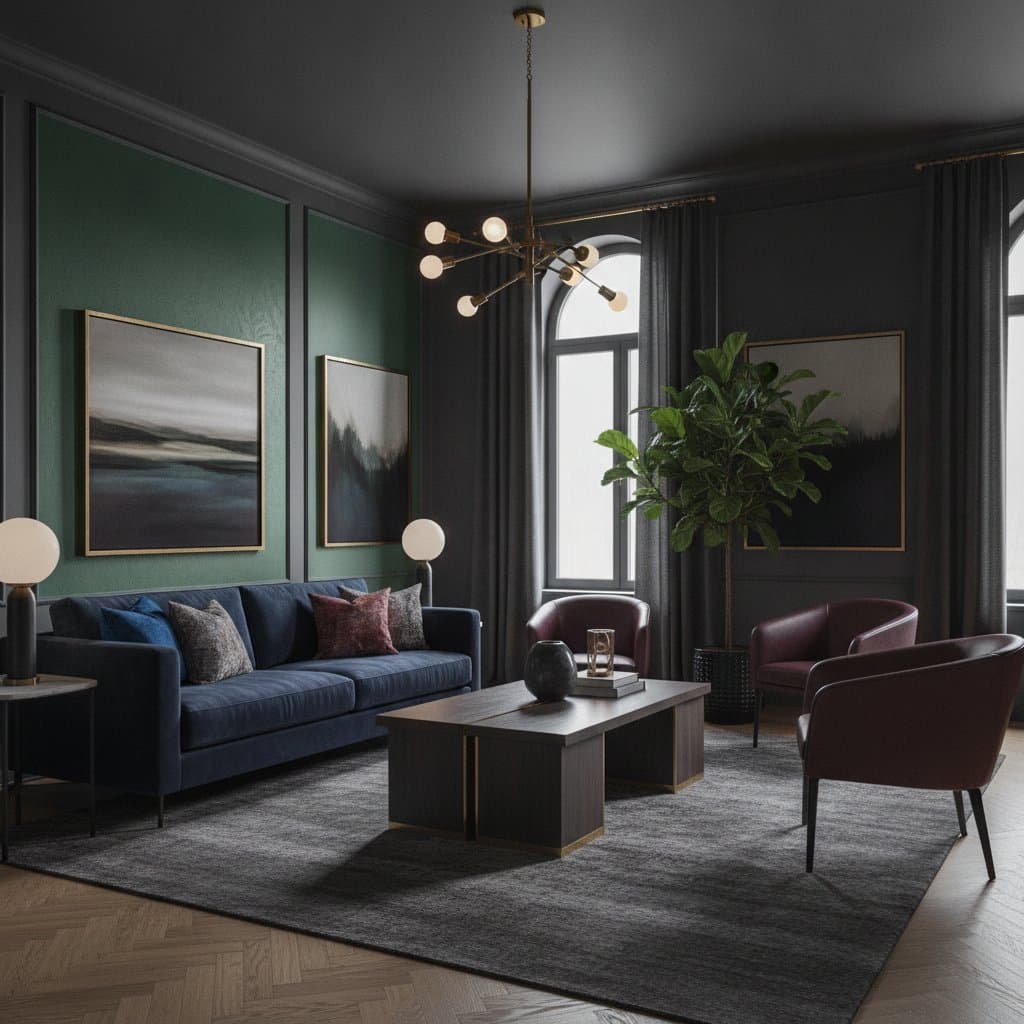
Deep jewel tones such as emerald green, sapphire blue, and ruby red are reshaping interior palettes for 2026. These rich colors replace the once-dominant grays, infusing spaces with warmth and sophistication. Homeowners and sellers who incorporate these hues strategically report increased buyer interest and higher resale values, often by up to five percent.
The shift reflects broader preferences for environments that evoke luxury and emotional depth. Buyers seek homes that feel curated and inviting, qualities that jewel tones deliver effectively. This trend aligns with market data showing faster sales for properties with updated, vibrant interiors.
The Impact of Jewel Tones on Property Value
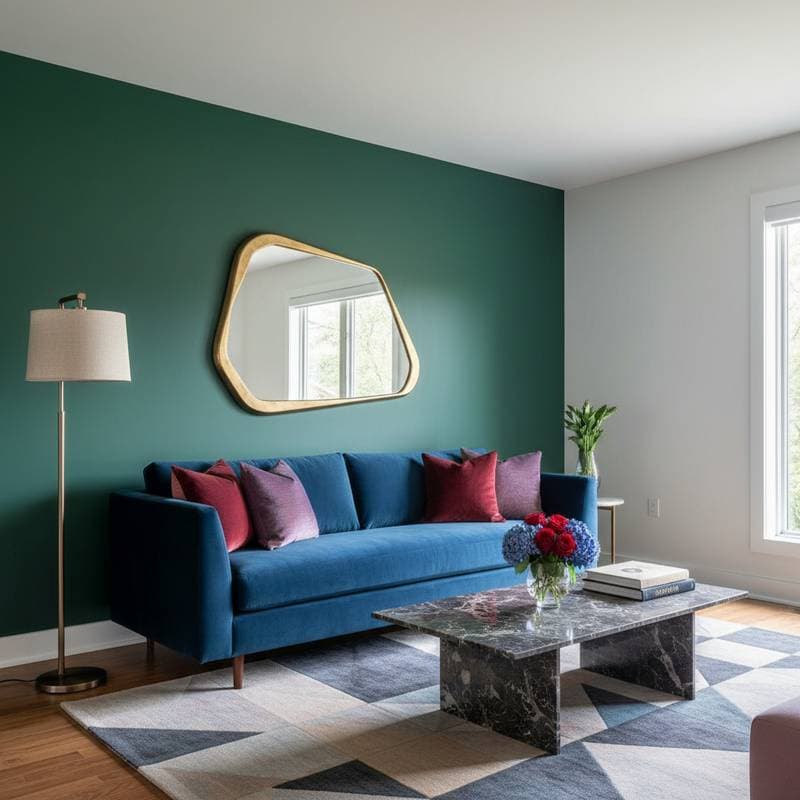
Color choices influence buyer perceptions profoundly. Jewel tones draw on psychological associations with prosperity and tranquility, making rooms appear more premium. For instance, an emerald-accented living room can convey stability and growth, appealing to families and professionals alike.
Real estate professionals observe that well-executed jewel tone applications correlate with premium pricing. In competitive markets, homes featuring these colors often sell one to two weeks faster than those with neutral schemes. The uplift in value, typically two to five percent, stems from enhanced online listing appeal and in-person walkthrough impressions.
Factors like location and overall condition modulate this effect. In urban settings with natural light abundance, jewel tones amplify spaciousness. Proper balance prevents any sense of enclosure, ensuring the colors enhance rather than detract from the home's market position.
Strategies for Incorporating Jewel Tones Effectively
Introduce jewel tones thoughtfully to avoid overwhelming a space. Select a primary color based on the room's function; emerald suits serene studies, while sapphire complements airy kitchens. Layer the chosen hue with complementary elements for harmony.
Begin with an accent feature, such as a feature wall or upholstered furniture. This approach allows testing the color's interaction with existing decor. Gradually expand if the result proves successful, monitoring how the tones shift under various lighting conditions.
Balancing Jewel Tones with Neutrals and Textures
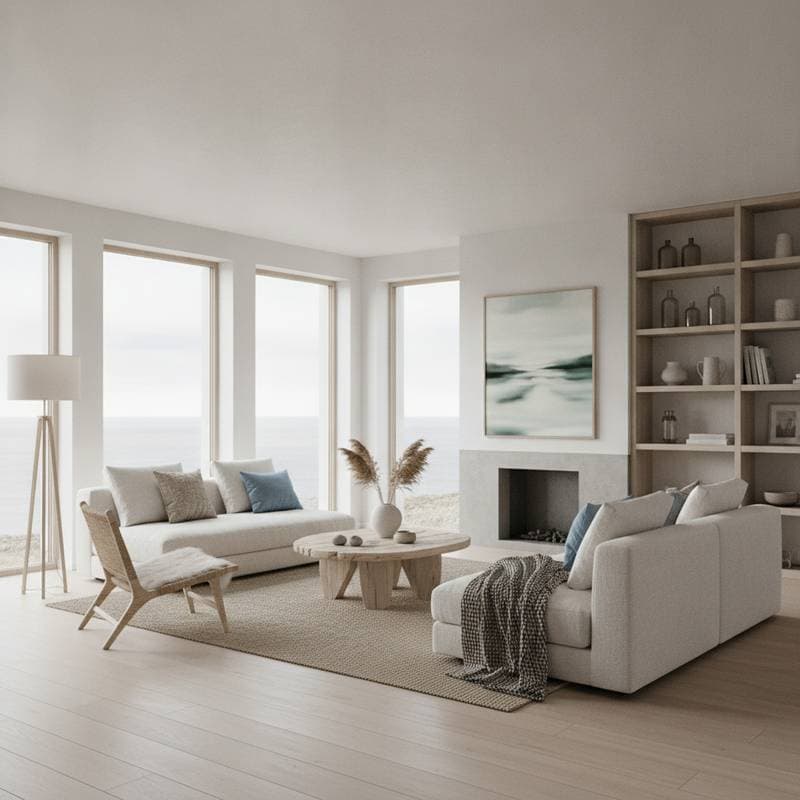
Pair bold colors with soft neutrals like warm beige or soft ivory to create breathing room. These bases ground the intensity, preventing visual fatigue. Textural contrasts, such as linen drapes against painted walls, add dimension and soften the richness.
Incorporate metallic accents like gold or brass hardware to elevate the palette. Plants and natural fibers further balance the scheme, introducing organic lightness. This combination fosters a layered, lived-in aesthetic that resonates with contemporary tastes.
Project Timeline and Planning
A targeted refresh involving one or two rooms typically spans one to three days. This includes surface preparation, application, and drying periods. Larger undertakings, such as full-home repaints, extend to five to seven days, factoring in multiple coats and ventilation needs.
Cabinet updates in jewel tones require additional time for sanding, priming, and curing, often three to five days. Professionals streamline these processes with specialized equipment, though costs rise accordingly. Homeowners opting for self-directed efforts gain cost savings but invest more in preparatory labor.
Plan around weather for optimal drying; humid conditions prolong timelines. Schedule viewings or photoshoots post-completion to capture the fresh look at its best.
Essential Tools and Materials
Assemble a reliable kit to ensure smooth execution:
- High-quality angled brushes for edges and rollers for broad surfaces
- Blue painter's tape for crisp lines
- Canvas drop cloths to protect floors
- Tinted primer for transitions from light to dark shades
- Low-VOC jewel tone paints in eggshell finish for durability
- Extendable ladder for high areas
- TSP substitute for thorough wall cleaning
- Assorted sandpaper grits for surface smoothing
Consider a paint sprayer for even cabinet coverage and an edger tool for trim precision. These investments reduce frustration and yield professional results.
Jewel Tones Versus Competing Design Trends| Trend | Aesthetic | Ideal Application | Potential Limitation |
|-------|-----------|-------------------|----------------------|
| Jewel Tones | Vibrant, opulent depth | Versatile modern or classic interiors | Risk of heaviness without balance |
| Neutrals and Grays | Serene, understated | Compact or sunlit rooms | Prone to appearing stark or outdated |
| Pastel Shades | Gentle, ethereal | Restful personal spaces | Insufficient boldness for impact |
| Earthy Hues | Organic, earthy warmth | Rustic or nature-inspired homes | Can seem muted in low light |Jewel tones distinguish themselves through adaptability. They integrate seamlessly with wood grains, stone elements, and sleek metals, suiting diverse architectural styles. Unlike softer alternatives, they provide enduring visual punch without sacrificing elegance.
Indicators for Professional Assistance
Engage experts when confronting structural issues like wall cracks or dampness. These conditions demand assessment to avoid future complications. Similarly, projects involving lead paint removal or oil-to-latex conversions require specialized handling.
Textured walls or intricate moldings benefit from pro techniques to maintain uniformity. For market-bound properties, a design consultant refines tone selection, optimizing for photographic appeal and regional buyer preferences.
Maintaining Jewel Tone Finishes Over Time
Preserve the vibrancy of jewel-painted surfaces with routine, gentle care. Wipe with a solution of mild soap and water using a microfiber cloth. Steer clear of abrasive cleaners that erode the sheen.
High-traffic zones may need repainting every five years to combat fading. Address scuffs promptly with matching paint stored in airtight containers. Regular dust removal keeps colors true and surfaces welcoming.
Expert Recommendations for Optimal Results
Create sample boards with actual paint to evaluate undertones accurately. Apply coats from ceiling to baseboard, addressing drips immediately. Opt for multiple thin layers over a single heavy application for even coverage.
Select warm-spectrum bulbs to accentuate jewel depths without washing them out. Counteract bold walls with pale furnishings or reflective surfaces. These practices ensure a polished, cohesive outcome.
Shaping Buyer Impressions Through Color
Jewel tones elicit responses like luxurious or soothing from prospective buyers. Such descriptors fuel emotional connections, differentiating listings in crowded online feeds. A sapphire dining area, for example, captures attention in high-resolution images, prompting inquiries.
Recent updates signal proactive upkeep, reassuring buyers of minimal post-purchase tasks. This confidence translates to stronger bids and smoother negotiations. In essence, strategic coloring positions the home as a desirable, turnkey opportunity.
Implementing Jewel Tones for Lasting Appeal
Target a single space for initial experimentation, such as a powder room in ruby accents. Observe daily light changes and solicit feedback to refine choices. Success here paves the way for broader application.
Focus efforts on high-visibility areas like entryways or primary suites. These updates create an immediate positive impression, influencing overall valuation. By 2026, homes embracing this trend will command premium attention in resale scenarios.