Aging in Place Renovations Deliver 92% ROI by 2026
Aging in place renovations enable homeowners to maintain safety, comfort, and independence as they age. These modifications allow individuals to remain in their residences longer, avoiding the need for assisted living facilities. The range of updates includes simple installations like grab bars and comprehensive projects such as full bathroom remodels. For families, these enhancements also safeguard property value. Market data indicates that thoughtfully executed aging in place renovations can achieve up to a 92% return on investment.
This guide details the components of such renovations, associated costs, and planning strategies to avoid unnecessary expenses. It targets homeowners seeking to modify their living spaces for enduring accessibility while preserving strong resale potential.
Cost Snapshot
National range: $8,000 to $75,000
Typical mid-range project: $18,000 to $35,000
High-end full-home conversion: $80,000 to $150,000
What Drives Cost
- Scope of work. Installing a ramp typically costs less than overhauling an entire bathroom.
- Structural changes. Relocating walls or adjusting plumbing significantly increases expenses.
- Material choices. Selecting premium finishes or integrating smart home systems elevates the total.
- Labor rates. Projects in urban or coastal areas face higher hourly charges due to regional demand.
- Permit needs. Work involving structural, plumbing, or electrical modifications often requires official inspections and approvals.
Options and Types
Entry and Access
- Zero-step entries. Substitute front steps with a gradual ramp or sloped walkway, facilitating use with wheelchairs or walkers.
- Wider doorways. Widen openings to at least 36 inches to accommodate smooth passage, ideally during broader remodeling efforts.
- Smart locks. Implement keyless entry systems that enhance convenience for those with reduced mobility.
Bathroom Upgrades
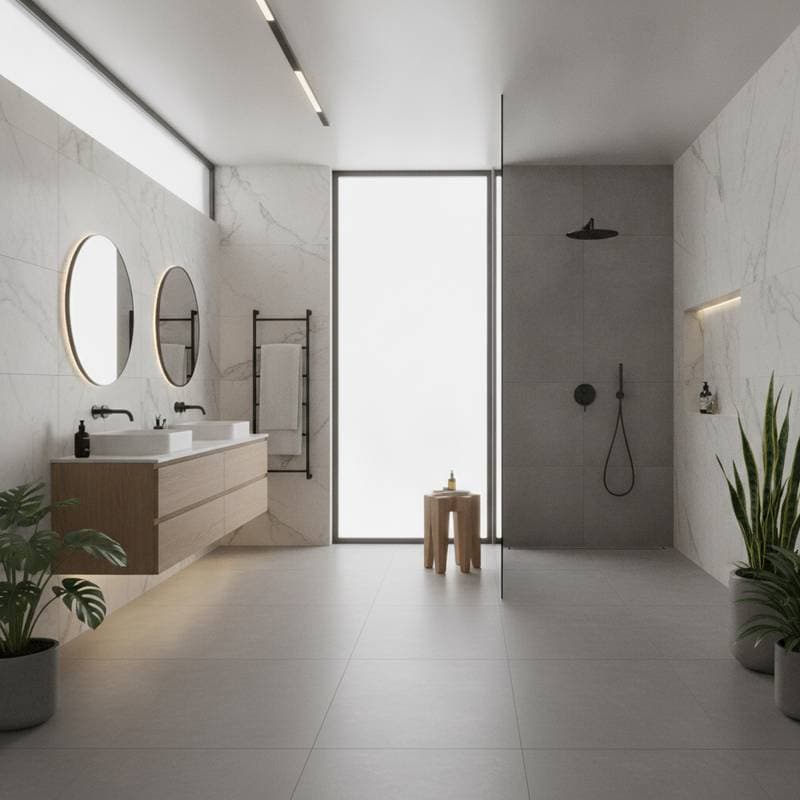
- Walk-in or roll-in showers. Design curb-free enclosures with slip-resistant tiles to minimize fall risks.
- Comfort-height toilets. Install units at a higher elevation to simplify transfers and reduce physical strain.
- Grab bars and seating. Position reinforced bars and built-in benches for secure support and resting opportunities.
- Handheld shower heads. Add adjustable, flexible heads suitable for use while seated.
Kitchen Modifications
- Pull-down shelving. Equip cabinets with retractable mechanisms to bring items within easy reach.
- Side-opening ovens. Choose models that open from the side to improve safety for users in seated positions.
- Lever or touch faucets. Opt for handles or sensor-activated taps that require minimal grip strength, accommodating arthritic conditions.
- Open floor plans. Reconfigure layouts to provide at least 60 inches of clearance for wheelchair maneuverability.
Lighting and Electrical
- Motion sensors. Install automatic lights that activate upon detecting movement, eliminating the need to fumble in low light.
- Under-cabinet lighting. Place LED strips beneath counters to enhance task illumination and reduce shadows.
- Raised outlets and lower switches. Position electrical elements at heights accessible from both standing and seated levels.
Flooring
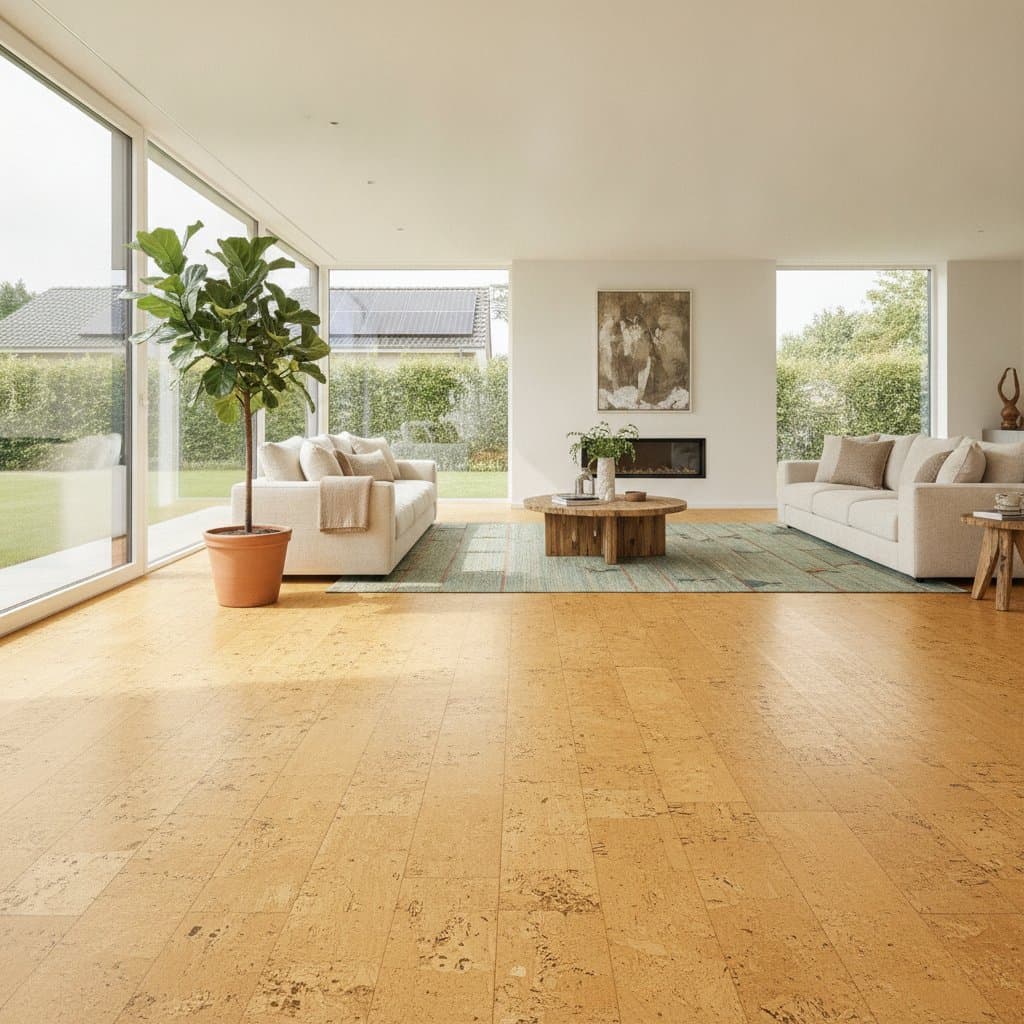
- Non-slip surfaces. Select vinyl plank or rubberized materials that offer superior traction without compromising aesthetics.
- Smooth transitions. Eliminate raised thresholds between rooms to prevent stumbling hazards.
Step-By-Step Basics
- Assess current layout. Conduct a thorough walkthrough to pinpoint obstacles, such as narrow hallways or steep staircases.
- Set clear priorities. Address immediate safety concerns first, like installing non-slip flooring in high-traffic areas.
- Get design input. Consult a Certified Aging-in-Place Specialist (CAPS) to develop functional and aesthetically pleasing layouts.
- Create a budget. Allocate funds with a 10 to 15 percent buffer for unforeseen adjustments.
- Obtain permits. Review requirements through local building authorities prior to commencing any work.
- Hire qualified contractors. Confirm credentials, including insurance coverage and client references, before selection.
- Complete work in stages. Tackle one area at a time, such as bathrooms before kitchens, to manage disruption.
- Inspect and test. Verify the stability of grab bars and the evenness of floor transitions post-installation.
- Clean and maintain. Clear away construction residue, apply sealants to tiles, and ensure all hardware operates smoothly.
Alternatives
Accessible New Builds
Constructing a new single-story home designed for accessibility circumvents the challenges of retrofitting existing structures. Although initial costs prove higher, seamless integration of features from the foundation stage yields long-term efficiency.
Assisted Living
Recurring monthly fees in assisted living arrangements frequently surpass the singular expense of home modifications. This option suits individuals requiring round-the-clock assistance, yet it diminishes personal autonomy.
Home Monitoring Systems
Deploying sensors and surveillance cameras bolsters independent living with minimal structural alterations. While these technologies enhance security, they fail to resolve inherent physical barriers within the home.
Multi-Generational Layouts
Incorporating accessible elements into versatile spaces accommodates households spanning multiple generations. Such designs not only promote inclusivity but also elevate the property's appeal in the resale market.
ROI and Resale
Aging in place renovations stand out for their exceptional cost recovery rates. Industry analyses reveal average returns approaching 92 percent upon home sale following implementation. Universal design principles embedded in these updates appeal broadly, supporting lifestyles across all life stages beyond just later years.
Upgrades yielding the strongest returns encompass:
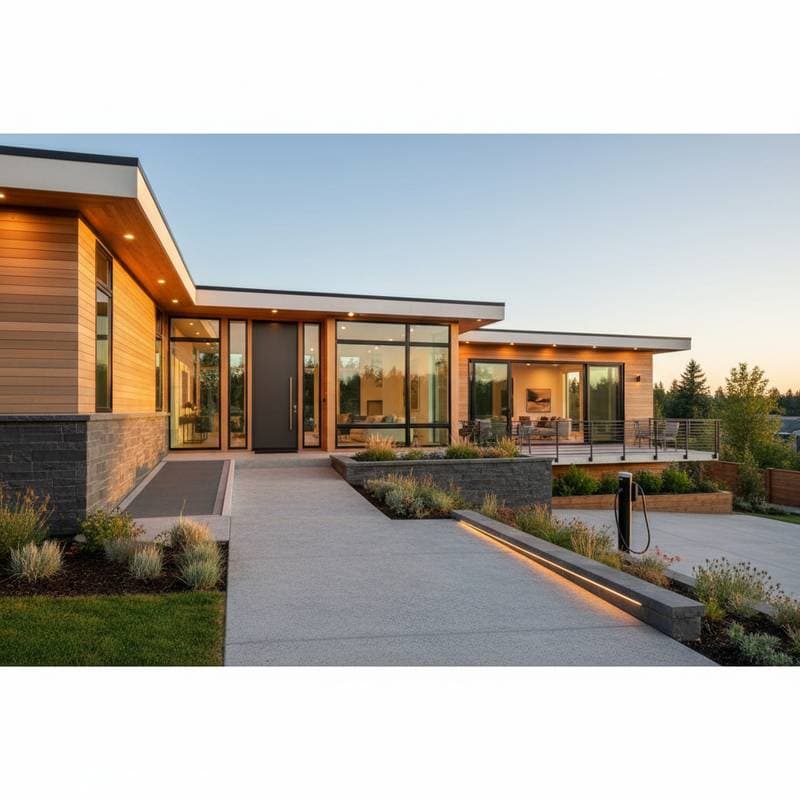
- Step-free entryways. These enhancements simultaneously improve exterior aesthetics and practical access.
- Modern accessible bathrooms. Such facilities attract a diverse buyer pool, from young families to retirees.
- Open floor plans. Expanded layouts convey spaciousness and navigational ease.
- Improved lighting. Enhanced illumination fosters a secure and inviting atmosphere.
Properties featuring these modifications typically command premium prices and attract buyers more quickly than comparable unmodified homes. Moreover, the upgrades mitigate the necessity for subsequent overhauls, instilling buyer assurance in the home's future viability.
FAQ
What is the difference between universal design and aging in place renovation?
Universal design creates environments suitable for all ages and abilities, maintaining an unobtrusive appearance. Aging in place renovation adapts these principles to existing residences, specifically targeting the needs of older adults or individuals with mobility challenges.
How much does a typical bathroom conversion cost?
A mid-range bathroom conversion, incorporating a walk-in shower, grab bars, and slip-resistant flooring, ranges from $12,000 to $25,000. This estimate applies to a standard 5 by 8 foot space and includes labor and materials.
Do I need a permit for grab bars or ramps?
Installing grab bars generally requires no permit, whereas constructing ramps or making structural alterations does. Verify regulations with local authorities to ensure compliance.
Can I finance accessibility upgrades?
Financing options abound, including home improvement loans from various lenders. Additionally, certain state initiatives and health organizations offer grants tailored to accessibility projects.
Will these changes hurt my home’s look?
Proper planning ensures changes enhance rather than detract from visual appeal. Contemporary accessible fixtures integrate seamlessly with prevailing design styles, often resulting in more expansive and contemporary interiors.
Implementing Accessibility Upgrades
Initiate the process with a professional safety evaluation to identify priority areas. Solicit detailed bids from no fewer than three contractors licensed in accessibility standards. Insist on breakdowns of costs to enable phased execution aligned with financial capacity.
Emphasize practicality over aesthetics initially, selecting components that satisfy regulatory and ergonomic requirements. Incremental adjustments, such as lever-style door handles and amplified lighting, deliver swift safety gains. Substantial transformations, including roll-in showers and entry ramps, can proceed as resources permit.
Through meticulous preparation, aging in place renovations safeguard well-being, enhance daily comfort, and fortify asset value. These adaptations render homes more habitable in the present and more desirable in future transactions. For numerous homeowners, this synergy of protection and profitability justifies the commitment.