Why Wet Rooms Boost Home Values by 11 Percent by 2026
Homeowners who install wet rooms often see a significant increase in property value. Recent national remodeling reports indicate that a well-designed wet room can elevate resale prices by approximately 11 percent. This enhancement stems from the seamless integration of luxury, accessibility, and modern aesthetics that appeal to a broad range of buyers.
Understanding Wet Rooms
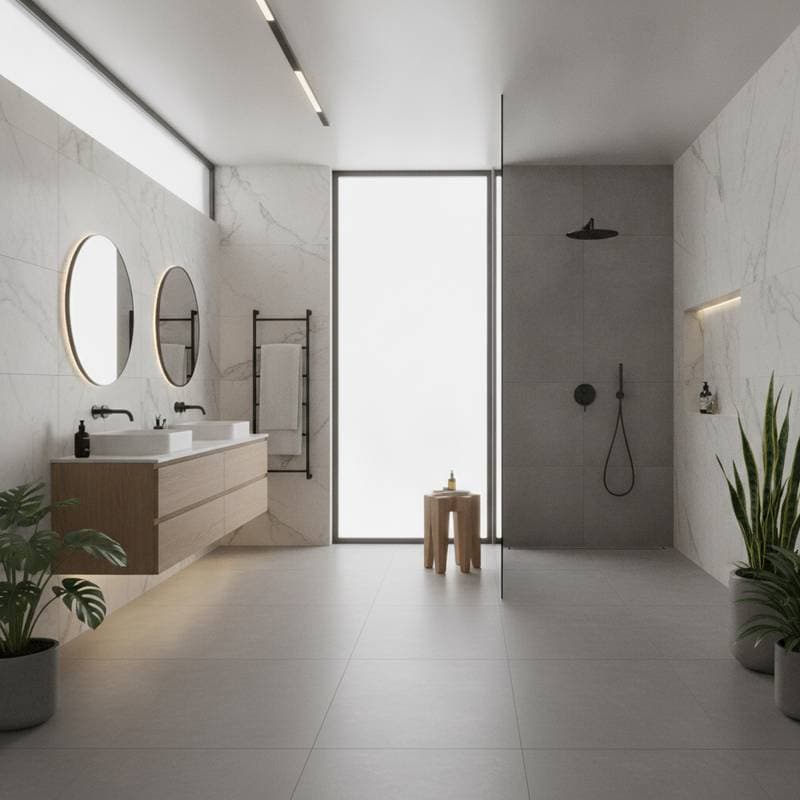
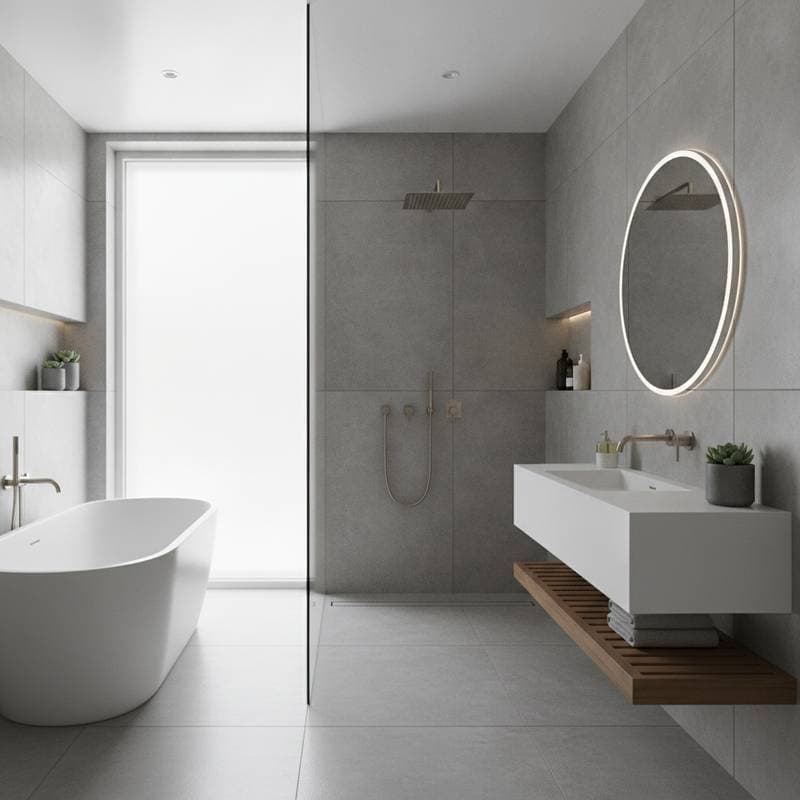
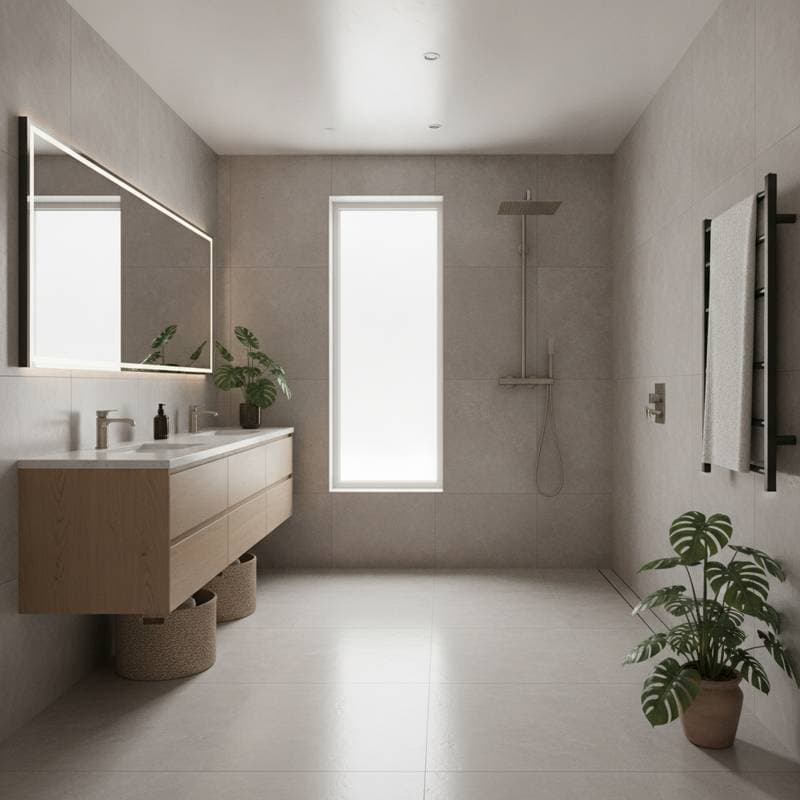
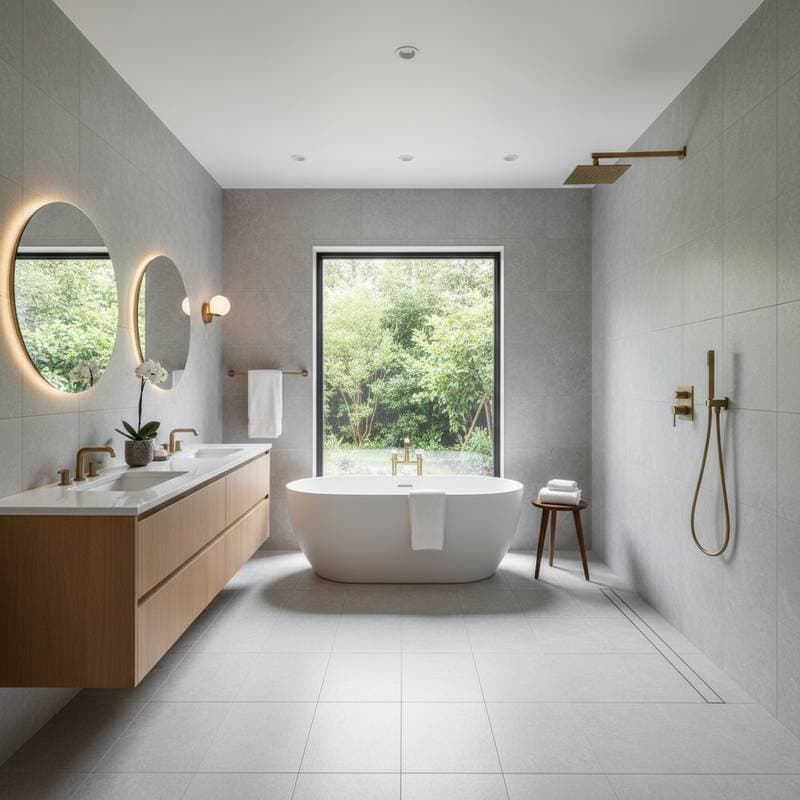
A wet room represents a fully waterproofed bathroom design featuring an open or doorless shower area. The floor incorporates a subtle slope that directs water toward a central drain, eliminating the need for thresholds or shower trays. This configuration allows the entire space to withstand moisture without structural compromise, resulting in a barrier-free environment that conveys sophistication and contemporary style.
Key Reasons Wet Rooms Enhance Property Value
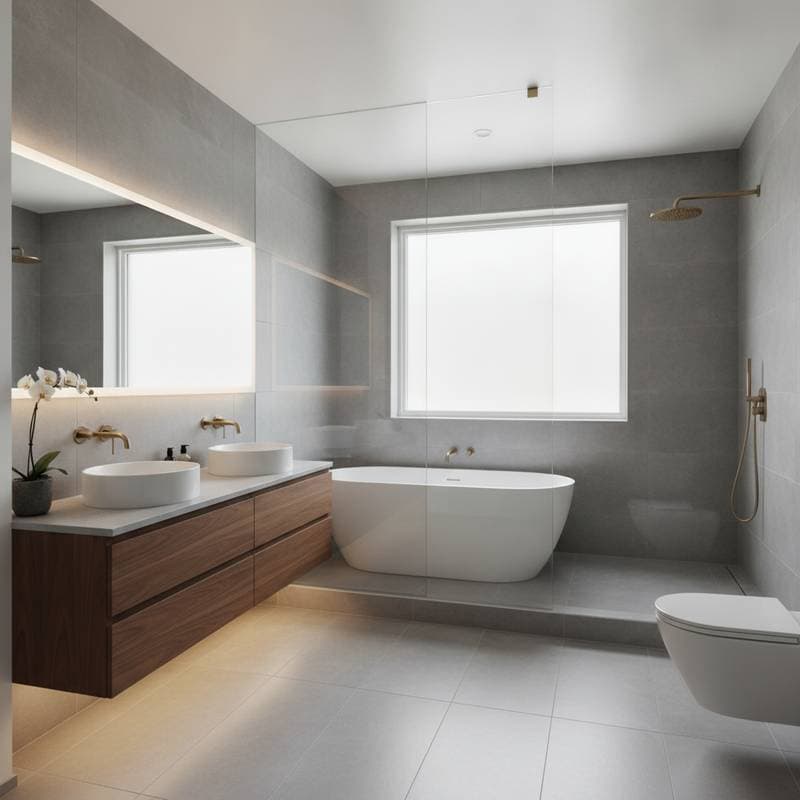
Prospective buyers gravitate toward wet rooms for several compelling factors. Primarily, these spaces evoke the indulgent atmosphere of upscale hotel spas, with their fluid lines and expansive feel. Additionally, the design accommodates individuals of varying mobility, supporting long-term usability without sacrificing elegance. Furthermore, by eliminating traditional enclosures, wet rooms visually expand compact bathrooms, making them more inviting and marketable. Together, these elements position the wet room as a premium feature that justifies higher offers.
Essential Steps for Creating a Wet Room
-
Assess and plan the layout. Select an area that permits adequate floor sloping for effective drainage. Position the toilet and vanity at a sufficient distance from the primary water spray to minimize incidental wetting.
-
Apply comprehensive waterproofing. Employ a tanking system to coat floors and lower wall sections. Pay meticulous attention to sealing all joints to prevent water infiltration.
-
Integrate reliable drainage. Opt for a linear drain, which provides optimal coverage for open shower configurations and facilitates smooth water flow.
-
Establish proper floor slope. Achieve a gentle gradient, typically one-quarter inch per foot, to channel water efficiently to the drain and avoid any pooling.
-
Select and install tiles thoughtfully. Prioritize non-slip porcelain or natural stone tiles, which offer durability and enhanced safety under wet conditions.
-
Incorporate effective ventilation. Install a high-capacity exhaust fan to expel humidity promptly and mitigate the risk of condensation-related issues.
-
Finalize with appropriate fixtures. Incorporate wall-mounted faucets, a frameless glass screen if splash control is necessary, and fixtures certified for damp environments.
Detailed Cost Breakdown
| Task | Typical Cost Range | Factors Influencing Price |
|---|---|---|
| Waterproofing and Drainage | $1,500 - $3,000 | Room dimensions, material choices, local labor rates |
| Floor and Wall Tiling | $2,000 - $6,000 | Tile grade, installation intricacy |
| Plumbing and Fixtures | $1,500 - $5,000 | Pipe modifications, fixture selections |
| Total Conversion | $5,000 - $15,000 | Overall room size, finish quality, geographic variations |
Costs fluctuate based on location; urban settings or regions with stringent waterproofing regulations often incur higher labor expenses. Selecting mid-tier materials helps maintain budgets without compromising quality.
Timeline for Installation
Converting a standard bathroom into a wet room generally requires one to two weeks from start to finish. Hands-on labor typically spans four to six full days, with additional time allocated for curing waterproofing membranes and tile adhesives. Projects involving custom drainage solutions or underfloor heating may extend the duration by several days.
Deciding Between DIY and Professional Installation
Consider DIY for projects where:
- You possess substantial experience in tiling and plumbing.
- The scope involves a compact guest bathroom.
- You adhere strictly to manufacturer guidelines for sloping and waterproofing.
Engage a professional when:
- The bathroom resides on an upper level, heightening leak risks.
- Relocating plumbing lines proves necessary.
- Incorporating premium elements like natural stone or oversized tiles is desired.
- Compliance with accessibility standards or local building codes is required.
Professionals guarantee precise waterproofing and accurate grading, averting costly errors such as leaks that could damage underlying structures. Many homeowners conclude that expert involvement delivers superior results and peace of mind.
Required Tools and Materials
- Waterproof membrane or liquid-applied tanking kit
- Trowel and roller applicators for even membrane distribution
- Tile cutter and spacing tools for precise placement
- Spirit level and slope measurement device
- Linear or point drain assembly kit
- Non-slip rated floor tiles
- Grout, sealant compounds, and silicone caulk
- High-performance exhaust fan unit
- Protective gear including gloves and safety eyewear
Design Elements That Maximize Value
- Doorless shower configurations. These foster an uninterrupted visual flow, associating the space with high-end residential properties.
- Barrier-free access points. Such features align with aging-in-place preferences, broadening buyer demographics.
- Large-format tiling. Minimizing grout lines enhances cleanliness and modernity.
- Radiant underfloor heating. This addition promotes comfort and accelerates drying times.
- Wall-mounted sanitary ware. Elevating toilets and sinks creates an airy, uncluttered floor plane.
- Subtle color palettes. Opt for soft neutrals like limestone, slate gray, or crisp white to attract diverse tastes.
Considerations for Different Regions
In cooler climates, integrating underfloor heating not only warms surfaces but also expedites evaporation to reduce slip hazards. For humid or coastal areas, select mold-resistant grout and corrosion-proof stainless steel drains. Certain municipalities mandate plumbing permits for comprehensive waterproofing alterations, particularly those involving drain modifications. Consult local building authorities prior to commencement to ensure regulatory adherence.
Optimal Timing for a Wet Room Addition
Incorporate a wet room during comprehensive bathroom renovations aimed at resale preparation or enhanced daily living. This upgrade improves accessibility while preserving aesthetic warmth, avoiding an institutional appearance. In compact residences, replacing a bathtub with a wet room maintains openness without sacrificing functionality. For upscale properties, it serves as a standout ensuite that captivates potential purchasers.
Pitfalls to Sidestep During Installation
- Neglecting waterproof integrity tests. Conduct a thorough flood test prior to tiling to verify containment.
- Inadequate floor gradient. Minor deviations can lead to water accumulation and subsequent issues.
- Subpar airflow management. Inadequate ventilation fosters mold growth through persistent dampness.
- Selecting polished surface tiles. While attractive, they pose slip risks when wet; prioritize textured alternatives.
- Overlooking zone transitions. Properly seal boundaries between wet and dry areas to prevent moisture migration.
Ensuring Safety and Long-Term Maintenance
Properly constructed wet rooms prioritize safety through textured flooring, strategically placed grab bars, and GFCI-protected electrical outlets. Regular cleaning with mild solutions removes residue buildup on tiles. Reapply grout sealant biennially to sustain barrier efficacy, and routinely clear drains to avoid clogs from debris.
Comparative Analysis: Wet Rooms Versus Traditional Showers
| Feature | Wet Room Advantage | Standard Shower Characteristics |
|---|---|---|
| Accessibility | Seamless, threshold-free entry | Often requires steps or curbs |
| Maintenance | Simplified with minimal seams | Involves more crevices and panels |
| Aesthetic | Expansive and contemporary | Contained and conventional |
| Initial Cost | Elevated investment | More economical upfront |
| Market Value | Substantial uplift in appeal | Standard enhancement |
Although wet rooms demand greater initial outlay, they yield superior returns through heightened desirability and perceived luxury.
Indicators Requiring Professional Intervention
Summon a certified contractor or plumber if observations include:
- Persistent slow drainage or water accumulation.
- Evidence of leaks in adjacent or lower areas.
- Cracked tiles or spongy subflooring.
- Lingering odors suggestive of mold proliferation.
Experts can diagnose membrane failures and implement targeted repairs to halt progression.
Expert Recommendations for Optimal Results
- Position drains and tiles in a dry run before committing to adhesives.
- Employ epoxy-based grout in moisture-intensive zones for superior durability.
- Install low-profile linear drains to simplify debris removal.
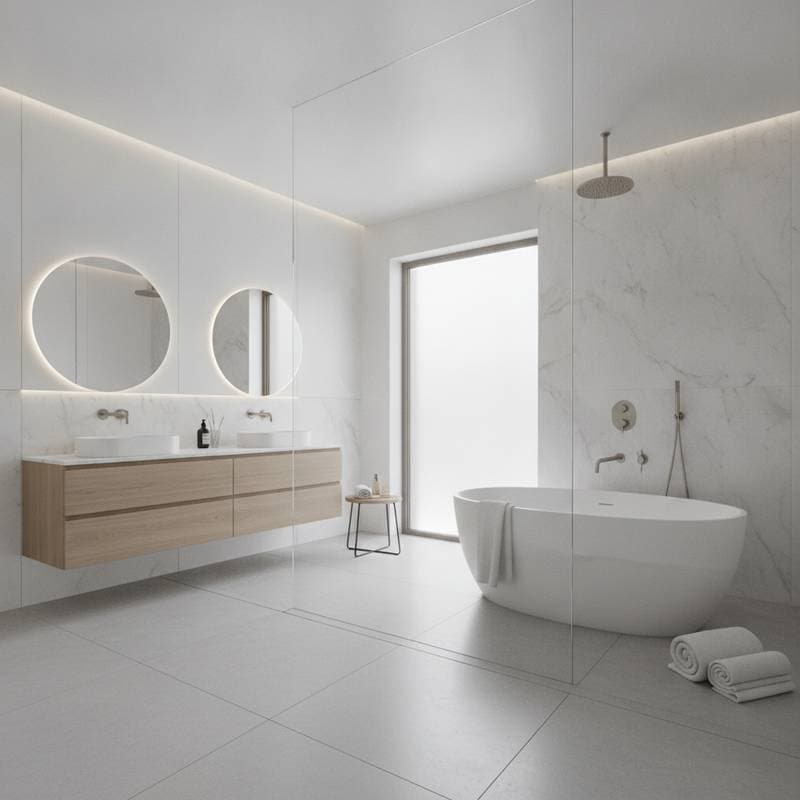
- Consider a partial glass partition to contain splashes without enclosing the space.
- Balance illumination with diffused overhead lights suitable for grooming tasks.
Planning Your Wet Room Project
Evaluate your upcoming remodel with a wet room in mind to elevate both usability and market positioning. While the upfront expense exceeds that of conventional showers, the enduring benefits in resident satisfaction and financial return prove compelling. This investment distinguishes a routine refresh from a transformative enhancement that resonates with discerning buyers.
Frequently Asked Questions
What is the average return on investment for a wet room? National data suggests an 11 percent increase in home value by 2026, depending on location and execution quality.
Can wet rooms work in older homes? Yes, provided structural assessments confirm floor load capacity; professionals often reinforce as needed.
How do I choose the right drain for my wet room? Linear drains suit larger areas for even flow, while point drains suffice for smaller spaces; consult a plumber for specifics.
Are wet rooms suitable for families with young children? They are, with added non-slip surfaces and optional screens to manage water spread.
What maintenance routine do wet rooms require? Weekly cleaning, annual grout inspections, and prompt debris clearance from drains ensure longevity.