
Understanding Wet Rooms and Their Value Proposition
A wet room represents a fully integrated bathroom design where the shower area merges seamlessly with the rest of the space, eliminating traditional enclosures. This approach creates a spacious, contemporary feel while enhancing accessibility for all users. By 2026, industry projections indicate that incorporating a wet room could elevate a home's resale value by up to 15 percent, driven by growing demand for low-maintenance, inclusive living spaces.
Homeowners benefit from this upgrade through improved daily functionality and broader market appeal. Buyers increasingly seek properties that accommodate aging in place or diverse mobility needs without compromising aesthetics. Proper execution ensures the investment yields long-term returns, transforming a standard bathroom into a premium feature.
Key Design Principles for Wet Rooms
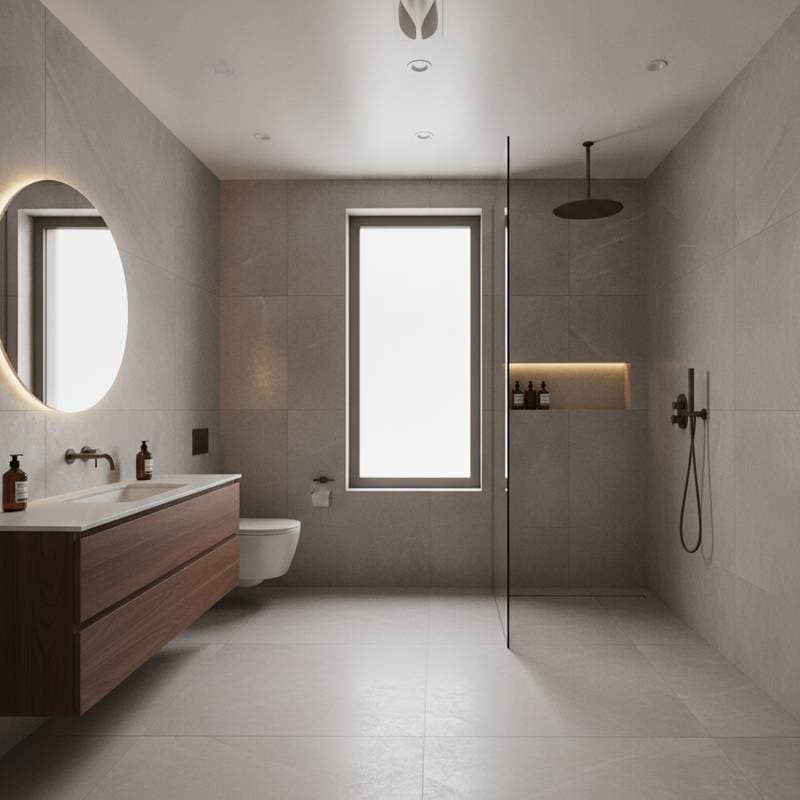
Effective wet room design begins with a level floor that slopes gently toward the drain, typically at a one percent gradient, to facilitate water runoff. Walls and floors require comprehensive waterproofing membranes to prevent leaks and mold growth. Select non-slip tiles or textured surfaces to maintain safety, especially in high-moisture environments.
Incorporate ample lighting and ventilation to enhance usability. Recessed or overhead fixtures provide even illumination, while a powerful exhaust fan removes humidity quickly. These elements not only improve comfort but also contribute to the perceived luxury that justifies the value increase.
Material Selection Strategies
Choose materials that align with your budget and desired aesthetic. Porcelain or ceramic tiles offer durability at a lower cost, resisting water damage effectively when sealed properly. For a more upscale look, natural stone like marble or slate adds elegance, though it demands regular maintenance to preserve its appearance.
Consider glass screens or partitions if partial enclosure appeals, ensuring they feature frameless designs for a clean profile. Fixtures such as wall-mounted toilets and vanities save space and simplify cleaning, further boosting the room's efficiency and appeal to potential buyers.
Waterproofing and Installation Essentials
Waterproofing forms the cornerstone of any wet room project. Apply tanking systems, which include liquid membranes or sheet barriers, across all surfaces exposed to water. Professionals recommend testing the system with a flood test before final tiling to identify potential weaknesses.
Plumbing adjustments may involve relocating drains or upgrading pipes to handle increased flow. Ensure compliance with local building codes, which often mandate specific drainage capacities and ventilation standards. These steps safeguard structural integrity and avoid costly repairs down the line.
Accessibility Considerations
To qualify a home as accessible, adhere to guidelines such as those from the Americans with Disabilities Act. Maintain a zero-threshold entry to the shower area, with doorways at least 32 inches wide. Install grab bars at strategic heights, typically 33 to 36 inches from the floor, using reinforced mounting for stability.
If you plan to market the home as accessible, verify threshold height and grab bar placement during the design phase. These features extend usability to elderly residents or those with mobility challenges, significantly enhancing marketability and contributing to the projected value uplift.
Cost Analysis and Return on Investment
Installation costs for a wet room range from $10,000 to $30,000, depending on size, materials, and location. Budget-friendly options focus on basic tiling and standard fixtures, while premium setups include heated floors and smart controls. Factor in potential savings from reduced water usage due to efficient shower heads.
The return on investment materializes through higher resale prices and faster sales times. Real estate experts predict a 15 percent premium by 2026 as sustainable, adaptable homes gain favor. Conduct a pre-project appraisal to baseline your home's value and track improvements accurately.
Your Next Steps
- Inspect your current bathroom. Identify moisture issues, floor slope, and plumbing access to assess feasibility.
- Request two or three quotes. Ask each contractor for a line-item breakdown including waterproofing materials and labor hours.
- Decide your finish level. Choose between ceramic for budget control or stone for luxury appeal.
- Plan your timing. Confirm tile lead times and contractor availability to avoid delays.
- Set a maintenance schedule. Log sealing and inspection dates from day one to ensure longevity.
Securing Long-Term Benefits
A well-planned wet room delivers ongoing comfort and elevates your property's worth. Prioritize thorough waterproofing and durable materials to balance initial costs with enduring performance. This upgrade positions your home as a forward-thinking choice in a competitive market.