Understanding Induction Cooktops and Their Value
Induction cooktops represent a modern advancement in kitchen technology. These appliances use electromagnetic fields to heat cookware directly, bypassing traditional heating elements. Homeowners increasingly choose them for their precision and efficiency in daily cooking tasks.
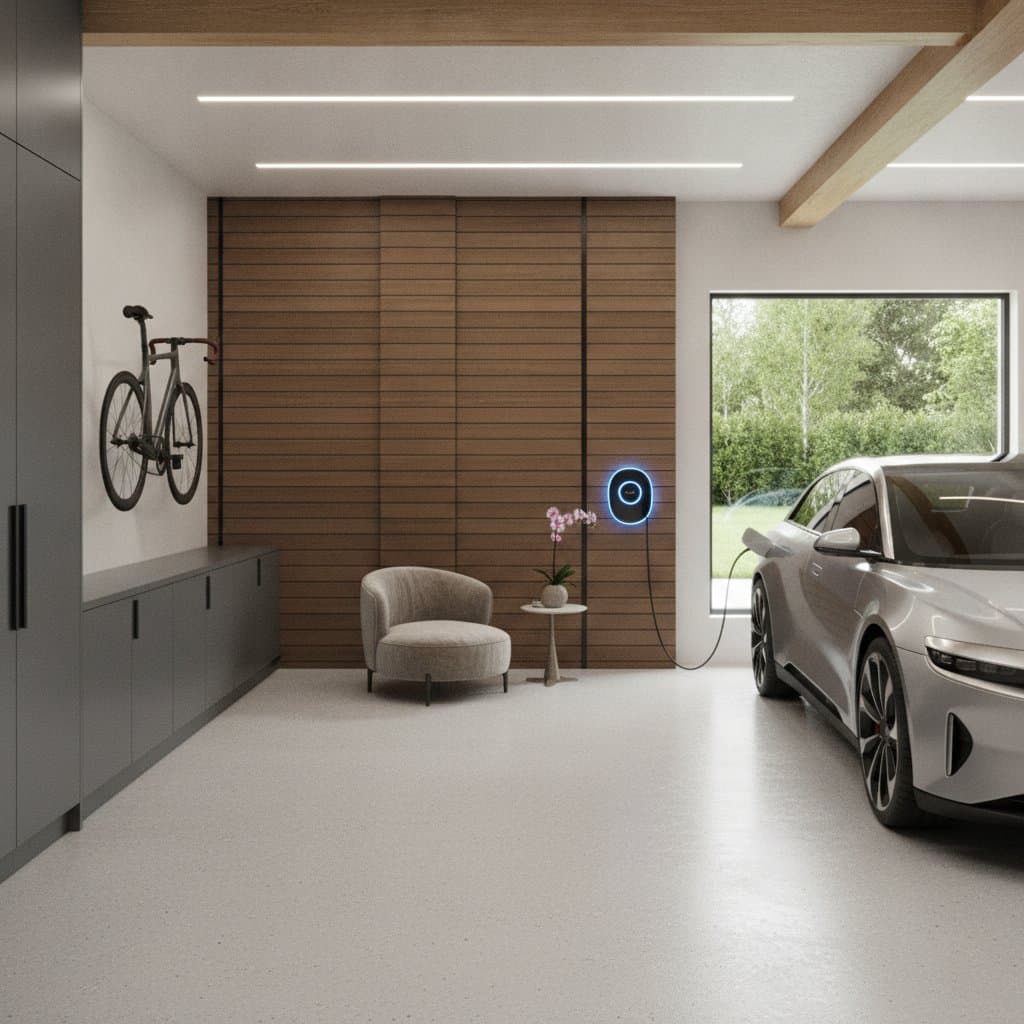
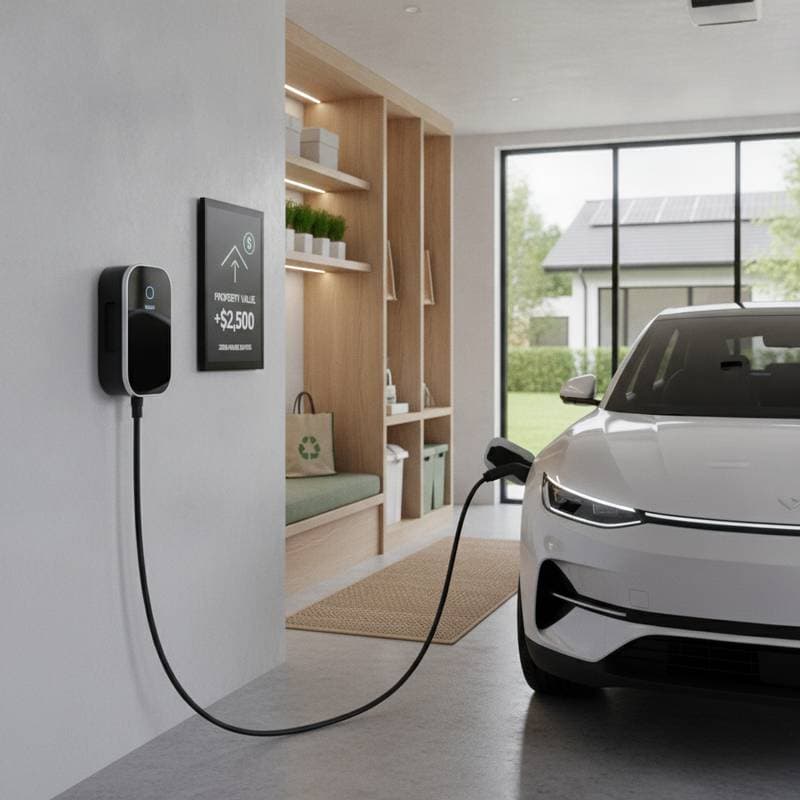
The appeal lies in their ability to integrate seamlessly into contemporary kitchen designs. With smooth glass surfaces, they offer a sleek appearance that enhances aesthetic value. As electric vehicle adoption grows, induction models align with broader shifts toward sustainable home features.
Key Benefits of Induction Cooktops
Induction cooktops provide superior energy efficiency compared to gas or electric coil models. They transfer heat almost instantly to compatible pots and pans, reducing energy waste. This efficiency translates to lower utility bills over time, often by 10 to 20 percent in household cooking scenarios.
Safety features set induction apart from other options. The surface remains cool to the touch unless a ferromagnetic pan is present, minimizing burn risks. Automatic shut-off functions activate if cookware is removed, adding an extra layer of protection for families with children or elderly members.
Cooking performance excels with rapid boiling and precise temperature control. Water reaches a boil in under two minutes on high settings, far quicker than conventional methods. Chefs appreciate the responsive adjustments that prevent overcooking delicate sauces or simmering soups.
Resale Value and Return on Investment
Data from recent real estate analyses indicate that induction cooktops recoup approximately 78 percent of their installation costs upon home sale by 2026. This high recovery rate stems from rising buyer preferences for energy-efficient appliances. In markets transitioning to all-electric standards, such upgrades command premium prices.
The return on investment extends beyond resale. Initial costs range from $1,000 to $5,000 depending on size and features, but rebates from utility companies can offset up to 30 percent. Long-term savings on energy bills further improve the overall ROI, often reaching break-even within five years.
Market trends support this projection. Surveys show that 65 percent of prospective buyers prioritize eco-friendly kitchen features. Properties with induction cooktops sell 15 percent faster in urban areas with strict emissions regulations.
Energy Savings and Sustainability
Induction technology consumes less power by focusing heat where it is needed. Traditional stoves lose energy through radiant heat, but induction directs nearly 90 percent of energy to the food. This precision reduces greenhouse gas emissions, appealing to environmentally conscious homeowners.
Pairing induction cooktops with solar panels amplifies savings. Excess solar energy powers cooking during peak daylight hours, potentially eliminating off-peak electricity purchases. In regions with time-of-use rates, scheduling meals aligns with lower-cost periods for additional financial benefits.
Sustainability extends to maintenance. The durable glass-ceramic surface resists scratches and stains, extending the appliance lifespan beyond 10 years. Fewer replacements mean reduced waste in landfills.
Design Integration and Aesthetic Appeal
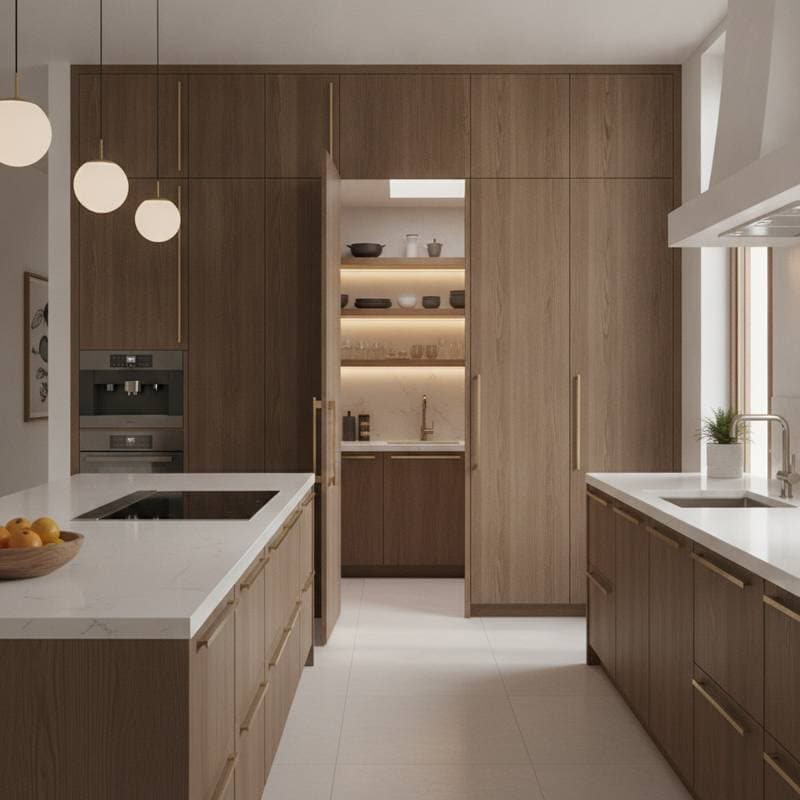
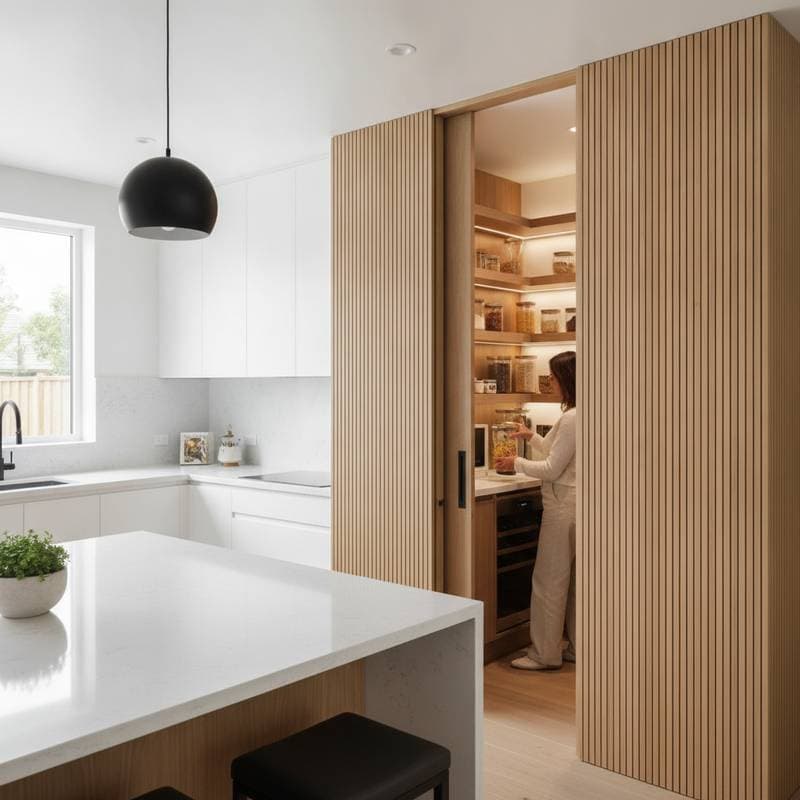
Modern induction cooktops blend into various kitchen styles, from minimalist to industrial. Available in widths from 30 to 48 inches, they fit standard cabinet cutouts with minimal modifications. Flexible zoning allows multiple dishes to cook simultaneously without fixed burners.
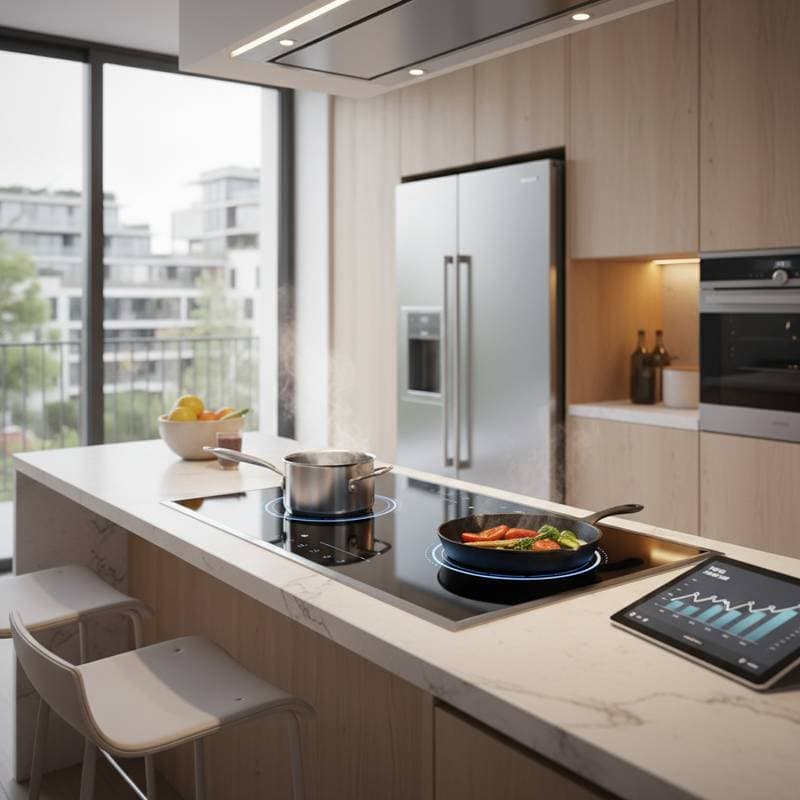
Smart features elevate usability. Wi-Fi connectivity enables remote preheating via smartphone apps. Voice control integration with assistants like Alexa simplifies hands-free operation during meal preparation.
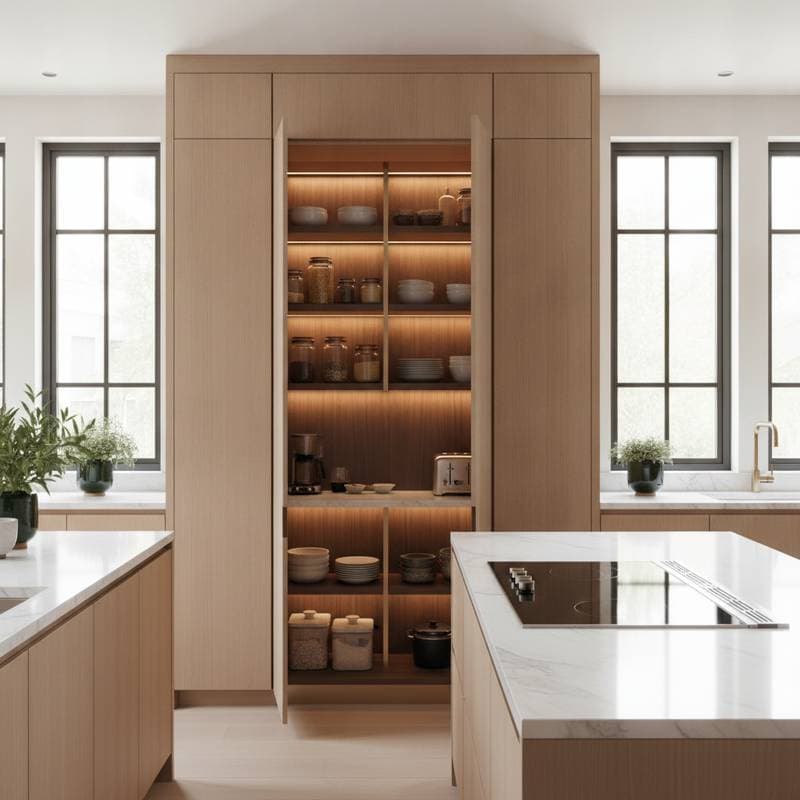
The flush-mount design creates a seamless countertop look. Homeowners report increased satisfaction with the uncluttered space, which facilitates easier cleaning. Spillages wipe away effortlessly, unlike grates on gas stoves.
Practical Installation Considerations
Professional installation ensures optimal performance and safety. Electricians verify compatibility with home wiring, often requiring a 240-volt circuit. Costs average $500 to $1,500, but many local incentives cover a portion.
Assess kitchen layout before purchase. Measure existing spaces and confirm ventilation needs, though induction produces less ambient heat than gas. Retrofitting older homes may involve panel upgrades, but these enhancements boost overall property value.
Choose models certified for energy efficiency, such as those with Energy Star ratings. Test cookware magnetism with a simple refrigerator magnet check; only compatible items work effectively. Transition gradually by acquiring induction-ready pots over time.
Navigating Rebates and Incentives
Utility providers offer rebates ranging from $200 to $1,000 for induction installations. Federal tax credits under energy efficiency programs provide additional deductions up to 30 percent of costs. Check state-specific initiatives, especially in areas promoting electrification.
Documentation simplifies claims. Keep receipts and installation certificates for rebate applications. Online portals from organizations like the Department of Energy guide users through eligibility requirements.
Timing installations with rebate cycles maximizes returns. Seasonal promotions often coincide with new model releases in spring or fall. Consult local contractors for updates on available programs.
Future-Proofing Your Kitchen
As building codes evolve toward electric-only appliances, induction cooktops position homes ahead of regulations. Cities like those in California mandate all-electric new constructions by 2026, influencing resale dynamics nationwide. Early adoption avoids costly retrofits later.
Integration with smart home ecosystems prepares kitchens for emerging technologies. Compatibility with EV chargers and battery storage creates unified energy management. Homeowners gain control over consumption patterns through app-based monitoring.
The investment yields compounding benefits. Enhanced safety, reduced bills, and higher resale values create a compelling case for upgrades. Kitchens equipped with induction become hubs of efficiency and innovation.
Steps to Upgrade Your Kitchen Today
Evaluate current cooking needs and budget constraints. Research models from reputable brands like Bosch or GE, focusing on warranty lengths and user reviews. Schedule a consultation with a certified installer to discuss feasibility.
Apply for rebates promptly to secure funding. Test a portable induction burner for hands-on experience before committing. Track energy usage pre- and post-installation to quantify savings.
This strategic approach transforms kitchens into valuable assets. Homeowners realize immediate practical gains alongside long-term financial and environmental rewards.