Zero-Threshold Showers: An 11 Percent Increase in Home Resale Value
Average installation cost: $8,500, delivering returns that elevate resale value by up to 11 percent.
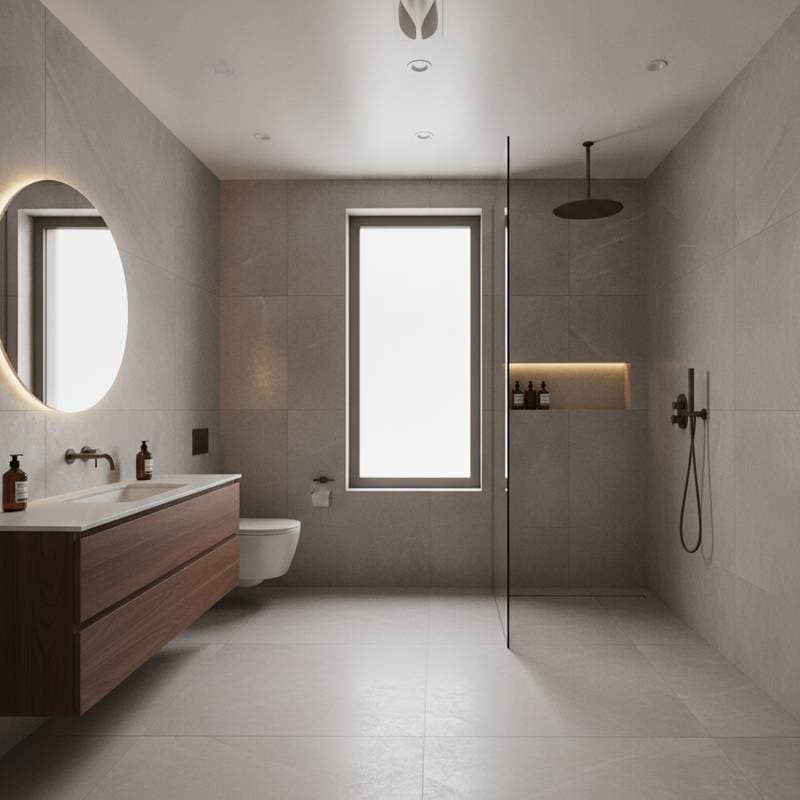
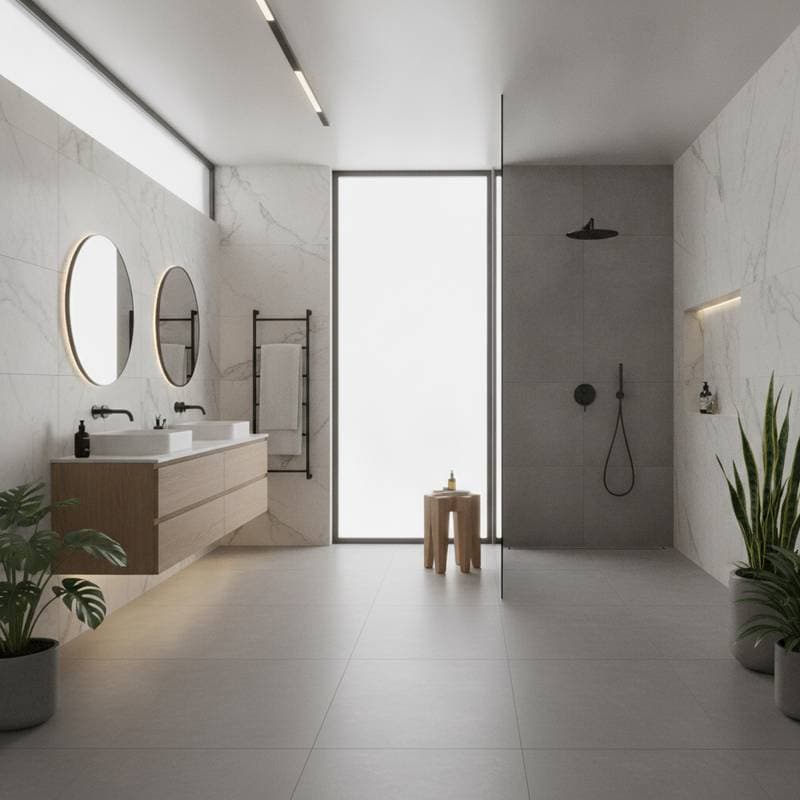
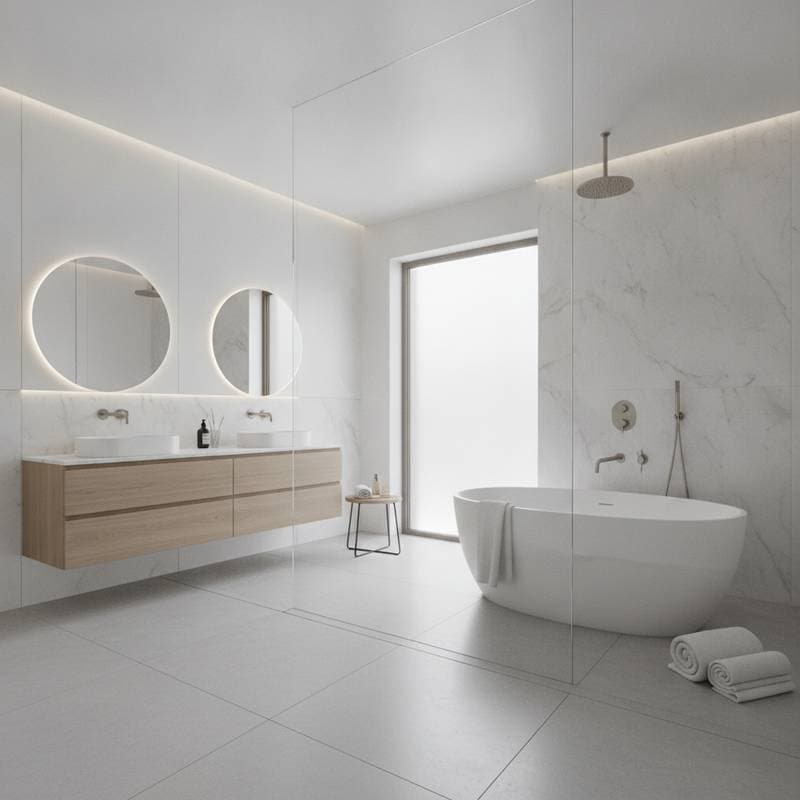
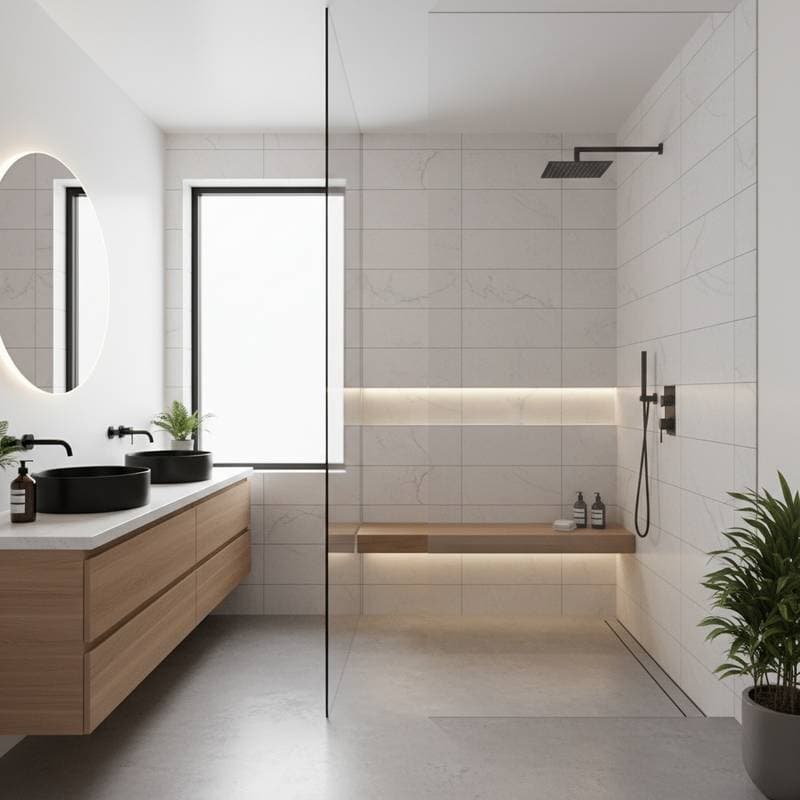
Zero-threshold showers represent a fusion of contemporary aesthetics and practical functionality. These installations enhance bathroom safety, simplify cleaning routines, and appeal to prospective buyers who prioritize universal accessibility. Homeowners planning to remain in their residence long-term or seeking a versatile bathroom configuration find that this modification yields substantial benefits in daily comfort and property equity.
Factors Influencing Installation Costs
The expense of a zero-threshold shower depends on several essential elements that affect both the initial outlay and the installation's enduring quality.
Materials Selection
- Tile and flooring options: Prices range from $4 to $15 per square foot. Opt for large-format porcelain tiles to minimize grout lines and reduce labor requirements. Slip-resistant surfaces incur an additional 10 percent premium, yet they provide essential safety advantages.
- Shower base or pan choices: Pre-sloped pans begin at $400, whereas custom-poured alternatives may extend to $1,500.
- Glass enclosures and panels: Frameless designs cost $900 to $2,000, varying by dimensions and glass thickness.
Labor Requirements
Plumbing adjustments and waterproofing applications account for approximately half of the overall budget. Allocate $3,000 to $5,000 for qualified labor. Demolition and disposal of an existing tub or curb contribute an extra $500 to $1,200.
Dimensions and Configuration
A conventional shower measures 3 feet by 5 feet. Transitioning to a larger walk-in wet area with unified drainage elevates plumbing expenses by 15 to 20 percent. In compact bathrooms, incorporate a linear drain, which adds $300 to $600 to the total.
Accessibility and Structural Modifications
In older structures, subfloor reinforcement ensures adequate slope and waterproofing integrity. Reserve $400 to $800 for adjustments to floor joists if necessary.
Regulatory Compliance
Local authorities typically mandate a plumbing permit for comprehensive shower conversions. Associated fees fall between $100 and $300. Inspections verify proper slope, sufficient drain capacity, and adherence to waterproofing standards.
Debris Management and Supplementary Features
Removal of existing tiles and waste disposal incurs $200 to $400. Optional enhancements, such as integrated benches, support grab bars, and adjustable showerheads, range from $100 to $600 per item.
Evaluating DIY Approaches Versus Professional Services
Scenarios Suitable for DIY Efforts
Individuals with a stable subfloor and proficiency in tiling and waterproofing may undertake this project using a pre-sloped shower kit. Completion requires 4 to 6 weekends. Essential tools include a wet saw, trowels with mixing implements, a waterproofing membrane accompanied by seam tape, tile spacers with a leveling system, and protective equipment such as gloves, goggles, and knee pads.
Potential DIY Challenges: Inadequate slope or flawed waterproofing invites leaks, fostering mold growth and subfloor deterioration. Remediation expenses often surpass the cost of professional involvement.
Indications for Professional Engagement
Engage a licensed contractor under these conditions:
- Existing plumbing demands relocation exceeding 6 inches.
- Subfloor exhibits rot or irregular joists.
- Custom tile patterns or intricate drainage systems are desired.
- Permit acquisition or inspection approval is required.
Professionals guarantee compliance with building codes regarding pitch, membrane sealing, and drain efficiency. Such precision proves vital for showers intended to accommodate users with mobility impairments.
Upkeep and Coverage Options
Proper maintenance extends the lifespan of a zero-threshold shower to several decades. The primary focus remains on containing water within designated areas.
Essential Upkeep Practices
- Reapply sealant to grout lines annually or biennially.
- Employ cleaners with neutral pH to safeguard waterproof membranes.
- Regularly clear the drain cover to avoid water accumulation.
- Promptly address loose tiles or deteriorated caulk.
Available Warranties
- Tile installations and waterproofing components: Coverage extends to 10 years when executed by certified installers.
- Glass elements and fixtures: Protection lasts 3 to 5 years against manufacturing defects.
- Heated flooring systems or automated controls: Separate warranties reach up to 10 years for electrical elements.
Retain all documentation and warranty information. Numerous manufacturers stipulate evidence of professional installation to validate claims.
Integrating Designs for Long-Term Livability
Zero-threshold showers facilitate sustained autonomy without compromising visual appeal, thereby contributing to enhanced property valuation.
Strategic Design Elements
- Mount grab bars using concealed plates to maintain a streamlined appearance.
- Incorporate a foldable bench or fixed seat positioned at 17 to 19 inches in height.
- Select handheld showerheads equipped with adjustable slide bars.
- Utilize floor tiles with contrasting colors to delineate boundaries for individuals with visual impairments.
- Ensure enclosure doorways measure at least 36 inches in width.
These features promote safety for all occupants, beyond those facing mobility constraints. Real estate professionals observe that bathrooms with accessibility provisions draw broader buyer interest, accounting for the observed 11 percent uplift in resale value.
Durability Considerations and Potential Issues
Initial Points of Failure
- Grout and caulk connections degrade due to fluctuations in humidity.
- Drain gaskets may loosen if the slope lacks precision.
- Seals around glass elements erode from exposure to cleaning agents.
Conduct biannual inspections of all seals. Maintain a compact repair kit containing caulk, grout protectant, and drain tools.
Strategies for Prolonged Service
- Apply a squeegee post-use to reduce mineral deposits.
- Steer clear of acidic substances that erode tile finishes.
- Regulate indoor humidity levels to preserve grout and joint integrity.
Adherence to these protocols ensures the shower remains leak-proof and visually appealing over extended periods.
Steps to Implement Your Upgrade
- Evaluate the current bathroom setup. Determine existing floor slope, plumbing positions, and entry dimensions.
- Establish a feasible budget. Anticipate $8,000 to $10,000, incorporating a 15 percent buffer for unforeseen expenses.
- Select an appropriate tier. Determine basic, intermediate, or luxury specifications based on anticipated residency duration.
- Identify qualified professionals. Seek contractors with expertise in curbless designs and advanced waterproofing techniques.
- Procure materials in advance. Verify delivery timelines for tiles and glass to prevent delays.
- Review incentives and regulations. Investigate local tax credits or rebates for accessibility improvements.
- Schedule the project timeline. Coordinate with your contractor to align installation with minimal household disruption, ensuring a seamless transition to enhanced living spaces.