Aging-in-Place Bathrooms Add 15% to Home Value
Homeowners often seek ways to enhance property value while improving daily living. Aging-in-place bathroom renovations achieve both goals by integrating accessibility features with contemporary design. These upgrades can increase resale value by up to 15 percent, according to industry assessments, making them a smart investment for long-term residency or future sales.
The concept of aging in place refers to modifying living spaces to support independence as individuals age. Bathrooms present particular challenges due to elements like slippery floors and high tubs. Thoughtful renovations address these issues, creating environments that prioritize safety without sacrificing style.
Understanding Aging-in-Place Design Principles
Aging-in-place design focuses on universal accessibility, ensuring spaces accommodate varying mobility levels. This approach draws from guidelines established by organizations dedicated to home modifications for seniors. Key principles include lever-style handles, wide doorways, and non-slip surfaces, all of which reduce fall risks.
These designs benefit not only older adults but also families with young children or individuals with temporary injuries. By incorporating such features early, homeowners avoid costly retrofits later. The result is a versatile bathroom that evolves with life stages.
Professionals recommend starting with a professional assessment to identify specific needs. Factors like current layout, user height, and usage patterns influence customization. This foundational step ensures renovations align with practical requirements.
Essential Features for Safe and Stylish Bathrooms
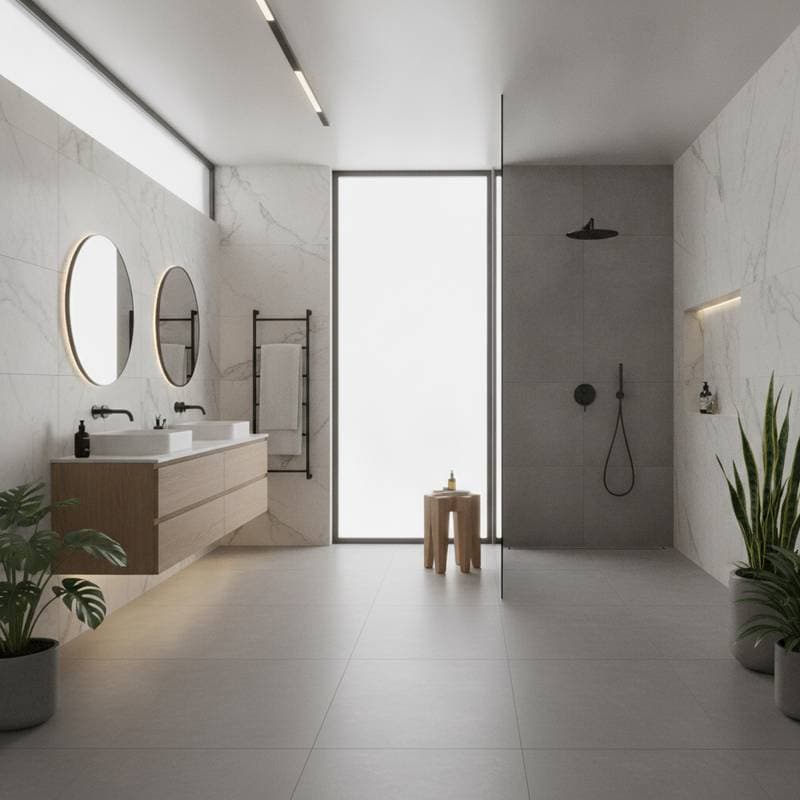
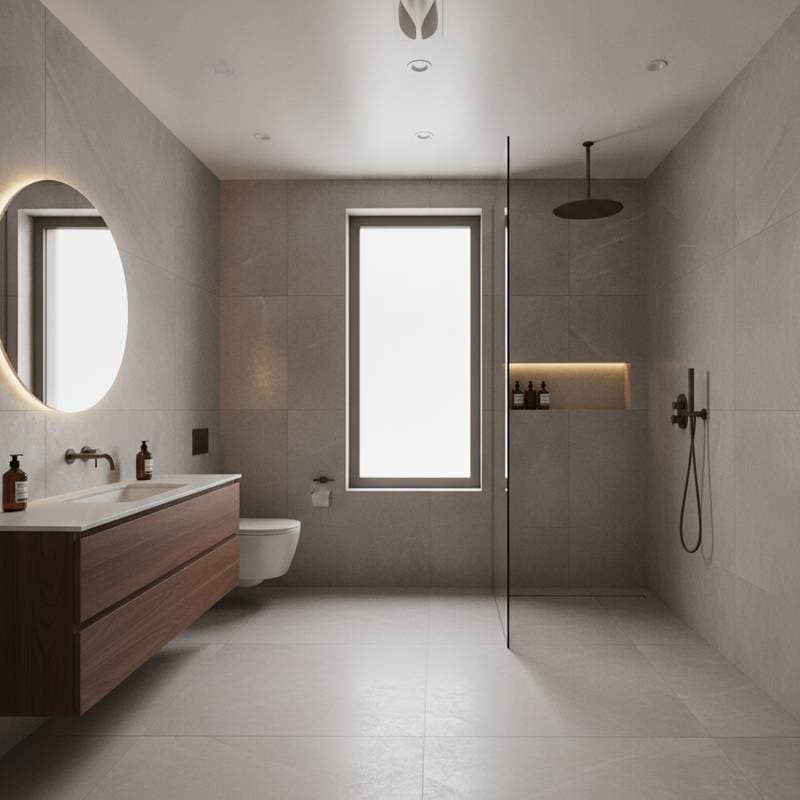
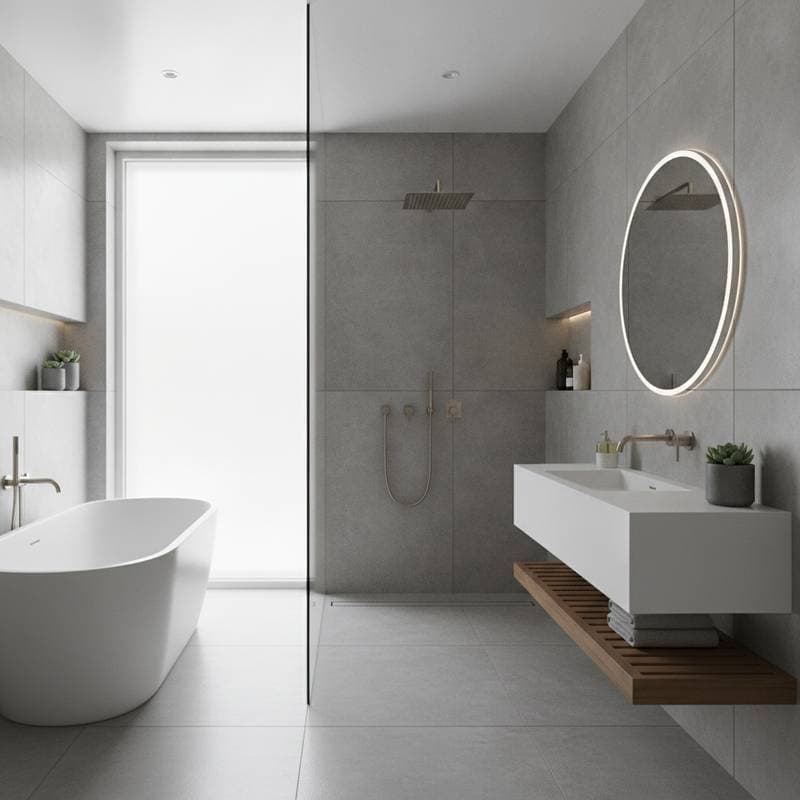
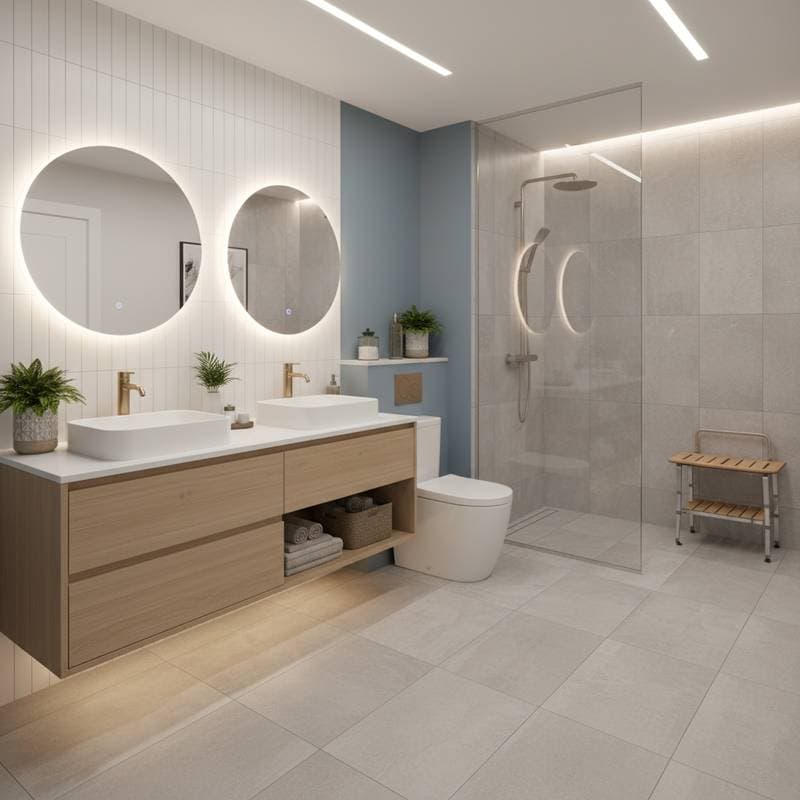
Curbless showers represent a cornerstone of aging-in-place bathrooms. These entry-level designs eliminate tripping hazards associated with traditional shower curbs. Installation involves sloping the floor gently toward the drain, creating a seamless transition from the bathroom floor.
Comfort-height toilets provide another vital upgrade. Positioned at 17 to 19 inches from the floor, they reduce strain during sitting and standing compared to standard 15-inch models. Pair these with grab bars installed near the toilet for added support, blending functionality with a clean aesthetic.
Slip-resistant flooring options, such as textured porcelain tiles or vinyl with high traction ratings, minimize accident risks. Select materials that coordinate with overall decor to maintain visual appeal. Lighting plays a crucial role too; motion-sensor lights and magnified mirrors enhance visibility for tasks like grooming.
Lever faucets and touchless fixtures simplify operation for those with limited dexterity. These elements install easily in existing vanities, offering immediate improvements. Together, they transform bathrooms into havens of comfort and security.
Integrating Modern Aesthetics with Accessibility
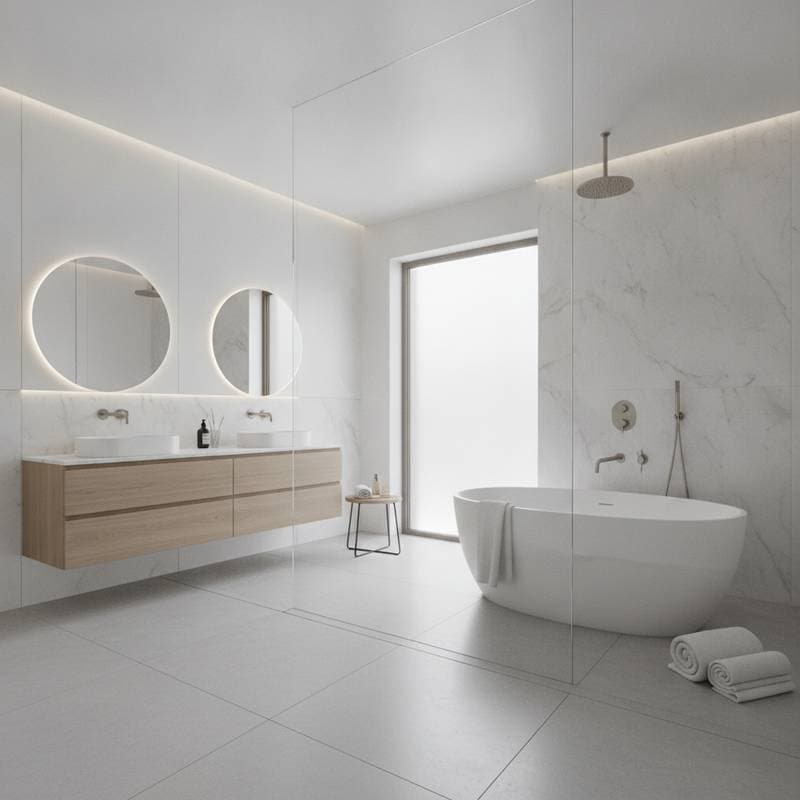
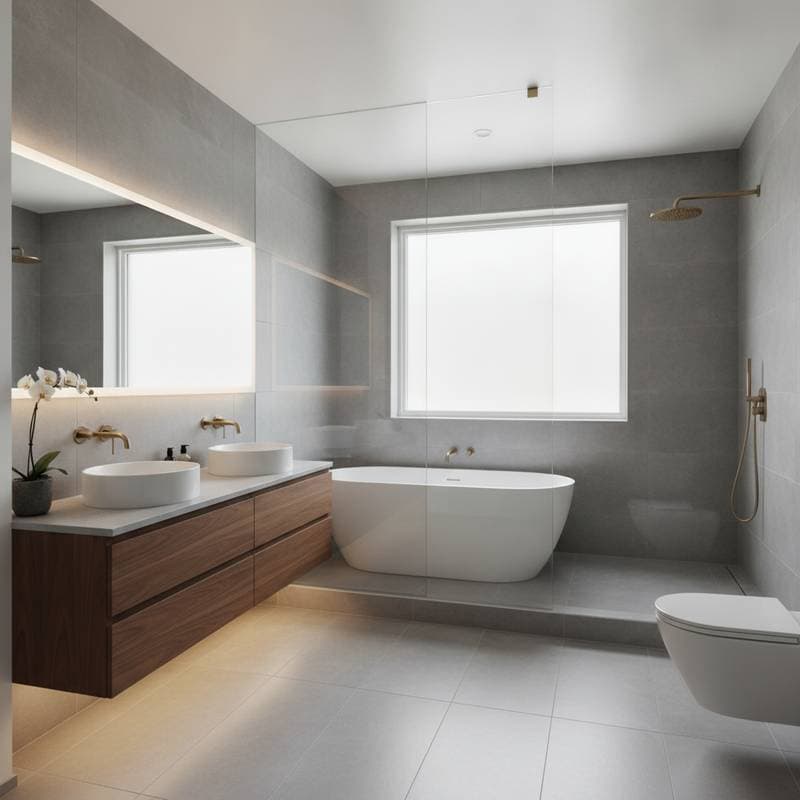
A common misconception holds that accessible bathrooms must appear clinical or outdated. In reality, designers now blend universal design with luxury finishes. For instance, frameless glass enclosures around curbless showers add a spa-like quality while ensuring safety.
Neutral palettes with bold accents create inviting atmospheres. Incorporate storage solutions like pull-out shelves in vanities to keep essentials within reach. Wall-mounted sinks free up floor space, facilitating easier cleaning and wheelchair access if needed.
Heated floors provide warmth underfoot, especially beneficial in cooler climates. Combine these with rainfall showerheads for a relaxing experience. Such integrations demonstrate how accessibility enhances rather than detracts from modern living.
Homeowners can explore tile patterns that mimic natural stone for durability and elegance. Matte finishes reduce glare, supporting eye comfort. These choices ensure the bathroom remains a focal point of home appeal.
Actionable Steps to Implement Upgrades
Begin by evaluating your current bathroom setup. Measure door widths, fixture heights, and floor space to pinpoint modifications. Consult certified aging-in-place specialists, such as those affiliated with the National Association of Home Builders, for expert guidance.
Develop a prioritized list of changes based on budget and urgency. Start with high-impact, low-cost updates like adding grab bars or replacing faucets. Allocate funds for larger projects, such as shower conversions, which typically range from $5,000 to $15,000 depending on scope.
Select contractors experienced in universal design to oversee installation. Review portfolios for examples of seamless accessibility integrations. Obtain multiple quotes to compare quality and pricing, ensuring work adheres to local building codes.
After completion, test features for usability. Adjust lighting or hardware as necessary to optimize comfort. Document the renovations with before-and-after photos, which prove value additions during appraisals.
Realizing Long-Term Benefits and Value Boost
Investing in an aging-in-place bathroom yields immediate daily advantages, from reduced injury risks to effortless maintenance. Over time, these enhancements support prolonged independent living, potentially delaying the need for assisted care facilities.
From a financial perspective, the 15 percent value increase stems from broader market appeal. Prospective buyers appreciate homes equipped for diverse needs, shortening sale times and commanding higher offers. Appraisers recognize these upgrades as permanent improvements that elevate overall property quality.
Families gain peace of mind knowing the space adapts to changing circumstances. Whether hosting multigenerational gatherings or accommodating health shifts, such bathrooms foster inclusivity. Ultimately, these renovations represent a forward-thinking commitment to well-being and equity.