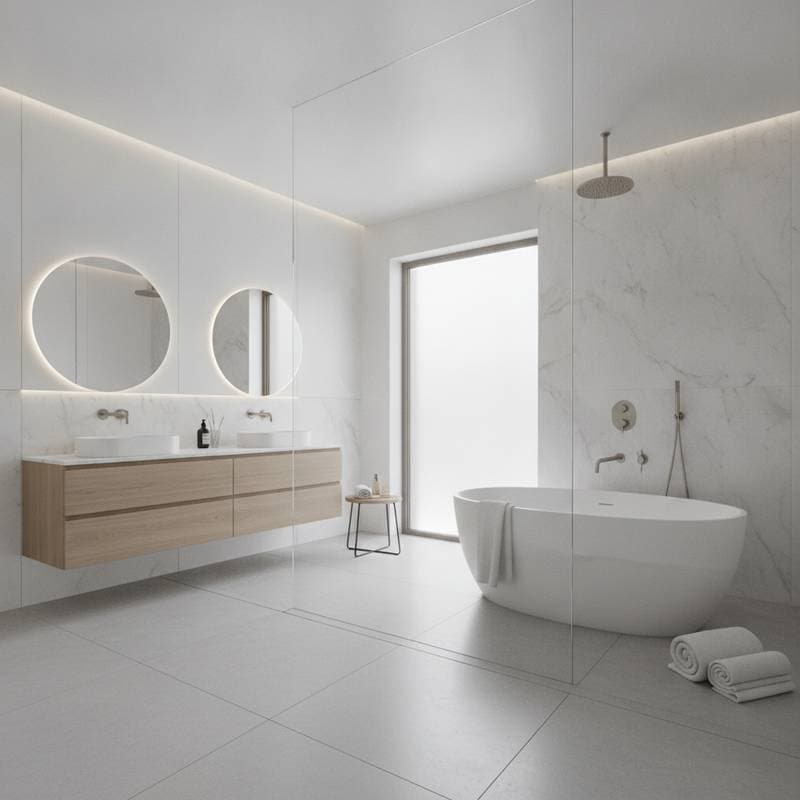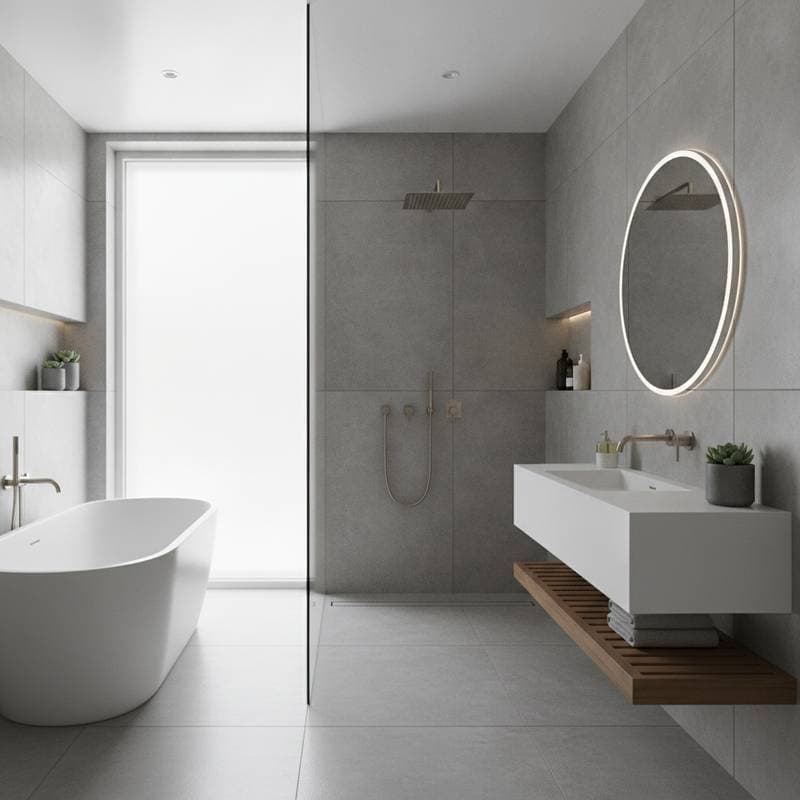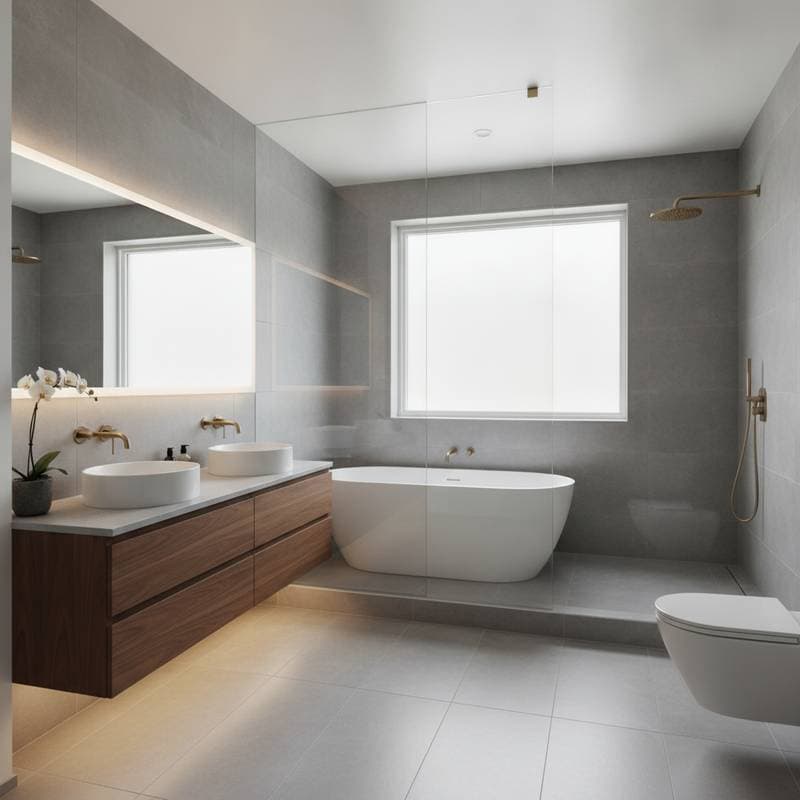

Unlock 15% Home Value Growth Through Aging-in-Place Bathroom Upgrades by 2026
Homeowners increasingly prioritize bathrooms that support long-term living. These accessible designs not only enhance daily safety and convenience but also position properties favorably in competitive markets. Projections indicate that such remodels could elevate overall home values by up to 15% by 2026, driven by demand from aging populations and multigenerational households.
The average cost for a comprehensive accessible bathroom renovation ranges from $18,000 to $28,000. This investment yields immediate usability improvements alongside substantial resale benefits. Factors such as location, existing layout, and chosen features influence the final price, but strategic planning ensures optimal returns.
Key Cost Components
Several elements determine the total expense of an aging-in-place bathroom project. Understanding these helps in creating a realistic budget.
Materials Selection:
High-quality, durable options form the foundation of accessibility. Slip-resistant flooring costs $3 to $9 per square foot, while curbless shower bases range from $1,000 to $3,000. Opt for solid-surface walls and low-maintenance tiles to balance durability with aesthetics.
Labor Expenses:
Skilled professionals handle the intricacies of accessibility modifications. Rates for licensed contractors fall between $70 and $120 per hour. Structural adjustments, such as widening doorways, may increase these costs due to the need for specialized expertise.
Plumbing and Electrical Updates:
Relocating drains for zero-threshold entries or installing adjustable-height fixtures adds $1,500 to $3,500. Incorporate ground-fault circuit interrupter outlets and motion-sensor lighting to meet safety standards without exceeding budget limits.
Permits and Inspections:
Local regulations often mandate approvals for any plumbing, electrical, or structural work. Allocate $300 to $800 for these requirements to avoid delays or fines.
Optional Enhancements:
Features like radiant heated floors or built-in storage niches can contribute $2,000 to $5,000. While these elevate comfort, focus first on core safety elements such as reinforced grab bars and lever-handled faucets.
DIY Options Versus Professional Services
Certain tasks suit hands-on homeowners, provided they possess basic skills and tools. However, complex changes demand expert intervention to ensure code compliance and longevity.
Suitable DIY Projects:
- Securely install grab bars by locating wall studs and using appropriate anchors.
- Swap out standard faucets for touchless or lever-style models.
- Apply mold-resistant paint to walls and ceilings for improved hygiene.
Projects Requiring Professionals:
- Reposition plumbing lines or electrical conduits.
- Remove and replace bathtubs with walk-in showers.
- Modify load-bearing elements or install reinforced framing.
Engage certified plumbers and electricians to safeguard against liabilities. Professional installation also preserves warranties and prevents issues like leaks or electrical hazards that could arise from amateur efforts.
Project Timeline and Cost-Saving Strategies
Most aging-in-place bathroom renovations span 2 to 5 weeks, accounting for material procurement and regulatory approvals. Delays often stem from custom fixture backorders, so initiate sourcing well in advance.
To optimize expenses:
- Combine the project with other home updates to achieve 10 to 15 percent savings on labor.
- Inquire about rebates for water-efficient fixtures or energy-saving lighting through local utility programs.
- Schedule during slower seasons, such as winter, when contractors offer competitive pricing.
Older homes may reveal unforeseen challenges, like corroded pipes or uneven subfloors. Reserve an additional 10 to 15 percent of the budget for such contingencies to maintain project momentum.
Long-Term Care and Protection
Preserving the investment requires consistent upkeep. Regular maintenance extends the lifespan of features and upholds safety standards.
- Clean shower enclosures and fixtures weekly using mild, non-abrasive solutions to inhibit mineral deposits.
- Inspect and recaulk seams biannually to seal against moisture intrusion.
- Retain all warranty paperwork; professional installations typically qualify for 5 to 10 years of coverage on major components.
- Upgrade exhaust fans and lighting every 7 to 10 years to sustain ventilation efficiency and illumination levels.
Prioritize robust airflow through properly sized fans to minimize mold risks and protect underlying structures.
Steps to Launch Your Renovation
Begin with a thorough evaluation of your existing space. Note door widths, lighting adequacy, and potential hazard areas like wet floors.
Establish a clear financial plan, distinguishing between essential safety measures and luxury additions. This clarity guides material choices and scope.
Solicit quotes from at least two or three vetted contractors experienced in accessibility work. Review their portfolios for similar installations and confirm familiarity with local permitting processes.
Secure specialty items early, as delivery for items like adjustable vanities or anti-scald valves can extend 4 to 6 weeks.
Consider broader applicability: universal design principles accommodate varying needs, from young families to seniors, enhancing the home's versatility.
Aging-in-place bathrooms transcend age-specific utility. They deliver enduring safety, refined comfort, and elevated market positioning. Initiate your project amid current material stability to secure both personal independence and financial gains.