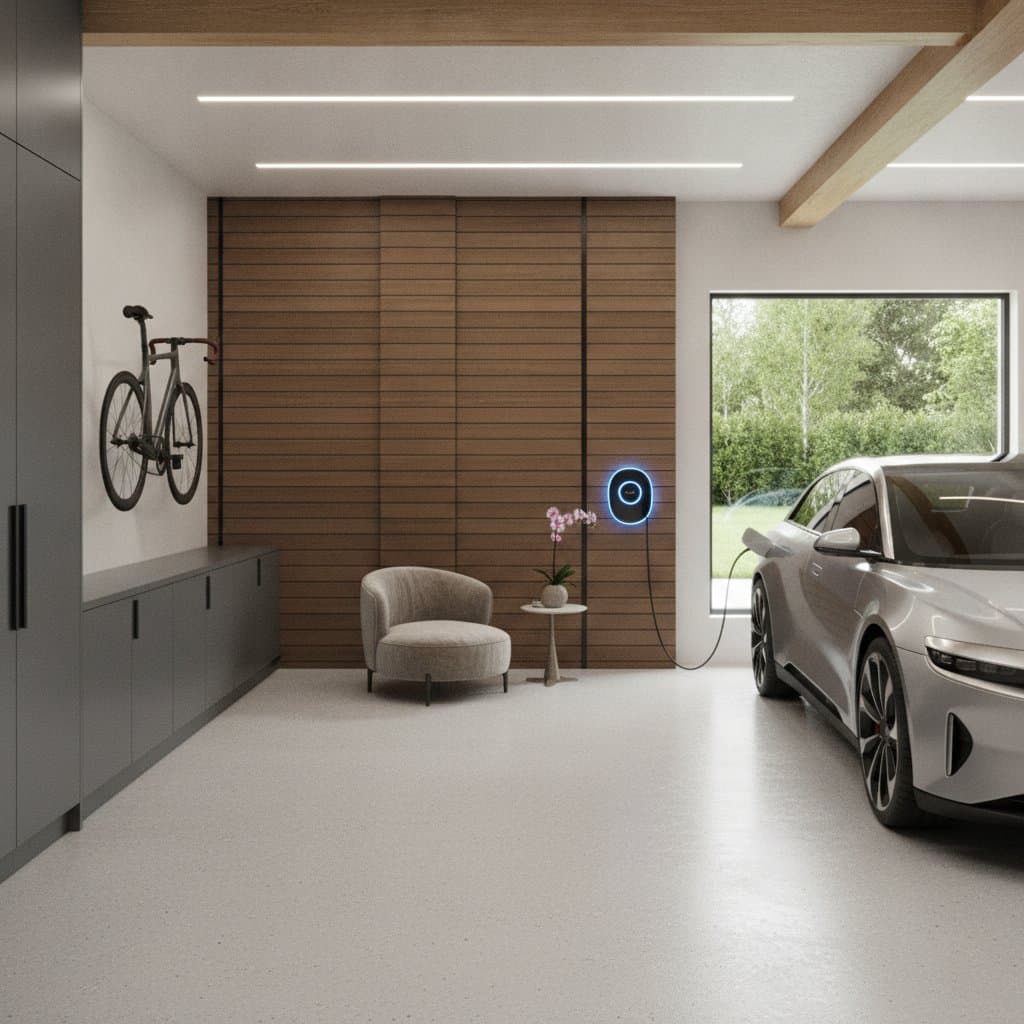
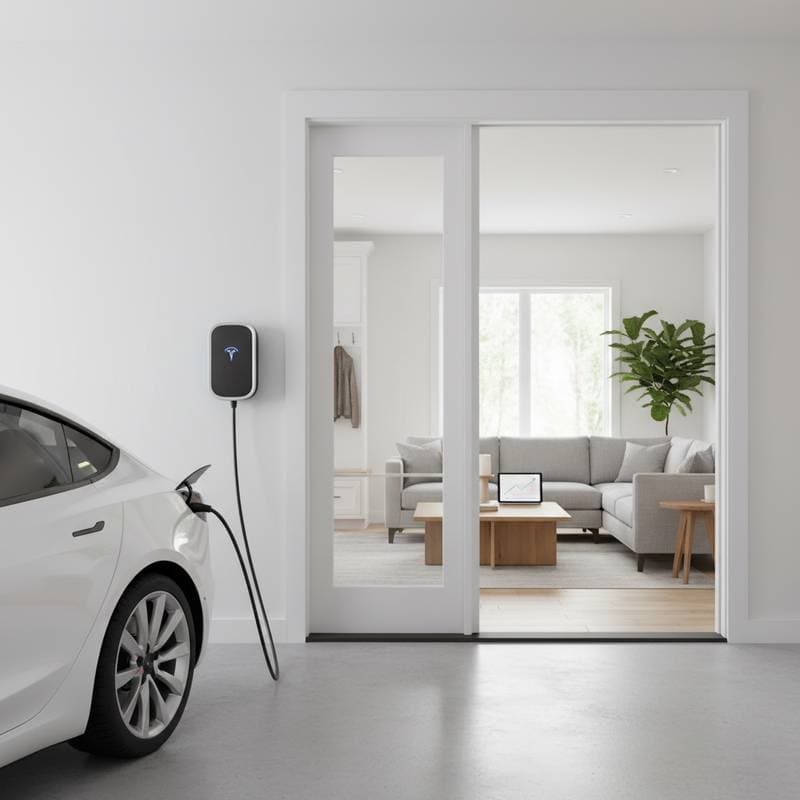
- Installation specifics: Exterior chargers demand weather-resistant enclosures and secure hardwiring, incurring an additional $150 to $400.
Allocate an additional 10 to 15 percent of the budget to account for unforeseen issues, such as those in older structures or intricate wiring configurations.
Handling Installation: DIY Options Versus Professional Services
Suitable DIY responsibilities: Individuals may manage tasks like securing the charger to the wall, arranging basic conduit paths, or configuring Wi-Fi integration. Procurement of the charger, acquisition of permits, and mapping cable routes also fall within feasible self-directed efforts.
Circumstances requiring professional expertise: Engage a licensed electrician for installing a new 240-volt circuit or upgrading the electrical panel. Professional intervention proves necessary for outdoor placements or installations in separate garages. Presence of aluminum wiring or outlets lacking proper grounding further mandates expert involvement. Compliance with local codes or eligibility for utility incentives often specifies licensed professionals.
Work involving live electrical panels poses risks of shock or fire hazards. A qualified electrician guarantees appropriate breaker selection, reliable grounding, and adherence to safety standards. Neglecting this precaution can lead to costly rework during inspections or compromised safety.
Project Timeline and Cost-Reduction Strategies
Most installations span 1 to 3 days, from initial setup to final inspection. Delays commonly arise from electrician availability or permit processing times. Early ordering of the charger mitigates potential shipping interruptions.
Effective methods to minimize expenses include:
- Utility incentives: Numerous providers reimburse $200 to $800 for installations featuring intelligent chargers that optimize energy use.
- Government incentives: Federal and state initiatives frequently offset 20 to 30 percent of eligible costs.
- Integrated projects: Coordinate EV charger work with solar panel additions or panel enhancements to consolidate labor and reduce fees.
- Seasonal planning: Schedule during less demanding periods, such as moderate weather months, when electrician rates tend to decrease due to lighter workloads.
The Impact on Property Appreciation
Contemporary buyers view EV compatibility on par with updated kitchens or energy-efficient heating systems. Real estate professionals observe quicker sales and reduced haggling for homes with pre-installed chargers. This enhancement typically translates to a value uplift of $3,000 to $5,000, surpassing the installation outlay.
In metropolitan or affluent neighborhoods, the premium intensifies, as prospective owners frequently own or intend to acquire electric vehicles. Beyond financial gains, the feature conveys reduced utility expenses and commitment to eco-friendly practices, priorities highlighted in recent buyer preference studies. Selecting this upgrade now avoids duplicative electrical modifications in the future, benefiting current and subsequent residents alike.
Steps to Implement Your EV Charger Upgrade
- Assess the electrical panel: Verify available amperage capacity and space for additional breakers.
- Contact the utility provider: Inquire about available rebates and lists of certified chargers.
- Obtain multiple quotes: Solicit estimates from at least three electricians, specifying their approach to permits and inspections.
- Select the appropriate charger: Opt for a Level 2 model to maximize both resale potential and practical charging efficiency.
- Time the project wisely: Arrange for installation during favorable seasons to sidestep weather complications and elevated pricing.
- Document the process: Clearly label the dedicated circuit, retain warranty information, and record permit details for future reference.
A home EV charger stands as one of the most efficient investments for elevating property worth. This modification demands less than a full bathroom renovation, concludes swiftly, and aligns your residence with the evolving preferences of tomorrow's electric vehicle owners.