Understanding Aging-in-Place Bathroom Remodels
Aging-in-place renovations focus on creating home environments that support residents as they grow older. In bathrooms, this means incorporating features that enhance safety and ease of use without sacrificing style. These updates address common challenges like mobility limitations and fall risks, making daily routines simpler and more secure.
Homeowners increasingly seek such modifications to extend their time in familiar spaces. Industry projections indicate that by 2026, properties with these adaptations will command higher prices. Buyers, including multigenerational families and older adults, prioritize homes that require minimal future alterations.
The Resale Value Advantage
Real estate trends show a rising demand for accessible homes. Aging-in-place bathrooms can elevate a property's market appeal, potentially adding 15% to its resale value by 2026. This boost stems from the growing population of seniors who prefer staying in their homes longer, coupled with younger buyers planning for long-term livability.
Data from housing reports underscores this shift. Homes with universal design elements sell faster and at premiums compared to standard layouts. Investors recognize that these features reduce renovation needs for future owners, translating to immediate financial gains.
Essential Features for Safety and Accessibility
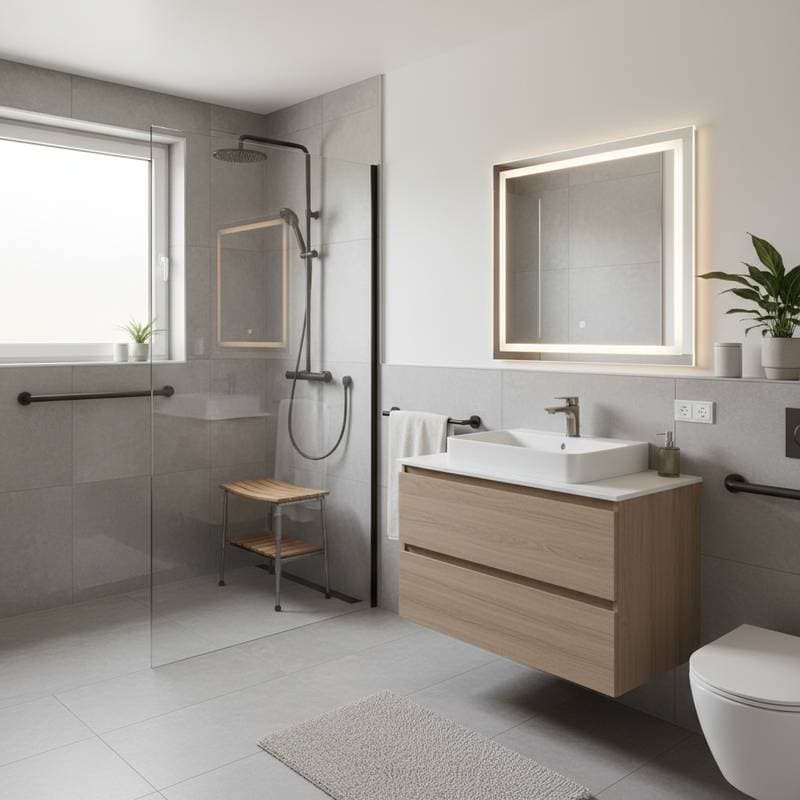
Start with grab bars installed near toilets, showers, and bathtubs. These sturdy supports provide reliable assistance during transfers, preventing slips and strains. Position them at optimal heights, typically 33 to 36 inches from the floor, for broad usability.
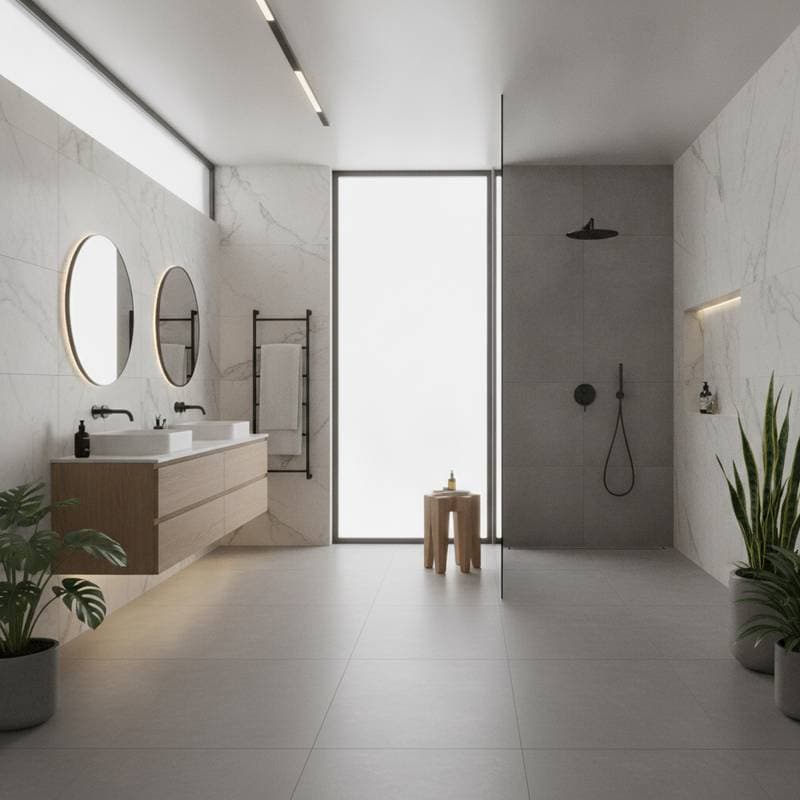
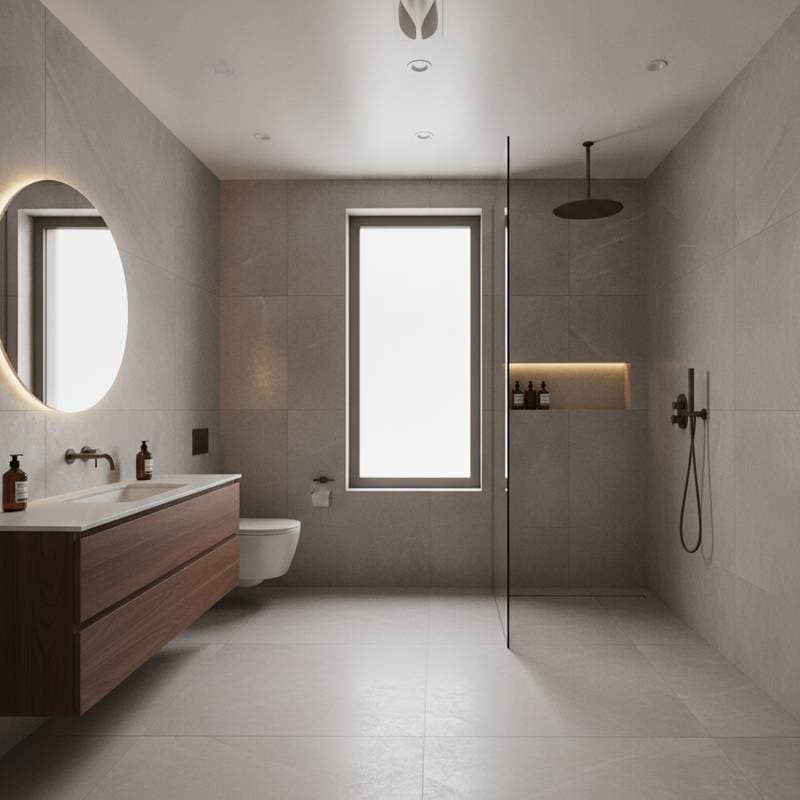
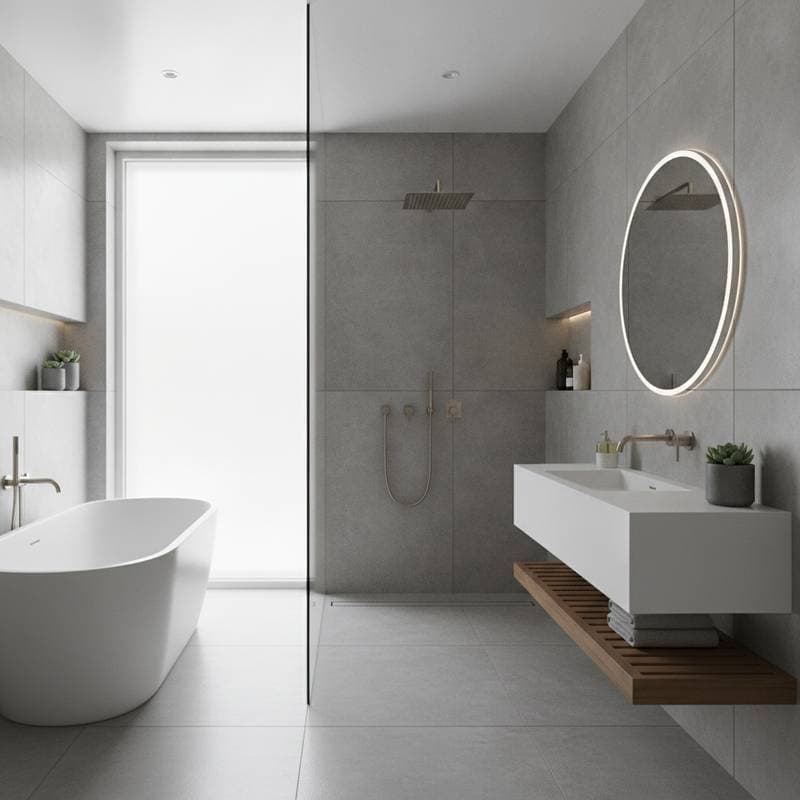
Next, consider curbless showers with wide entryways. Removing barriers allows seamless wheelchair access and reduces tripping hazards. Pair this with nonslip flooring materials like textured porcelain tiles to maintain grip even when wet.
Lever-style faucets and touchless fixtures simplify operation for those with limited dexterity. Height-adjustable vanities accommodate seated use, while lever handles on doors ensure easy entry and exit. These elements blend functionality with contemporary aesthetics.
Lighting and Visibility Enhancements
Adequate illumination prevents accidents in low-light areas. Install motion-activated lights around the vanity and shower to activate automatically. Dimmable options allow customization for different times of day.
Add anti-fog mirrors with integrated lighting for clearer visibility. These upgrades not only aid daily grooming but also contribute to an overall sense of spaciousness and modernity.
Cost Breakdown and Budgeting Tips
Basic aging-in-place updates range from $5,000 to $15,000, depending on scope and materials. Grab bars and flooring changes fall on the lower end, while full shower conversions push costs higher. Factor in labor, which comprises 40 to 60 percent of the total.
Mid-range projects, including vanity adjustments and faucet replacements, average $10,000 to $20,000. Premium options with smart technology, such as voice-activated controls, can exceed $25,000. Always obtain multiple quotes to compare value.
Allocate budget wisely by prioritizing high-impact items like safety features over cosmetic finishes. Energy-efficient elements, such as low-flow fixtures, qualify for rebates in many regions, offsetting expenses.
Project Timelines and Planning
Small-scale modifications, like installing grab bars, complete in one to two days. Larger remodels involving plumbing rerouting take two to four weeks. Disruptions remain minimal if planning includes temporary facilities.
Begin with a professional assessment to map out needs. This step identifies structural considerations, such as reinforcing walls for heavy grab bars. Secure permits early to avoid delays.
Coordinate with contractors for phased work if budget constraints apply. Start with essentials, then add aesthetic touches later. Track progress with a detailed schedule to stay on course.
DIY Versus Professional Installation
DIY suits simple tasks like adding adhesive grab bars or slip-resistant mats. These require basic tools and follow manufacturer guidelines for secure placement. However, verify load-bearing capacity to ensure reliability.
Professional involvement proves essential for complex changes, such as shower pan alterations. Experts handle code compliance, waterproofing, and integration with existing systems. Their expertise minimizes errors that could lead to costly repairs.
Weigh skills and time against potential risks. For intricate electrical or plumbing work, hire licensed specialists. This approach safeguards warranties and maintains property value.
Selecting the Right Professionals
Look for contractors experienced in universal design. Review portfolios for similar aging-in-place projects. Certifications from organizations like the National Kitchen and Bath Association signal quality.
Request references and check online reviews. Discuss timelines, costs, and material options upfront. A clear contract outlines expectations and protects all parties.
Design Choices That Maximize Appeal
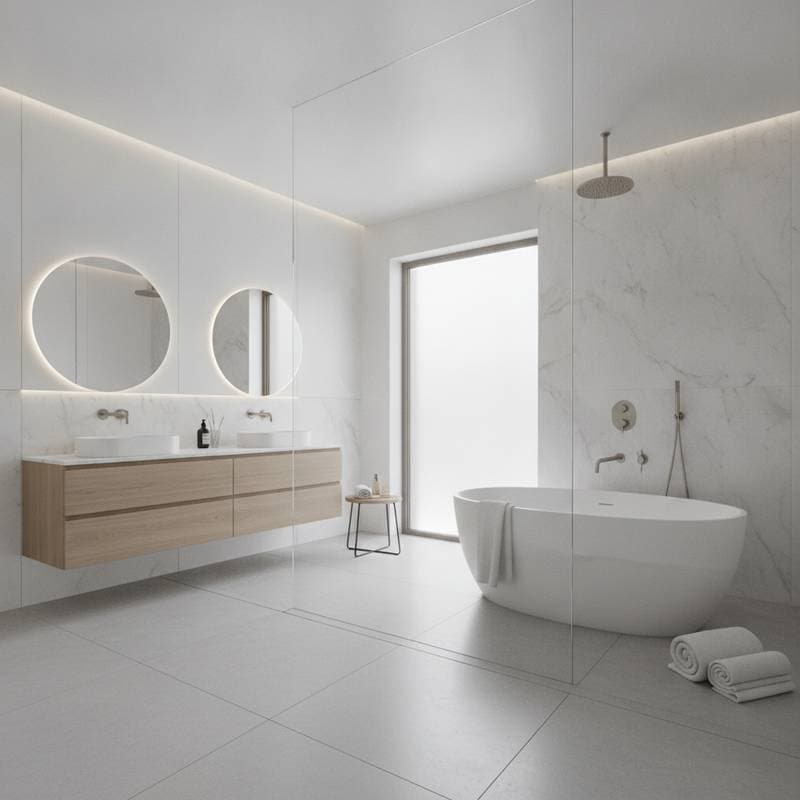
Opt for neutral color palettes to broaden buyer interest. Light tones expand perceived space, while durable surfaces withstand heavy use. Integrate storage solutions like pull-out shelves for easy access.
Balance accessibility with elegance through seamless patterns and minimal hardware. Walk-in tubs with built-in seats offer therapeutic benefits without dominating the layout. Heated floors provide comfort in cooler climates.
Consider multifunctional spaces, such as combining laundry areas with bathrooms for efficiency. These innovations appeal to diverse households and enhance overall home flow.
Realizing Long-Term Benefits
Aging-in-place bathrooms deliver immediate comfort while securing future financial returns. Owners enjoy enhanced independence, reducing reliance on external care. The 15% resale uplift by 2026 positions these investments as strategic assets.
Buyers appreciate the foresight in these designs, viewing them as upgrades rather than necessities. Properties stand out in competitive markets, often closing deals quicker. This approach aligns personal well-being with economic savvy.