The Resurgence of Terrazzo Flooring and Its Impact on Property Values
Terrazzo flooring experiences a notable resurgence in popularity, significantly elevating property values through its unique combination of aesthetic appeal, exceptional durability, and sustainable qualities. Homeowners appreciate how this material integrates artistic elements with robust performance, transforming spaces into enduring investments. Once associated primarily with mid-century architecture, terrazzo now represents a forward-thinking choice for contemporary interiors.
Factors Driving the Renewed Interest in Terrazzo
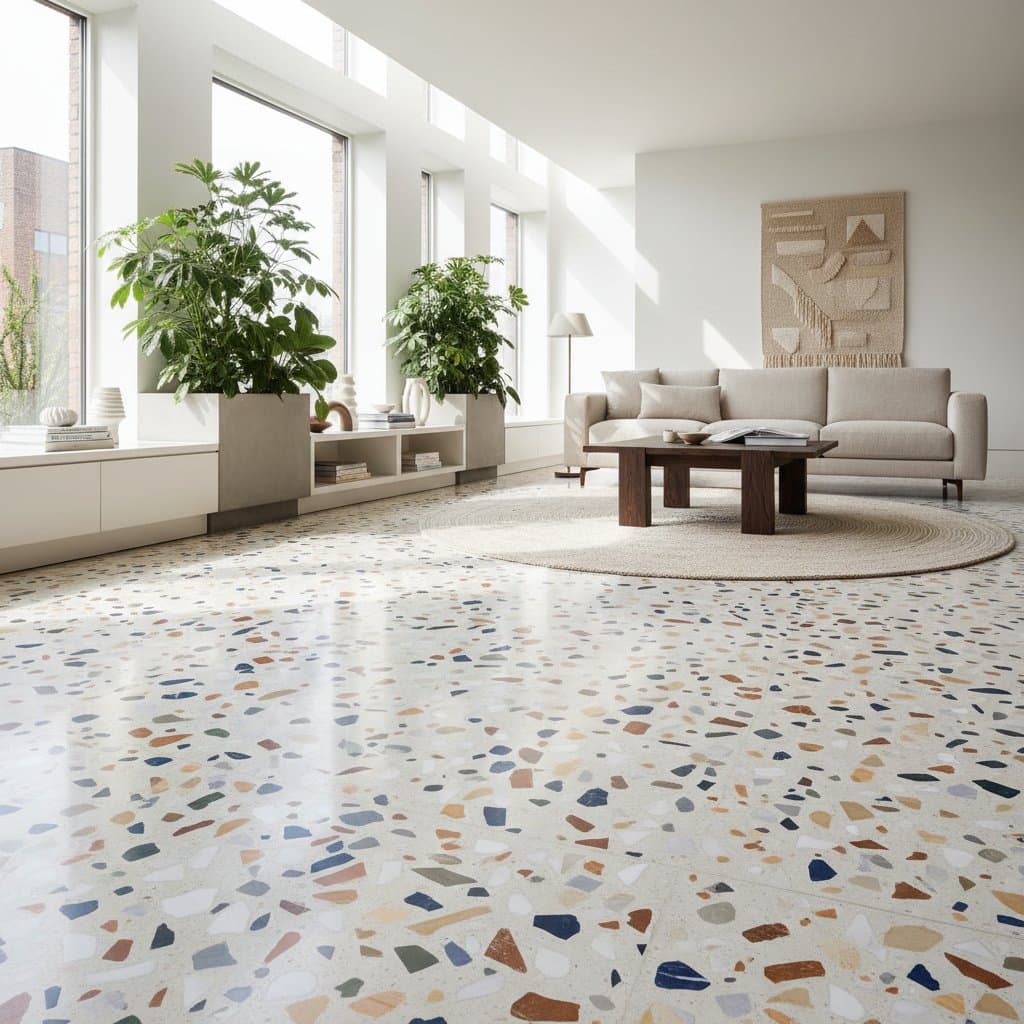
Terrazzo consists of aggregate materials such as crushed marble, quartz, glass, or metal embedded in a cement or epoxy matrix, then ground and polished to achieve a smooth, reflective surface. This process yields a distinctive speckled pattern that complements both traditional and modern architectural styles. The material proves versatile for applications beyond flooring, including countertops and decorative accents.
Contemporary preferences favor durable, narrative-rich materials that align with environmental consciousness. Terrazzo satisfies these demands by offering longevity comparable to natural stone while allowing extensive customization in color and pattern. It withstands stains, accommodates high foot traffic, and maintains its appearance with minimal intervention over time.
Enhancing Resale Value Through Strategic Installation
The installation of terrazzo flooring directly contributes to increased resale value, as prospective buyers perceive it as a premium, low-maintenance feature. Initial costs exceed those of standard options, yet the material endures for decades, reducing long-term expenses. This durability proves particularly advantageous in high-use areas such as kitchens, living rooms, and entryways, where it outperforms many alternatives in both functionality and visual impact.
Detailed Cost Analysis
| Task | Typical Cost | Influencing Factors |
|---|---|---|
| Basic cement terrazzo | $20 to $45 per sq. ft. | Aggregate type, color variations, and regional labor rates |
| Epoxy terrazzo | $25 to $70 per sq. ft. | Binder quality, pattern intricacy, and installation complexity |
| Repairs or refinishing | $5 to $15 per sq. ft. | Extent of damage and required polishing |
Primary Cost Influences:
- Intricate patterns or embedded logos extend labor duration.
- Premium aggregates like glass or metal exceed the expense of marble.
- Economies of scale apply to larger installations, lowering the per-square-foot rate.
- Geographic location significantly affects overall pricing due to varying labor and material availability.
Strategies for Cost Reduction:
- Opt for straightforward designs to minimize customization.
- Select conventional aggregate combinations.
- Coordinate installation with broader renovation projects to consolidate labor efforts.
Professional Installation Versus DIY Approaches
Consider DIY for:
- Terrazzo tiles or prefabricated panels.
- Projects involving basic tools and a prepared, level subfloor.
- Tasks limited to grouting and sealing.
Engage Professionals for:
- On-site poured terrazzo applications.
- Custom integrations such as color zoning or inlaid motifs.
- Installations over underfloor heating or irregular substrates.
Professionals excel in achieving precise grinding, seamless transitions, and effective sealing, which ensure optimal longevity. While DIY tile methods offer savings, they often result in visible seams that diminish the material's inherent elegance. Expert execution guarantees a uniform, high-value finish capable of lasting generations.
Optimal Locations for Terrazzo to Maximize Property Appeal
- Entryways and Foyers: Establishes an immediate sense of sophistication upon entry.
- Kitchens: Resists spills and wear far superior to wood or laminate alternatives.
- Bathrooms: Provides inherent moisture resistance and simplifies cleaning routines.
- Living Rooms: Integrates seamlessly with radiant heating systems.
- Outdoor Patios: Cement-based variants perform reliably in temperate climates.
Strategic placement in these areas amplifies perceived luxury, akin to high-end natural stone installations, thereby attracting discerning buyers.
Considerations for Regional Climates and Regulations
- Cold Regions: Cement terrazzo risks cracking from freeze-thaw exposure; epoxy variants suit indoor use, and subfloor heating mitigates issues.
- Humid or Coastal Environments: Epoxy formulations offer superior moisture barriers over cement.
- Warm Climates: Lighter aggregate selections help regulate surface temperatures.
- Regulatory Aspects: Extensive installations may require permits for structural integrity and slip resistance; consult local authorities for compliance.
Adapting material choices to environmental conditions preserves performance and sustains value.
Essential Safety and Upkeep Guidelines
During handling of epoxy or grinding operations, utilize protective equipment to safeguard against fumes and dust. Maintain dry conditions throughout installation and curing phases to prevent defects. Employ pH-neutral cleaners exclusively, avoiding acidic or abrasive substances that could etch the surface.
Schedule resealing every three to five years to preserve gloss and repel stains. For significant scratches or fading, professional restoration services restore the original luster efficiently. Consistent adherence to these practices averts expensive interventions and upholds the flooring's pristine condition.
Terrazzo Versus Alternative Flooring Materials
| Flooring Type | Expected Lifespan | Maintenance Level | Initial Cost | Aesthetic Versatility |
|---|---|---|---|---|
| Terrazzo | 40+ years | Low | High | Extensive customization in colors and patterns |
| Hardwood | 20 to 30 years | Moderate | High | Natural wood grains and tones |
| Vinyl | 10 to 15 years | Low | Low | Diverse printed imitations |
| Ceramic Tile | 20 to 40 years | Moderate | Medium | Broad selection of shapes and finishes |
| Polished Concrete | 30+ years | Low | Medium | Raw, industrial aesthetics |
Terrazzo distinguishes itself through unmatched endurance and personalization options. Although the upfront investment is substantial, its extended service life and enhanced marketability yield substantial returns.
Restoring Existing Terrazzo Surfaces
Dullness, scratches, or inconsistencies signal the need for refinishing, which revitalizes the surface at $5 to $10 per square foot. The procedure, spanning one to two days, involves grinding, polishing, and resealing to extend usability by another decade. Steer clear of wax applications, as they accumulate residue; instead, conduct spot tests with any new cleaners.
Creative Design Applications for Terrazzo
- Monochromatic Schemes: Neutral chips in white or gray foster a sleek, minimalist ambiance.
- Vibrant Retro Patterns: Bold aggregate mixes evoke nostalgic charm.
- Custom Inlays: Incorporate logos or motifs in high-traffic zones like entryways.
- Seamless Baseboard Integration: Ensures uninterrupted visual continuity.
- Satin Finishes: Enhance grip while delivering a contemporary matte texture.
Complement terrazzo with wooden elements, metallic hardware, or fabric furnishings to introduce contrasting textures and warmth.
The Mechanism Behind Terrazzo's Value Appreciation
Prospective buyers associate terrazzo with superior craftsmanship and ecological responsibility, viewing it as an indicator of quality construction. Its resistance to water, stains, and abrasion appeals to both aesthetic enthusiasts and pragmatic purchasers. Appraisers classify it alongside premium materials like marble, often leading to elevated offers.
Real estate professionals observe that custom terrazzo features, particularly in kitchens and living spaces, can recoup 60 to 80 percent of installation costs, contingent on regional market dynamics and execution quality.
Expert Recommendations for Optimal Results
Select certified specialists for poured installations to guarantee adherence to industry standards. Finalize color schemes in advance, as divider strips become fixed post-pouring. Stabilize ambient temperatures during the curing period to avoid distortions.
Introduce area rugs only after complete hardening to prevent imprints. Minimize abrasive debris on the surface to avert micro-scratches. These measures secure a impeccable outcome that preserves and amplifies property worth.
Frequently Asked Questions
What distinguishes cement from epoxy terrazzo? Cement terrazzo employs a Portland base for authenticity and outdoor suitability, while epoxy provides faster curing and greater color vibrancy for indoor settings.
How long does terrazzo installation take? Poured systems require one to two weeks, including preparation and curing; tile versions complete in days.
Is terrazzo suitable for homes with pets? Yes, its scratch-resistant polish withstands claws, though regular sweeping prevents grit buildup.
Can terrazzo be repaired if damaged? Minor issues yield to professional honing; extensive cracks necessitate patching and repolishing.
Does terrazzo increase energy efficiency? When paired with radiant heating, it distributes warmth evenly, potentially lowering heating costs.
Advancing Your Home Improvement with Terrazzo
Terrazzo offers a timeless solution that merges artistic expression with structural resilience, ideal for diverse architectural contexts. To proceed, solicit estimates from qualified local contractors, evaluate cement versus epoxy suitability, and examine physical samples under ambient lighting. This deliberate approach ensures a transformative upgrade that endures and elevates your property's market position.