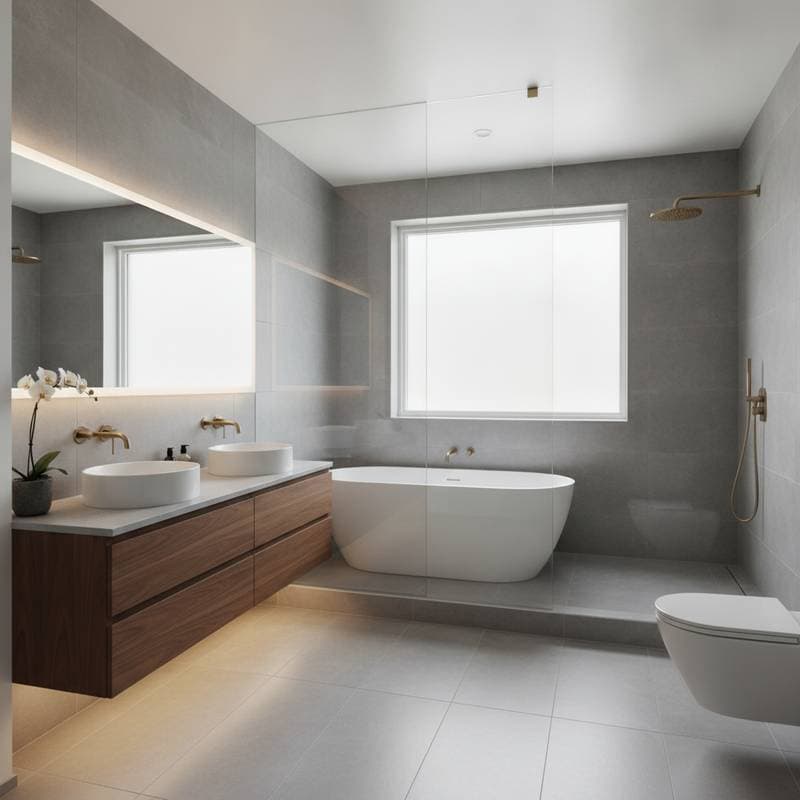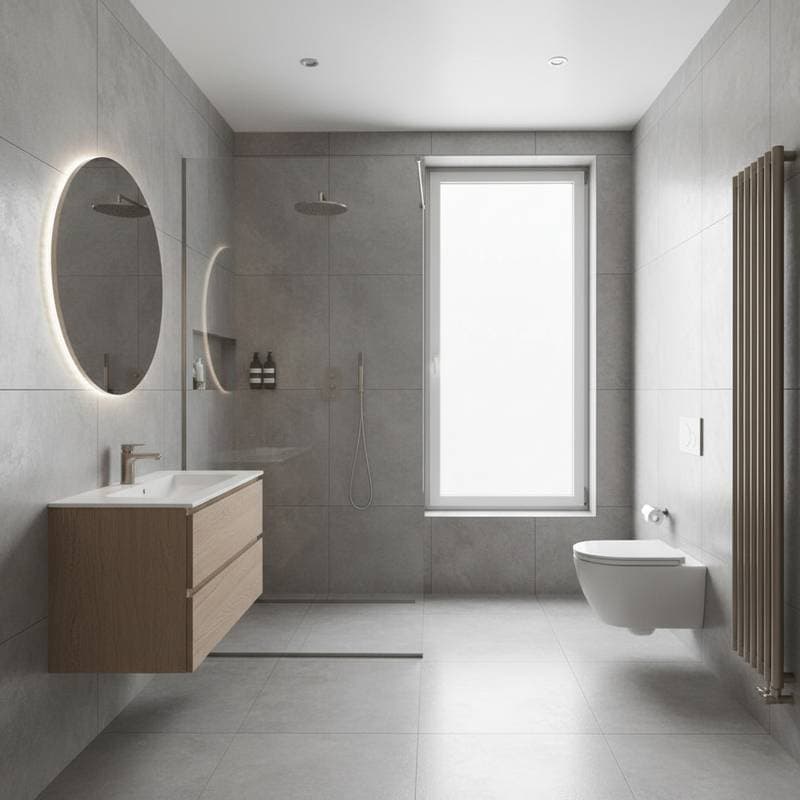
Understanding Wet Rooms and Their Appeal
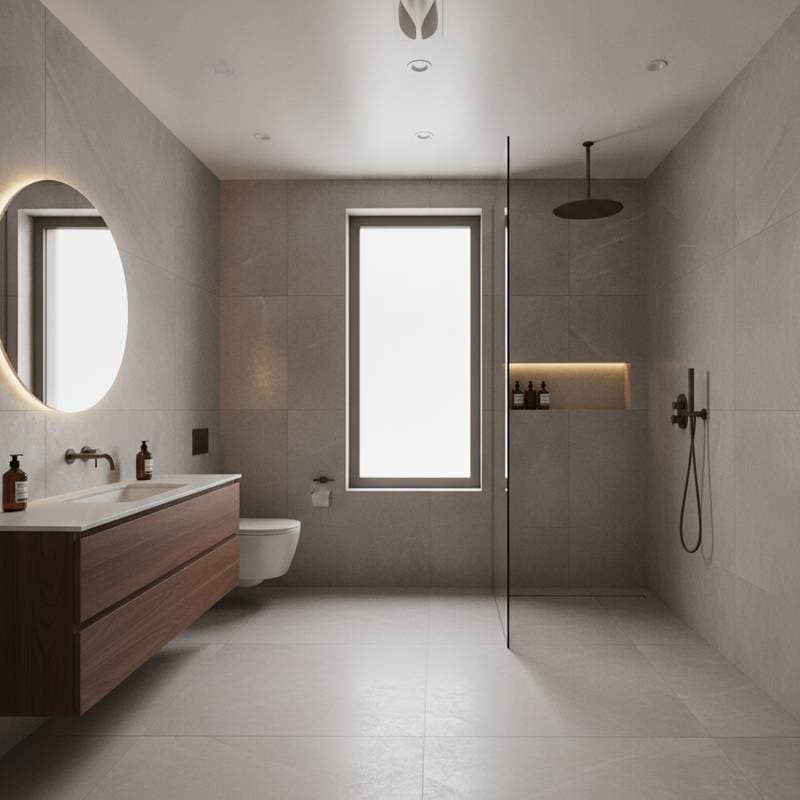
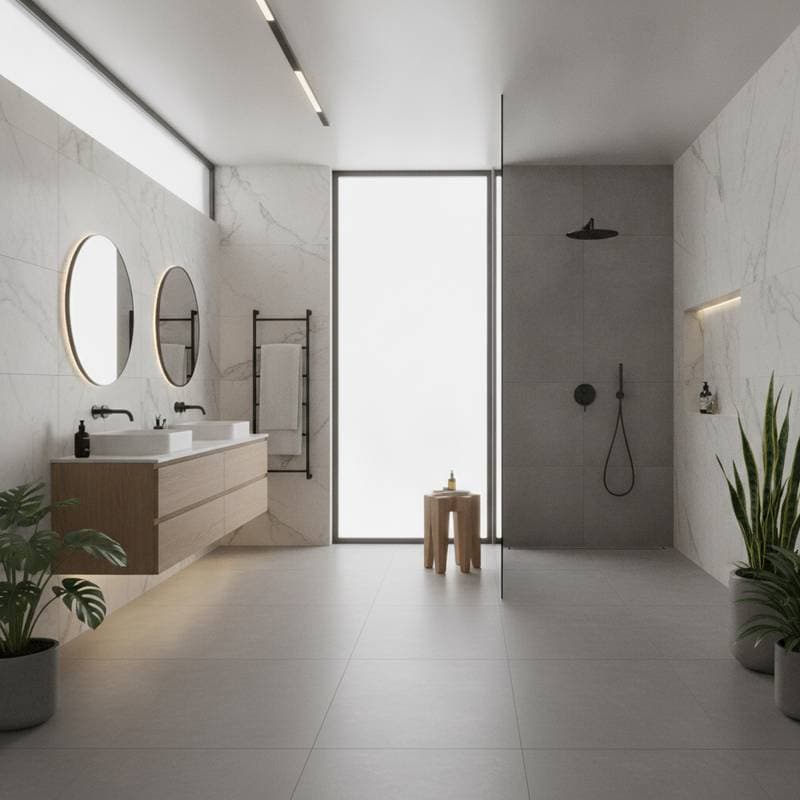
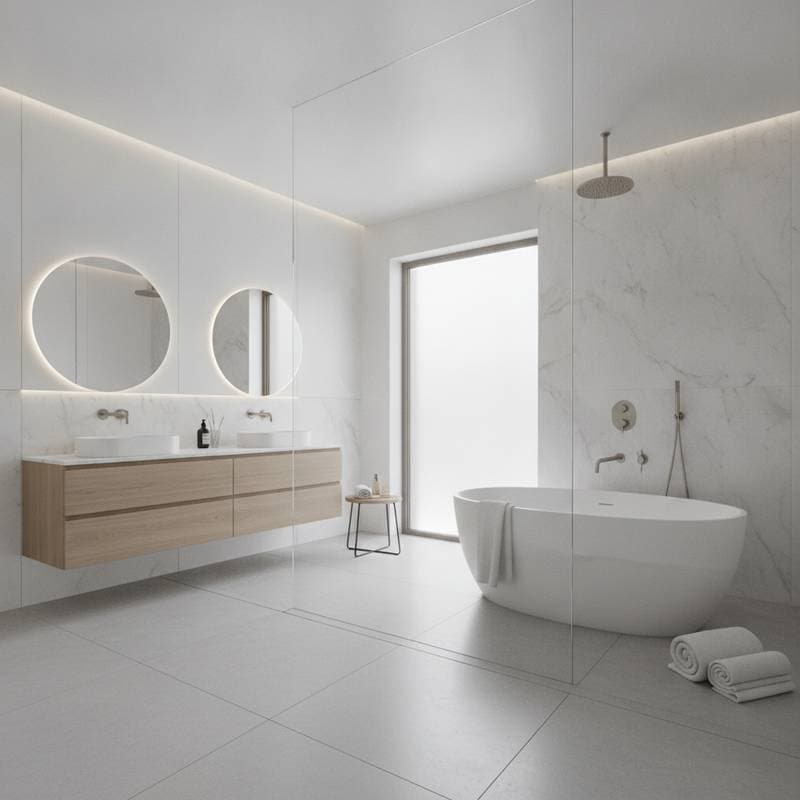
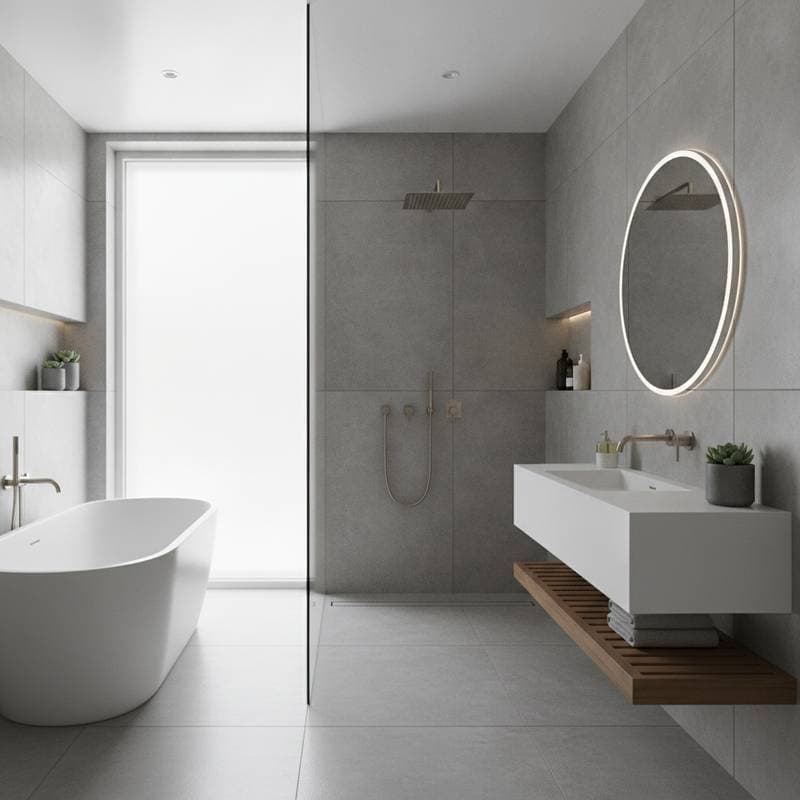
Wet rooms represent a modern evolution in bathroom design. These spaces eliminate traditional shower enclosures, creating a seamless, fully waterproof environment. Homeowners appreciate the clean lines and open feel that wet rooms provide, which enhance both aesthetics and functionality.
The concept originated in Europe and has gained traction in the United States for its practicality. By integrating the entire bathroom floor as a waterproof surface, wet rooms simplify cleaning and reduce the risk of water damage. This design choice appeals to those seeking contemporary style without compromising on usability.
The Investment Value: Projecting 15% ROI by 2026
Investing in a wet room can significantly elevate a property's market value. Industry forecasts indicate that such upgrades may yield up to a 15% return on investment by 2026. This projection stems from rising demand for accessible, low-maintenance homes amid an aging population and shifting buyer preferences.
Real estate experts base this estimate on current trends in home resale data. Properties featuring modern bathrooms, including wet rooms, often sell faster and at higher prices. The ROI accounts for installation costs offset by increased appraisal values, particularly in urban and suburban markets where luxury features command premiums.
Factors influencing this return include location and overall home condition. In high-demand areas, the sleek, inclusive design of wet rooms attracts a broader buyer pool, from young professionals to retirees. Proper execution ensures the upgrade translates directly to financial gains upon resale.
Cost Breakdown and Budgeting Essentials
The average cost to install a wet room ranges from $8,000 to $16,000, depending on size, materials, and location. Basic installations in smaller bathrooms start at the lower end, while custom designs with premium fixtures push toward the higher figure. Labor typically accounts for 40% to 50% of the total expense.
Key cost drivers include waterproofing systems, flooring, and drainage solutions. For instance, installing a linear drain and sloped flooring adds $2,000 to $4,000. High-quality tiles or natural stone surfaces can increase material expenses by 20% to 30%.
Homeowners should budget for additional elements like lighting and ventilation upgrades. Obtaining multiple quotes from certified contractors helps identify savings without sacrificing quality. Financing options, such as home equity loans, make this investment accessible for many.
Design Tips for Maximum Impact
Effective wet room design balances form and function. Start with a layout that ensures water flows efficiently to the drain, using a gentle slope of 1/4 inch per foot. Opt for non-slip flooring materials like porcelain tiles to enhance safety.
Incorporate accessibility features from the outset. Grab bars, fold-down seats, and adjustable showerheads accommodate varying needs without altering the modern aesthetic. Neutral color palettes with bold accents create a spa-like atmosphere that appeals to diverse tastes.
Lighting plays a crucial role in highlighting the space. Recessed LED fixtures provide even illumination, while dimmable options add versatility. Storage solutions, such as recessed niches or wall-mounted shelves, maintain the open feel while keeping essentials organized.
Essential Installation Considerations
Professional installation remains critical for wet room success. Begin with a thorough assessment of the existing bathroom structure to confirm suitability for waterproofing. Certified installers use specialized membranes and sealants to prevent leaks.
Ventilation systems merit special attention to control humidity and mold growth. Exhaust fans rated at 80 cubic feet per minute or higher ensure air circulation. Integrating a dehumidifier further protects the space's integrity over time.
Material selection influences longevity. Choose corrosion-resistant fixtures and groutless tiling systems for durability. Regular maintenance, including annual sealant checks, preserves the investment and sustains the ROI potential.
Step-by-Step Upgrade Process
- Consult a designer to evaluate space and needs.
- Select materials and fixtures that align with budget and style.
- Hire licensed professionals for demolition and waterproofing.
- Install drainage, flooring, and walls in sequence.
- Add final touches like fixtures and test for functionality.
- Inspect and maintain to ensure long-term performance.
Realizing Long-Term Benefits
Wet rooms deliver enduring advantages beyond immediate ROI. Their durable construction withstands daily use, reducing repair costs over time. The inclusive design supports aging in place, adding practical value for homeowners planning to stay long-term.
Market data supports the financial upside, with bathrooms influencing 70% of buyer decisions. By 2026, as sustainable and accessible features become standard, wet rooms position properties favorably in competitive markets. This upgrade combines style, utility, and profitability for discerning owners.