
Building Code Essentials for Wet Rooms
Compliance with local building codes ensures safety and durability in wet room installations. Key requirements include the following:
- All electrical outlets require GFCI protection to prevent shocks in wet environments.
- Ventilation fans must satisfy local code airflow standards to control moisture.
- Floors need to achieve slip-resistance standards, verified by coefficient of friction testing.
- Plumbing modifications typically demand professional inspection.
- Avoid wooden subfloors unless they receive proper sealing against moisture.
In regions prone to frost, incorporate insulation beneath the floor to avoid cold surfaces. For areas susceptible to hurricanes or flooding, extend the waterproofing membrane higher on the walls for enhanced protection.
Design Options Tailored to Every Home
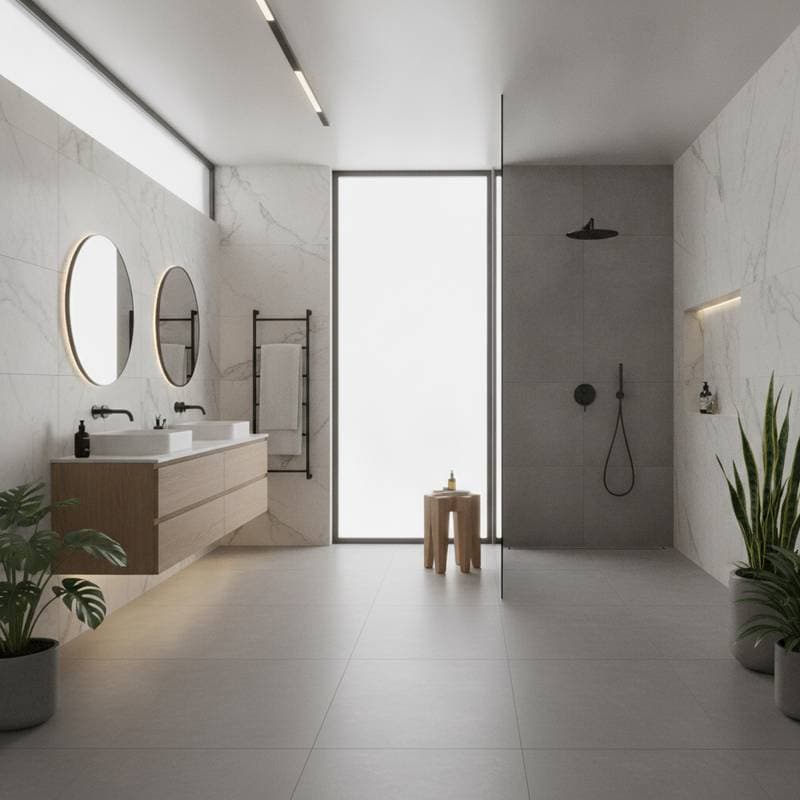
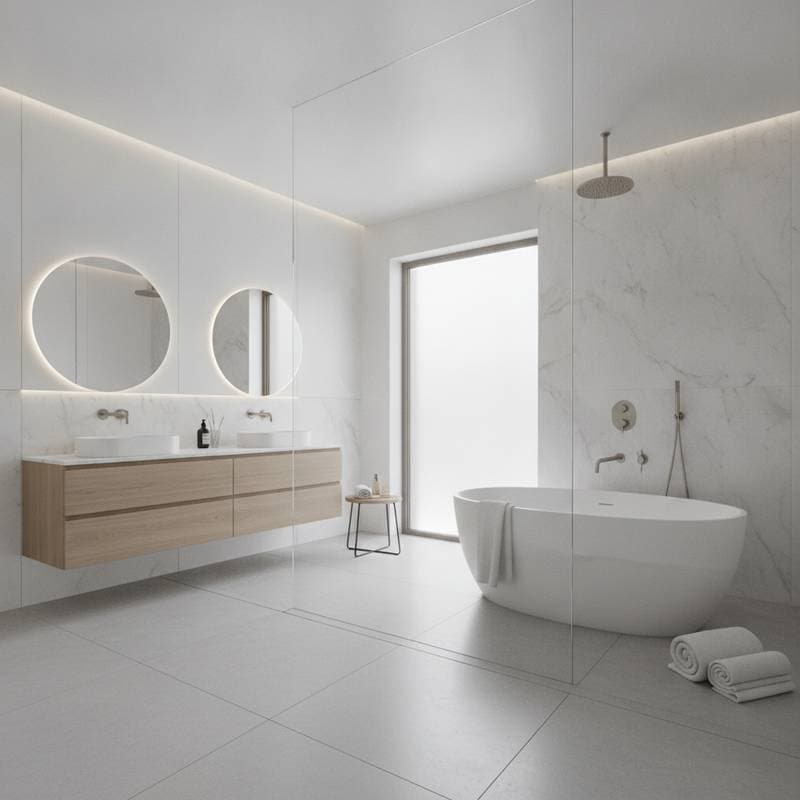
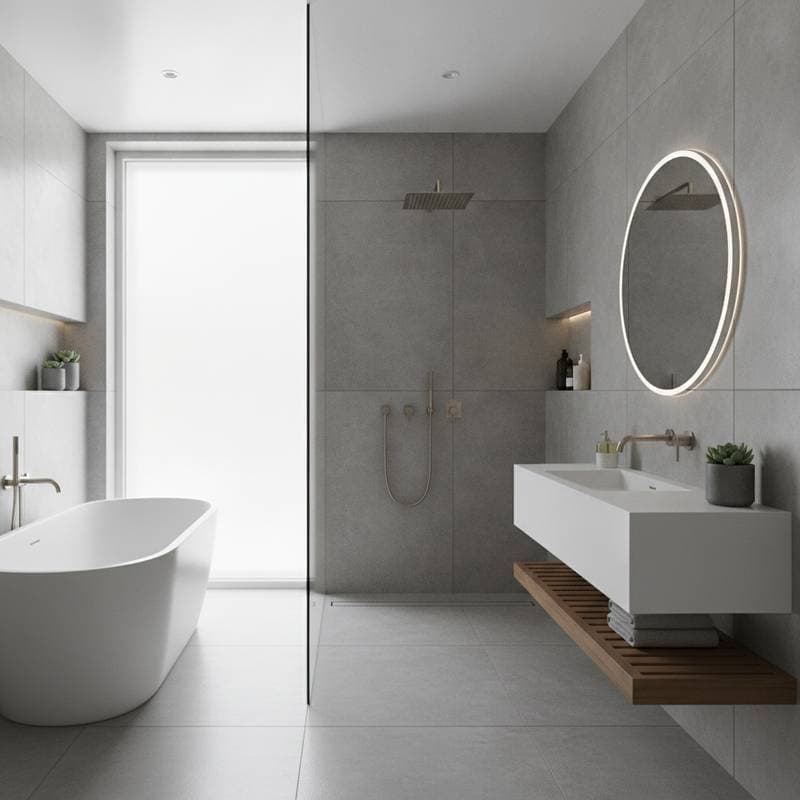
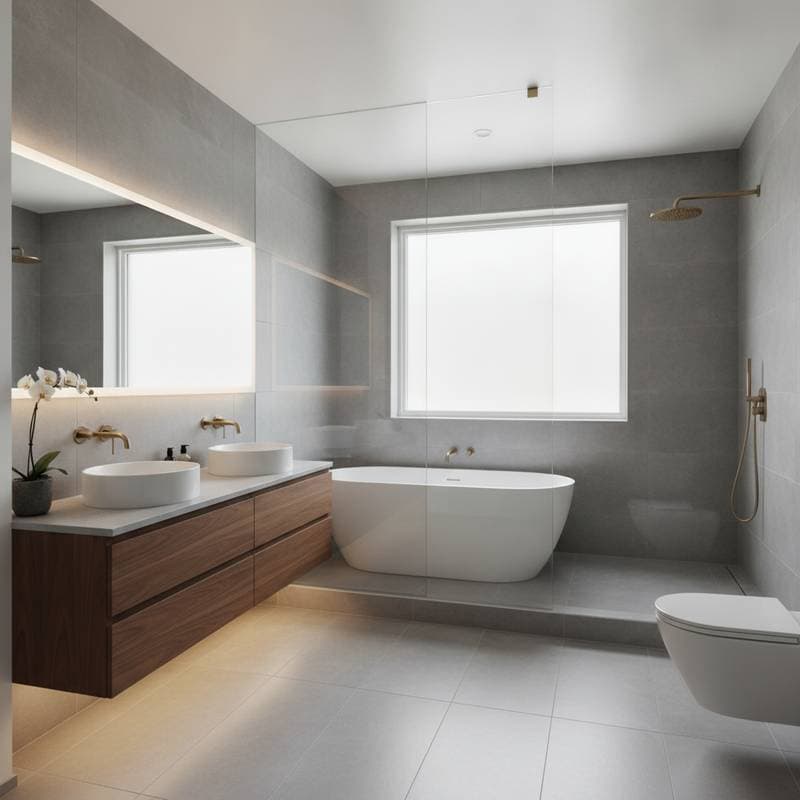
Wet rooms extend beyond mere accessibility; they serve as luxurious or minimalist sanctuaries. Various design styles allow customization to match personal tastes while maintaining core functionality.
Modern Spa Aesthetic
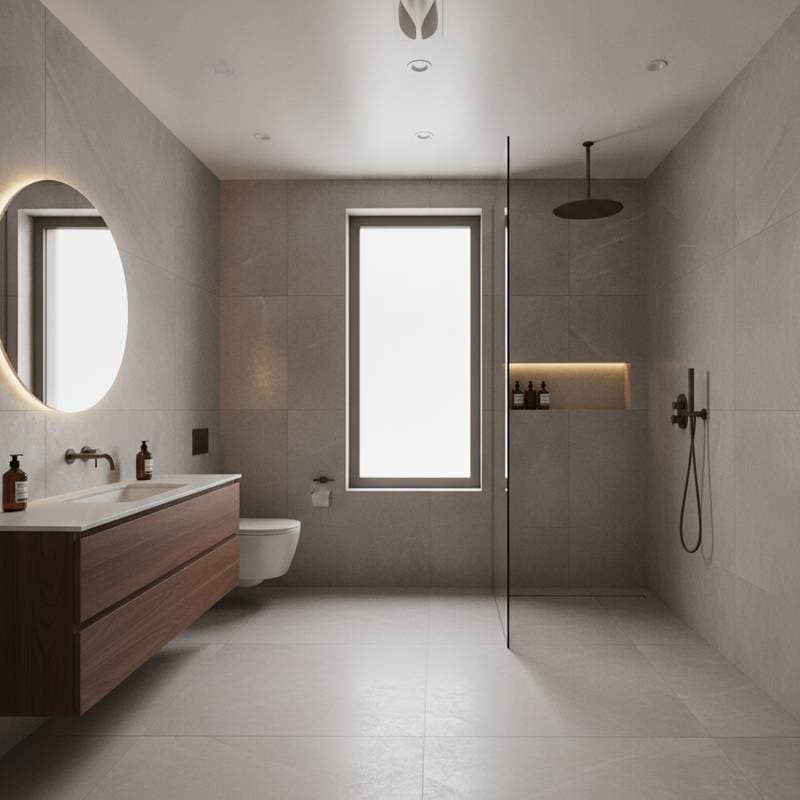
- Opt for large gray porcelain tiles to create a sleek surface.
- Install a linear drain for efficient water flow.
- Use a frameless glass panel to define the space subtly.
- Incorporate recessed LED lighting for ambient illumination.
Warm Natural Vibe
- Select stone-look tiles for an organic feel.
- Add wooden benches treated with marine varnish for durability.
- Choose matte black fixtures to complement the earthy tones.
Compact Urban Style
- Employ white wall tiles to maximize brightness in smaller areas.
- Include a fold-down seat for versatile use.
- Integrate hidden storage niches to maintain a clutter-free appearance.
Every style relies on foundational elements: comprehensive waterproofing, robust materials, and straightforward cleaning.
Seamless Accessibility Features
The open layout of a wet room allows accessibility elements to integrate naturally into the design, preserving aesthetics.
- Grab bars function as towel racks, providing support without visual disruption.
- Fold-down seats match surrounding tile patterns for discretion.
- Handheld showerheads with sliders accommodate varying heights or seated positions.
- Contrasting tile colors guide users with low vision along edges.
- A low-threshold entry eliminates trip risks.
Such features promote inclusivity while enhancing the overall elegance of the space.
Supporting Aging in Place
Aging in place enables individuals to remain in their homes as mobility evolves. Wet rooms facilitate this by removing barriers like steps, sliding doors, or tubs that pose hazards.
The spacious, open design accommodates walkers, wheelchairs, or caregivers efficiently. Installing a wet room proactively avoids disruptive and costly modifications later in life.
It also attracts buyers seeking homes designed for longevity.
Core Advantages:
- Lowers the risk of falls through level flooring.
- Serves every family member regardless of ability.
- Enhances resale value as a hallmark of universal design.
- Streamlines routines for independent or assisted living.
Environmental and Maintenance Advantages
Wet rooms promote sustainability by requiring fewer materials and offering extended lifespan. Without shower trays or enclosures, replacement needs diminish over time.
The waterproofing system shields subfloors from rot and decay. Cleaning proves efficient, with minimal corners or sealant joints to maintain.
Practical Maintenance Strategies:
- Squeegee walls and floors immediately after use.
- Clear drains of hair and soap residue regularly.
- Reseal grout lines every few years to preserve integrity.
- Inspect ventilation fans periodically for optimal performance.
These routines ensure the area remains fresh and free from mold.
Wet Rooms Versus Traditional Bathrooms| Feature| Wet Room| Traditional Bathroom|
|------------------|-----------------------------------|----------------------------------|
| Accessibility| Level entry and open layout| Step-in shower or tub|
| Maintenance| Simple wipe-down, no track buildup| Extensive grout and hardware|
| Style| Contemporary and streamlined| Often enclosed or divided|
| Cost| Elevated initial investment, reduced ongoing expenses | Lower startup, higher maintenance|
| Resale Appeal| Aligns with universal design preferences | Potential need for future adaptations |A wet room combines aesthetic appeal with practicality, adapting to family dynamics, visitors, and evolving requirements without extensive alterations.
Pitfalls to Sidestep in Wet Room Projects
Careful planning prevents common errors that compromise performance.
- Inadequate Drainage Slope: Ensure water directs toward the drain to prevent pooling.
- Inadequate Waterproofing: A single unsealed joint can lead to concealed leaks.
- Glossy Tile Selection: These surfaces appear attractive but become hazardous when wet.
- Neglected Ventilation: Accumulated moisture fosters mold growth.
- Misplaced Drains: Position centrally or along walls, away from entry points.
Addressing these during initial construction saves significant expenses compared to post-installation corrections.
Adapting to Regional Climates
Tailor wet room features to local conditions for optimal performance.
- Cold Climates: Integrate radiant floor heating to provide warmth and accelerate drying.
- Humid Regions: Select mildew-resistant grout paired with high-capacity fans.
- Coastal Areas: Employ stainless steel or brass fixtures to withstand corrosion.
- Seismic Zones: Anchor wall tiles using flexible adhesives to minimize fracture risks.
Consult local building authorities, as plumbing or waterproofing changes often necessitate permits.
Expert Recommendations for Optimal Results
- Verify the waterproofing membrane's effectiveness by flooding the area with water for 24 hours prior to tiling.
- Position a linear drain adjacent to the wall for streamlined aesthetics and improved wheelchair maneuverability.
- Coordinate grout color with tiles to achieve a cohesive look.
- Install recessed lighting equipped with vapor-rated fixtures.
- Add a heated towel rail to manage humidity levels.
These refinements boost both comfort and utility.
Indicators for Professional Intervention
Engage a licensed contractor or plumber upon observing:
- Persistent water accumulation post-shower.
- Moisture stains on adjacent walls.
- Discoloration in tile grout.
- Unpleasant drain odors or sluggish drainage.
These symptoms suggest failures in waterproofing or slope, warranting prompt evaluation to avert structural harm.
Planning Your Wet Room Upgrade
When renovating an existing bathroom or constructing anew, assess desired accessibility levels first. A wet room delivers enduring adaptability, sophistication, and security.
Begin modestly by transforming one bathroom, or commit to comprehensive home integration. Collect visual inspirations and precise measurements of the area.
Consult contractors experienced in waterproofing, requesting portfolios of local wet room installations. Obtain detailed quotes encompassing materials, systems, and guarantees.
A meticulously constructed wet room endures for decades, safeguarding daily activities, elevating property worth, and aligning with contemporary lifestyles. Accessibility integrates seamlessly, yielding spaces that feel inviting, expansive, and perennial.
Frequently Asked Questions
What distinguishes a wet room as advantageous?
Level access combined with effortless cleaning renders it secure and elegant across generations.
Does a wet room require specialized flooring?
Affirmative; select slip-resistant tiles sloped toward the drain.
Is underfloor heating compatible with wet rooms?
Yes; it maintains warmth and expedites drying.