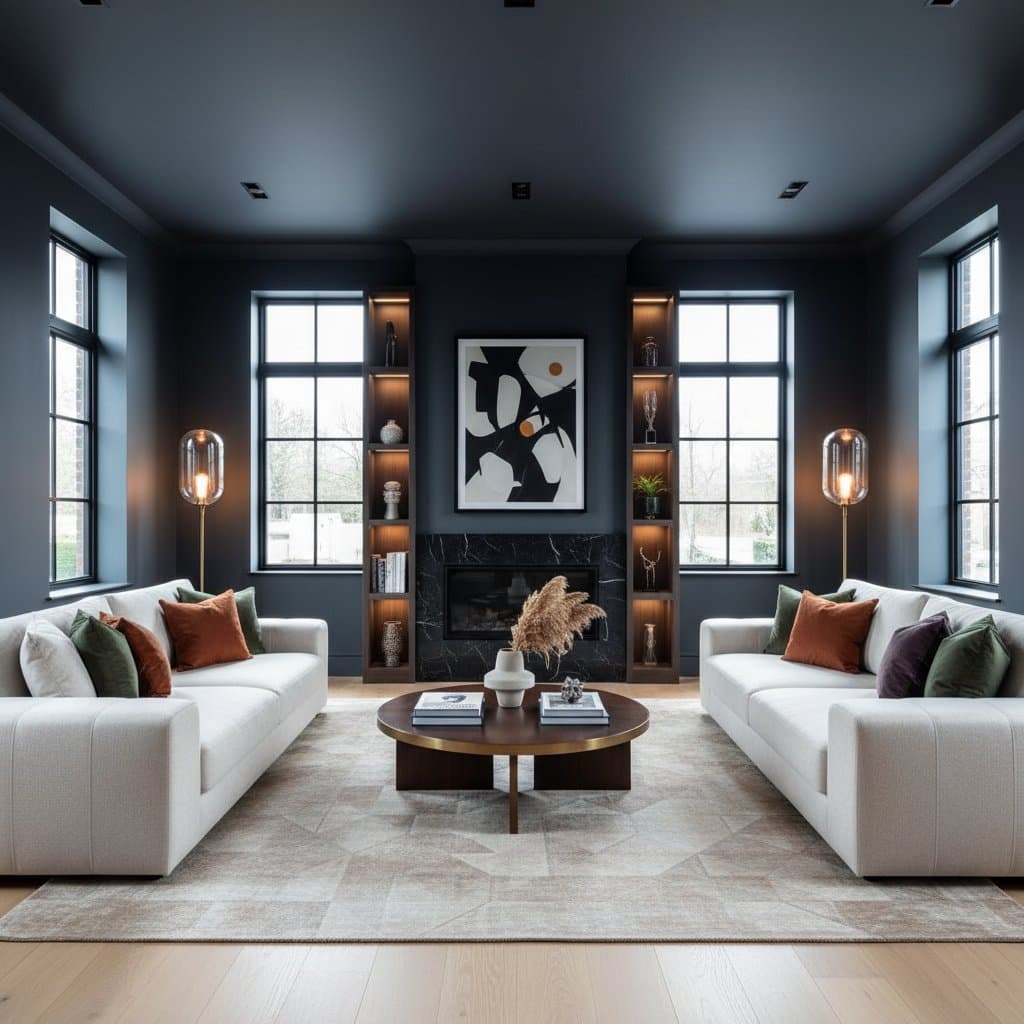
Why Moody Paints Accelerate Home Sales by 15% in 2026
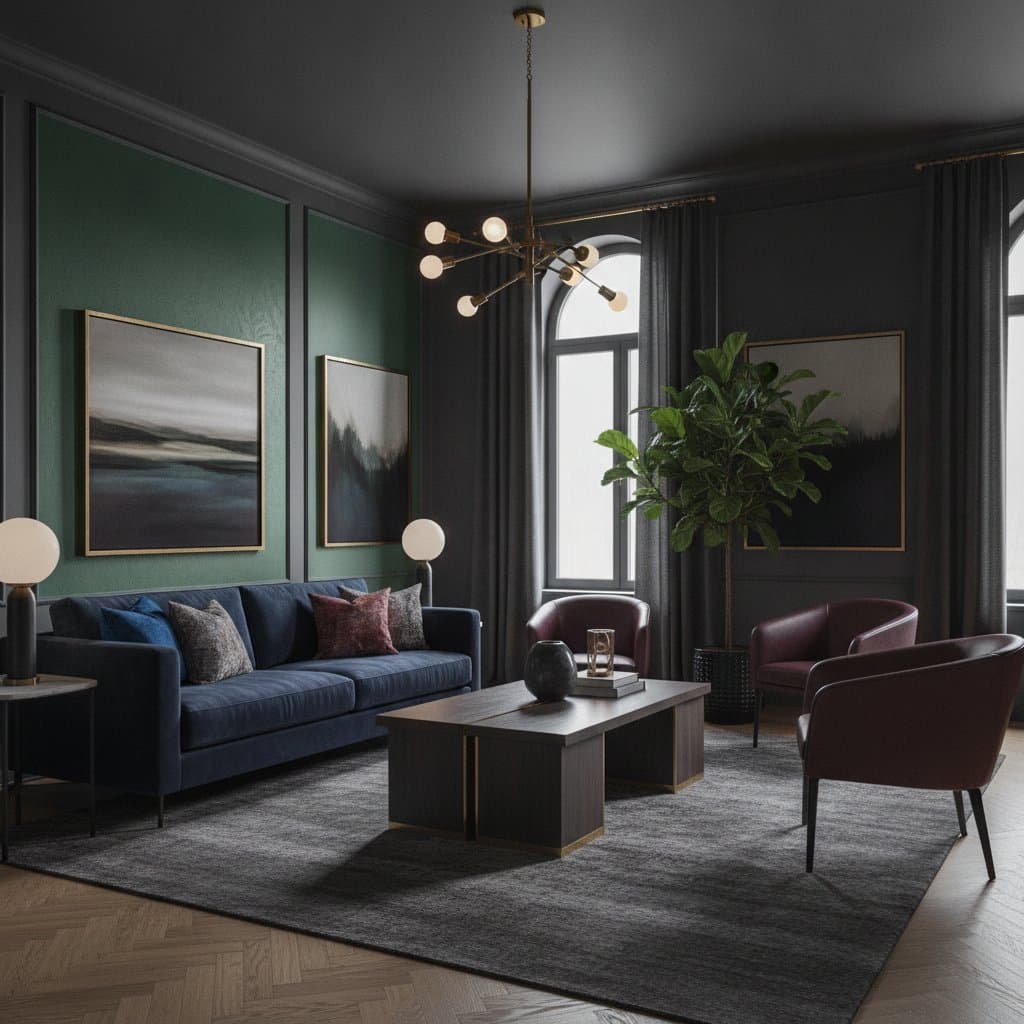
Homes painted in dark, moody tones sell approximately 15% faster and frequently achieve 3 to 5% higher sale prices. Buyers form strong emotional connections with these rich, dramatic hues. Such colors capture attention in photographs, convey a sense of intentional design without substantial expense, and conceal imperfections more effectively than light neutrals. When applied with careful balance and adequate lighting, moody paints enhance listing images and impart a serene, upscale ambiance that appeals to prospective purchasers.
Cost Considerations
Projects involving dark paint colors appear straightforward, yet several elements influence the overall expense.
- Paint quality: Expect $45 to $80 per gallon for mid-range, washable matte or satin finishes. Lower-quality paints tend to streak when used in deep shades.
- Primer: Allocate $25 to $40 per gallon, as it proves essential beneath most dark paints to ensure even absorption.
- Lighting adjustments: Budget $60 to $300 for warmer bulbs or fixtures that complement darker walls.
- Professional labor: Rates range from $2 to $5 per square foot, varying with ceiling height and trim complexity.
- Finish type: Matte varieties mask imperfections, while satin options facilitate cleaning. Higher-sheen products incur greater cost but offer enhanced durability.
- Touch-up materials and cleanup: Reserve $50 to $100 for brushes, tape, drop cloths, and patching compounds.
Add 10 to 15% to the budget for unforeseen issues in older properties. Textured surfaces or repaired drywall often require sanding and targeted priming prior to application.
Selecting the Ideal Shade
Dark paints exhibit significant variation under natural daylight versus warm artificial lighting. Test a 2-by-2-foot sample on each wall surface before final selection.
Recommended low-risk options:
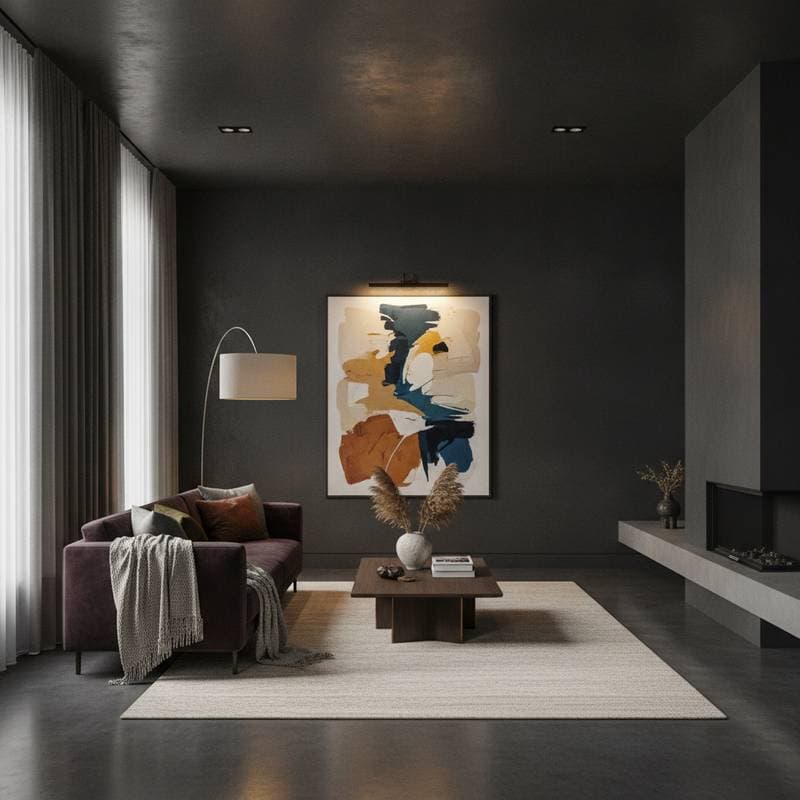
- Deep charcoal gray with warm undertones suits living rooms.
- Navy blue featuring a subtle green undertone works well in bedrooms.
- Soft black or espresso brown enhances dining areas.
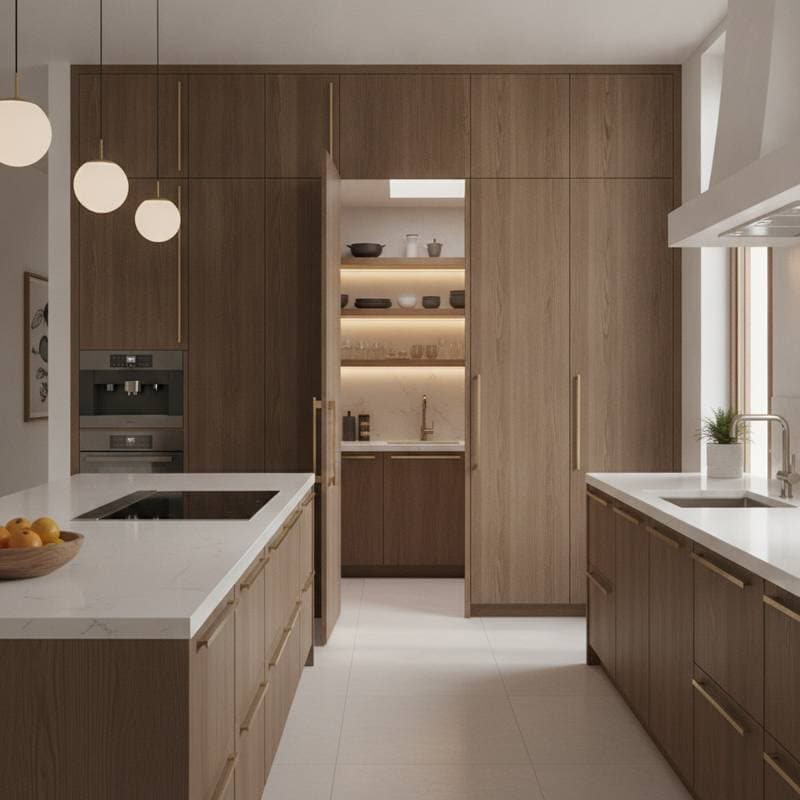
- Olive green or slate blue complements kitchens paired with natural wood elements.
Steer clear of pure black or intensely saturated jewel tones in rooms lacking abundant natural light. The objective remains creating atmosphere rather than darkness.
DIY Versus Professional Application
Applying dark paints seems manageable until inconsistencies emerge. Base the decision on available time, equipment, and desired results.
Opt for DIY When:
- Walls present smooth surfaces and you possess steady application skills.
- Two full days allow for preparation and drying periods.
- Essential tools include high-quality rollers, angled brushes, and an extension pole.
- Precise masking of trim enables crisp edges.
Essential safety equipment: Include gloves, goggles, and a respirator suitable for paint vapors. Maintain open windows or employ a box fan for ventilation. Deactivate pilot lights in proximity to open solvent containers.
Engage Professionals When:
- Ceilings exceed 9 feet in height.
- Test applications reveal drips or roller marks.
- Surfaces feature heavy texture or prior water damage.
- A flawless finish requires minimal coats.
Professionals utilize sprayers and custom-tinted primers to minimize application time and achieve consistent depth. Labor for a standard bedroom typically ranges from $400 to $700.
Strategic Timing and Cost-Saving Measures
Allocate 2 to 5 days for the complete process, encompassing preparation, drying, and cleanup. High humidity or omitted primer layers often cause the most significant delays.
Effective timing strategies:
- Schedule painting during dry weather with low humidity to promote rapid curing.
- Procure paint in advance to prevent discrepancies between color batches.
- Take advantage of retailer rebate periods, which can yield 10 to 20% savings.
- Arrange listing photography one week post-painting, allowing walls to cure fully for uniform sheen.
Dark paint imparts a staged appearance without the need for rented furnishings. Sellers frequently recoup the entire investment through elevated sale proceeds.
Pitfalls to Sidestep
- Omitting primer: Dark hues demand a base layer to avert patchy results.
- Selecting glossy finishes: These accentuate wall imperfections and application errors.
- Overlooking lighting: Absence of warm illumination renders deep colors stark.
- Darkening ceilings prematurely: Begin with a single accent wall.
- Bypassing sample tests: Shades alter based on time of day and light source.
Correcting these errors after complete coverage doubles effort and expense.
Integrating with Complementary Upgrades
Pair moody paint with lighting enhancements as the primary addition. This approach avoids subsequent rework and guarantees buyers perceive colors accurately. LED fixtures cost under $200 per room and substantially elevate perceived value.
Additional synergistic options:
- Matte black or bronze hardware for doors and cabinets.
- Warm wood accents to provide contrast against deep tones.
- Textured fabrics such as linen or velvet, which enhance photographic appeal.
Refrain from painting immediately prior to floor or trim installations, as fresh paint risks damage during those phases.
Safety Protocols and Regulatory Adherence
All painting endeavors necessitate proper safety measures.
- Ventilation: Ensure windows remain open and fans operate continuously.
- Electrical precautions: Shut off power at the breaker before removing outlet or switch plates.
- Waste disposal: Avoid draining excess paint into sewers; allow it to solidify in containers or transport to designated hazardous waste facilities.
- Permitting requirements: Interior painting seldom requires permits, though verify regulations for exterior work in controlled communities.
Employ licensed professionals for elevated ceilings, staircase walls, or properties with potential lead-based paint.
Implementing Your Dark Paint Strategy
Transform your home's market position by integrating moody paints thoughtfully. This upgrade not only hastens sales but also amplifies emotional appeal for buyers. Follow these guidelines to achieve professional results that yield tangible returns in 2026.