Wet Rooms Replacing Tubs: Unlocking 92% ROI by 2026
Wet rooms gain popularity as homeowners prioritize resale value, simplified cleaning, and contemporary aesthetics. Projections indicate returns on investment up to 92 percent in evolving real estate markets. For those considering a bathroom renovation, installing a wet room stands out as a strategic choice that aligns with current trends.
Understanding Wet Rooms
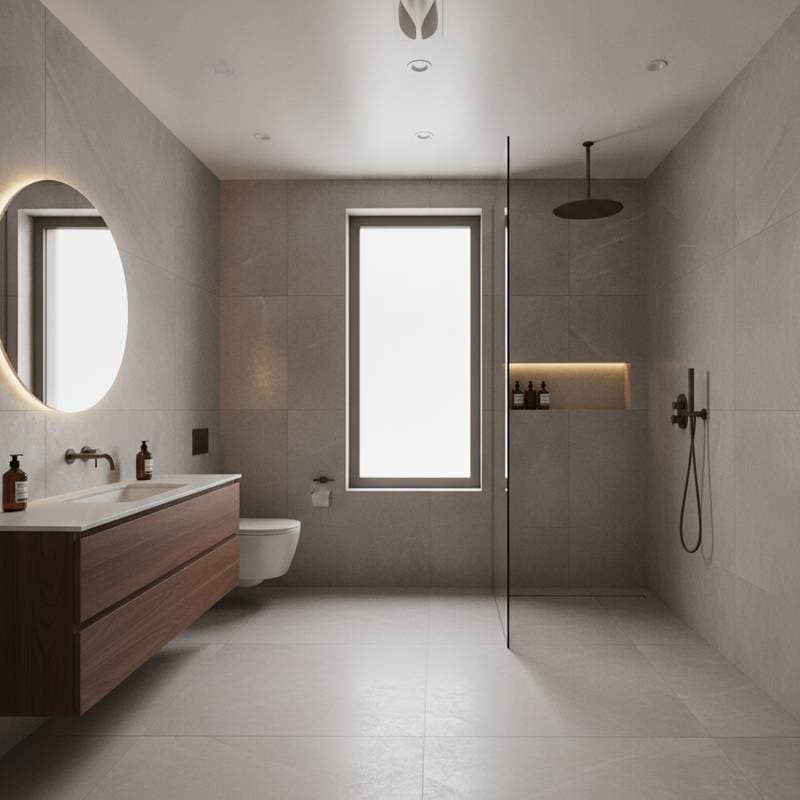
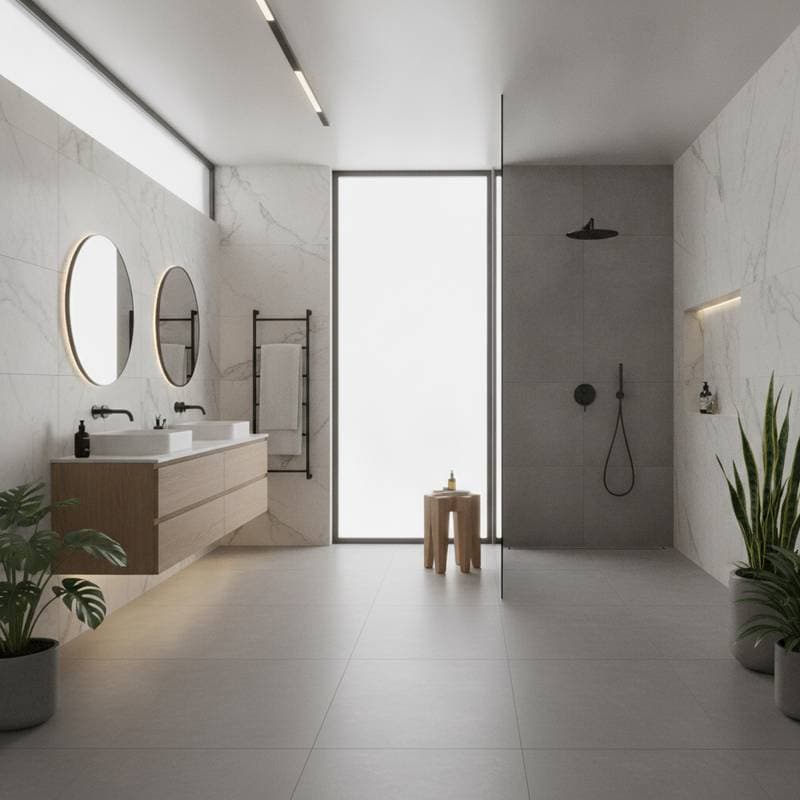
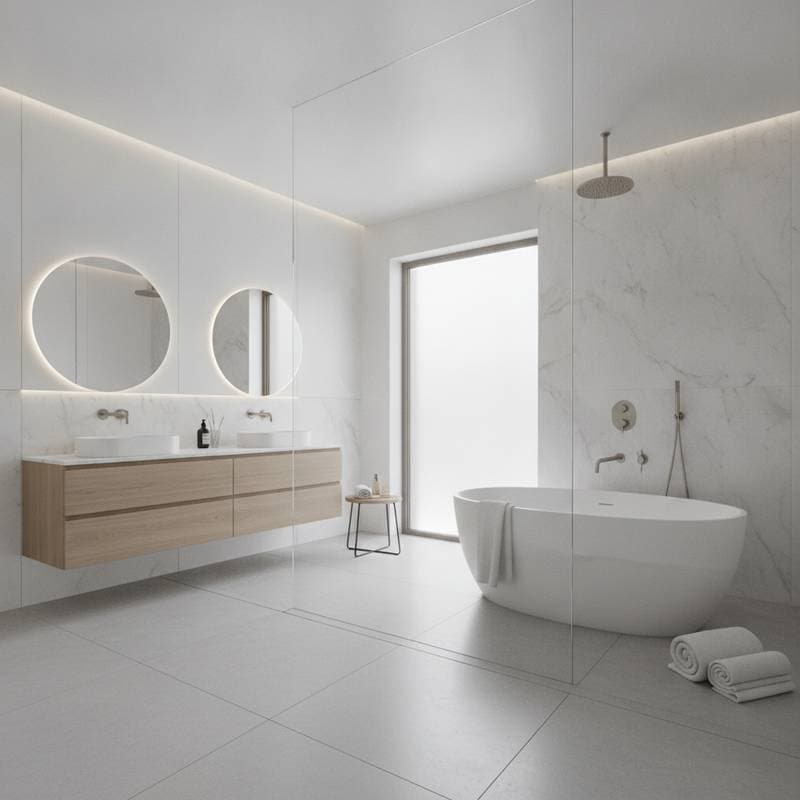
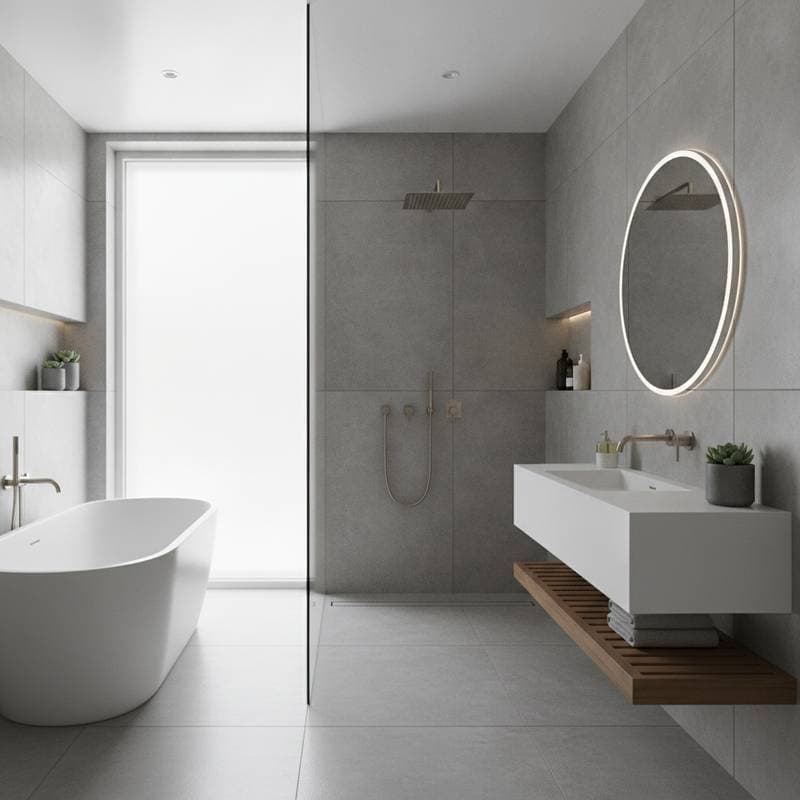
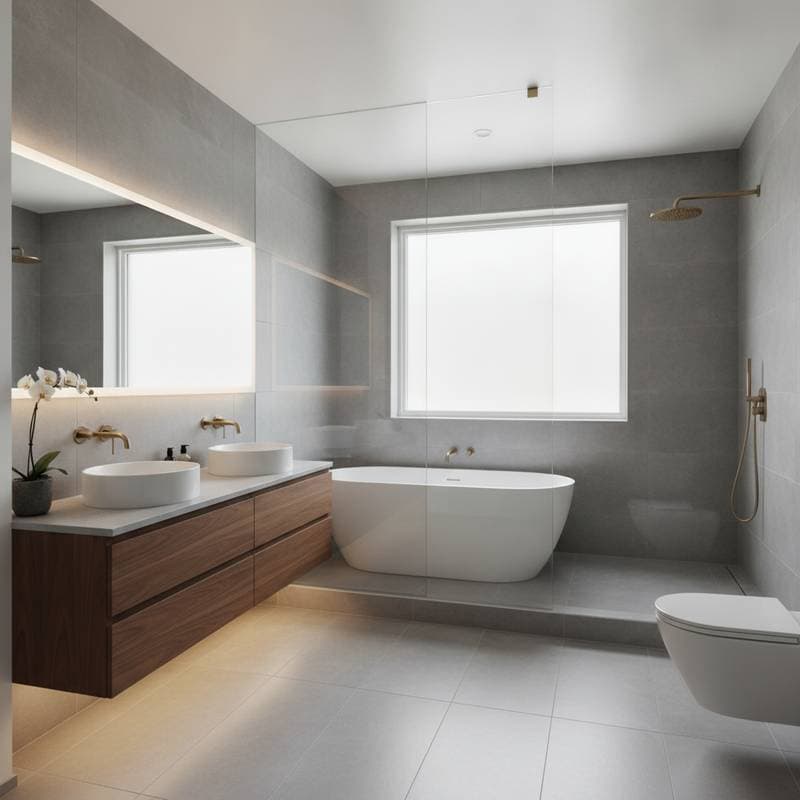
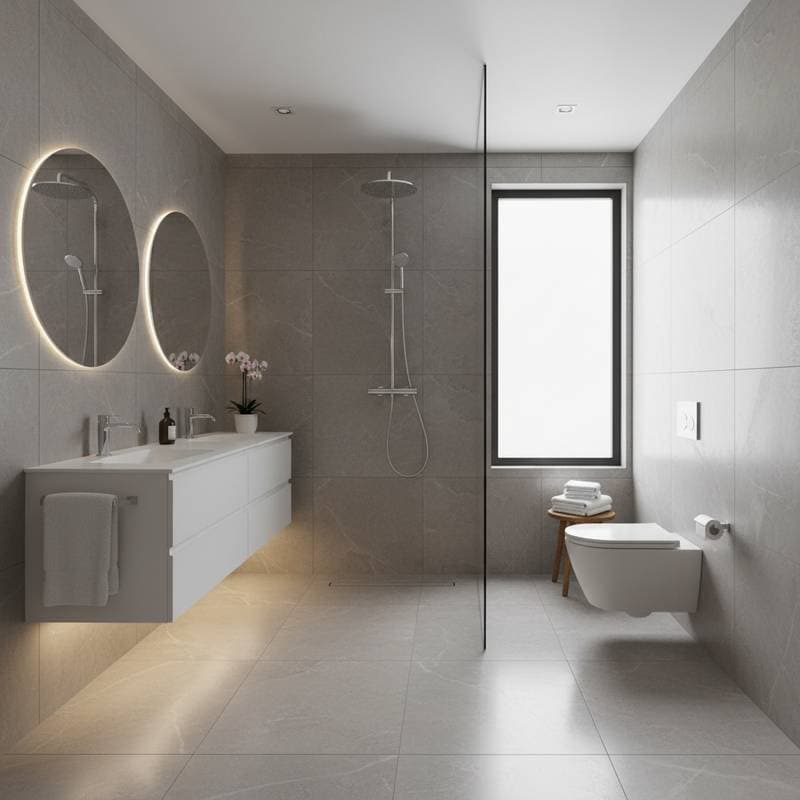
A wet room features a completely waterproof bathroom environment where the shower integrates seamlessly with the floor level. Without a raised tray or barrier, the space relies on a waterproof membrane that directs water to a central floor drain. This setup creates an expansive, spa-inspired atmosphere with minimal visual clutter.
Such designs excel in compact bathrooms by eliminating cumbersome tubs and obstructions. They also enhance accessibility for individuals facing mobility challenges. The blend of aesthetic appeal and practical utility accelerates the transition from conventional tub installations.
Reasons Wet Rooms Surpass Traditional Tubs
Conventional tub-shower combinations decline in favor as families opt for efficient showers over infrequent baths, particularly in space-constrained homes. Wet rooms maximize floor space without requiring structural expansions.
Prospective buyers appreciate low-maintenance environments. Fewer joints and grout lines facilitate straightforward cleaning, while waterproof surfaces outperform traditional tiles in resisting mold and mildew. Consequently, the space maintains its pristine appearance over extended periods.
Design-wise, wet rooms complement the streamlined profiles and fluid layouts of modern residences. They enhance listing photographs, which influences buyer perceptions. Real estate professionals note quicker transactions and elevated offers for properties showcasing wet rooms instead of outdated tubs.
Guide to Converting a Tub to a Wet Room
- Design the layout and drainage system. Determine the drain position and establish a gentle slope to guide water flow effectively.
- Demolish existing elements. Extract the tub, surrounding walls, and flooring to expose the subfloor.
- Prepare and waterproof the surface. Install a tapered shower base or specialized tray, then apply a comprehensive waterproof membrane to the floor and lower walls.
- Integrate plumbing components. Position the drain, shower controls, and supply pipes, followed by leak testing prior to enclosure.
- Apply tiling and seals. Select non-slip tiles for the floor and ensure all seams receive thorough sealing.
- Incorporate ventilation. Install or enhance an exhaust fan to mitigate moisture accumulation.
- Verify functionality and complete. Simulate water flow to assess drainage and seal integrity, then add glass partitions if desired or maintain an open configuration.
Essential Tools and Materials
- Waterproof membrane or tanking system
- Cement backer board for stability
- Modified thinset mortar for adhesion
- Non-slip floor tiles suited for wet areas
- Floor drain assembly with secure fittings
- Sloped shower base or preformed tray
- Tile cutter, trowels, and spacers
- Grout, sealant, and joint compounds
- Level, tape measure, and utility knife
- Protective equipment including gloves, goggles, and respirator
Detailed Cost Analysis
| Task | Typical Cost Range | Influencing Factors |
|---|---|---|
| Tub removal and site preparation | $300 - $800 | Bathroom dimensions, waste disposal fees |
| Waterproofing membrane application | $800 - $1,500 | Material grade, professional labor |
| Plumbing adjustments and drain installation | $400 - $1,200 | Pipe rerouting extent, material choices |
| Tiling and surface materials | $1,000 - $3,000 | Tile variety, pattern intricacy |
| Professional installation labor | $2,000 - $5,000 | Local rates, specialist expertise |
Overall project costs generally span $4,500 to $10,000 for a complete transformation. Regional variations apply, with elevated expenses in urban or coastal locales.
Project Timeline
Converting a tub to a wet room typically requires one to two weeks.
- Hands-on labor phase: Five to seven days.
- Drying and verification periods: Two to five days for membrane curing and grout hardening.
Potential setbacks arise from plumbing modifications or subfloor reinforcements.
Return on Investment and Market Impact
Wet room installations recoup up to 92 percent of expenses upon resale, positioning them among top-performing bathroom enhancements. Buyers associate the feature with luxury and minimal upkeep. In compact dwellings, forgoing a tub no longer diminishes appeal, given reduced demand for bathing facilities.
Properties in humid or warm climates benefit from amplified returns due to superior moisture resistance. In temperate areas, integrating radiant heating beneath tiles elevates comfort and further boosts value.
Factors Enhancing ROI
- Superior craftsmanship. Frameless glass enclosures and premium finishes draw premium bids.
- Reliable performance. Effective drainage and anti-slip surfaces instill confidence in durability.
- Inclusive design. Barrier-free access supports long-term habitability.
- Humidity management. Adequate airflow preserves structural integrity.
- Aligning with buyer preferences. Contemporary audiences anticipate wellness-oriented bathrooms over relics.
Deciding Between DIY and Professional Installation
Opt for DIY when:
- Prior experience in tiling and plumbing exists.
- Current drain placement accommodates the redesign.
- Proficiency in membrane application is assured.
Engage professionals when:
- Plumbing relocations or subfloor adjustments prove necessary.
- Compliance with waterproofing standards raises concerns.
- Warranties on the installation are desired.
Professional involvement incurs an additional $2,000 to $4,000 yet safeguards against costly water damage. Faulty waterproofing may invalidate insurance policies in cases of subsequent flooding.
Safety Considerations
Chemicals in waterproofing and adhesives pose risks to skin and respiratory health; employ gloves and a respirator in well-ventilated areas. Protect eyes with goggles during tile cutting to avoid debris. Verify that all electrical components, including outlets and fans, adhere to wet-zone safety standards.
Upon discovering mold or structural decay during demolition, halt work and consult a remediation expert before proceeding.
Navigating Codes and Permits
Local authorities often mandate permits for plumbing alterations involving drains or supply lines, with inspections following waterproofing stages. Review regulations on slope gradients, approved materials, and ventilation capacities.
In shared buildings, ensure drain connections comply with waste systems and that noise insulation satisfies association guidelines.
Adaptations for Specific Regions
- Colder areas: Incorporate underfloor heating mats to counter condensation; select frost-resistant tiles for exposed floors.
- Humid environments: Enhance exhaust systems and integrate dehumidification options.
- Coastal settings: Opt for corrosion-resistant stainless steel or PVC drains against saline exposure.
- High-risk zones like mountains or fire-prone areas: Prioritize fire-retardant porcelain tiles and cement boards.
Exploring Design Variations
- Fully open layout: Central drainage without barriers suits minimalist aesthetics.
- Partial glass partitioning: Balances openness with splash containment.
- Enclosed configuration: Provides intimacy in expansive spaces.
- Accessible bench integration: Supports universal design for relaxation or necessity.
Advantages and Drawbacks of Configurations
| Configuration | Benefits | Challenges |
|---|---|---|
| Full open wet room | Spacious feel, simplified upkeep | Requires vigilant splash management |
| Partial screen | Elegant containment, visual flow | Incremental expense |
| Enclosed zone | Enhanced privacy, thermal retention | Potential sense of confinement |
| Bench-inclusive | Ergonomic support, inclusivity | Additional space consumption |
Maintenance Best Practices
Clear drain traps of debris weekly to prevent clogs. Wipe tiles post-use to eliminate residue buildup. Apply pH-neutral cleaners to grout; steer clear of abrasive acids. Annually evaluate sealant integrity and refresh as required. Monthly fan checks ensure optimal humidity control.
Proper care extends the lifespan of a wet room, minimizing repair needs over decades.
Wet Rooms Versus Alternative Renovations
| Renovation Type | Expected ROI | Key Strengths | Drawbacks |
|---|---|---|---|
| Wet room conversion | 80% - 92% | Contemporary appeal, accessibility | Installation complexity, upfront cost |
| Vanity and lighting refresh | 65% - 75% | Quick implementation | Modest value addition |
| Tub-to-shower swap | 55% - 70% | Retains bathing if needed | Space inefficiency |
| Regrouting and repainting | 50% - 60% | Budget-friendly update | Surface-level improvements only |
Wet rooms excel in delivering enduring style and resilience.
Indicators for Professional Assistance
Seek expert help upon encountering:
- Compromised subfloors or prior water intrusion.
- Uncertainties in drainage gradients.
- Doubts regarding waterproof integrity.
- Modifications to electrical setups in moist areas.
- Regulatory or community restrictions.
Experts validate slopes and seals, ensuring flawless water management.
Pitfalls to Sidestep
- Inadequate membrane extension. Extend coverage six inches vertically on walls.
- Level flooring. Implement a subtle incline for efficient runoff.
- Unsuitable tiles. Choose textured, wet-rated options exclusively.
- Insufficient airflow. Integrate robust ventilation to avert mold growth.
- Subpar drains. Prioritize durable seals to forestall leaks.
Long-Term Benefits Beyond Resale
Wet rooms elevate everyday functionality by streamlining hygiene tasks and removing fall risks. Their airy designs amplify perceived space in modest bathrooms. Tub elimination fosters adaptability for aging residents or evolving needs.
Efficiency gains emerge through low-flow fixtures and energy-efficient lighting, reducing operational expenses and amplifying overall returns.
Expert Recommendations for Optimal Results
- Employ large-format tiles to minimize grout maintenance.
- Incorporate drain-contrasting hues for spot detection.
- Select linear drains for refined slopes and aesthetics.
- Angle wall recesses to facilitate water shedding.
- Conduct overnight flood tests on the waterproof layer pre-tiling.
Planning Your Conversion
Assess tub underutilization as an opportunity to enhance value through a wet room. Draft preliminary sketches, calculate slopes, and evaluate material budgets. Obtain estimates from multiple certified professionals prior to permit applications.
Frequently Asked Questions
How long does a wet room last? With proper installation and maintenance, expect 20 to 30 years of reliable performance.
Can wet rooms work in older homes? Yes, provided subfloor assessments confirm structural soundness; reinforcements may apply.
What if my bathroom is very small? Wet rooms optimize tiny spaces by removing barriers, often increasing usable area by 20 percent.
Are there eco-friendly options? Integrate recycled tiles, low-VOC sealants, and water-saving drains for sustainable upgrades.