Blackout Media Rooms Add $40K Value in 2026
Blackout media rooms represent a significant trend in home upgrades for 2026. These specialized spaces combine advanced light control with high-end entertainment features to create immersive environments. Homeowners who invest in such rooms can expect to see resale values increase by up to $40,000, according to recent market analyses.
The appeal lies in their versatility. Families use them for movie nights, gamers for focused sessions, and professionals for virtual meetings without distractions. As remote work and home leisure continue to grow, these rooms address multiple needs in one efficient design.
Understanding Blackout Media Rooms
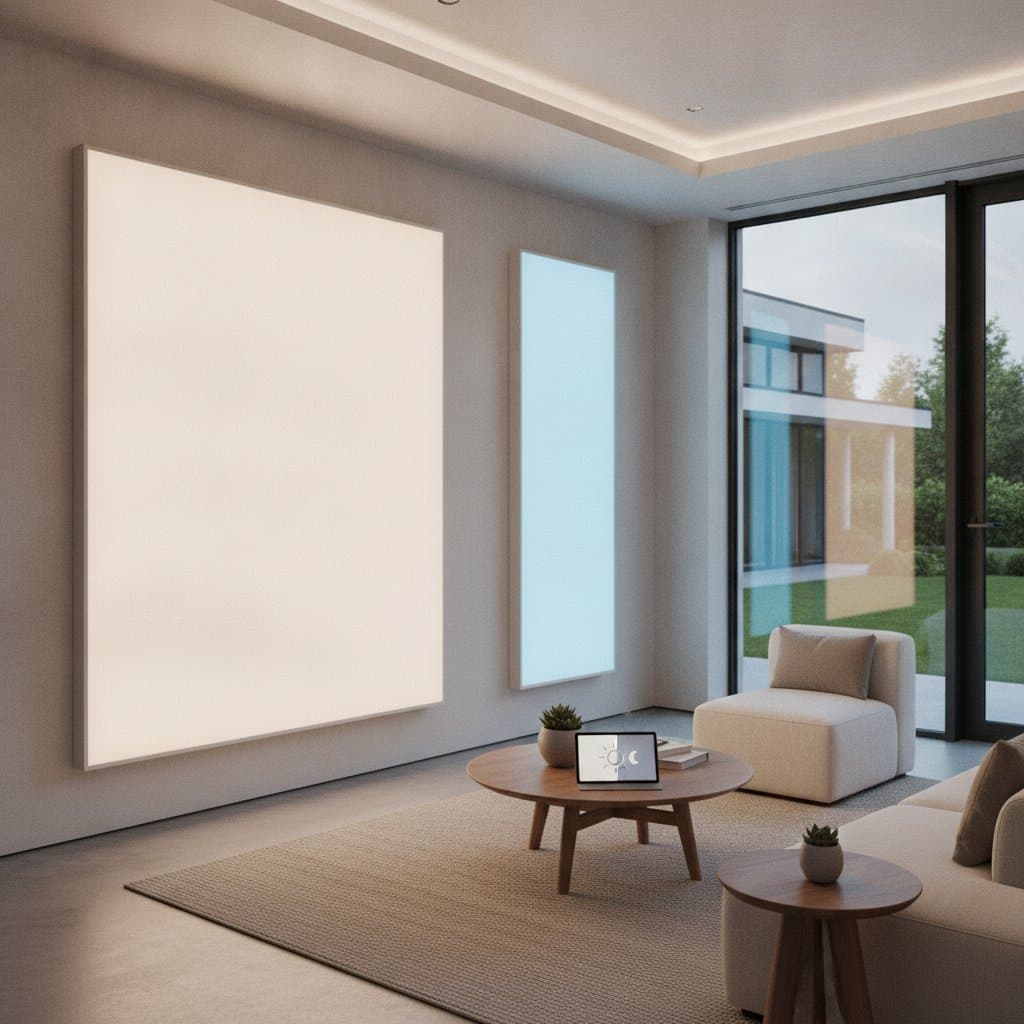
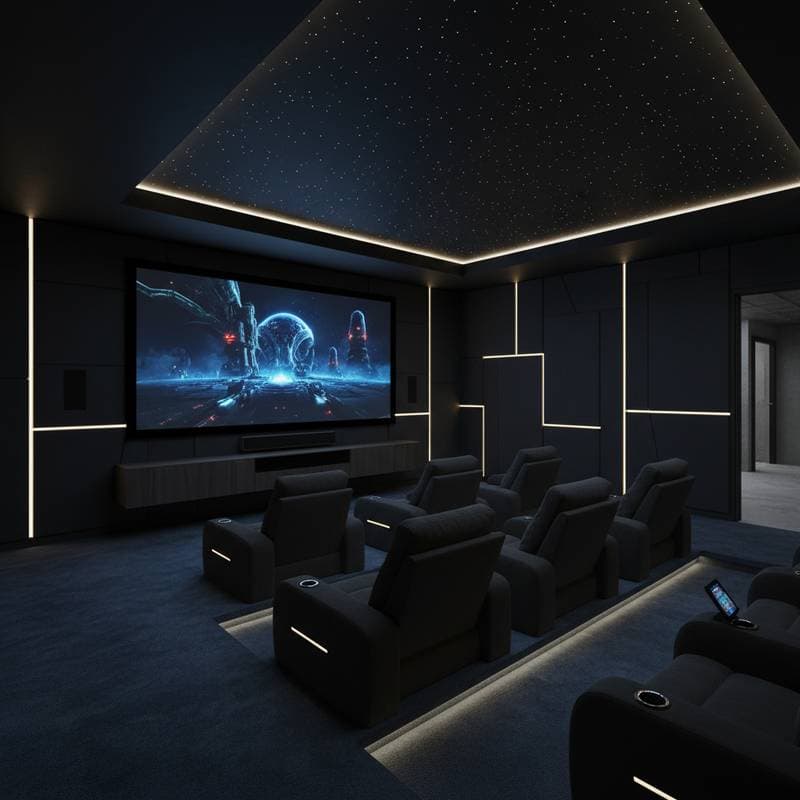
A blackout media room starts with complete light isolation. Motorized shades or panels block external light sources, ensuring optimal viewing conditions for projectors and screens. This foundation supports additional elements like acoustic paneling and tiered seating.
Beyond darkness, these rooms incorporate smart technology. Integrated systems control lighting, sound, and temperature through voice commands or apps. The result is a seamless experience that enhances daily life and impresses potential buyers.
Designers emphasize durability and aesthetics. Materials such as velvet upholstery and wood accents provide luxury without overwhelming the space. Proper ventilation prevents overheating from equipment, maintaining comfort during extended use.
Key Benefits for Homeowners
The primary advantage is enhanced comfort. Full blackout capabilities eliminate glare, allowing for true cinematic immersion at any time of day. This feature proves invaluable in sunny climates like Los Angeles, where natural light can disrupt activities.
Resale value stands out as a major draw. Real estate experts project that well-executed media rooms will contribute $30,000 to $40,000 toward a home's market price by 2026. Buyers prioritize multifunctional spaces that blend entertainment with relaxation.
Energy efficiency adds another layer. Automated systems reduce reliance on manual adjustments, and LED lighting minimizes power consumption. These rooms also serve as quiet retreats, promoting better rest and productivity in busy households.
2026 Design Trends
Modular furniture leads the trends for next year. Sectional sofas with built-in storage adapt to different group sizes, maximizing space in urban homes. Neutral palettes with subtle accents create timeless appeal that aligns with broader interior styles.
Sustainable materials gain prominence. Recycled fabrics for curtains and low-VOC paints ensure eco-friendly builds. Solar-powered shades integrate renewable energy, appealing to environmentally conscious buyers.
Smart integrations evolve rapidly. AI-driven acoustics adjust sound based on room occupancy, while holographic displays offer cutting-edge visuals. These innovations position blackout media rooms as forward-thinking investments.
Cost Breakdown and Budgeting
Installation costs range from $15,000 for basic setups to $70,000 for premium configurations. Entry-level options include manual blackout curtains and a standard sound system, suitable for smaller rooms. Mid-range builds add automation and custom cabinetry for around $30,000 to $50,000.
High-end projects incorporate professional calibration for audio-visual equipment, pushing expenses higher. Factor in room size; a 200-square-foot space requires less investment than a 400-square-foot one. Labor accounts for 40 percent of the total, with materials making up the rest.
To manage budgets, prioritize essentials first. Start with blackout features and acoustics, then layer in tech upgrades. Financing options through home improvement loans can spread costs over time, making the project accessible.
Calculating Return on Investment
ROI depends on execution and location. In competitive markets, a $40,000 media room can yield 80 to 100 percent recovery upon sale. Appraisers value these spaces for their appeal to millennials and Gen Z buyers, who seek tech-savvy homes.
Long-term savings contribute to the equation. Reduced energy bills and increased property appeal offset initial outlays. Track improvements with before-and-after valuations to quantify gains.
Market data supports optimism. Homes with dedicated entertainment areas sell 20 percent faster than comparable properties without them. This speed translates to real financial benefits for sellers.
Expert Tips for Implementation
-
Assess your space. Measure the room and evaluate existing wiring to determine feasibility. Consult a specialist to avoid costly retrofits.
-
Choose scalable tech. Opt for systems that allow future expansions, such as wired networks for high-bandwidth streaming.
-
Focus on acoustics early. Install bass traps and diffusers during construction to prevent echo issues that diminish enjoyment.
-
Integrate with home design. Ensure the room flows visually with adjacent areas, using shared color schemes for cohesion.
-
Test for usability. Conduct trial runs with family to refine layouts and controls before finalizing.
-
Hire certified professionals. Look for AV integrators with experience in blackout installations to guarantee quality.
Realizing the Full Potential
Investing in a blackout media room transforms ordinary homes into desirable retreats. The combination of comfort, technology, and value appreciation makes it a smart choice for 2026. Homeowners who plan thoughtfully will enjoy immediate benefits while securing long-term gains.
These spaces foster quality time and relaxation, elevating everyday living. As trends evolve, early adopters position themselves ahead in the housing market. Consider starting your project today to capture the projected $40,000 uplift.