The Value of Mirrored Home Gyms in Modern Living
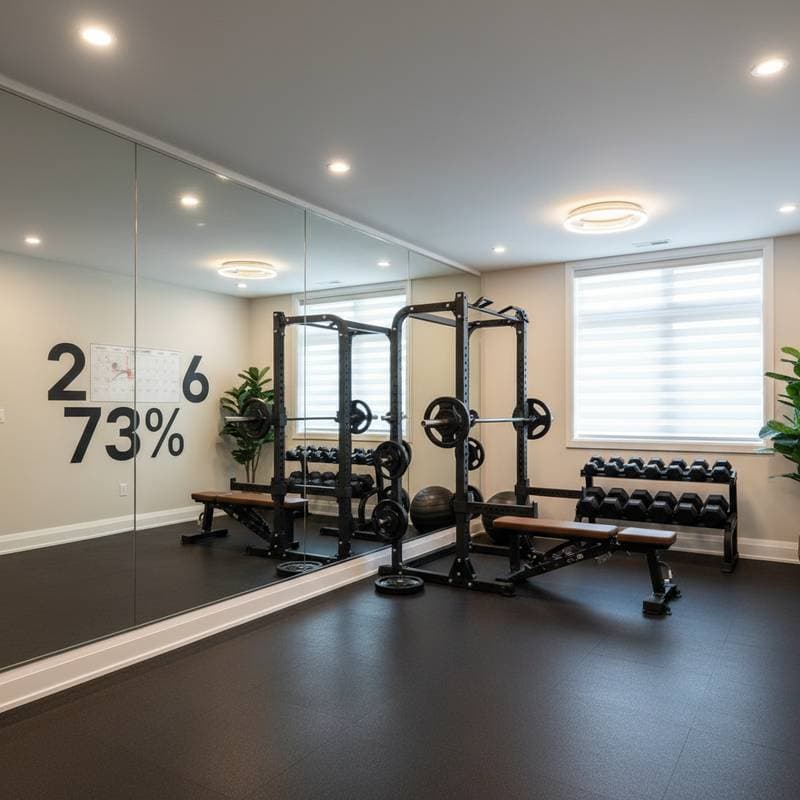
Home gyms have become essential spaces in many residences, particularly as fitness routines integrate into daily life. Installing mirrors in these areas serves multiple purposes beyond reflection during exercises. These features create an illusion of expanded space, improve lighting distribution, and elevate the overall aesthetic appeal of the room.
Mirrors also contribute to safety by allowing users to monitor form and posture without distraction. In terms of property enhancement, such installations signal thoughtful design choices that appeal to health-conscious buyers. This combination of functionality and style positions mirrored home gyms as smart investments.
Understanding the Return on Investment
Real estate trends indicate that dedicated fitness spaces, including those with mirrors, add significant value to properties. Projections suggest that by 2026, homeowners can expect a 73 percent return on the investment for such upgrades. This figure derives from increased resale values driven by demand for wellness-oriented homes.
The calculation considers average installation costs ranging from $1,500 to $5,000, depending on room size and mirror quality. Resale appraisals often value these enhancements at a premium, reflecting buyer preferences for move-in-ready amenities. Factors like location and market conditions influence the exact return, but the overall trend remains positive.
Benefits of Mirrors in Home Gym Design
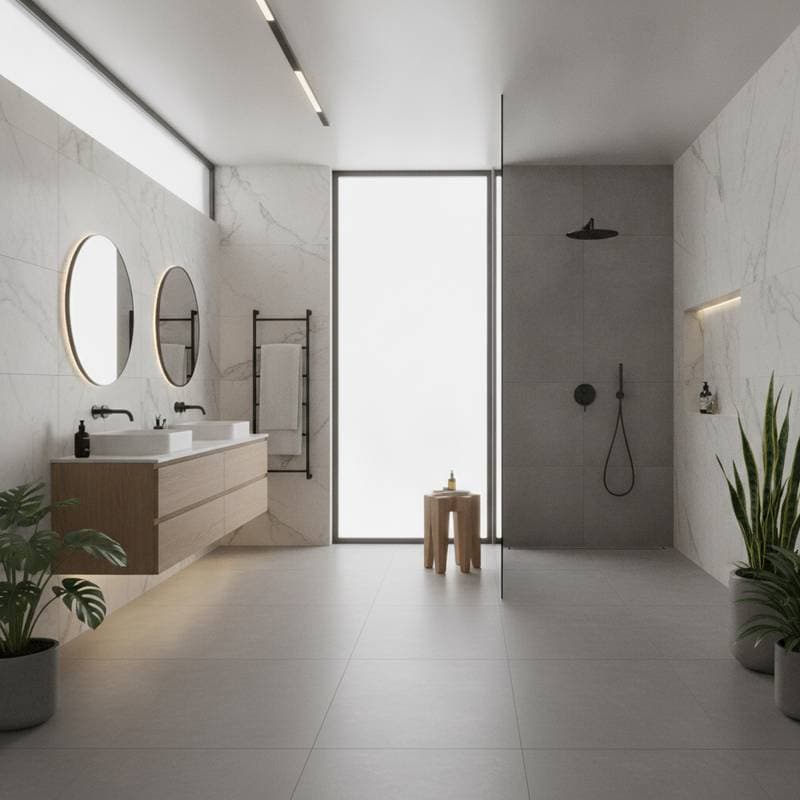
Mirrors transform compact rooms into visually larger environments, making workouts feel less confined. They reflect natural and artificial light, reducing the need for additional fixtures and creating a brighter atmosphere. This effect enhances motivation during exercise sessions.
From a design perspective, mirrors introduce a sleek, contemporary look that complements various interior styles. They can integrate seamlessly with walls or stand as freestanding panels, offering flexibility in layout. Buyers appreciate this modern touch, which aligns with current preferences for minimalist and functional spaces.
Safety remains a key advantage. Proper placement allows individuals to check alignment and technique, minimizing injury risks. In shared households, mirrors provide oversight for multiple users, promoting efficient use of the space.
Selecting the Right Mirrors for Your Space
Choose mirrors based on durability and shatter resistance to ensure longevity in a high-traffic area. Frameless options provide a clean, borderless appearance that maximizes the room's perceived size. Consider tempered glass for added strength and safety.
Size matters for optimal coverage. Full-wall installations suit larger rooms, while sectional panels work well in smaller setups. Measure the space carefully to avoid overwhelming the area or leaving gaps that disrupt the visual flow.
Integration with other elements enhances the design. Pair mirrors with rubberized flooring for grip and noise reduction, or add built-in storage for equipment. These combinations create a cohesive, professional-grade gym environment.
Installation Best Practices
Professional installation guarantees secure mounting and alignment. Begin by assessing wall composition; drywall requires anchors, while concrete demands specialized tools. Ensure mirrors sit flush against surfaces to prevent gaps or distortions.
Lighting placement complements the mirrors effectively. Position fixtures to avoid glare, directing light toward the center of the room. Dimmable options allow adjustments for different times of day or workout intensities.
Maintenance involves regular cleaning with non-abrasive solutions to preserve clarity. Avoid harsh chemicals that could damage coatings. Periodic checks for loose fittings maintain safety and appearance over time.
Design Tips for Maximum Appeal
- Opt for custom-cut mirrors to fit irregular spaces precisely.
- Incorporate LED strips behind edges for subtle illumination.
- Use neutral frames if borders are necessary, blending with wall colors.
- Position mirrors opposite windows to amplify natural light.
- Combine with motivational wall art or plants for a balanced, inviting feel.
These strategies not only improve usability but also boost the room's marketability. Potential buyers view such details as evidence of quality craftsmanship.
Calculating and Maximizing Your ROI
To estimate returns, review local real estate data for comparable properties with fitness features. Appraisers often add 50 to 100 percent of upgrade costs to home valuations. By 2026, rising demand for home wellness spaces will likely push this figure higher.
Enhance ROI through energy-efficient additions, like low-voltage lighting paired with mirrors. These elements appeal to eco-conscious buyers and may qualify for incentives. Document all improvements for future appraisals to substantiate value claims.
Market timing plays a role. Selling in areas with active fitness communities yields better returns. Consult real estate professionals to align upgrades with buyer demographics.
Long-Term Advantages for Homeowners
Beyond financial gains, mirrored home gyms support consistent fitness habits. The professional setup encourages regular use, contributing to health benefits that extend property ownership. This dual value makes the investment worthwhile regardless of resale plans.
As lifestyles evolve, such spaces adapt easily to trends like virtual training or yoga studios. Versatility ensures the gym remains relevant, preserving its contribution to home equity. Homeowners enjoy immediate improvements in daily living while building future security.