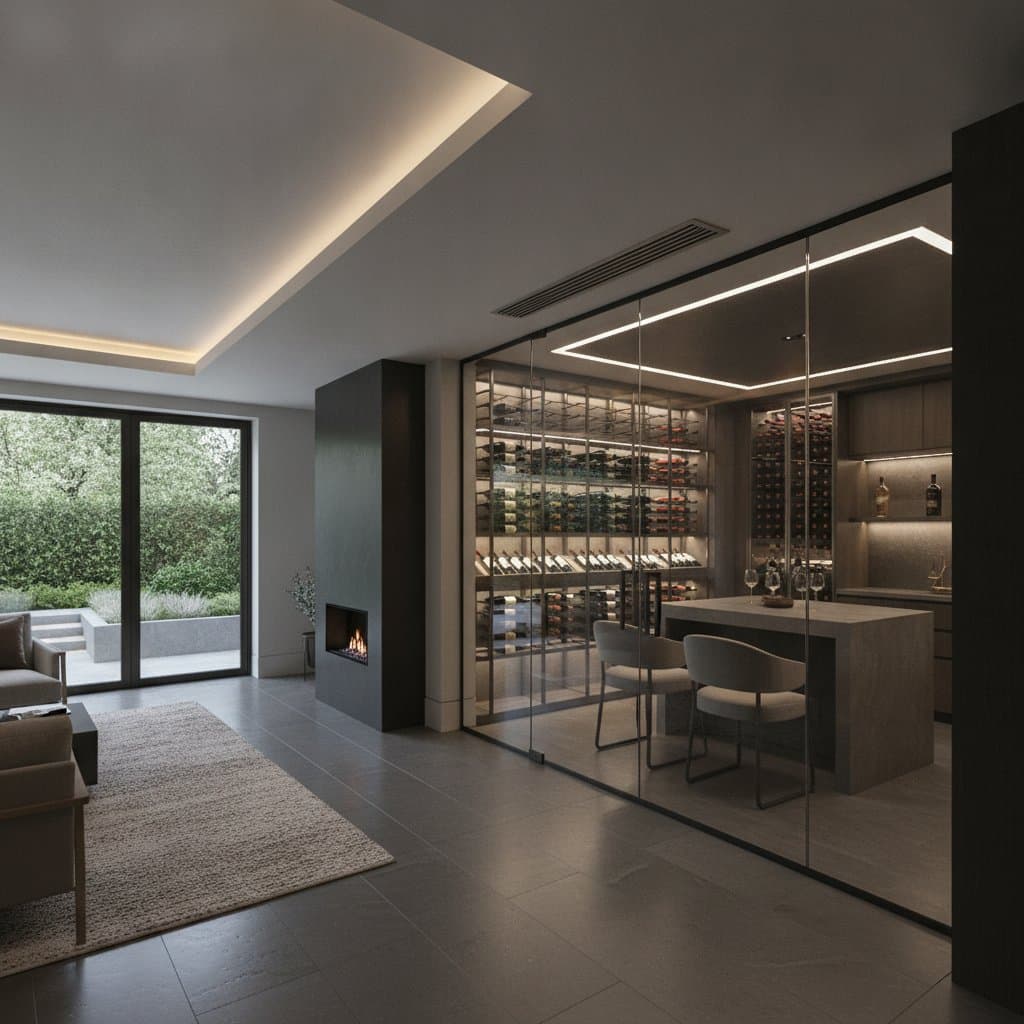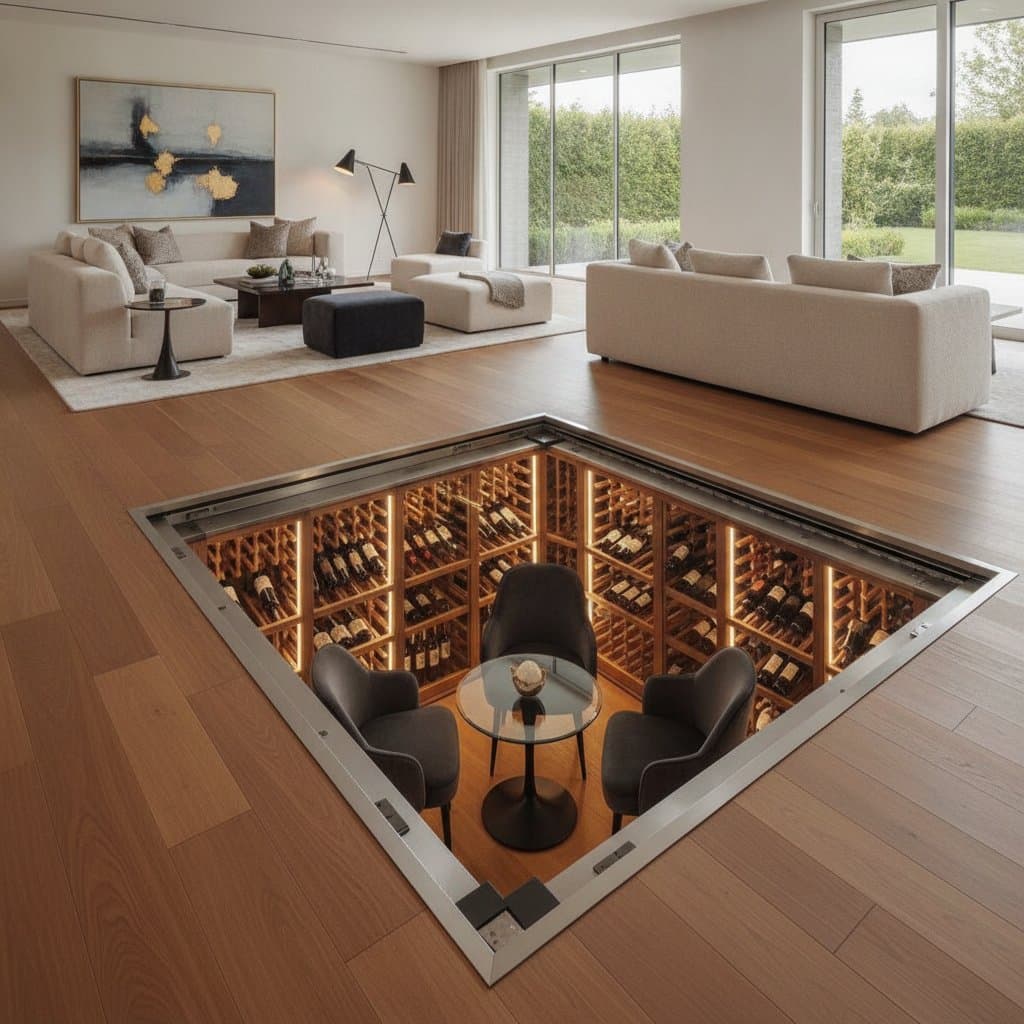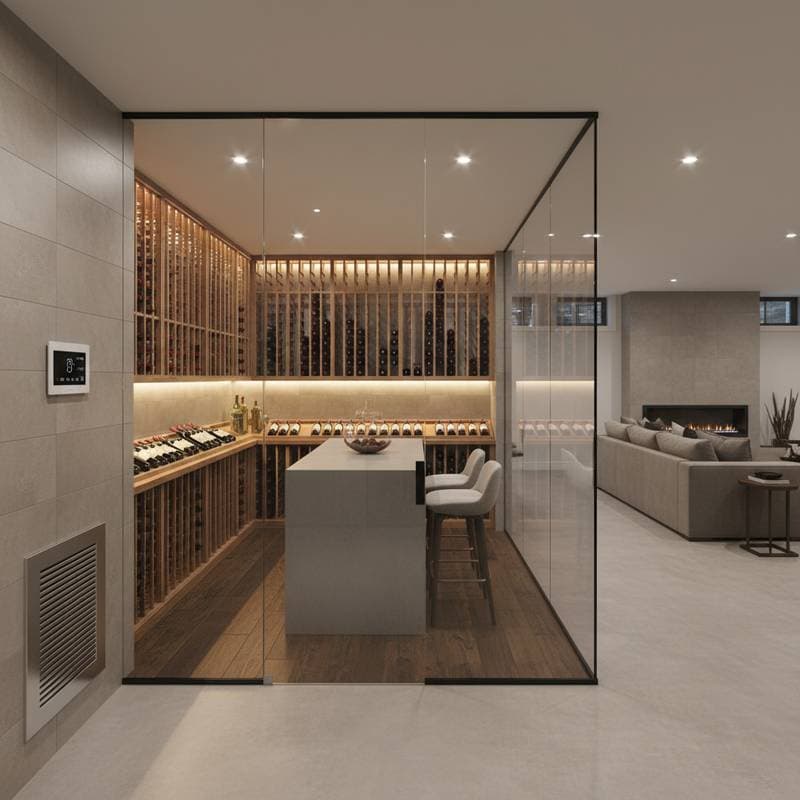
Introduction to Wine Cellar Investments
Investing in a custom wine cellar elevates a luxury home beyond aesthetics, directly enhancing resale value by up to 15% according to recent market analyses. These specialized spaces preserve collections while signaling sophistication to potential buyers. Homeowners who prioritize quality construction and maintenance realize long-term returns that outweigh initial costs.
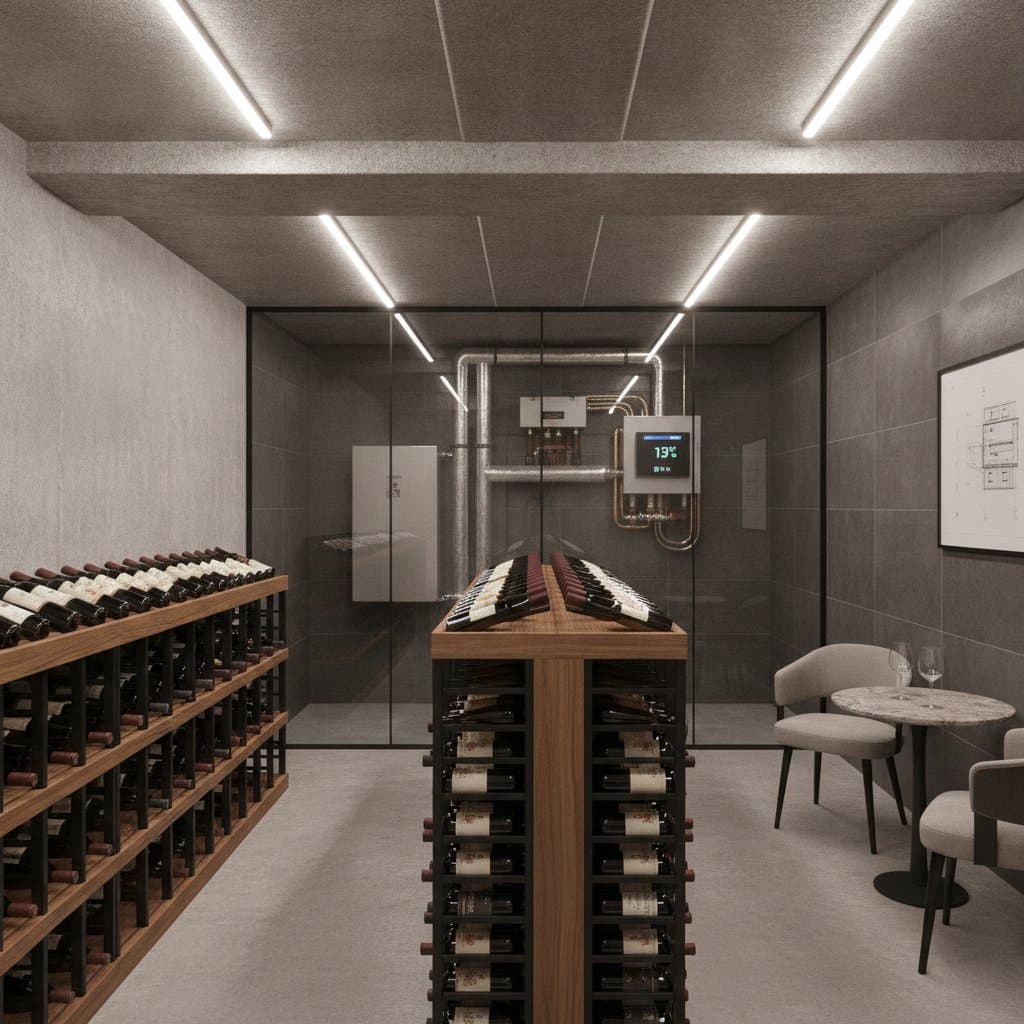
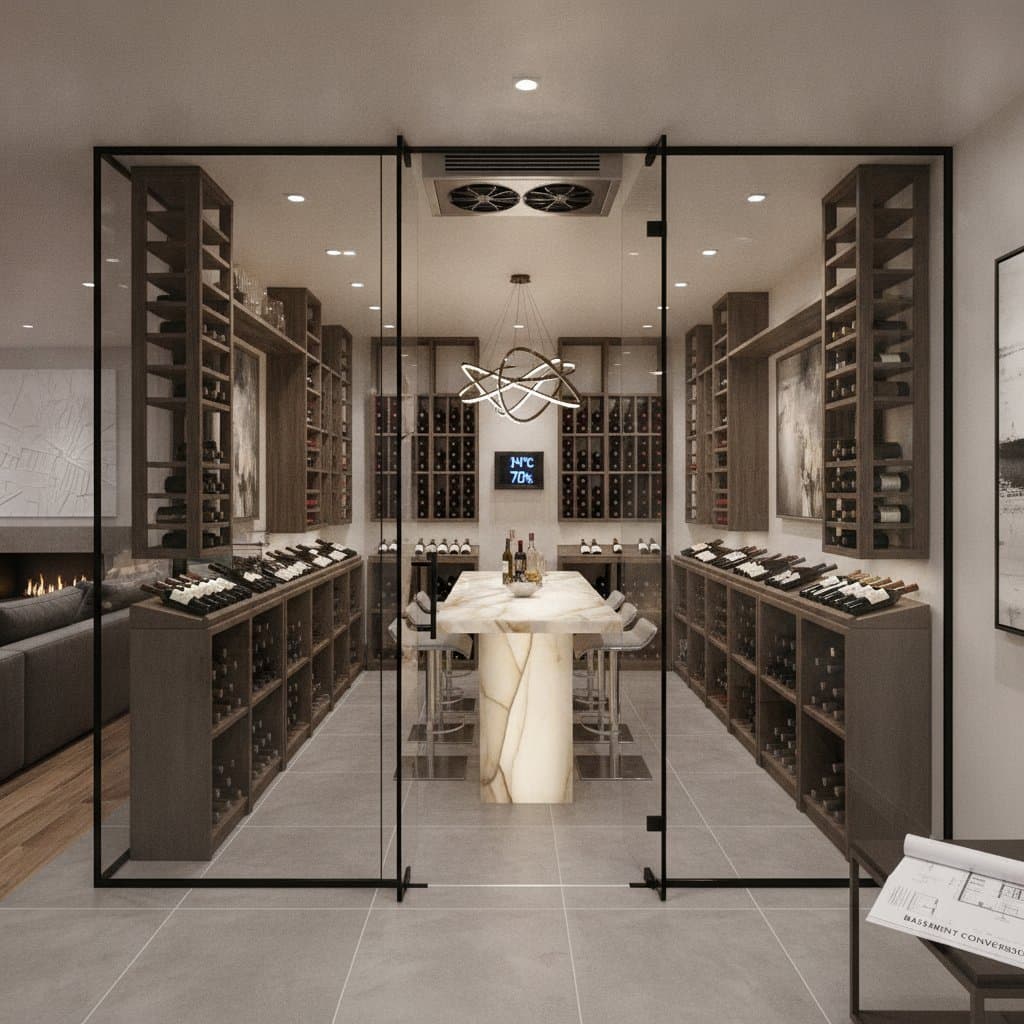
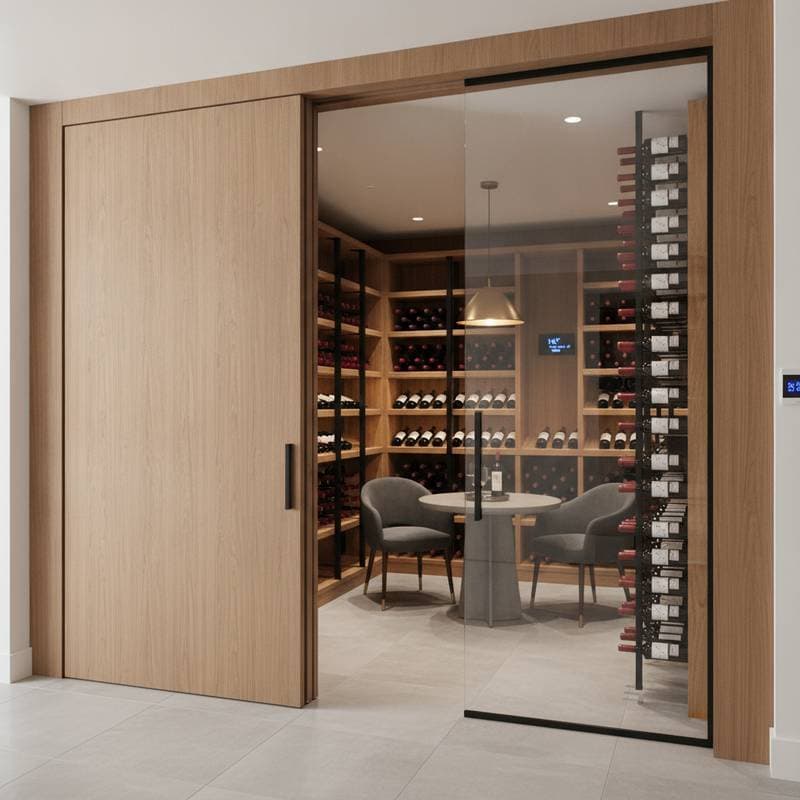
The appeal lies in blending functionality with luxury. A well-designed cellar maintains optimal conditions for wine storage, preventing spoilage and degradation. As luxury real estate trends evolve, such features distinguish properties in competitive markets, particularly in regions like Los Angeles where Habitat Group LA specializes in high-end renovations.
Budgeting for Your Wine Cellar
Establish a realistic budget to ensure the project aligns with financial goals. Basic installations start at $12,000 for compact, DIY-assisted closets, while elaborate showcase cellars reach $100,000 or more, incorporating premium materials and advanced systems. Factor in location-specific costs, such as seismic reinforcements in California homes.
Allocate funds across key components: racking systems (20-30% of total), cooling units (25-35%), and insulation (15-20%). Budget an extra 10 to 15 percent for unforeseen issues in older homes, particularly if foundation sealing or sump pump upgrades prove necessary. Detailed planning prevents budget overruns and supports the projected 15% ROI upon resale.
DIY Versus Professional Installation
Decide between handling portions of the project yourself or engaging experts based on skill level and complexity. DIY approaches suit straightforward tasks, offering cost savings, while professional involvement ensures compliance and longevity.
Tasks Suitable for DIY
- Demolition, framing, and basic insulation installation.
- Placement of vapor barriers and rigid foam insulation under guided supervision.
- Painting and sealing of non-structural surfaces.
Tasks Requiring Professional Expertise
- Cooling system setup. Improper installation risks condensation buildup or mold growth.
- Electrical wiring and lighting. Local codes demand dedicated circuits and GFCI outlets for safety.
- Moisture barrier application. Even minor oversights can damage racks or wine labels over time.
- Custom racking fabrication. Precise measurements maximize space efficiency and enhance visual appeal.
Assessing Skills and Risks
DIY efforts can reduce expenses by up to 20 percent, yet errors in vapor sealing often lead to costly repairs exceeding $5,000. Monitor for signs of trouble, such as condensation or elevated humidity levels; halt work immediately and consult a licensed HVAC technician or cellar specialist if issues arise.
Essential Tools for DIY Work
- Digital moisture meter for accurate readings.
- Stud finder and precision level for alignment.
- Insulation stapler for secure fastening.
- Caulk gun loaded with vapor barrier sealant.
- Comprehensive safety gear, including gloves, respirator, and eye protection.
Avoid any interaction with live electrical wiring or refrigerant lines without proper certification. Always disconnect power sources prior to electrical modifications.
Ongoing Maintenance and Warranty Considerations
Sustain the cellar's performance through regular upkeep, extending its lifespan and preserving investment value. Consistent monitoring prevents common failures and maintains the controlled environment essential for wine quality.
Essential Routine Maintenance
- Measure humidity levels monthly, aiming for 55 to 70 percent relative humidity.
- Clean cooling unit filters quarterly to ensure optimal airflow.
- Examine door seals monthly for gaps, leaks, or condensation buildup.
- Apply moisture-resistant coatings to wooden racks every three to five years.
Common Failure Points
Cooling units generally require replacement after 10 to 15 years of service. Racks and insulation endure for decades when kept dry and stable. Flooring integrity depends on effective drainage and vapor barriers; shifts or cracks signal underlying moisture problems.
Understanding Warranties
- Cooling units: Coverage spans two to five years under standard terms.
- Racking systems: Structural components carry lifetime warranties, with finishes under limited protection.
- Installation services: One-year guarantees prevail, though custom agreements may extend this period.
Retain all receipts, manuals, and warranty documentation. Manufacturers often mandate evidence of professional installation to validate claims.
Ensuring Safety and Regulatory Compliance
Prioritize safety protocols from project inception to avoid hazards and legal complications. Thorough preparation safeguards occupants, property, and the investment itself.
Conduct preliminary assessments for:
- Electrical disconnects within the designated work area.
- Adequate ventilation during insulation and adhesive curing processes.
- Absence of gas lines in walls targeted for racking or anchoring.
- Concrete floor moisture evaluation to detect potential mold risks.
Verify local regulations, including HOA guidelines or historical preservation rules, which may restrict basement modifications. Engage licensed contractors for all refrigerant handling and electrical circuits to meet building codes.
Step-by-Step Guide to Building Your Cellar
Approach construction methodically to capture the full 15% value increase without unnecessary expenditures. Begin modestly if budget constraints apply, designing for future scalability.
Step 1: Select the Ideal Space. Opt for basements or interior rooms with naturally stable temperatures. Steer clear of garage conversions without comprehensive insulation upgrades.
Step 2: Perform a Baseline Humidity Assessment. If readings exceed 65 percent, install a dehumidifier prior to any framing work.
Step 3: Develop Layout Plans. Account for desired bottle capacity, minimum 2-foot walkway widths, and optional tasting zones. Ensure sufficient clearance for air circulation.
Step 4: Consult a Specialist. A professional design review, priced at $300 to $800, identifies pitfalls and refines plans effectively.
Step 5: Obtain Multiple Quotes. Solicit bids from at least three licensed contractors, evaluating material specifications like insulation types and cooling brands alongside pricing. Request written proposals detailing vapor barriers and system integrations.
Step 6: Finalize Lighting Choices. Integrate recessed LED fixtures or low-heat strip lighting to minimize label fading. Exclude high-heat options such as halogen or incandescent bulbs.
Step 7: Incorporate Maintenance Accessibility. Allocate space around cooling equipment for routine filter replacements and servicing.
Step 8: Document All Expenditures. Maintain detailed records to support resale appraisals and insurance evaluations.
Securing Long-Term Benefits
A wine cellar transcends mere storage, becoming a cornerstone of home enhancement and market differentiation. Define objectives early, whether focused on collection preservation, social entertaining, or a combination thereof. Align choices with available space, financial resources, and personal expertise.
Prioritize humidity regulation through a dependable cooling system as the foundational upgrade. This measure averts recurring issues and safeguards investments. With diligent monitoring and care, the cellar not only nurtures fine wines but also elevates the property's stature in luxury real estate circles.