Unlock 15 Percent More Value in Luxury Homes with 2026 Wine Cellar Innovations
Expected return: Up to 15 percent increase in resale value for luxury properties featuring a professionally installed, climate-controlled wine cellar.
A wine cellar extends beyond storage for enthusiasts. It serves as a sophisticated element that enhances property appeal in upscale real estate markets, where discerning buyers seek distinctive amenities. The 2026 trends emphasize seamless integration of advanced technology, eco-conscious practices, and versatile designs that transform cellars into inviting social hubs.
Homeowners who invest in these upgrades often report not only elevated aesthetics but also practical benefits, such as preserved wine quality and increased square footage utilization. Real estate experts note that such features differentiate listings in competitive luxury segments, drawing premium offers from collectors and entertainers alike. With careful planning, this addition aligns personal enjoyment with financial gain.
Emerging Trends Shaping 2026 Wine Cellars
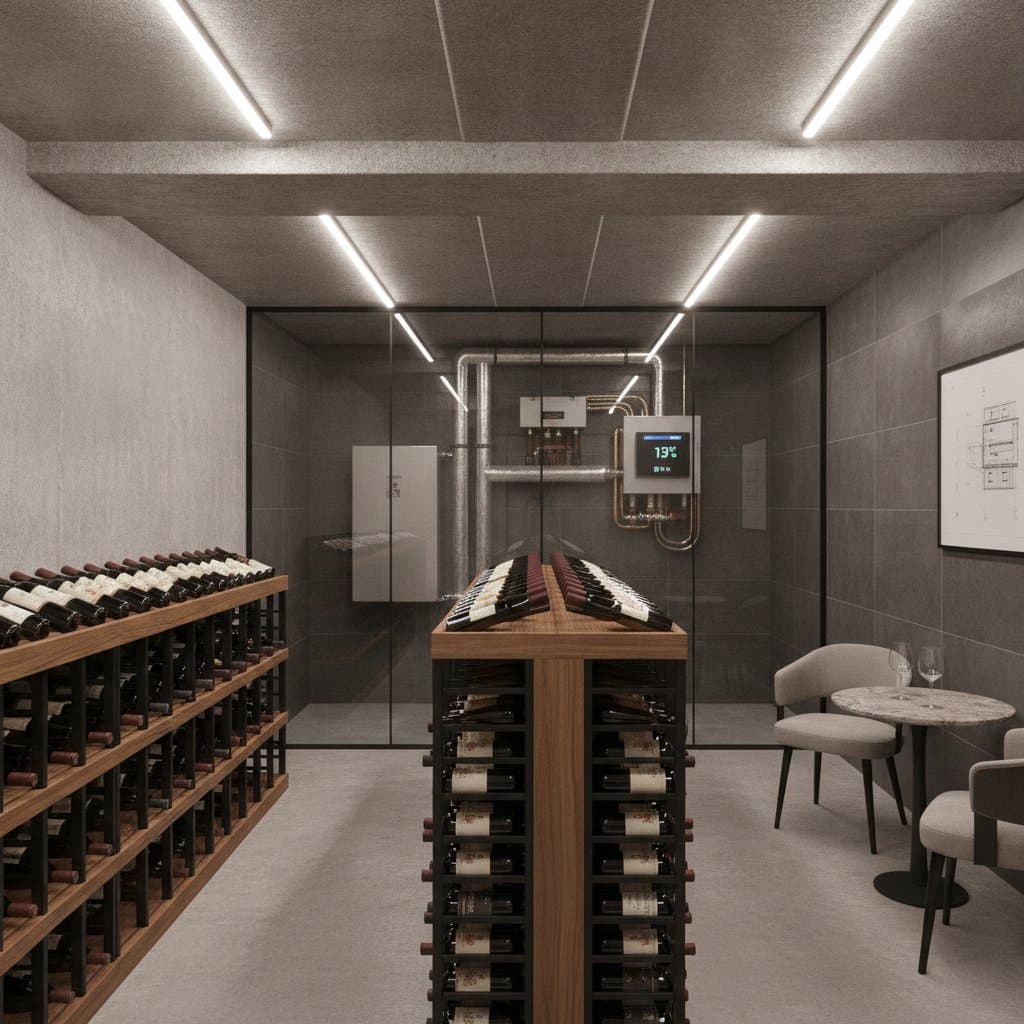
Sustainability leads the way in 2026 designs, with solar-powered cooling units and reclaimed wood racking reducing environmental impact while maintaining functionality. Smart technology integrates apps for remote monitoring of temperature and humidity, alerting owners to fluctuations via smartphone notifications. These systems ensure optimal conditions of 55 to 60 degrees Fahrenheit and 50 to 70 percent humidity, safeguarding collections year-round.
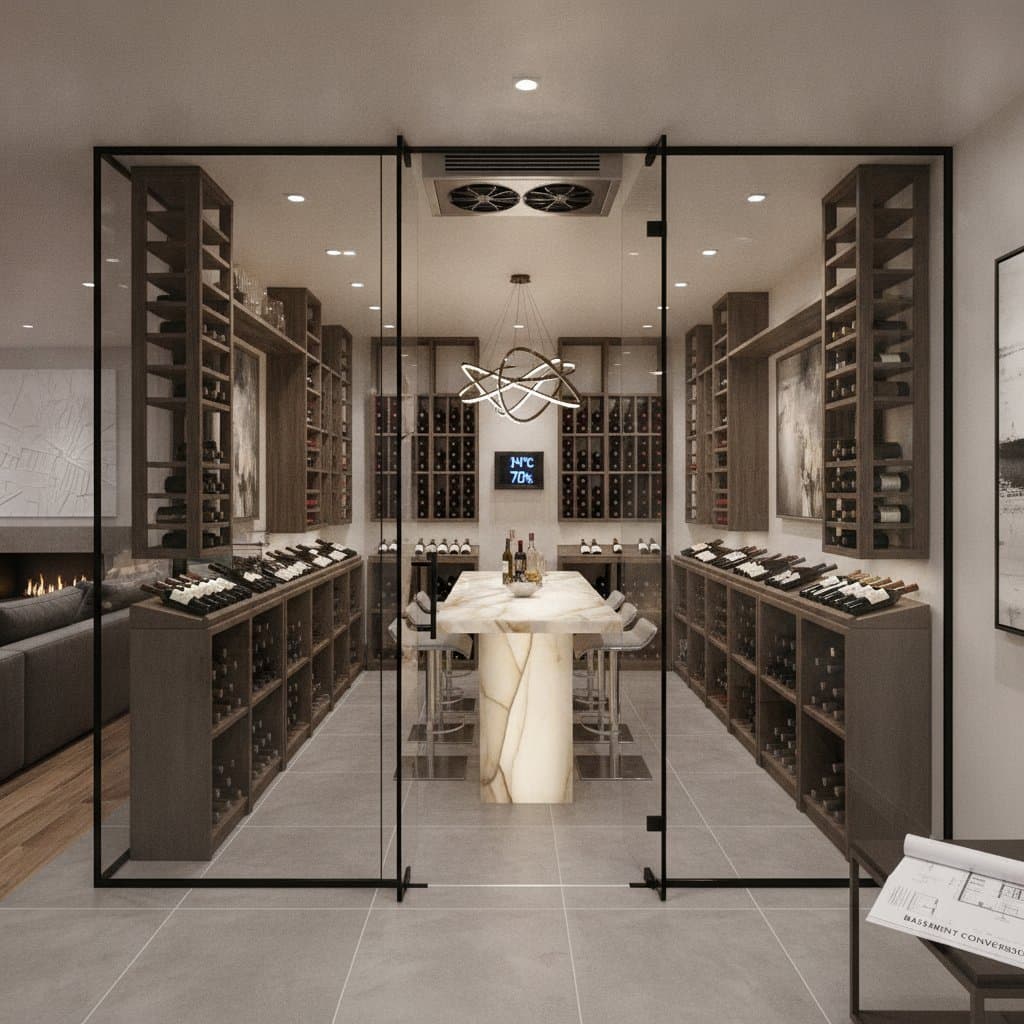
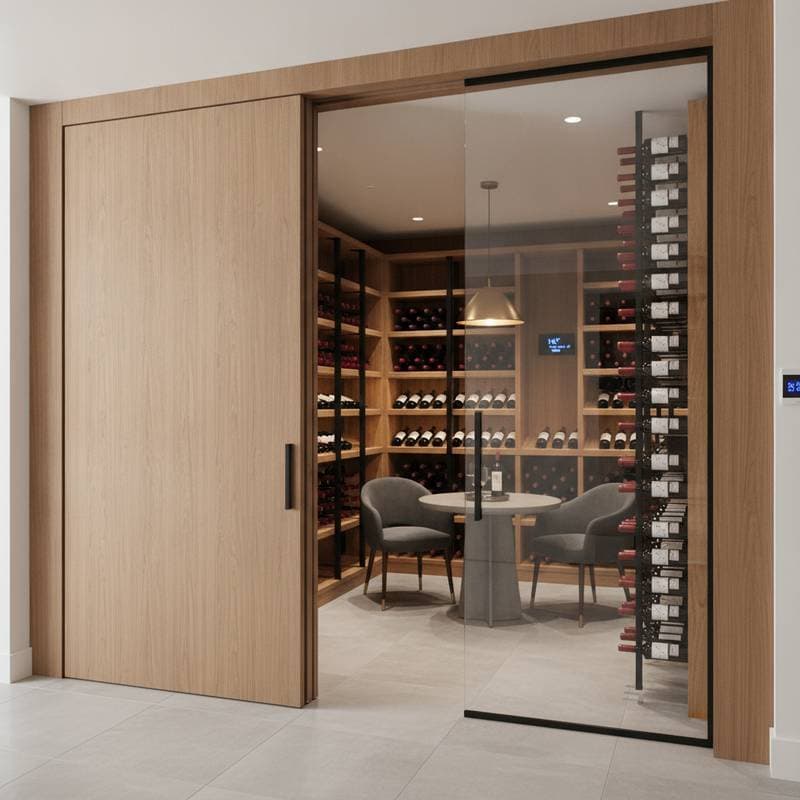
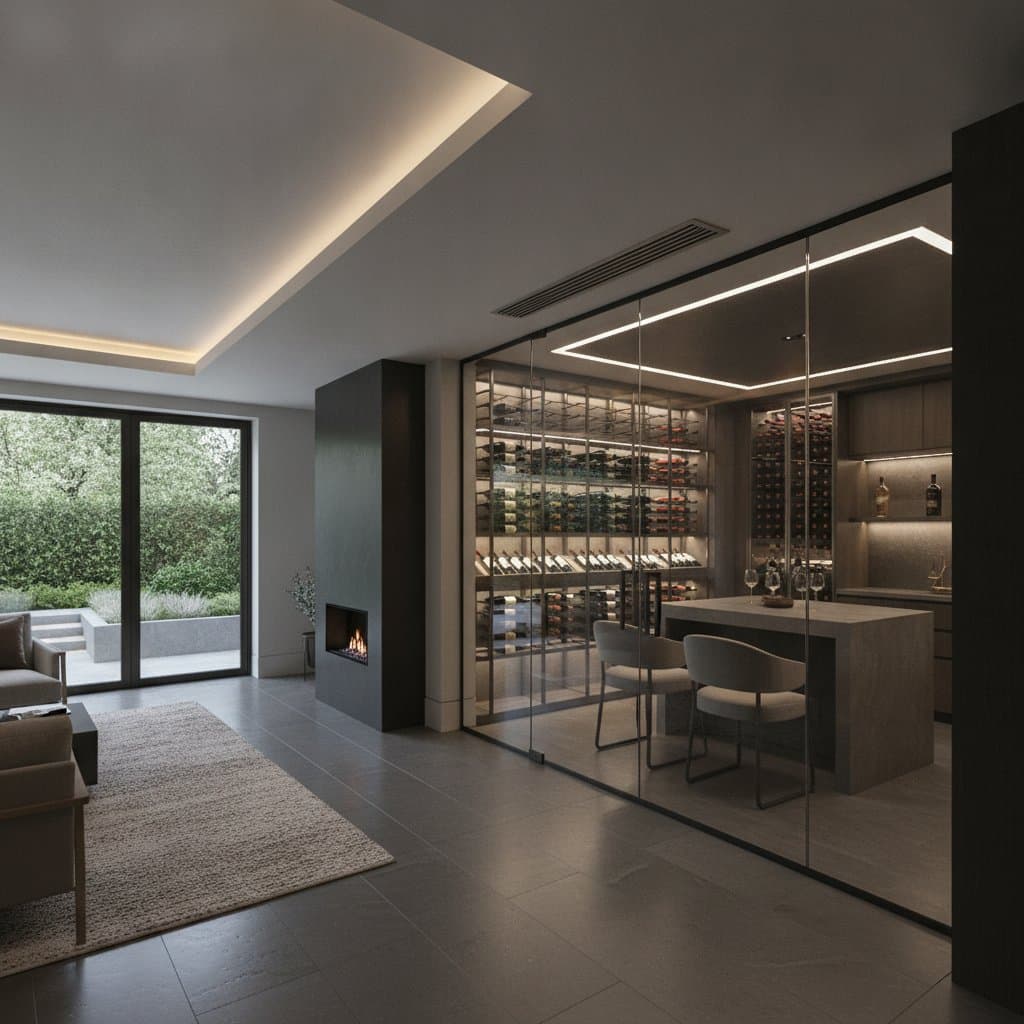
Glass-walled enclosures gain popularity for their modern transparency, allowing cellars to double as display areas in open-concept basements or kitchens. Multifunctional layouts incorporate tasting stations with built-in refrigeration for immediate serving, blending storage with entertainment. Designers recommend customizable LED lighting that highlights bottle labels without generating excess heat, creating an ambiance that rivals professional sommelier spaces.
For those prioritizing longevity, hybrid materials like bamboo composites offer durability against moisture without the premium price of traditional hardwoods. These trends not only future-proof the installation but also appeal to eco-aware buyers, potentially accelerating sale timelines in green-certified neighborhoods.
Detailed Cost Breakdown
Understanding expenses helps homeowners budget effectively for a wine cellar project. Costs vary based on size, location, and customization, but a typical 200-square-foot installation ranges from $15,000 to $50,000. Below is a granular overview of key components.
-
Materials Selection – Choices in stone veneer, tempered glass walls, and racking systems account for approximately 40 percent of the total budget. Opt for engineered wood or recycled composites to reduce expenses by up to 30 percent over solid oak alternatives, while preserving structural integrity.
-
Cooling Infrastructure – Dedicated systems cost between $3,000 and $10,000, influenced by bottle capacity and integration needs. Ductless split units provide quiet operation and energy efficiency, though they require certified installation to comply with building standards.
-
Humidity Management – Essential vapor barriers, specialized sealants, and enhanced insulation add $1,500 to $4,000. These elements prevent mold growth and cork degradation, ensuring the cellar remains viable for decades.
-
Illumination and Surface Treatments – Custom LED strips, niche displays, and polished finishes contribute $500 to $3,000. Select dimmable options that accentuate architecture without compromising wine stability.
-
Regulatory and Workforce Expenses – Permits for mechanical installations and skilled labor range from $1,000 to $2,500. Factor in local inspections to avoid fines, particularly in areas with strict seismic or ventilation codes.
By prioritizing high-impact areas like cooling and materials, owners can allocate funds strategically for maximum return on investment.
DIY Options Versus Professional Expertise
Certain aspects of wine cellar creation suit hands-on homeowners, fostering personalization without excessive risk. However, complex elements demand specialist intervention to guarantee safety and performance.
Tasks Suitable for DIY Enthusiasts
- Sketch detailed layouts and select modular racking configurations using online planning tools.
- Assemble prefabricated racks and apply protective paints or finishes to walls.
- Incorporate low-voltage decorative lighting where existing wiring complies with electrical codes.
Scenarios Requiring Professional Services
- Deployment of cooling or dehumidification systems to achieve precise environmental controls.
- Extension of electrical circuits or addition of drainage solutions for spill management.
- Application of vapor barriers and structural reinforcements in damp basement environments.
Undertaking DIY elements can lower overall costs by 20 percent, yet improper execution risks wine spoilage from inconsistent conditions. Engage a licensed HVAC professional to maintain the ideal 55 to 60 degrees Fahrenheit range, extending the cellar's operational lifespan and protecting the investment.
Strategic Timing and Cost-Saving Measures
Construction timelines span 4 to 6 weeks for standard projects, extending to 8 to 10 weeks for bespoke elements like etched glass or imported stone. Supply chain delays often affect cooling components, so initiate sourcing 3 to 6 months in advance to secure availability and pricing stability.
Efficiency measures include retaining original flooring to minimize demolition and selecting spaces with ceiling heights below 9 feet for simpler adaptations. Composite racking and energy-star certified units qualify for utility rebates, potentially offsetting 5 to 10 percent of expenses. In older properties, allocate an additional 10 to 15 percent buffer for unforeseen moisture remediation, preventing costly interruptions.
Align builds with off-peak seasons, such as late fall, to benefit from contractor availability and negotiated rates. This approach not only controls budgets but also ensures smoother execution.
Ongoing Maintenance for Long-Term Performance
Regular upkeep preserves the cellar's condition and value. Schedule quarterly checks to clean air filters, examine door seals, and monitor for glass condensation, addressing issues promptly to avoid escalation.
LED components typically last 50,000 hours, but proactive bulb replacements maintain visibility. Standard cooling warranties span 5 years; consider extended plans for comprehensive coverage against mechanical failures.
Store bottles horizontally to keep corks hydrated, and adhere to rack weight limits to prevent structural strain. These habits ensure the space remains a reliable asset, enhancing both usability and marketability over time.
Actionable Steps to Launch Your Project
-
Conduct an Environmental Evaluation – Hire specialists to assess current humidity and temperature in the proposed area, informing design choices.
-
Establish a Budget Framework – Define parameters around desired capacity, material quality, and additional features like bars or seating.
-
Solicit Multiple Quotes – Approach at least two wine cellar specialists for detailed proposals, comparing timelines and inclusions.
-
Schedule Ahead of Demand Peaks – Book during quieter periods to secure resources and expertise without premium surcharges.
-
Incorporate Lifestyle Enhancements – Integrate a compact tasting area or bar if layout permits, amplifying appeal for social gatherings.
Realize Lasting Benefits from Your Wine Cellar Investment
A thoughtfully constructed wine cellar reflects meticulous attention to detail, captivating potential buyers with its blend of luxury and utility. It repurposes overlooked spaces into enduring assets that deliver daily enjoyment alongside substantial equity growth. By following these guidelines, homeowners position their properties for optimal performance in evolving luxury markets.