
Flexible Living: Pocket Doors Add 11% Home Value
Pocket doors offer more than space savings. They increase a home's value by up to 11 percent when professionals install them using quality materials and contemporary designs. These doors slide into the wall rather than swinging outward, which creates adaptable rooms that appear larger and promote smoother traffic flow.
Homeowners seeking enhanced functionality and aesthetics without structural demolition find pocket doors an intelligent choice.
How Pocket Doors Work
A pocket door operates on a track mounted at the top, gliding into a recessed cavity within the wall. In the open position, the door vanishes entirely. In the closed position, it provides a secure barrier similar to a conventional hinged door.
Installers configure pocket doors as single units or pairs. Single doors suit standard interior passages. Double pocket doors excel in linking living areas to dining spaces or expansive primary bedrooms.
Materials for pocket doors include solid wood, glass, medium-density fiberboard, or composites. Current systems outperform earlier versions with smoother operation and reduced noise, thanks to ball-bearing rollers and soft-close mechanisms.
Typical Costs
| Task | Typical Cost | What Affects Price |
|---|---|---|
| DIY pocket door kit | $200 to $500 | Size, material, and finish |
| Professional installation | $800 to $2,500 | Wall type, labor rate, and door quality |
| Structural modification | $1,500 to $5,000 | Load-bearing walls or major framing changes |
| Glass or designer door | $700 to $1,800 | Custom design and hardware upgrades |
Costs fluctuate based on location. Urban regions command higher labor fees, particularly in older structures with plaster walls or intricate electrical setups.
DIY or Hire a Pro?
Consider a DIY approach if the following conditions apply:
- The wall does not bear structural loads.
- You possess experience with drywall cutting and basic carpentry tools.
- The doorway measures standard dimensions.
Opt for professional assistance in these scenarios:
- Potential presence of plumbing, gas lines, or electrical wiring within the wall.
- The wall supports overhead floors or roofs.
- Installation involves glass panels or substantial custom elements.
Professionals guarantee a plumb frame, level track, and unobstructed pocket. Misalignment, even minor, leads to friction or uneven wear that diminishes the door's longevity.
Homes under warranty or within condominium associations often mandate professional work to preserve insurance validity.
Design Options That Add Appeal
Glass Pocket Doors
These doors allow natural light to filter between rooms while preserving boundaries. Options like frosted or reeded glass deliver privacy alongside illumination.
Solid Wood Doors
Such doors impart warmth and acoustic insulation. They suit bedrooms and home offices effectively.
Barn-Style Pocket Doors
This style merges rustic elements with concealed mechanisms. The doors glide effortlessly yet remain invisible when retracted.
Soft-Close Systems
These features avert abrupt closures and prolong hardware durability. Prospective buyers regard them as upscale enhancements.
Trimless Designs
Flush-mounted pocket doors integrate seamlessly with walls in contemporary constructions. They complement minimalist aesthetics and luxury renovations.
Space-Saving Benefits
Pocket doors recover approximately 10 square feet of floor space per installation relative to swinging doors. This reclaimed area accommodates shelves, wall art, or additional furniture. In compact residences, such gains transform usability significantly.
Pocket doors prove particularly advantageous in these locations:
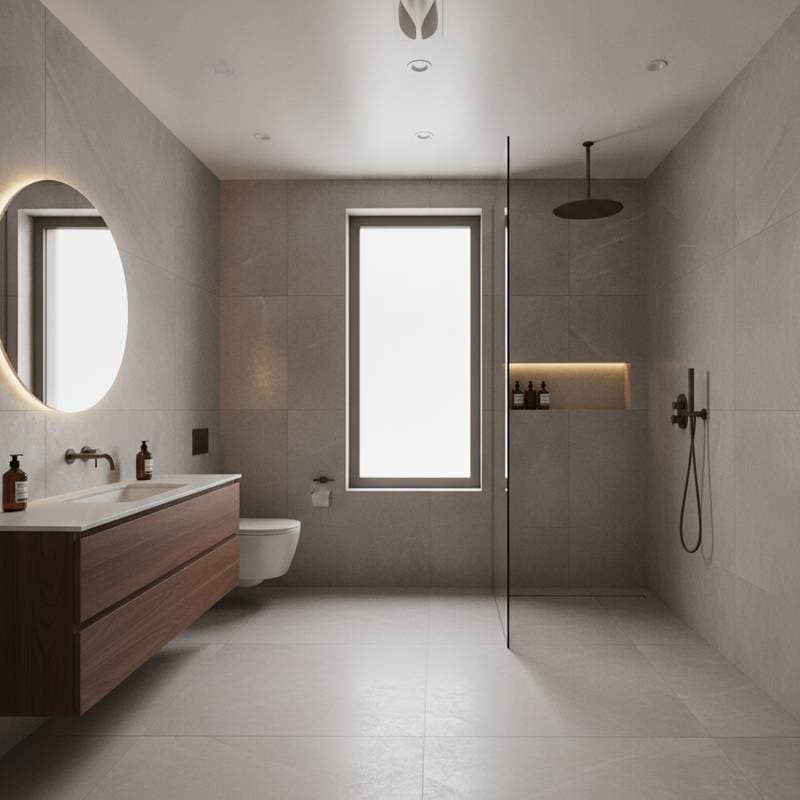
- Bathrooms adjacent to confined corridors.
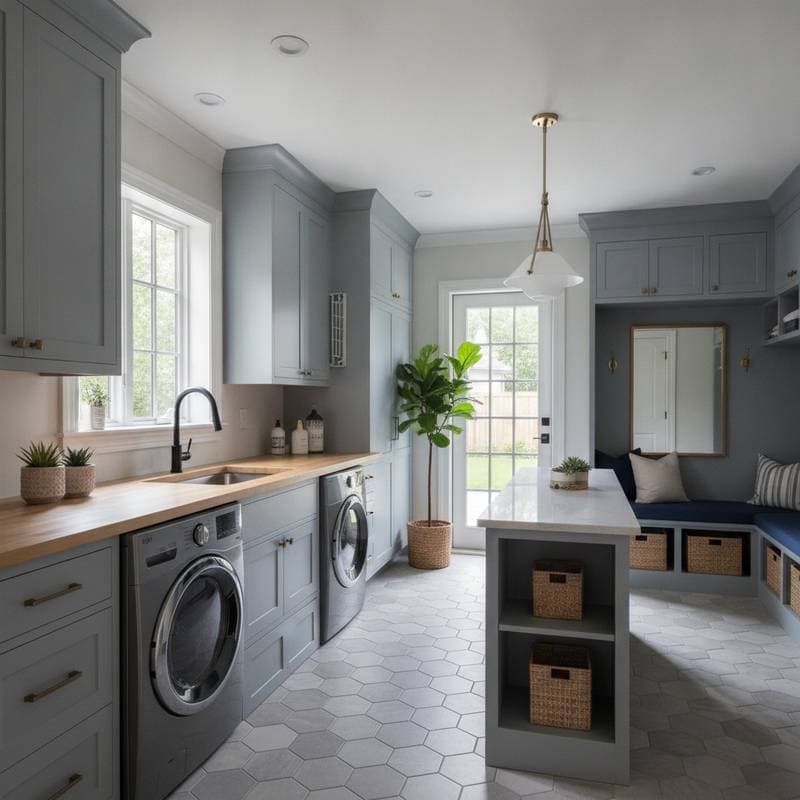
- Laundry spaces connected to kitchens.
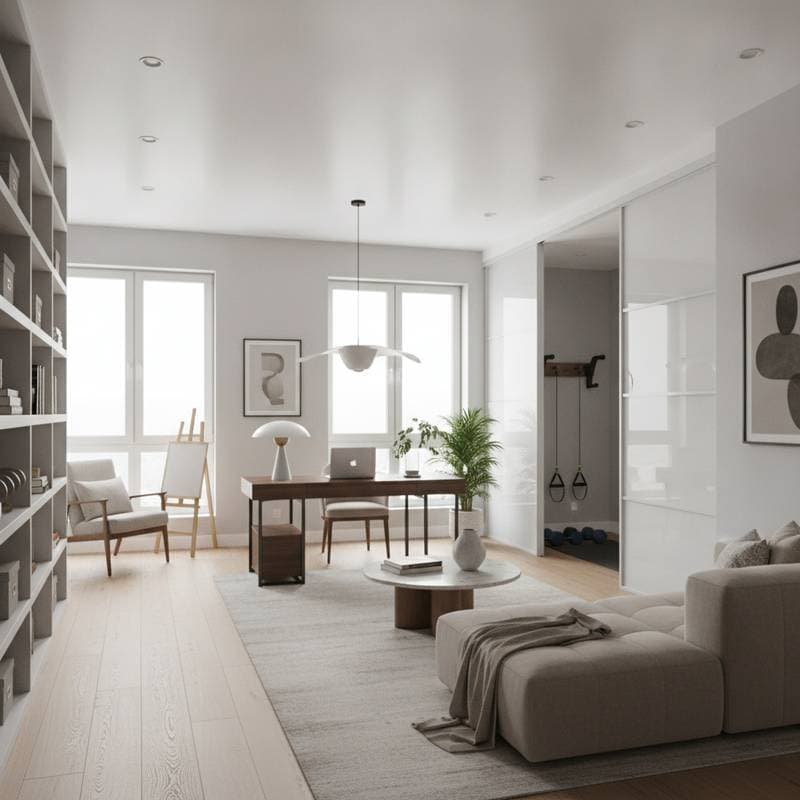
- Multifunctional home offices serving as guest quarters.
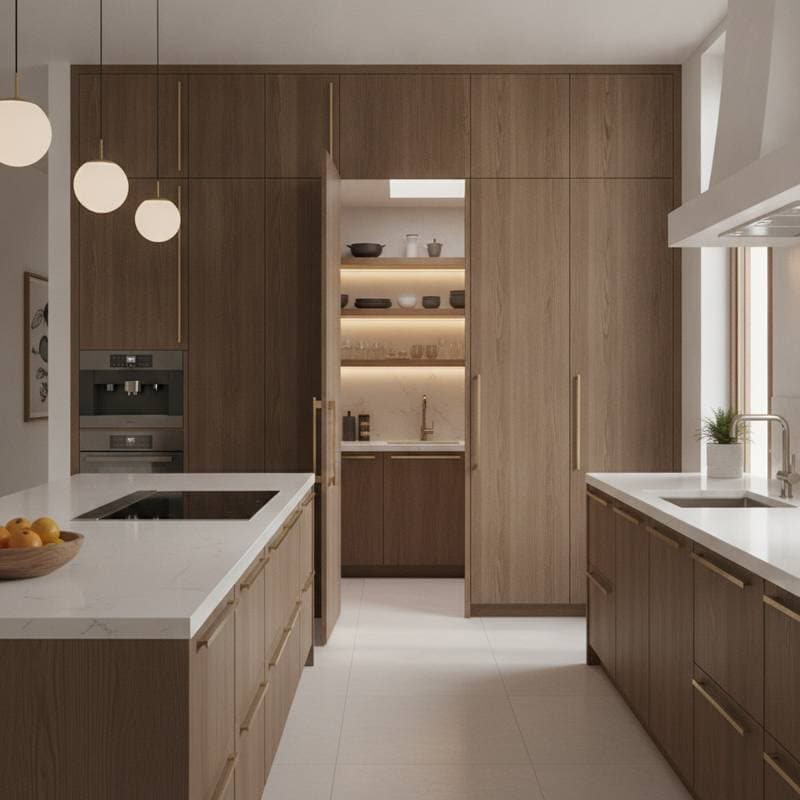
- Pantries and closets in cramped alcoves.
- Primary suites featuring distinct dressing zones.
The resulting streamlined configuration enhances perceived home size, thereby supporting higher resale prices.
Common Mistakes to Avoid
- Overlook wall inspections. Identify studs, conduits, and wiring prior to any incisions.
- Pair heavy doors with inadequate frames. Select hardware rated for the door's mass.
- Disregard precise alignment. Slight deviations produce friction or unsealed edges.
- Bypass building codes or fire standards. Certain walls demand compliant materials.
- Omit soft-close mechanisms. They bolster longevity and user experience.
When to Add Pocket Doors
Incorporate pocket doors during these projects:
- Extensive renovations or expansions.
- Refreshes to bathrooms or kitchens.
- Transformations of basements or attics.
- Shifts to open-concept arrangements emphasizing versatility.
- Modifications for accessibility, such as wheelchair navigation.
Avoid them for exterior applications or walls housing utilities. Verify structural integrity through expert evaluation before proceeding.
Safety and Code Notes
Wall alterations involve hazards. Disconnect power to the vicinity and employ a stud detector to map electrical paths. Encountering plumbing requires immediate halt and engagement of a certified plumber or builder. Eliminate load-bearing elements only after installing headers and obtaining engineer approval.
Glass components necessitate tempered variants for safety. Local regulations may stipulate thickness minima or certification markings.
Market Trends and Buyer Demand
Demand surges for adaptable interiors. Purchasers prioritize residences that accommodate remote work, extended family dynamics, and social gatherings. Pocket doors facilitate these needs by enabling rooms to reconfigure swiftly.
Real estate analytics indicate that properties highlighting pocket doors garner increased interest and expedite sales. The allure of fluid connectivity paired with selective seclusion positions them as distinctive assets. Valuation experts recognize premium finishes and optimized layouts in appraisals.
Advancements in pocket door technology resolve past issues like instability or clamor. Self-aligning tracks and soft-close functions impart a sophisticated sensation that discerning buyers appreciate. This blend of practicality and elegance underpins the observed 11 percent value uplift in thoughtfully integrated remodels.
Pro Tips for Success
- Verify door operation repeatedly before enclosing the pocket.
- Install a floor guide to prevent lateral sway within the recess.
- Invest in robust hardware. Inferior rollers degrade quickly and complicate replacements.
- Apply paint or stains prior to fitting. This simplifies maintenance.
- Mark structural and utility positions. Such notations aid subsequent modifications.
Enhancing Everyday Living with Pocket Doors
Strategic pocket door additions elevate daily routines through increased flexibility and aesthetic harmony. They foster environments that evolve with lifestyle shifts, from bustling family hubs to serene retreats. Ultimately, these installations not only safeguard investment returns but also enrich the quality of home life.