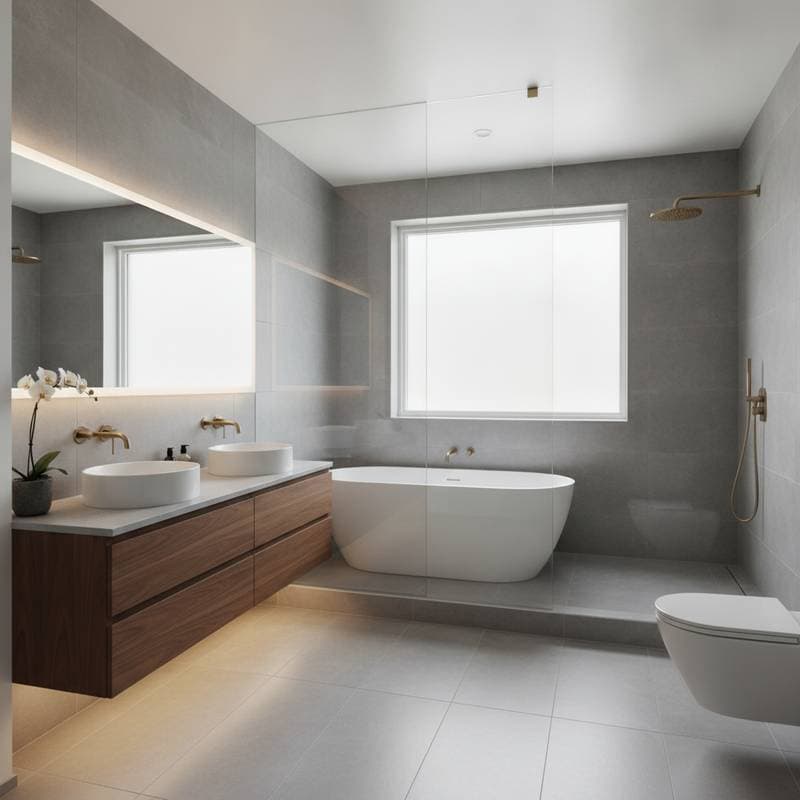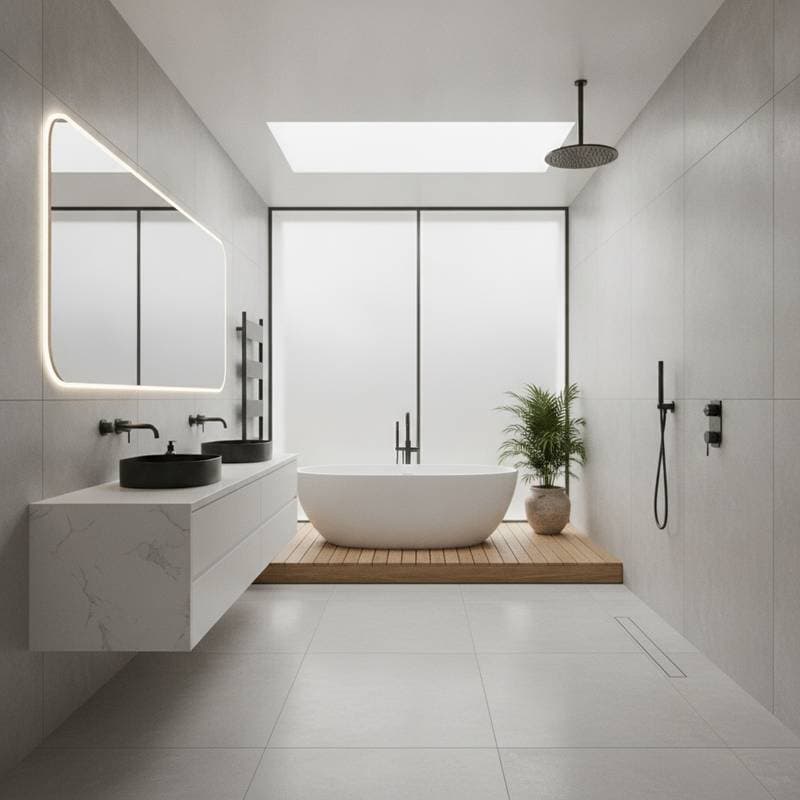
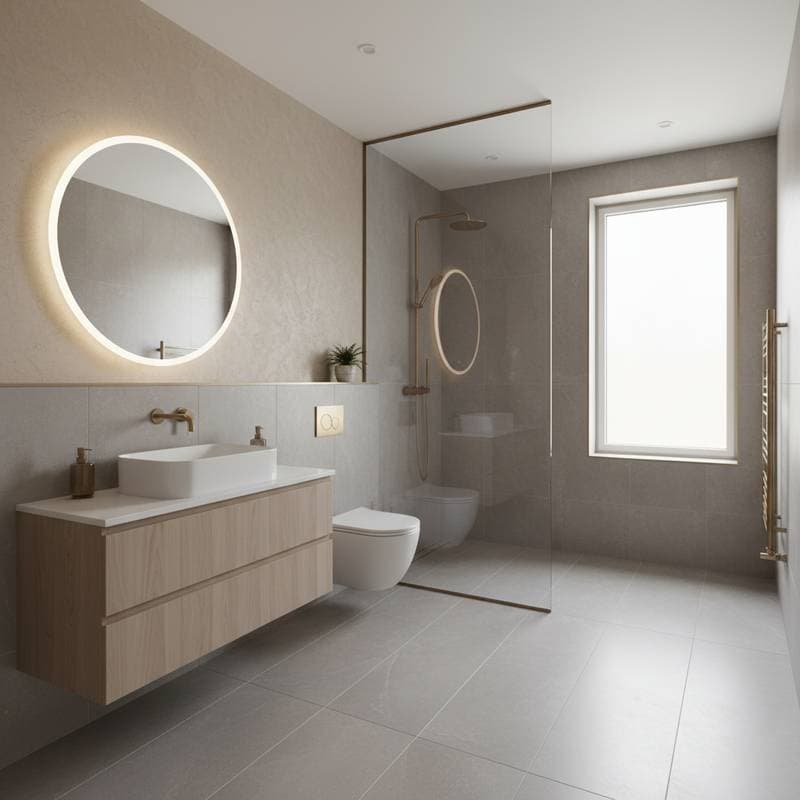
Wet Rooms Replacing Tubs for 2026 Home Value Surge
Yes, wet rooms are replacing traditional tubs in many remodels. Homeowners select barrier-free bathrooms for style, accessibility, and resale value. A wet room raises home appeal and value, especially in mid to high-end markets. Typical cost runs between $12,000 and $25,000, and completion takes one to three weeks.
Steps to Convert a Tub to a Wet Room
- Plan layout and drainage. Decide the shower zone location. Create a sloped floor that directs water to a central or linear drain.
- Waterproof the entire area. Install a tanking system that includes membranes, waterproof boards, and sealants to block leaks behind walls or under tiles.
- Adjust plumbing and ventilation. Relocate supply lines when required and add a high-capacity exhaust fan to manage moisture.
- Choose non-slip flooring. Select porcelain or textured tiles. Skip glossy finishes that become hazardous when wet.
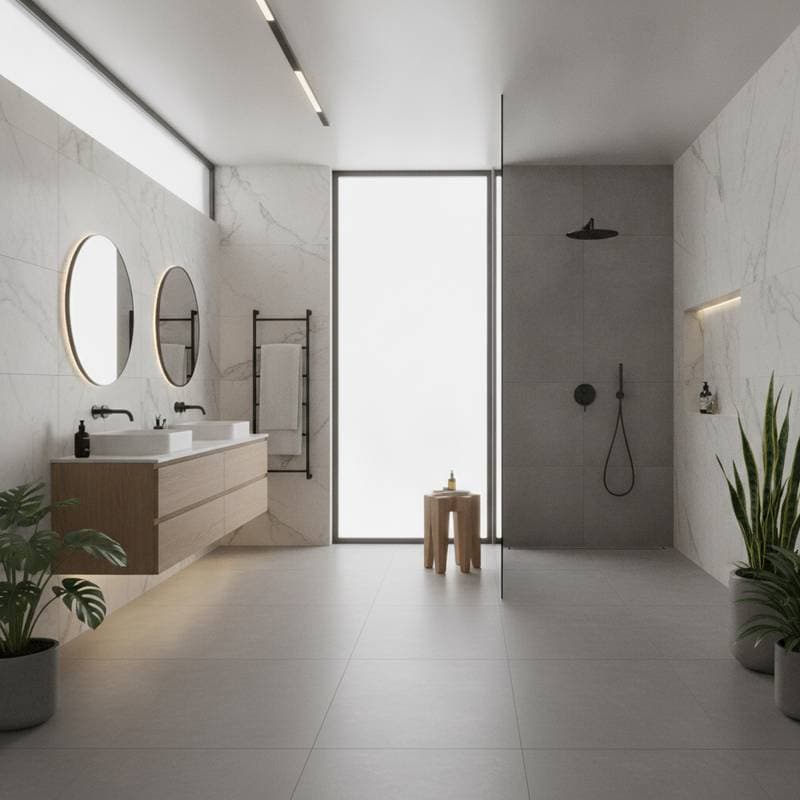
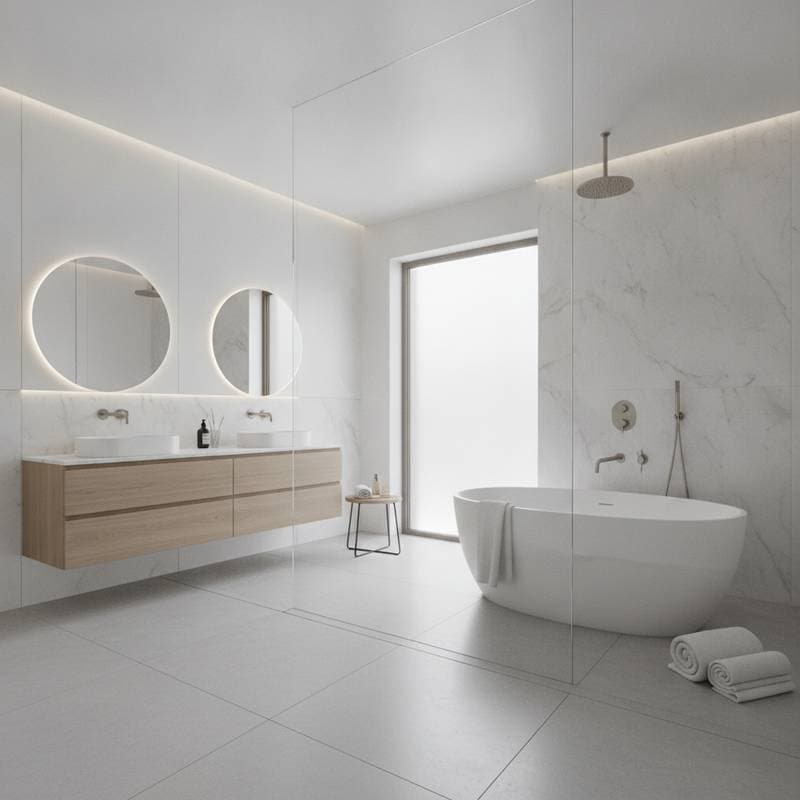
- Add glass panels or half-walls. These elements contain splashes while preserving the open appearance.
- Finish with fixtures and lighting. Mount faucets on the wall, position rainfall heads overhead, and recess lighting to emphasize the clean design.
- Test and inspect. Perform water tests before final sealing or grouting. Early detection of leaks avoids expensive future repairs.
Time Required
A full conversion requires one to three weeks.
- Planning and design: 2 to 5 days
- Demolition and prep: 2 to 3 days
- Plumbing and electrical: 2 to 4 days
- Waterproofing and tile: 5 to 10 days
- Final inspection and cleanup: 1 to 2 days
Interior work is rarely affected by weather, yet drying times vary with humidity. Allow adequate curing between waterproofing layers to prevent leaks.
Tools and Materials Checklist
- Waterproof membrane or tanking kit
- Cement backer boards
- Tile adhesive and grout
- Non-slip floor tiles
- Drain kit or linear channel drain
- Waterproof sealant and primer
- Trowels, spacers, and mixing bucket
- Level, measuring tape, and saw
- Safety gear including gloves, goggles, and respirator
Each item supports a specific step. Omitting any waterproofing layer risks hidden damage.
Why Buyers Prefer Wet Rooms
Buyers view wet rooms as modern, clean, and simple to maintain. The design eliminates both visual and physical barriers. The space appears larger, brighter, and more spa-like. In aging-in-place or multigenerational homes, the step-free entry provides a clear advantage.
Tubs retain appeal in family homes with young children. Many owners install one tub in a guest or secondary bath while converting the primary suite to a wet room. This approach maintains flexibility for different buyer preferences.
How Wet Rooms Increase Value
Wet rooms enhance perceived luxury and accessibility, two key factors in market value. Appraisers often equate them with upgraded spa baths. Poor construction or inadequate ventilation can reduce value, yet quality installations avoid this outcome.
High-quality work delivers a return on investment of 70 to 85 percent. A $20,000 project typically adds about $15,000 in value, depending on local market conditions. Agents report that homes with modern barrier-free bathrooms sell faster and generate greater online interest. The minimalist aesthetic photographs effectively and helps listings stand out.
Pro Tips for Success
- Mount fixtures on walls to preserve floor space.
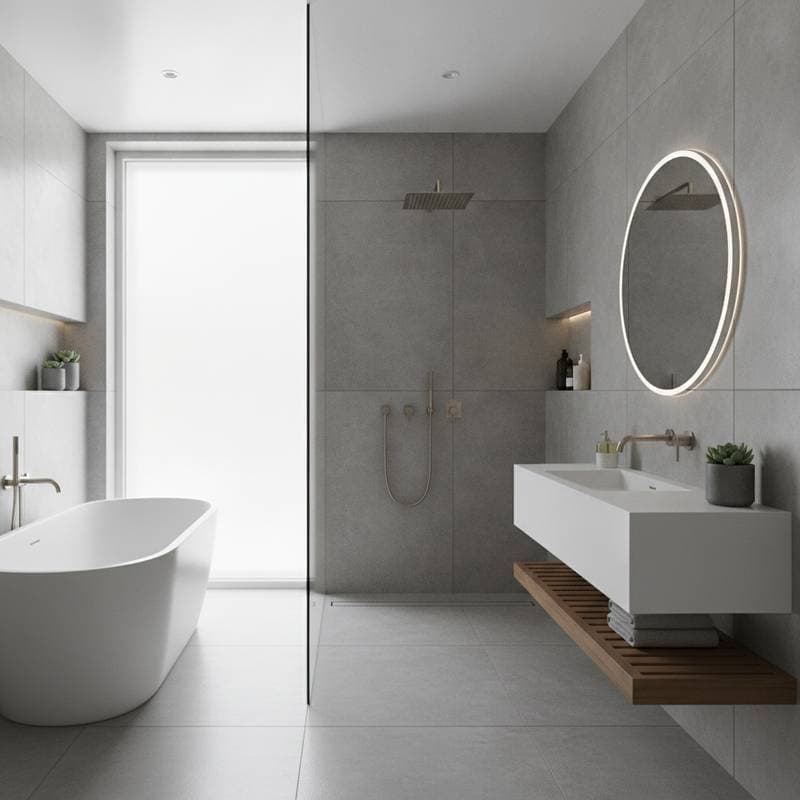
- Use large-format tiles to reduce grout lines.
- Recess a shelf inside the shower wall for streamlined storage.
- Include a hand-held wand for convenient cleaning.
- Verify waterproofing twice before tiling begins.
- Select matte finishes for better traction and reduced glare.
These choices distinguish a standard remodel from a premium upgrade.
Common Questions
Do wet rooms require a special floor? Yes. The subfloor must be waterproof and sloped to a drain. Standard floors need modification before use.
Can a small tub remain in a wet room design? Yes, though it requires additional space. Some plans place a freestanding tub inside the waterproof zone.
Will a wet room leak to the floor below? Correct installation prevents leaks. The membrane protects floors and walls. Leaks result only from incomplete sealing.
Is a permit necessary? Permits are usually required when plumbing or electrical lines are moved. Confirm requirements with local authorities.
How often should grout or joints be resealed? Inspect annually. Reseal every two to three years or sooner if cracks or discoloration appear.