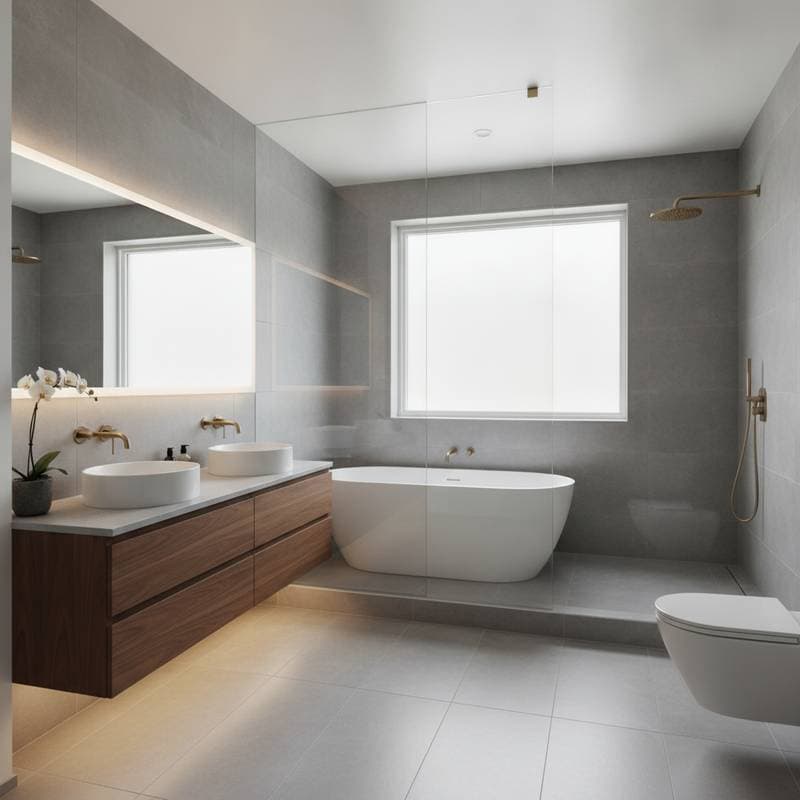
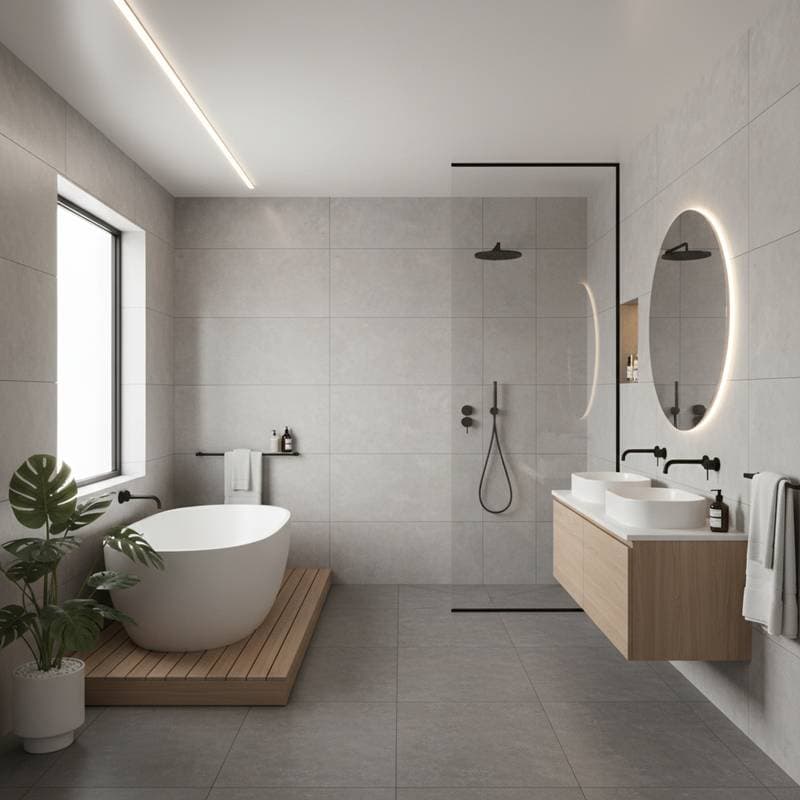
Wet Rooms Deliver Strong Returns on Home Value
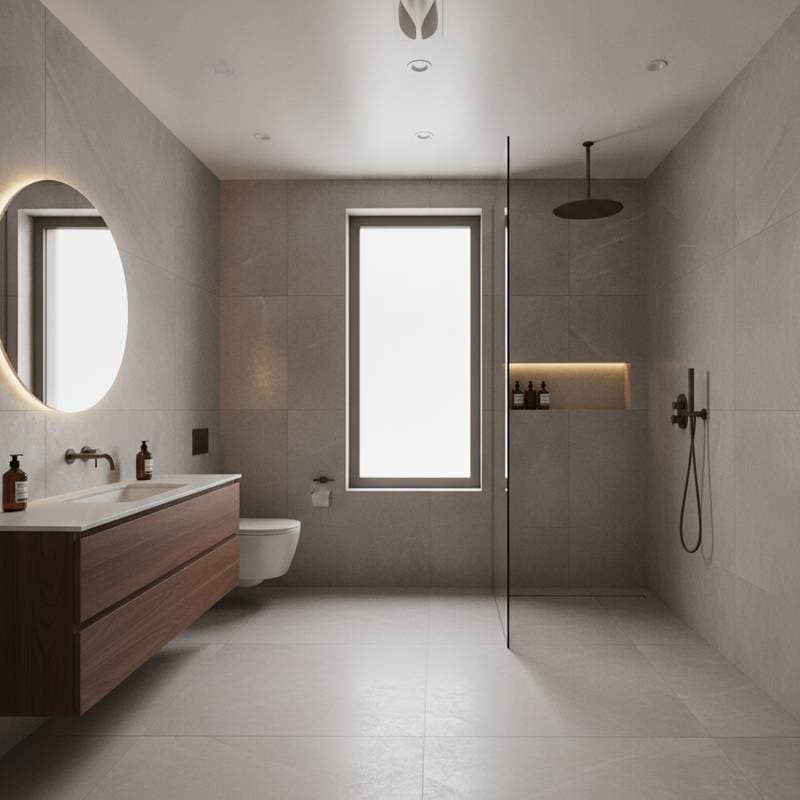
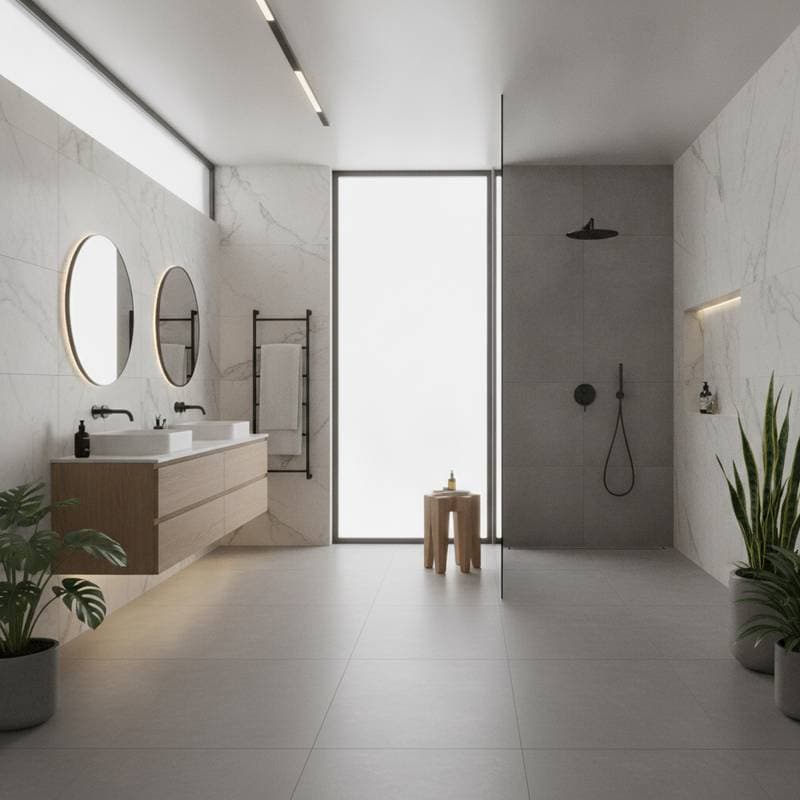
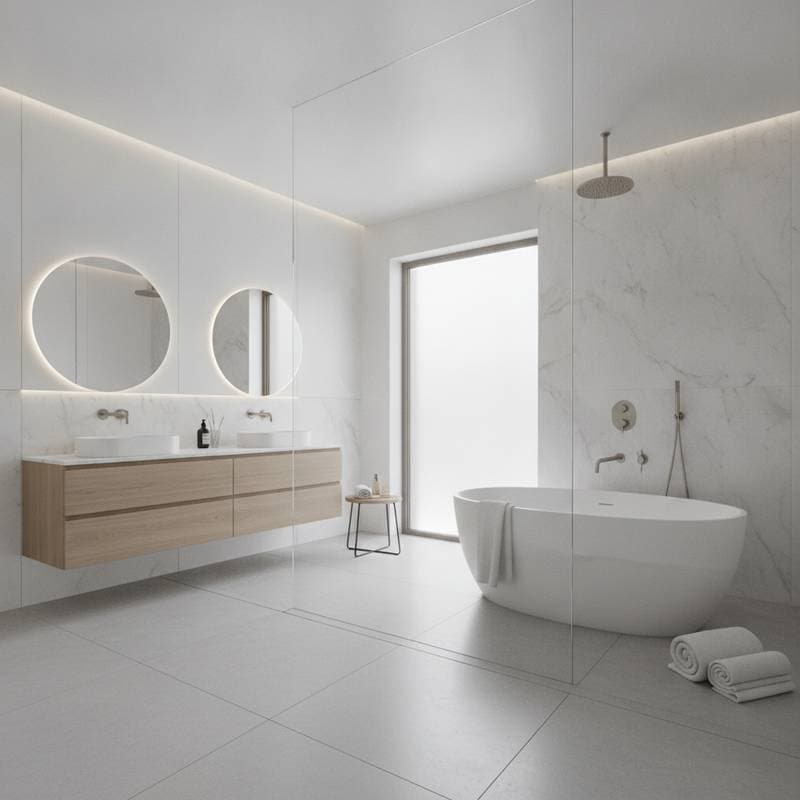
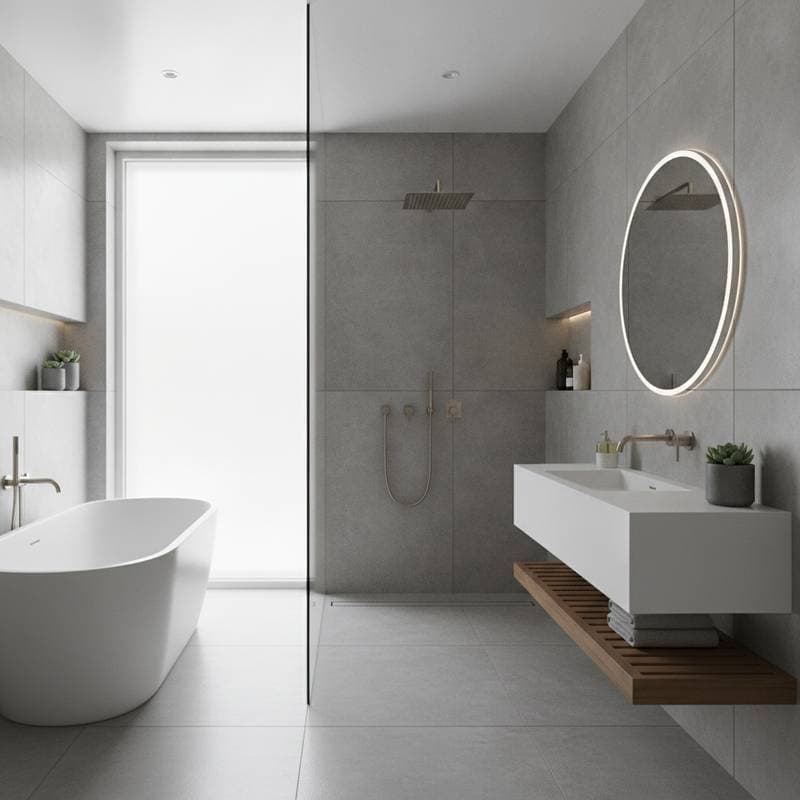
A wet room creates a fully waterproof, open shower space that eliminates enclosures and thresholds. This design improves accessibility, simplifies cleaning, and appeals to buyers seeking modern features. Recent market data indicate that well executed wet room projects can increase resale value by approximately 11 percent.
Typical costs range from 18000 dollars to 28000 dollars for a midrange conversion. Premium finishes may reach 40000 dollars while still delivering solid equity gains when the work meets professional standards.
Cost Breakdown
Material selection accounts for a large share of expenses. Porcelain and large format tiles range from 5 dollars to 15 dollars per square foot. Natural stone costs 12 dollars to 25 dollars per square foot and requires additional waterproofing layers. Drain assemblies and membranes add another 800 dollars to 1500 dollars.
Labor rates fall between 70 dollars and 120 dollars per hour for certified waterproofing and tiling work. This category often represents half of the total budget. Smaller rooms under 40 square feet may start near 12000 dollars, while larger areas that need subfloor adjustments can cost twice as much.
Older homes frequently require plumbing reroutes or joist modifications that add 1000 dollars to 3000 dollars. Permits and inspections typically run 300 dollars to 800 dollars. Demolition and debris removal add 500 dollars to 1500 dollars depending on site access.
Optional upgrades such as built in seating, floor heating, or linear drains increase the investment by 1000 dollars to 3000 dollars yet improve daily comfort and buyer interest.
Professional Work Versus Owner Tasks
Homeowners can safely remove fixtures, paint surfaces, and install accessories. All waterproofing steps, slope corrections, tile setting, and electrical connections must be completed by licensed contractors. Failures in the membrane or drain alignment can cause hidden damage that far exceeds initial savings.
Essential tools for partial projects include a wet saw with a continuous rim blade, a quality level, and proper safety equipment. Water must be shut off at the main valve before any demolition begins.
Ongoing Care and Protection
Daily rinsing and weekly joint cleaning reduce soap residue. Grout should be resealed every two to three years. An exhaust fan operated for 20 minutes after each shower prevents moisture buildup. Inspect corners and caulk lines twice annually and address any standing water immediately.
Certified waterproofing systems often carry 10 year warranties when installed by approved professionals. Tile warranties require documented substrate preparation.
Execution Steps
Establish a budget starting at 20000 dollars and include a 10 to 15 percent contingency for unexpected conditions common in older homes. Request documented flood test results from at least two contractors before signing an agreement. Submit permit drawings that specify slope direction, drain type, and membrane details well in advance of work.
Order materials prior to demolition to avoid schedule delays. Focus first on drain placement and waterproofing integrity. Aesthetic additions can follow once the core system is verified.
Next Actions
Measure the existing bathroom to identify suitable wet room zones. Obtain detailed bids that itemize waterproofing methods. Select tile based on slip resistance ratings and cleaning requirements. Schedule work during dry weather to support proper curing times. Consult a local real estate professional to confirm current buyer demand for this feature in your market.