
The Value of Electric Radiant Floor Heating in Modern Homes
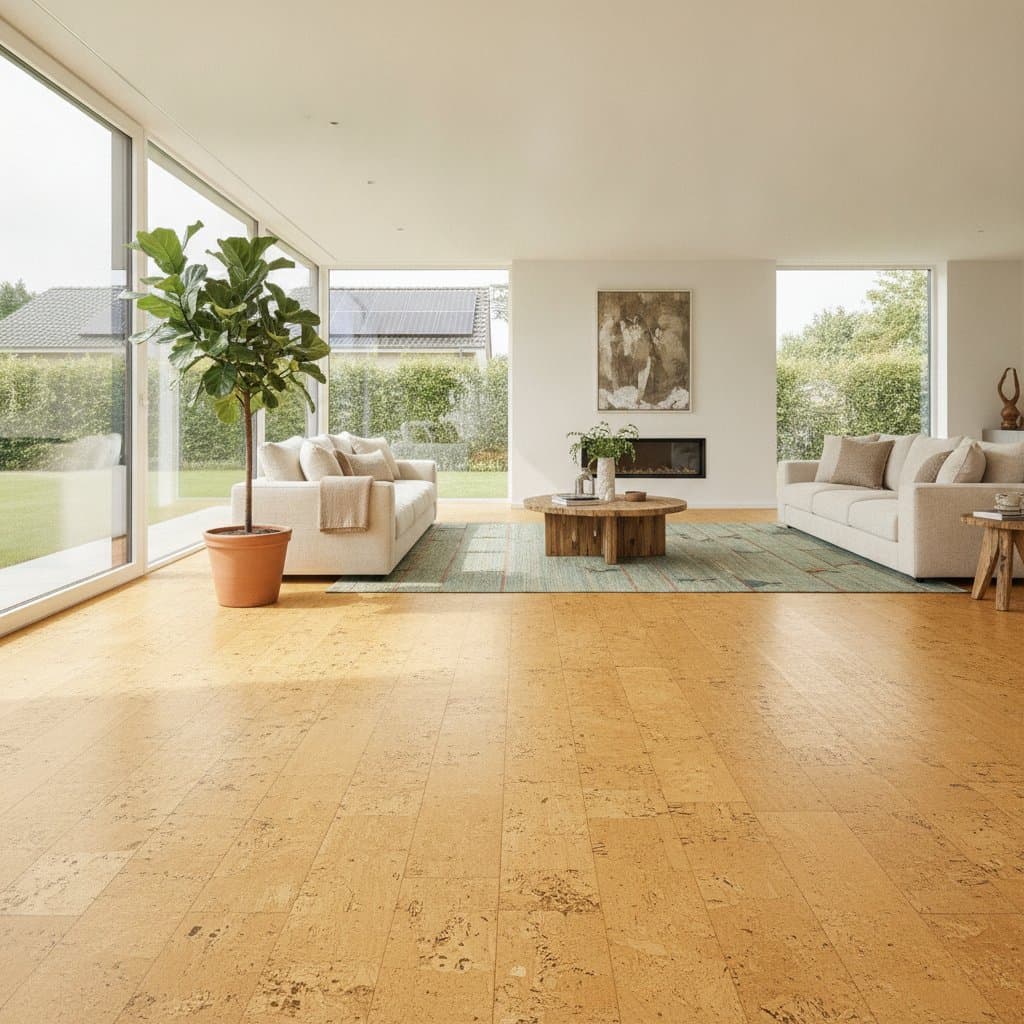
Electric radiant floor heating systems deliver warmth directly from beneath flooring surfaces, creating an even distribution of heat throughout living spaces. Homeowners often report a noticeable improvement in daily comfort, as this method eliminates cold spots and drafts common in traditional forced-air systems. Beyond immediate benefits, such installations contribute significantly to property appeal, with real estate experts estimating an average increase in resale value of $15,000 for a typical mid-sized home upgrade.
This value addition stems from the system's efficiency and durability. Buyers appreciate the quiet operation and zoned heating capabilities, which allow for personalized temperature control in different rooms. Professional appraisers frequently factor in these upgrades when assessing market worth, recognizing their role in reducing long-term utility costs and enhancing overall livability.
Key Cost Factors Influencing Installation
Understanding the elements that drive expenses helps homeowners budget effectively for electric radiant floor heating. Costs vary based on several practical considerations, ensuring the investment aligns with specific home layouts and needs.
1. Heated Area Size
The square footage of the space to be heated directly impacts the overall price. Materials and labor typically range from $10 to $15 per square foot for standard installations. Smaller areas, such as bathrooms averaging 50 to 80 square feet, often result in lower total costs, making them ideal starting points for first-time installers. Larger kitchens or living rooms exceeding 200 square feet demand more materials, pushing expenses higher but offering broader comfort benefits.
2. Compatibility with Existing Flooring
Different floor types interact uniquely with radiant heat, affecting both performance and price. Ceramic or porcelain tile excels at heat conduction, requiring minimal additional components and keeping costs at the lower end of the spectrum. In contrast, hardwood or vinyl installations necessitate specialized heating mats or cables to prevent damage from expansion and contraction. Selecting compatible materials early can optimize efficiency while avoiding costly retrofits later.
3. Electrical Infrastructure Requirements
Most homes require updates to support the system's power needs, including a dedicated circuit and programmable thermostat, which add $300 to $700 to the budget. Older properties with outdated electrical panels may need upgrades costing up to $1,000 to ensure safe operation and compliance with local codes. Consulting an electrician during planning prevents surprises and safeguards the investment.
4. Subfloor Preparation Needs
The condition of the subfloor plays a crucial role in installation success. Leveling uneven surfaces or installing moisture barriers for damp areas incurs $2 to $4 per square foot in preparation fees. In homes built before 1980, common issues like wood rot or concrete cracks often necessitate these steps, but addressing them upfront ensures reliable heat distribution and system longevity.
5. Advanced Controls and Finishing Touches
Incorporating smart thermostats enables features like app-based remote control and multi-zone settings, adding $200 to $500 but enhancing user convenience and energy savings. Premium floor finishes, such as polished stone, complement the system aesthetically while boosting resale appeal. These enhancements justify the slight cost increase by providing tangible daily value.
Weighing DIY Installation Against Professional Services
Deciding between self-installation and hiring experts depends on skill level, project scope, and risk tolerance. Each approach offers distinct advantages, but careful evaluation ensures the best outcome.
Scenarios Suited for DIY Efforts
DIY installation proves manageable in straightforward cases, such as replacing existing tile in a single bathroom. Homeowners with experience in layout planning can position heating mats and sensors accurately, provided they possess basic electrical knowledge. However, even in these situations, engaging a licensed electrician for the final wiring connections remains essential to meet safety standards.
When Professional Installation Makes Sense
Complex projects, including multi-room setups or installations under delicate materials like engineered hardwood, demand professional expertise. Electrical upgrades or circuit additions require certified handling to avoid hazards. Professionals also guarantee adherence to building codes, preserving manufacturer warranties that typically span 20 years or more.
Associated Risks and Mitigation
The risk level for electric radiant floor projects rates as medium, primarily due to potential wiring errors leading to short circuits or inconsistent heating. Inadequate insulation can exacerbate energy loss, diminishing returns on investment. To mitigate these issues, always prioritize licensed professionals for high-stakes elements and conduct thorough pre-installation inspections.
Project Timeline, Cost-Saving Strategies, and Energy Benefits
Efficient planning optimizes both timeline and expenses for radiant floor installations. Most single-room projects complete in 2 to 5 days, though material delays can extend this period. Coordinating with broader remodels, such as new flooring projects, allows shared labor resources, reducing overall outlays by up to 20 percent.
Energy savings represent a compelling long-term advantage, with many users achieving 15 percent reductions in heating bills through lower thermostat settings without sacrificing warmth. Certain regions provide rebates for systems integrated with solar or other renewable sources, further enhancing financial returns. In older homes, allocating an additional 10 to 15 percent of the budget for unforeseen subfloor repairs proves prudent, preventing mid-project disruptions.
Long-Term Maintenance and Warranty Considerations
Once installed, electric radiant floor systems demand minimal ongoing attention, distinguishing them from more labor-intensive heating options. Regular thermostat calibration ensures optimal performance, and simple precautions, such as avoiding penetrations into heated zones with fasteners, preserve functionality.
Manufacturers commonly offer 20- to 25-year warranties on heating elements, with separate coverage for controls often lasting 5 to 10 years. Prompt registration post-installation activates these protections fully. Durable coverings like tile or stone endure for decades alongside the system, whereas vinyl or laminate may require periodic replacement; fortunately, undamaged mats can remain in place during such updates.
Practical Steps to Proceed with Your Installation
Step 1: Align Goals with Project Scope
Determine whether the primary aim is enhanced daily comfort or increased resale value. For resale focus, prioritize visible, high-use areas like entryways and bathrooms, where the upgrade creates immediate buyer impact.
Step 2: Secure Comprehensive Quotes
Obtain multiple written estimates detailing breakdowns for electrical work, materials, and controls. Compare these to identify value-driven options without compromising quality.
Step 3: Explore Incentives and Protections
Inquire about available energy rebates and confirm all warranty details in contractual form. These elements can substantially offset initial costs and provide peace of mind.
Step 4: Emphasize Safety Protocols
Deactivate power at the main breaker prior to any demolition or installation. Ensure ground fault circuit interrupter outlets protect zones near water sources, adhering to rigorous safety practices throughout.
Realizing Lasting Comfort and Financial Returns
Electric radiant floor heating transforms homes by merging energy-efficient operation with silent, maintenance-free performance. Prospective buyers value the subtle luxury of warm floors, and market professionals acknowledge the upgrade's contribution to higher appraisals. Through informed planning and meticulous execution, this investment delivers not only immediate coziness but also substantial, enduring enhancement to your property's worth.