
Wet Rooms: The 2026 Shift from Tubs to Enhanced Home Value
Wet rooms represent a transformative trend in bathroom design, gradually replacing conventional bathtubs. Homeowners increasingly opt for these open, spa-inspired layouts that increase property appeal and streamline daily maintenance. The outcome yields a contemporary bathroom that appears more spacious and draws interest from prospective buyers.
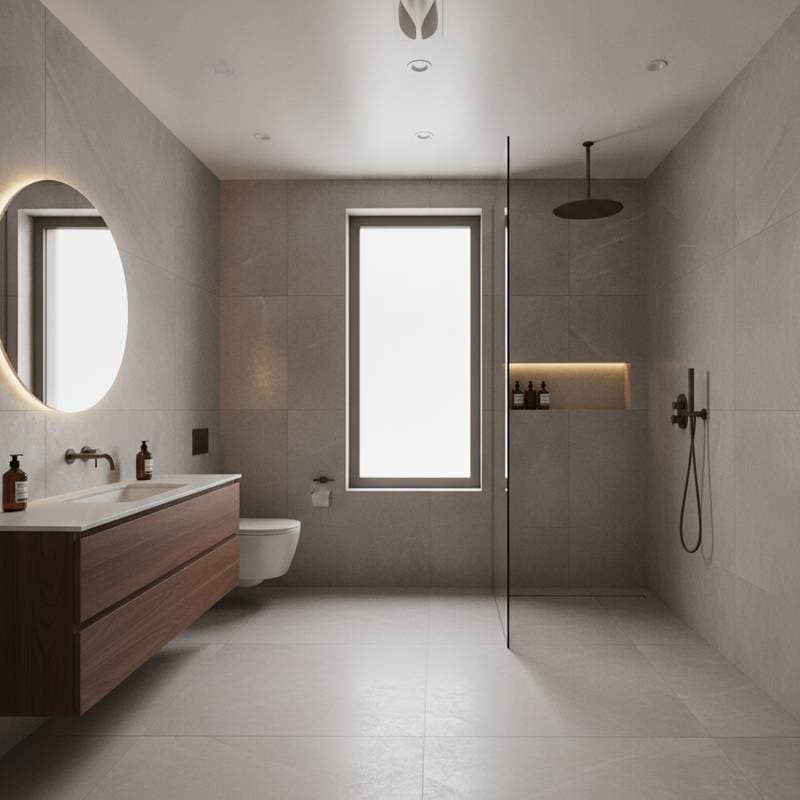
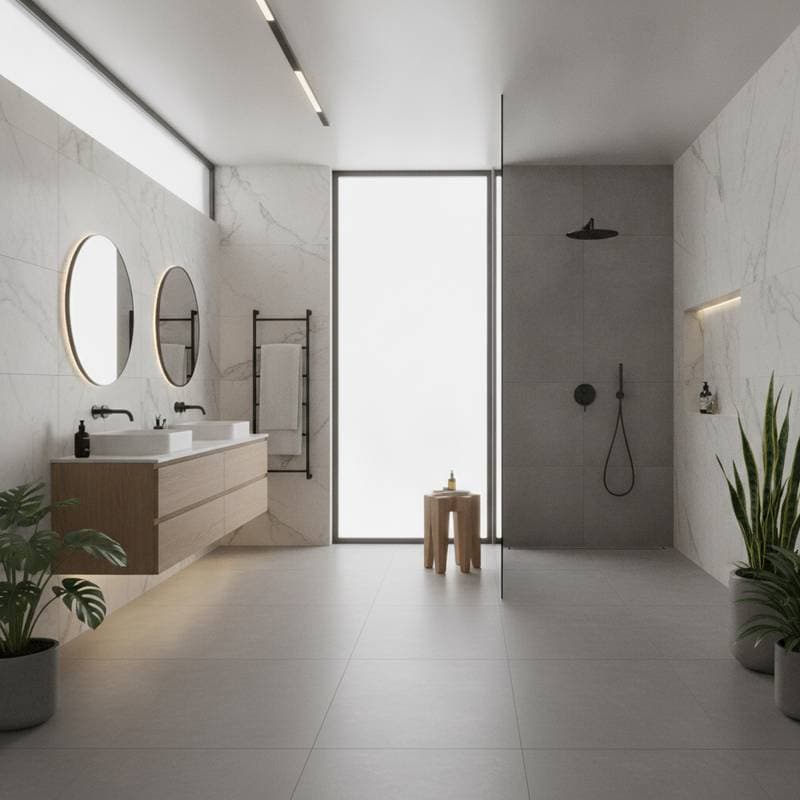
A wet room constitutes a comprehensively waterproofed bathroom incorporating a curbless shower area. Water flows across a gently sloped floor directly to the drain, while the entire enclosure remains sealed against moisture. This design eliminates tubs, shower curtains, and thresholds, favoring streamlined contours and intuitive functionality.
Essential Steps for Constructing a Wet Room
Adhere to these sequential guidelines to develop a durable wet room installation.
- Initiate with precise design and gradient planning. The floor requires a uniform incline directing water to the drain; this element demands the utmost attention during preparation.
- Incorporate comprehensive waterproofing. Apply a specialized membrane across the floor and lower walls prior to tiling operations.
- Position the drainage system. Opt for linear drains to achieve a contemporary appearance and efficient water management.
- Select and install appropriate tiling. Prioritize slip-resistant options for the floor; smaller tile formats facilitate smoother gradients and improved safety.
- Conduct sealing and verification tests. Perform a flood test on the waterproofing layer before proceeding to final finishes.
- Complete with enclosure elements. Incorporate a single glass panel for partial enclosure or maintain an open configuration, depending on preferences.
Each phase relies on the preceding one for structural integrity. Omissions here may lead to water infiltration or hazardous surfaces.
Project Timeline Considerations
Professional contractors typically complete a wet room renovation within two to three weeks. This duration encompasses demolition, waterproofing application, tiling, and necessary curing periods. Amateur efforts extend beyond this timeframe due to the precision required for gradients and moisture barriers; allocate at least one month for self-directed projects.
Required Tools and Materials
Assemble the following items to ensure a successful build:
- Waterproof membrane or complete installation kit
- Linear or centralized drain assembly
- Cement board or compatible substrate material
- Thinset mortar and grout compounds
- Slip-resistant floor tiles
- Trowels, tile spacers, and spirit level
- Silicone-based sealant
- Utility knife and power drill
- Protective eyewear and work gloves
Verify that every component carries certification for wet room applications. Incompatible adhesives or backing materials degrade rapidly in persistent damp conditions.
Adaptations for Regional and Climatic Conditions
In regions with cold temperatures, integrate underfloor heating systems beneath the tiles. These solutions maintain warmth and promote rapid drying, enhancing user comfort.
Coastal areas with high humidity benefit from corrosion-resistant fixtures and mold-inhibiting grouts. Materials such as stainless steel or solid brass outperform painted alternatives in longevity.
Properties in seismic or flood-vulnerable zones require flexible waterproof membranes capable of accommodating subtle shifts without fracturing.
For areas prone to freezing, ensure subfloor gradients fully channel water to drains, preventing ice formation or pooled moisture beneath tiles.
Factors Contributing to Increased Property Value
Prospective buyers prioritize elements of comfort, aesthetics, and ease of access. Wet rooms fulfill these criteria effectively, often substituting underutilized bathtubs with visually striking enhancements that excel in real estate photography.
Industry experts note that properties featuring curbless showers generate greater interest within comparable market segments. Such designs evoke associations with high-end resorts and sophisticated international architecture, while also accommodating preferences for age-in-place modifications.
The extent of value appreciation hinges on execution quality. A meticulously crafted wet room recoups 70 to 85 percent of investment upon resale. Substandard waterproofing or inefficient spatial arrangements, however, diminish returns swiftly.
Pitfalls to Sidestep in Wet Room Development
- Neglecting gradient validation. Minor deviations result in water accumulation and potential damage.
- Selecting oversized glossy tiles. While visually appealing, they compromise traction and safety.
- Overlooking adequate ventilation. Accumulated humidity accelerates deterioration of grout and surface finishes.
- Compromising on waterproofing integrity. Surface sealants cannot replace dedicated membrane systems.
- Excessively intricate spatial planning. Align fixtures with existing plumbing lines to minimize expenses and complications.
Streamlined configurations endure longer and incur lower ongoing costs.
Expert Recommendations for Optimal Results
- Integrate wall-mounted toilets and vanities to amplify the sense of openness on the floor plane.
- Install recessed shelves within walls for storage, preserving smooth surfaces and reducing clutter.
- Incorporate low-voltage LED lighting beneath seating or cabinetry to evoke a relaxing ambiance.
- Employ consistent tile selections across floors and walls to visually expand the area.
- Include a minimal threshold at entry points if mandated by local building regulations for containment.
These enhancements refine the environment with minimal additional expenditure.
Frequently Asked Questions
What is the average cost of installing a wet room? Expenses range from $15,000 to $30,000, influenced by size, materials, and labor. High-end finishes elevate the total, but the investment supports substantial value recovery.
Do wet rooms comply with accessibility standards? Yes, curbless designs align with ADA guidelines, facilitating wheelchair access and reducing fall risks for all users.
Can I convert an existing tub space into a wet room? Absolutely, provided the subfloor supports modifications. Consult professionals to evaluate structural needs and plumbing adjustments.
How do wet rooms affect home insurance? They may lower premiums due to reduced slip hazards, though comprehensive waterproofing prevents mold-related claims.
Preparing for Your Wet Room Transformation
Consider converting an infrequently used bathtub area into a wet room for optimal impact. Begin by inspecting subfloor integrity and drain positioning. Solicit estimates from experienced tiling and plumbing specialists familiar with waterproof constructions; request documentation of prior flood tests.
Develop a detailed layout, source resilient materials, and emphasize accurate gradients with robust sealing. Professional or independent execution alike aims for a secure, low-maintenance bathroom that endures aesthetically.