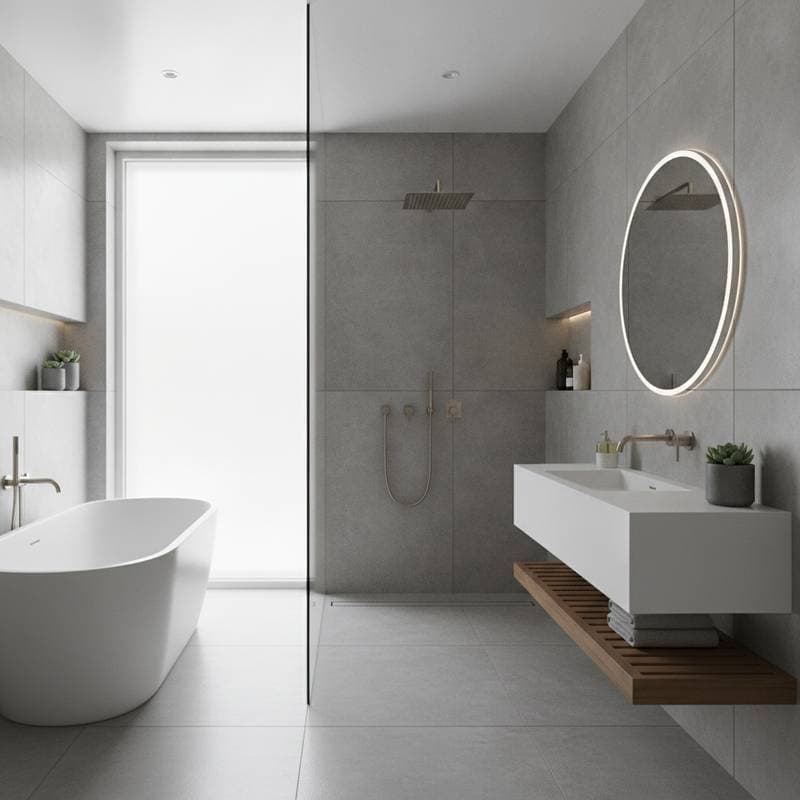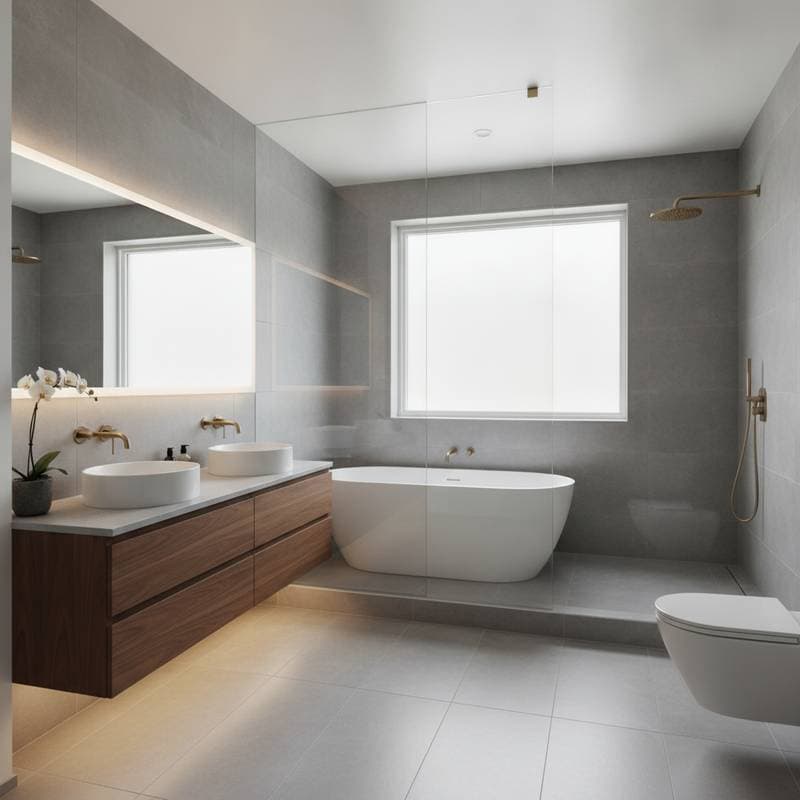
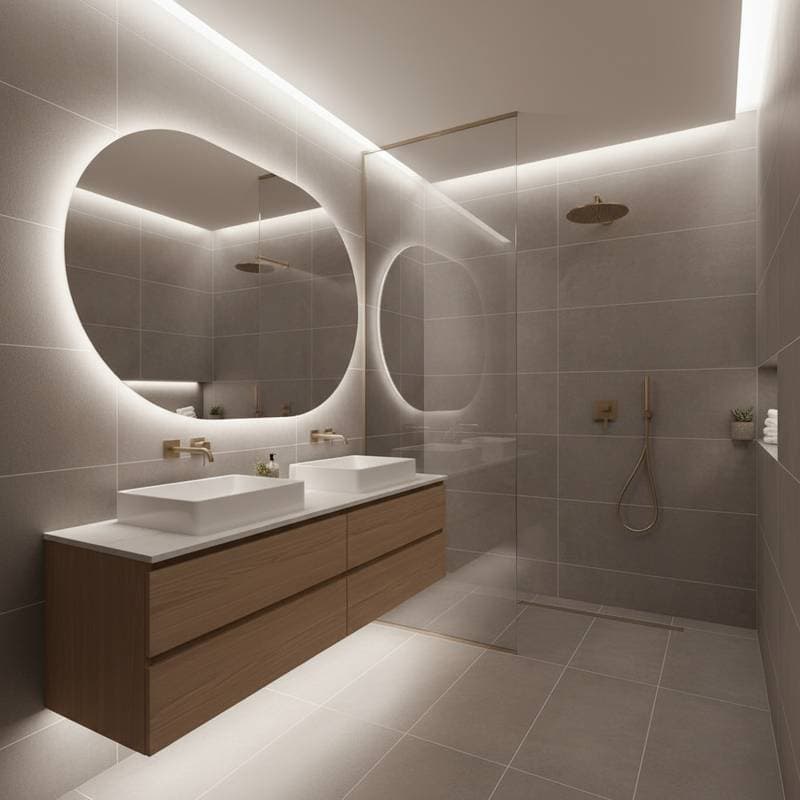
Why Wet Rooms Increase Home Value by 15 Percent by 2026
Key Takeaway: A modern wet room installation typically yields a 15 percent increase in home value. Installation costs range from $12,000 to $25,000, based on room size and material selections.
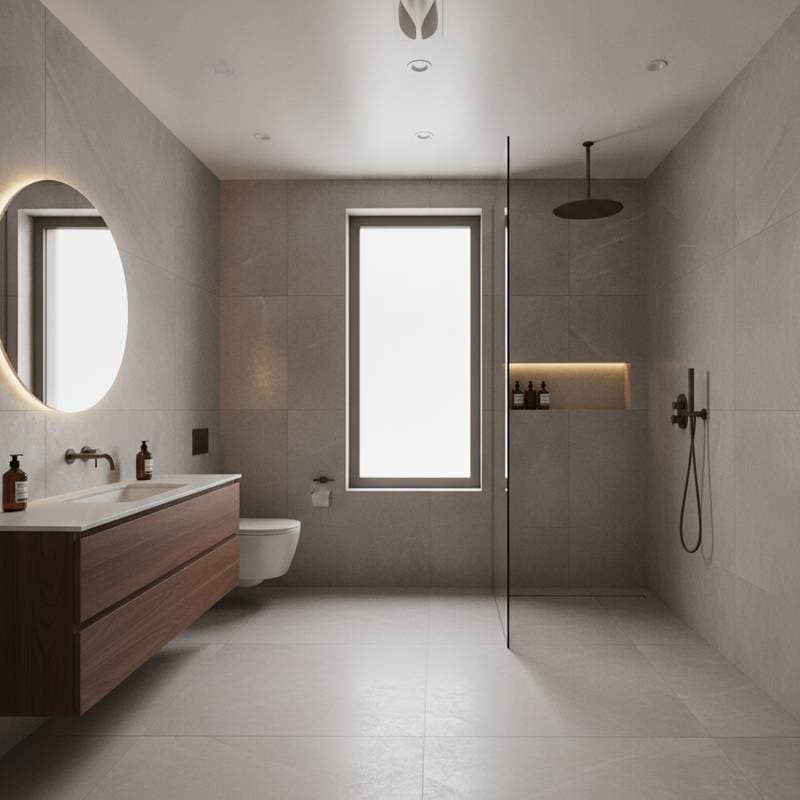
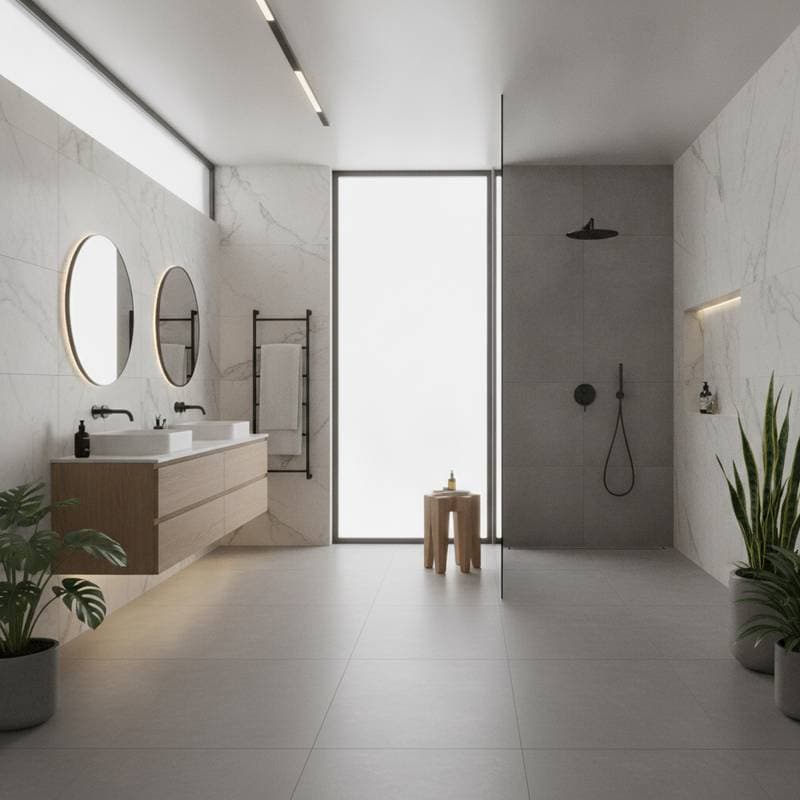
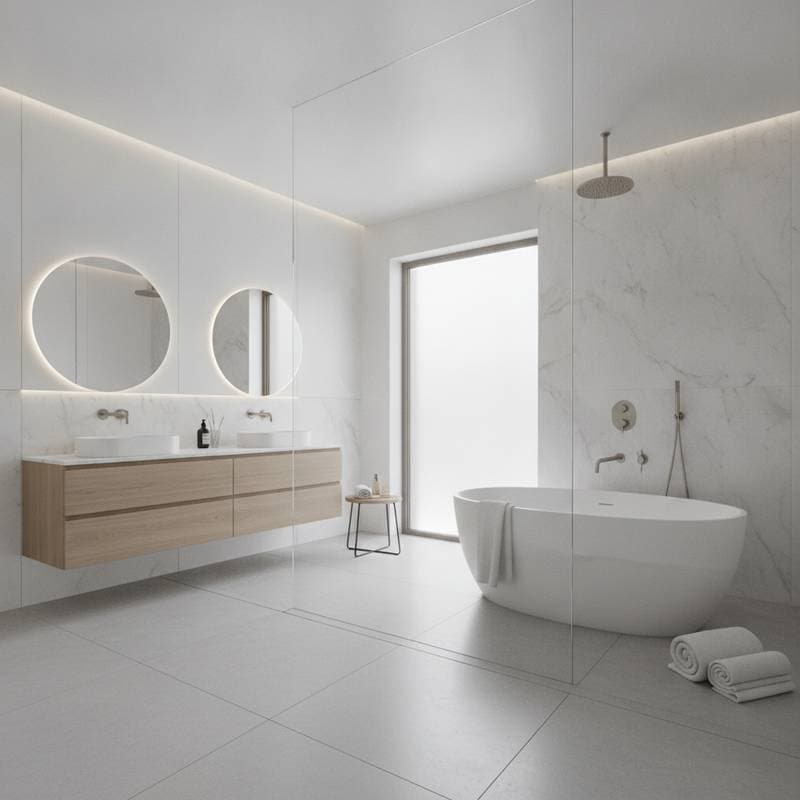
Wet rooms have evolved from exclusive spa features into practical home enhancements. These spaces feature barrier-free layouts, seamless waterproofing, and adaptable designs that address both aesthetic preferences and functional requirements. Prospective buyers increasingly view wet rooms as indicators of superior construction and enduring practicality.
In markets focused on urban living or aging in place, a properly constructed wet room elevates resale value by approximately 15 percent. This appreciation stems from enhanced material quality, inclusive design principles, and lower ongoing maintenance needs when compared to traditional tub-shower combinations.
Planning and Installation Options
Homeowners with an existing shower enclosure possess a foundational element for conversion. However, transforming the space into a complete wet room demands meticulous preparation and execution.
Step 1: Evaluate Space and Drainage Requirements
Begin by determining the necessary floor gradient for effective water runoff. Industry standards recommend a slope of at least one-quarter inch per linear foot. Structures with wooden subfloors often require additional support prior to applying waterproof layers.
Step 2: Apply Comprehensive Waterproofing
Incorporate a seamless membrane across all walls and the floor surface. Ensure overlaps at joints measure no less than two inches, secured with specialized waterproof sealant tape. This measure safeguards against moisture penetration into underlying structural components.
Step 3: Select Appropriate Drainage Solutions
- Point drains offer economical installation and suit compact areas effectively.
- Linear drains provide a streamlined appearance and integrate well with expansive layouts or threshold-free access points.
Step 4: Install and Secure Flooring
Opt for slip-resistant tiles designed specifically for high-moisture environments. Employ epoxy or polymer-enhanced grout formulations to enhance resistance against mold and mildew growth.
Step 5: Ensure Proper Ventilation and Final Touches
Equip the area with a robust exhaust fan capable of handling sustained humidity levels. Complete wall treatments using vapor-barrier paints or full-height tiling to maintain a dry interior.
Project Timeline and Cost Management
Scheduling Considerations
Anticipate a construction period of two to four weeks. Factor in an additional week for regulatory inspections or material curing processes. Supply chain interruptions, such as those following severe weather, frequently occur during peak renovation cycles.
Strategies for Expense Reduction
- Retain durable existing elements, such as toilets or vanity units, when compatible with the overall aesthetic.
- Select porcelain tiles instead of natural stone to minimize both initial outlay and routine care.
- Coordinate multiple bathroom renovations simultaneously to consolidate permitting and labor expenses.
- Time the project for periods of lower contractor demand to secure more favorable pricing.
Available Financial Supports
Certain municipal initiatives provide rebates for installations incorporating low-flow fixtures or accessibility enhancements. Consult local utility providers or housing authorities early in the planning phase to identify eligibility.
Ensuring Safety and Regulatory Adherence
Essential Protective Equipment
- Wear gloves, protective eyewear, and padded knee supports during tiling operations.
- Use a respirator mask when handling or cutting cement backer board materials.
- Don non-slip footwear throughout phases involving water testing.
Pre-Work Preparations
Disconnect water supply and electrical services prior to any demolition activities. Clearly mark all shutoff valves to facilitate prompt restoration of utilities.
Permitting Requirements
Obtain necessary permits for projects that involve:
- Relocating or altering plumbing lines.
- Modifying electrical receptacles.
- Adjusting load-bearing elements.
Engage a certified plumber for all new drainage or venting installations to comply with local codes.
Evaluating Repair Against Full Replacement
When existing showers exhibit signs of water intrusion, fractured surfaces, or concealed mold, a complete overhaul proves more economical. Patching isolated issues typically incurs $4,000 to $6,000 in expenses and rarely resolves underlying problems.
A thorough wet room conversion delivers sustained performance, eliminates access obstacles, and refreshes the visual appeal. This approach also prevents recurring maintenance expenditures over time.
Tiered Upgrade Options
| Tier | Primary Components | Estimated Cost | Maintenance Needs |
|---|---|---|---|
| Basic | Porcelain tiles, central point drain, single-wall enclosure | $12,000 - $15,000 | Routine surface cleaning |
| Intermediate | Oversized format tiles, linear drainage, frameless glass enclosure | $16,000 - $20,000 | Occasional grout inspections |
| Premium | Natural stone surfaces, concealed drainage, integrated seating | $21,000 - $25,000+ | Periodic professional resealing |
Advancing from basic to intermediate specifications generally adds about $4,000 to the budget. Such enhancements significantly improve marketability to discerning purchasers desiring luxurious, retreat-like facilities.
Current Market Trends for 2025
Property advertisements increasingly emphasize accessible bathroom configurations as desirable upgrades. Consumers prioritize unobstructed designs, ease of use, and durability in their selections. Wet rooms fulfill these criteria through innovative waterproofing and spacious arrangements.
Industry analytics indicate steady expansion in preferences for open, moisture-resistant bathing areas. Real estate professionals observe quicker transaction closures and elevated bidding for properties featuring contemporary wet room installations, particularly those suited to downsizing or multi-generational living.
The projected 15 percent valuation uplift arises from the perception of expanded spatial flow, heightened security, and contemporary sophistication. These attributes also reduce daily upkeep demands, resonating with time-constrained professionals and older adults.
Implementing Your Wet Room Project
- Conduct a thorough examination of the existing bathroom to identify water damage or inefficient layouts.
- Establish a budget framework of $12,000 to $25,000, adjusted for chosen finishes and spatial constraints.
- Engage qualified specialists for critical waterproofing and drainage tasks.
- Schedule commencement during favorable weather periods to optimize workflow.
- Allocate a 10 to 15 percent reserve for unforeseen repairs or modifications.
Investing in a thoughtfully designed wet room enhances everyday usability, promotes inclusivity, and strengthens financial returns. View this renovation as a forward-looking improvement that delivers both immediate enjoyment and lasting equity.