Why Aging-in-Place Bathrooms Increase Sale Prices by 15 Percent
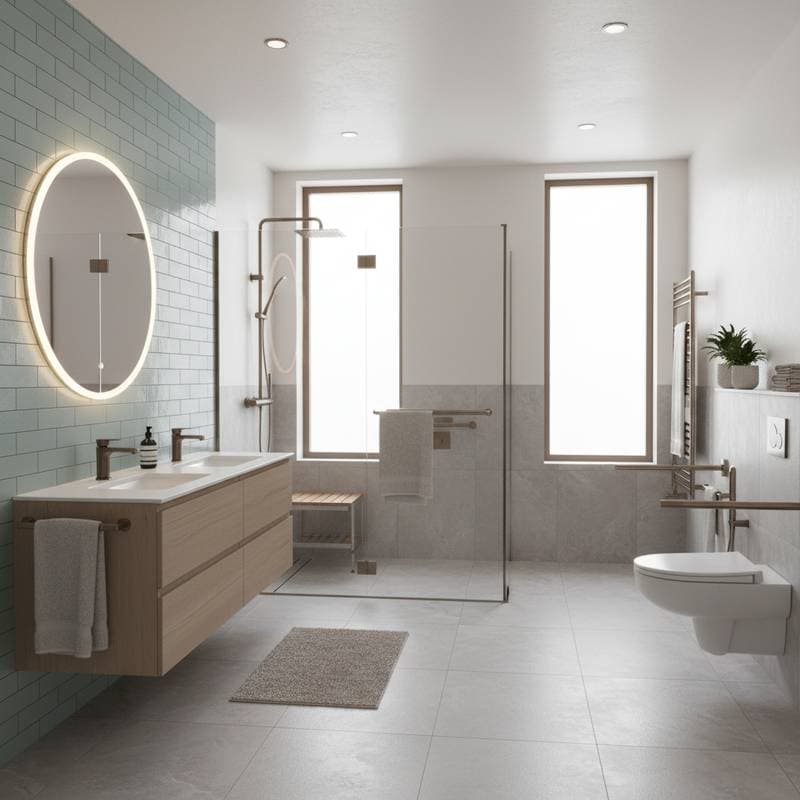
Properties equipped with aging-in-place bathrooms often sell for up to 15 percent more than comparable homes without such features. Prospective buyers recognize these spaces as forward-thinking investments that promote safety, ease of use, and enduring comfort for occupants of all ages. This combination of practicality and appeal accelerates sales and elevates perceived value in competitive real estate markets.
Defining the Aging-in-Place Bathroom
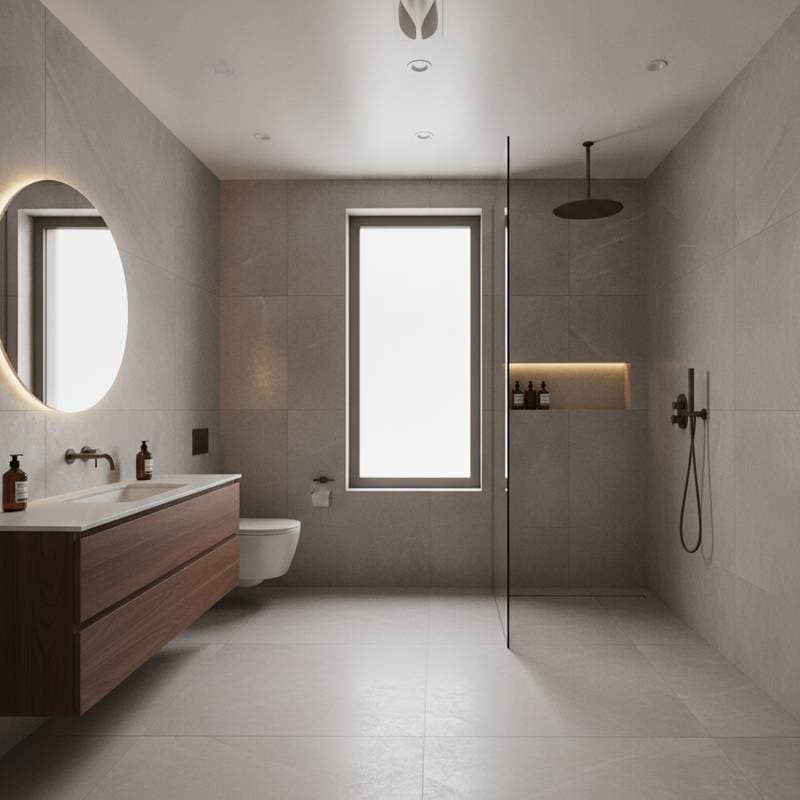
An aging-in-place bathroom emphasizes universal accessibility and risk reduction while preserving aesthetic sophistication. These designs accommodate individuals from young children to older adults, enabling independent living without compromising on visual elegance. Essential elements include expansive doorways for unobstructed passage, seamless curbless showers that eliminate tripping hazards, and lever-style handles that require less grip strength than traditional knobs. The overarching aim is to foster autonomy and well-being through intuitive, inclusive architecture.
Essential Features That Attract Buyers
Buyers prioritize bathrooms that balance functionality with modern design. The following components stand out for their versatility and market draw:
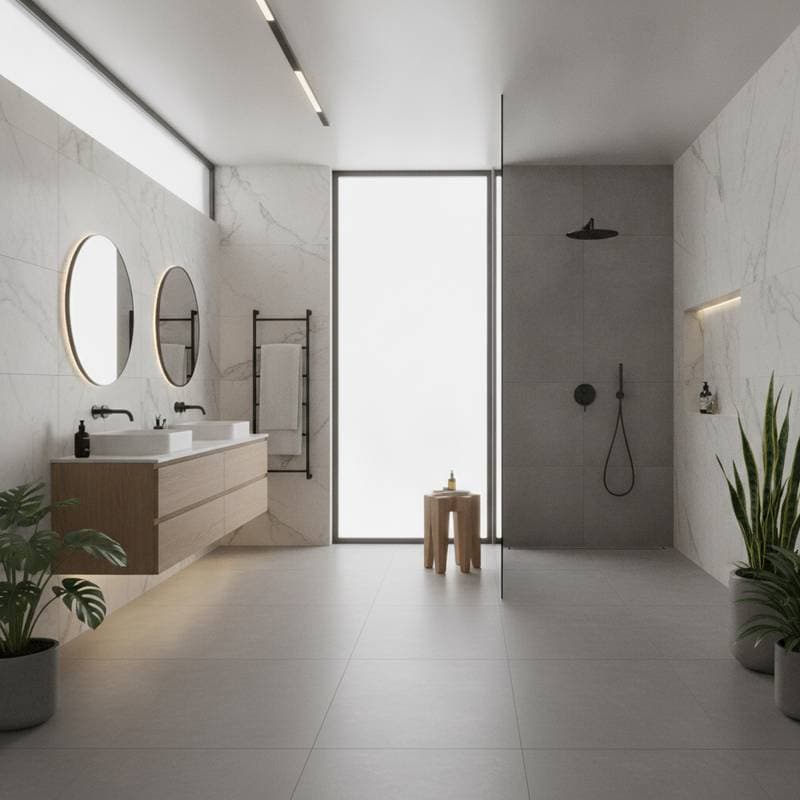
- Curbless showers: These provide barrier-free access and a contemporary, spa-inspired appearance that enhances the overall room flow.
- Integrated grab bars: Discreetly styled to complement existing hardware, they offer reliable support without evoking clinical environments.
- Slip-resistant flooring: Engineered materials ensure stability in wet conditions, significantly lowering the risk of accidents.
- Comfort-height toilets: Positioned at an optimal elevation, they simplify sitting and rising for users of varying mobility levels.
- Expanded entry doors: At least 32 inches wide, they facilitate movement for mobility aids like walkers or wheelchairs.
- Strategic lighting: Layered options with adjustable brightness and anti-glare properties improve visibility and usability.
- Adjustable handheld showerheads: Mounted on vertical slide bars, they allow customization for seated or standing showers.
These elements transcend mere utility; they contribute to a cohesive, upscale ambiance that resonates with a broad audience. Professional installation ensures seamless integration, avoiding the appearance of afterthought additions.
Investment Breakdown: Costs and Considerations
Renovating for aging-in-place requires upfront planning to manage expenses effectively. The table below outlines typical costs for core upgrades, along with factors influencing final pricing.
| Upgrade | Estimated Cost Range | Key Price Influences |
|---|---|---|
| Tub-to-curbless shower conversion | $5,000 - $12,000 | Selection of tiles, existing plumbing configuration, and labor for waterproofing |
| Grab bar installation with wall reinforcement | $200 - $800 | Structural wall composition, desired finish materials, and anchoring hardware |
| Comfort-height toilet replacement | $300 - $900 | Fixture brand reputation, ease of plumbing integration, and installation complexity |
| Slip-resistant flooring installation | $1,500 - $4,000 | Flooring material durability, room dimensions, and subfloor preparation needs |
| Enhanced lighting and ventilation systems | $500 - $2,000 | Electrical wiring accessibility, fixture efficiency ratings, and integration with smart controls |
Regional labor rates and material availability can shift these figures. Opting for mid-range, durable options often yields the best return on investment, while premium customizations suit high-end properties. Strategies like retaining original plumbing routes or salvaging compatible fixtures help contain budgets without sacrificing quality.
Project Timeline Expectations
Most aging-in-place bathroom projects span three to ten days of hands-on labor, depending on scope. A comprehensive overhaul, including custom tiling and structural adjustments, might extend to two weeks to account for material drying periods and required inspections. Potential setbacks arise from supply chain delays for specialized items or bureaucratic permit processes. Thorough pre-project scheduling, including vendor coordination, minimizes disruptions and keeps timelines on track.
Deciding Between DIY and Professional Assistance
Certain tasks suit hands-on homeowners with moderate skills.
Pursue DIY for:
- Straightforward replacements, such as installing grab bars or updating light fixtures.
- Projects involving familiar tools and minimal structural intervention, provided safety guidelines are followed meticulously.
Engage professionals for:
- Major alterations like tub removals, plumbing relocations, or electrical modifications.
- Installations demanding compliance with building codes, including proper waterproofing and load-bearing reinforcements.
- Scenarios where warranties on materials and workmanship provide peace of mind.
Certified contractors excel in achieving precise slopes for drainage, secure anchoring, and adherence to accessibility standards. Amateur errors in these critical areas risk water damage, structural weaknesses, or inspection failures that could delay sales.
Recommended Tools and Materials
Equipping yourself or your team with the right supplies ensures efficient, high-quality results. Essential items include:
- Power drill and electronic stud finder for secure grab bar mounting.
- High-traction, slip-resistant tiles paired with flexible grout for longevity.
- Liquid-applied waterproof membranes and thinset mortar for subfloor protection.
- Fixtures compliant with ADA guidelines for standardized accessibility.
- Durable silicone caulk and sealants to prevent moisture intrusion.
- Damp-rated LED fixtures for energy-efficient, shadow-free illumination.
Coordinating color palettes and textures across all components creates a unified, professional finish that elevates the bathroom's marketability.
The Resale Value Proposition
In today's housing landscape, buyers seek properties adaptable to evolving needs across life phases. An aging-in-place bathroom eliminates the immediate burden of costly modifications, positioning the home as a turnkey solution. Real estate professionals observe that listings emphasizing these features receive more inquiries and competitive bids, often closing above asking price.
Even millennials and Gen Z buyers appreciate the inherent luxuries: a curbless shower evokes resort tranquility, while broader doorways simplify furniture transport during moves. These attributes reposition accessibility as a premium selling point, blending inclusivity with sophistication to broaden buyer pools and maximize returns.
Adapting to Regional Variations
Local environmental factors influence design choices for optimal performance. In colder regions, incorporating radiant floor heating or textured anti-slip mats combats ice formation from condensation. Humid climates demand robust exhaust fans and antimicrobial grouts to thwart mold growth. Municipal regulations frequently mandate permits for plumbing or electrical shifts; consulting local authorities early avoids fines. Certain jurisdictions provide incentives, such as tax credits or grants, for safety-focused renovations that enhance community livability.
Prioritizing Safety and Regulatory Compliance
Safety forms the foundation of every aging-in-place upgrade. Key protocols include reinforcing substrate walls prior to grab bar attachment, as surface-mounted anchors in drywall prove inadequate under stress. Verify that shower floors maintain a one-quarter-inch-per-foot slope to direct water flow and prevent stagnation. Install ground-fault circuit interrupter (GFCI) outlets adjacent to water sources for electrical protection. Select flooring with a dynamic coefficient of friction exceeding 0.6 for wet-surface traction.
Adhering to these measures safeguards occupants and preserves the home's integrity. Neglecting waterproofing layers invites subfloor rot, undermining both habitability and appraisal values.
Implementing Your Renovation Plan
Approach the project with a blueprint that harmonizes utility and allure. Prioritize the shower area, as it dictates spatial arrangements and budget allocation. Select low-maintenance surfaces resistant to stains and easy to sanitize, while incorporating dimmable lighting for versatile atmospheres. For sellers, amplify these enhancements in marketing materials using precise descriptors like 'barrier-free entry' or 'inclusive universal design.' High-resolution images capturing open layouts and refined details can captivate online searchers.
Transforming a bathroom for aging in place extends beyond hazard mitigation; it embodies proactive architecture that serves diverse lifestyles. These investments deliver immediate usability and substantial financial gains upon sale, affirming the wisdom of inclusive foresight.